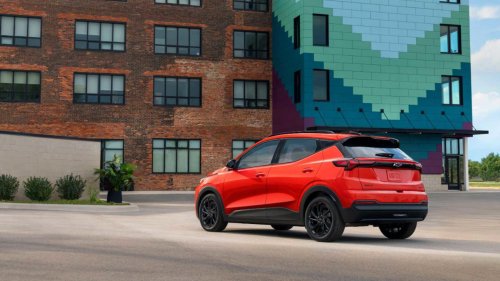
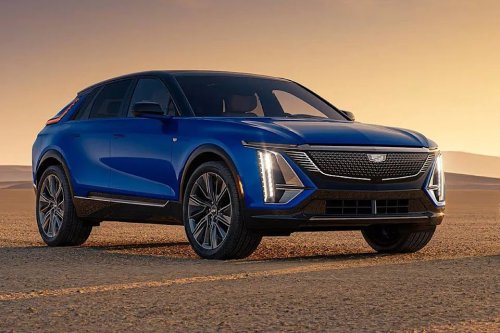
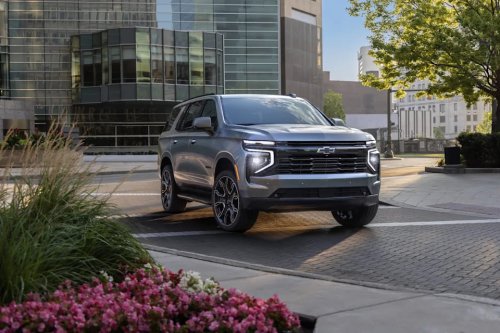
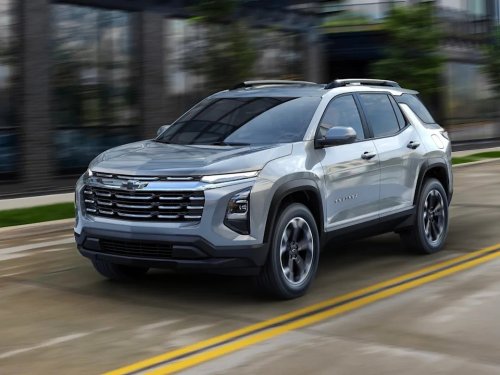
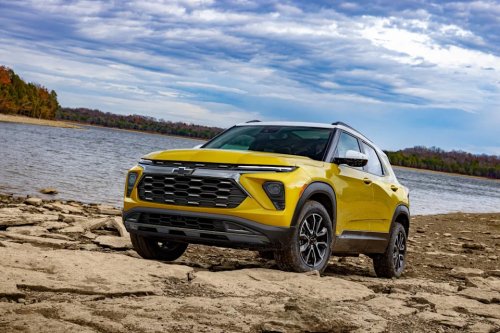
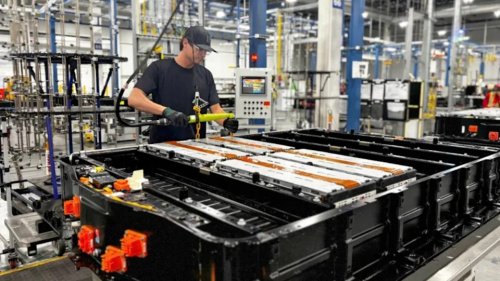
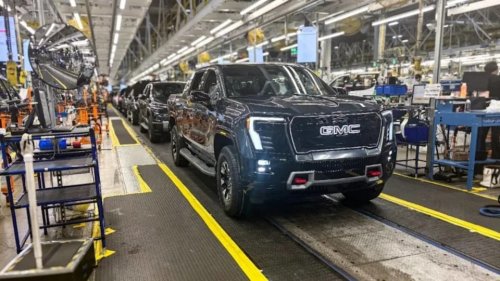
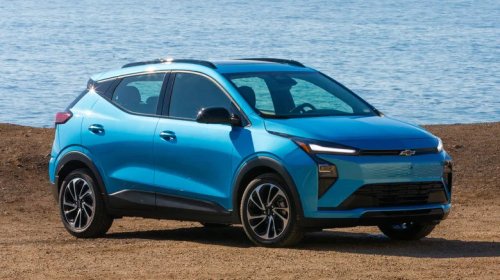
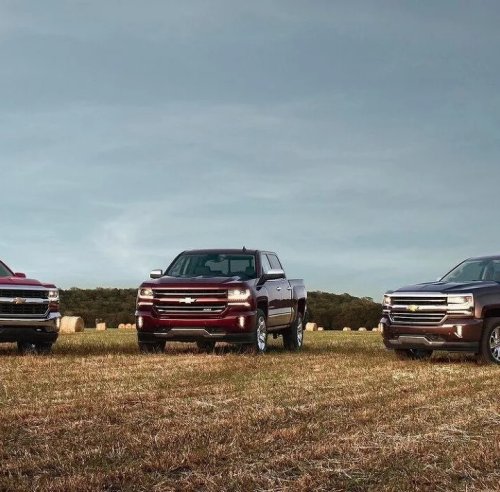
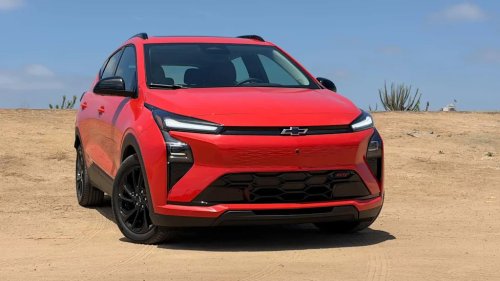
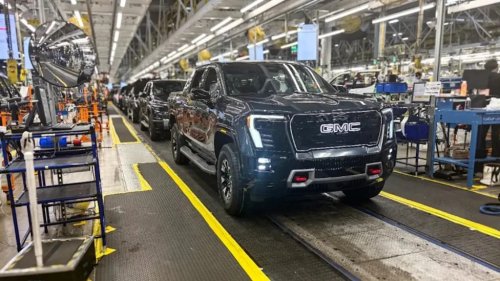
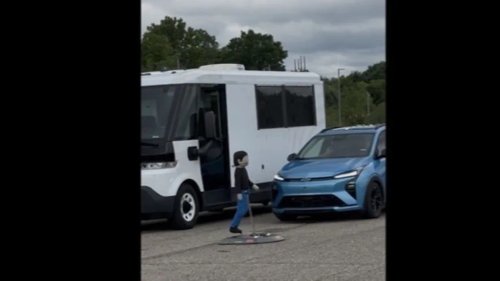
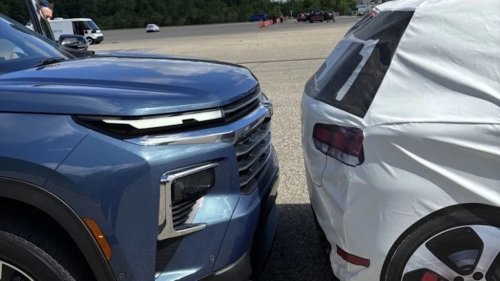
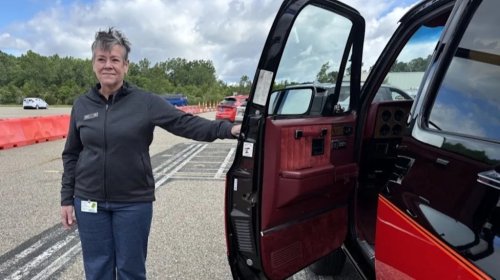
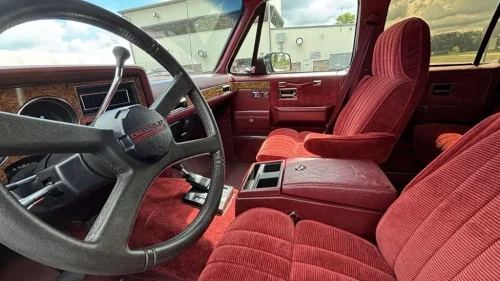
How GM's Biggest Crisis Accelerated SafetyAlisa Priddle - MotorTrendMary Barra's early tenure as General Motors' CEO was marked by a safety crisis: the ignition switch recall that tested her leadership abilities from the outset. She managed the debacle that resulted in 124 deaths and 275 injuries, and began a culture change that included making safety a priority.More than a decade later, GM employees say the emphasis on safety has grown stronger. The culture is even more important than when Barra took over as CEO, said Jeff Ronne, global director for the company's Global Safety Strategy. "It is the No. 1 thing talked about at all meetings and events."Those meetings begin with a safety message. Participants sometimes read emotional emails from customers saved by their vehicle's safety features. "It is ingrained in us," said Regina Carto, vice president of GM's Global Product Safety, Systems and Certification. The company now annually marks a global safety week to recommit its focus on the topic, including in the workplace and personal well-being.AdvertisementAdvertisementGM invited us to its Milford Proving Ground in Michigan for an update and demonstrations of some of the safety features today found as standard equipment on many of its vehicles, even the most affordable.Automatic emergency braking prevents a rear-end collision.Alisa Priddle - MotorTrendNow Is the Deadliest Time of YearWe are presently in the 100 deadliest automotive days of the year, spanning from Memorial Day to Labor Day. Overall, the National Highway Traffic Safety Administration's latest data show that there are still about 40,000 fatalities per full year in the U.S., Ronne said. The majority involve older vehicles, which is why it is important to make safe new vehicles affordable in an effort to get older models off the street.A 2026 Chevrolet Trax entry-level subcompact crossover starts at $23,495 and has 12 standard safety features, said Pam Walz, senior marketing manager for Chevrolet crossovers and SUVs. A $28,995 Chevy Bolt entry electric vehicle has 20 standard features. They include many advanced active safety items that give the vehicle the ability to steer, accelerate, or brake as needed to avoid a collision.GM safety engineer worked on 1990 Chevrolet Suburban.Alisa Priddle - MotorTrendA Lot Has Changed Over the YearsAutomotive safety has come a long way, said Bridget O'Brien, who joined GM in 1988 to work on crash safety. She was part of the 1990 Chevy Suburban team, working on a top-end SUV with plush upholstery and wood trim. It had many of the day's latest safety features like power steering and power brakes (front disc and rear drum, with rear antilock). There were no airbags but there was an energy-absorbing steering column, intermittent wipers, and power locks and windows.1990 Chevrolet Suburban interior.Alisa Priddle - MotorTrendThe slew of cameras and active safety features available today were inconceivable when O'Brien started. She said she is proud of the advancements and the fact they are available across the model line.AdvertisementAdvertisementVehicles like the Trax and Bolt EV have a long list of standard equipment including adaptive cruise control, front pedestrian braking, rear cross-traffic braking, automatic emergency braking, lane keep assist, and forward collision alert. "I'm proud of what's on vehicles today," O'Brien said.Ronne said he thinks the most important advancement has been active safety and assistance systems that help a driver stay in a lane, or detect an object, or slam on the brakes to avoid a crash.2025 Chevrolet Blazer EV.MotorTrend - MotorTrendDemonstrating Emergency BrakingEngineers at the Milford Proving Ground showcased some of this tech. A Chevrolet Blazer EV demonstrated emergency braking when a car crosses an intersection, forcing immediate action to avoid a collision.A preproduction 2027 Chevy Bolt demonstrated a scenario wherein a child walks out from behind a large van that had obscured it from view. The Bolt detects the child and initiates emergency braking to avoid hitting Timmy, the dummy pedestrian. This scenario is everyone's worst nightmare; the technology to prevent it is most impressive, Ronne said.AdvertisementAdvertisementA third demonstration initiated an emergency stop to avoid hitting a static target, stopping inches from a car that was almost rear-ended.These features are not new, of course, nor is GM alone in offering this kind of technology, but that does not diminish the effectiveness or importance of working to keep roads safer.Proof Is Demonstrated by Fewer CrashesThe University of Michigan Transportation Research Institute (UMTRI) examined about 12 million 2020–24 GM models and matched them to more than 700,000 police-reported crashes across 18 states. The research revealed that vehicles with modern safety technology reduced the number of crashes incurred when backing up by 86 percent; cars with automatic emergency braking reduced rear-end collisions with injuries by 57 percent; front pedestrian braking technology lowered pedestrian crashes with injuries by 35 percent; lane-keep assist led to 15 percent fewer crashes where a vehicle went off the road; and lane-change alert reduced lane-change crashes by 13 percent.This research helps GM continue to develop safety features and know what works and what doesn't. The team crunches data and uses its six global testing areas, including Milford, to develop, test, and validate.



















 +59 others