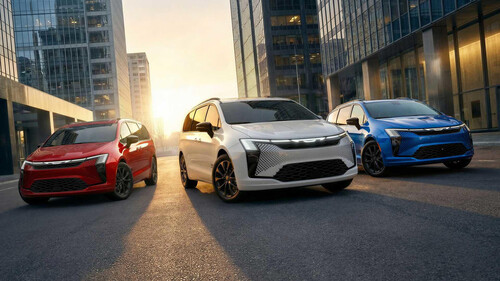
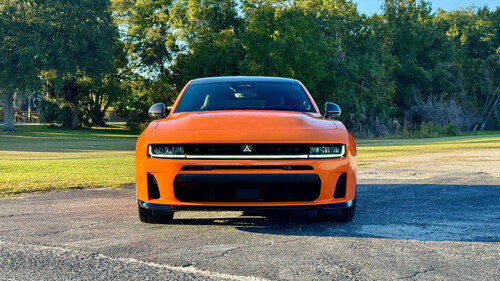
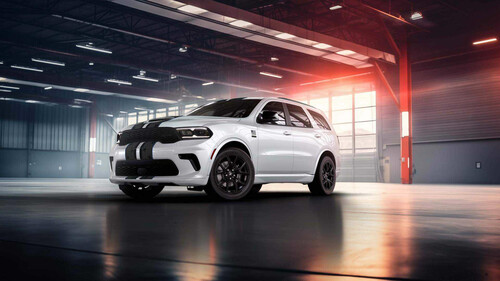
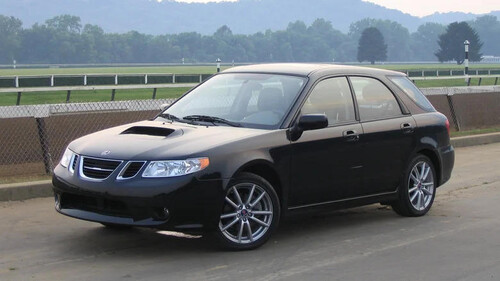
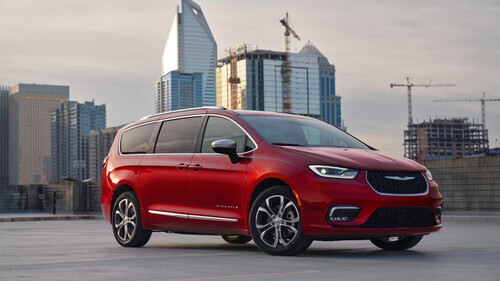
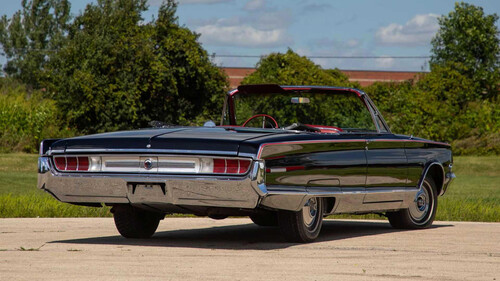
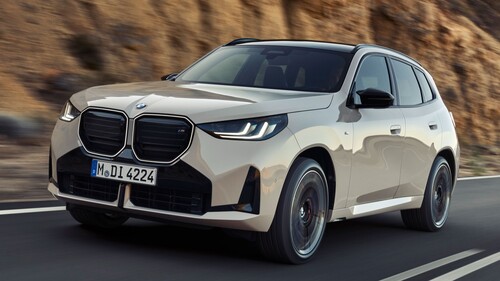
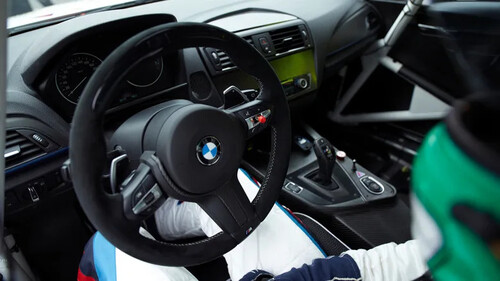
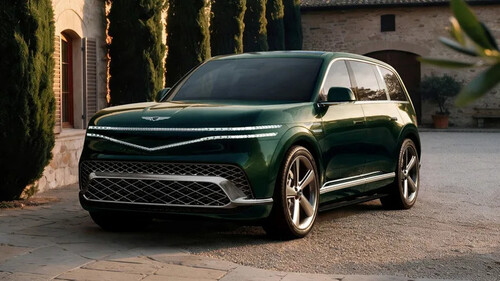
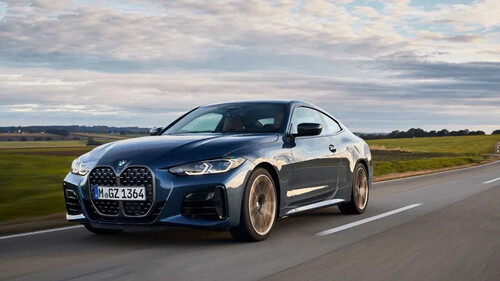
The Chrysler Pacifica minivan (l) was equipped with Michelin CrossClimate 2 tires; the BMW 4 Series Coupe (r) was not. Which performed better on the track?ForbesWhen Michelin released the CrossClimate 2 tire, an all weather tire that is designed to perform as well in dry conditions as it does in rain and snow, the skeptics were unsure: is that possible?This new tire delivers an impressive list of features, including an estimated 60,000 mile tread life and warranty, a quieter ride, and a fit designed for sedans as wells as SUVs, making it already worth its premium pricing of $150 to $400 per tire, depending on size. That it carries a three-peak mountain snowflake icon, meaning it's certified for driving in snow, is what puts it over the top.Michelin credits a proprietary new rubber compound and its V-shaped tread for being able to accomplish so much with one tire.AdvertisementAdvertisementBut the true tell for this tire is testing it out in challenging conditions. So we went to Michelin's Laurens Proving Grounds in Spartanburg, South Carolina, to try it out.The results were pretty stunning.Minivan Vs. Sports Car: The True TestFor our test we pitted the Michelin CrossClimate 2 tire against a lower-priced (and unnamed) competitor. As a driver who used to think that tire brand didn't matter as long as the right criteria were considered—type of vehicle, type of road conditions—I didn't expect to experience all that much of a difference.And then, we were told we'd test the Michelin tires in a minivan. A Chrysler Pacifica, to be more specific, an eight-passenger full size, 204-inch long vehicle. That's a hefty frame to haul around a track, even without water on the pavement.AdvertisementAdvertisementOh, yes, the track had been watered down.To compare our performance in the Pacifica, Michelin outfitted a BMW 4 Series Coupe, a much smaller, performance-focused car, with tires from a lower-priced competitor.Here's how that went.The Chrysler Pacifica (l) and the BMW 4 Series Coupe (r) were tested one after another on a wet track at Michelin's Laurens Proving Grounds in South CarolinaConfidence Is Everything—Especially In A MinivanSitting in the driver's seat of the Chrysler Pacifica with Derek Secord, Senior Subjective Test Driver, in the passenger's seat, we headed out on the course. There, sprinklers sprayed water across the track ensuring that our route, a coned course with tight, tricky curves and acceleration alleys, would challenge me at every turn. Not exactly the type of course you'd expect to drive a minivan on.AdvertisementAdvertisementI drove the course three times; the first outing was to understand the layout and get a feel for the car and the tires. Then, it was time to add acceleration and steering with the goal of going as fast as possible and still stay inside the cones.The second lap proved interesting; I was able to add more speed and brake more aggressively, pressing hard on the brake pedal ahead of each turn on the course, then adding more acceleration to get through the curve.On the third lap I gave it my all, leaning hard on the accelerator for as long as possible and braking at the last possible moment; I was definitely driving faster than I would have had the seats behind me been filled with passengers. And I never once felt the minivan's wheels lose grip with the pavement; even the rear tires didn't fishtail, which was a surprise.So how would the BMW 4 Series Coupe compare?The BMW 4 Series Coupe on the test track at Michelin's Laurens Proving GroundA BMW Comes With Confidence Of Its Own; Will The Tires Make A Difference?Immediately after testing the Michelin CrossClimate 2 tires on the Chrysler Pacifica, we swapped the minivan for a BMW 4 Series Coupe. Heading out to the track, the BMW immediately felt different in my hands; this car is designed for performance driving, sporting a more athletic posture and twin turbo power. Its low center of gravity and performance-tuned suspension are designed to handle well on a track. And its much smaller shape and lower weight, it weighs about 1,000 pounds less than the Pacifica, I expected it to handle better on the track.AdvertisementAdvertisementHaving driven the course already, this time I went right into performance mode, quickly squeezing the accelerator. I could instantly feel the tires struggling to find grip on the pavement and had to let off the accelerator a bit and rely more on the BMW's driving dynamics than on the integrity of the tires.After learning what that slippage felt like and where it occurred, I was able to challenge the BMW a bit more on the second lap. This time, I felt the rear wheels slip on the pavement, both on acceleration and on the tight turns. I needed more braking and had less confidence to increase my speed. These tires slowed me down, and on the third lap they didn't allow me to increase my speed at all while requiring me to grip the steering wheel more intensely, an observation I noted to Secord.The Chrysler Pacifica proved to be more capable when equipped with better tiresConfidence On The Road Is The GoalWhat I felt lacking was "the confidence that the tires bring," Secord said. "If you feel like you have a lot of control, you can be relaxed and you don't have to grip the wheel as hard. But when you're fighting the tire all the time, you feel like you have to have more control."And that added confidence allowed me to drive the Pacifica faster through the course than I drove the BMW, a fact that I'd never have guessed. It makes sense; race teams and performance car makers are picky about the tires their vehicles ride on and now, I see why.AdvertisementAdvertisementThe mileage estimation, snow certification and quiet ride are enough to convince most buyers that these tires are worth the price. But out-pacing a BMW with a Chrysler Pacifica on an autocross? That's a performance spec that's unexpected and a level of confidence that makes a true difference.This article was originally published on Forbes.com