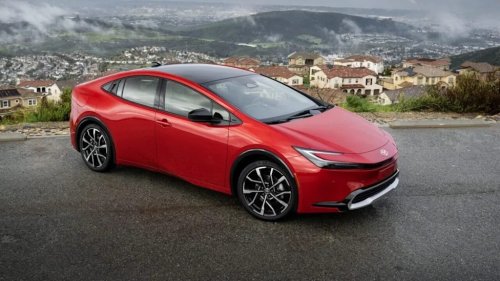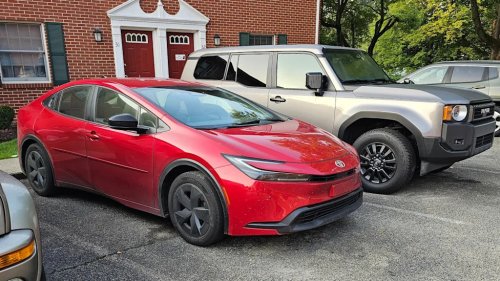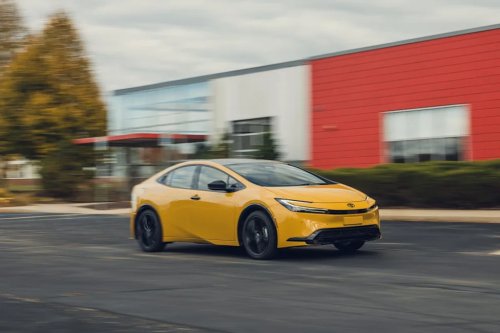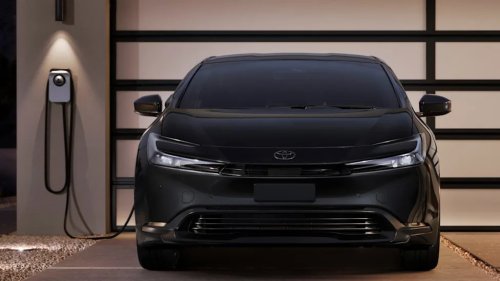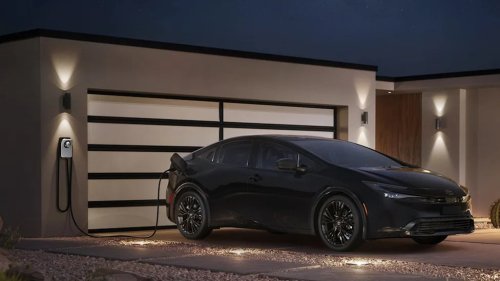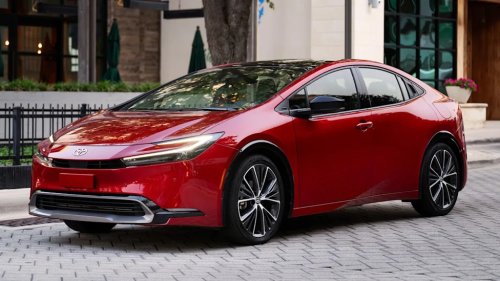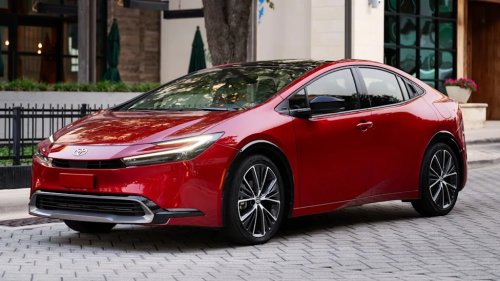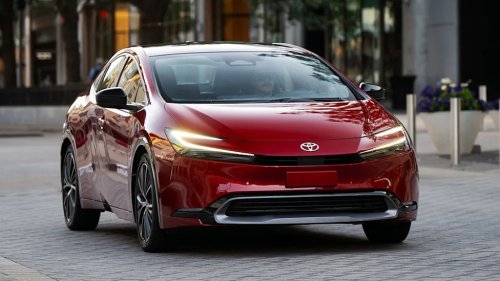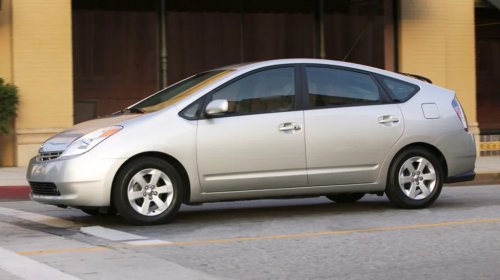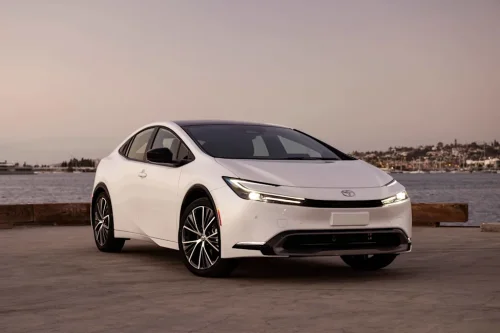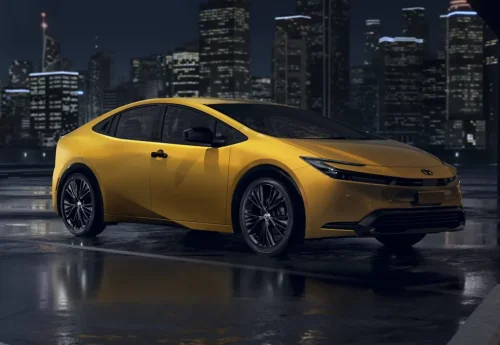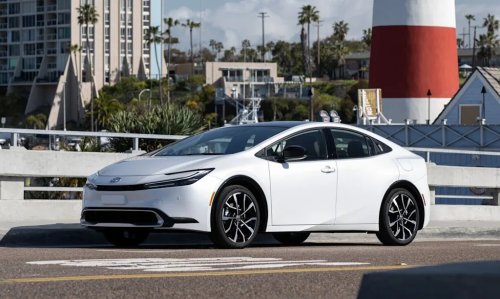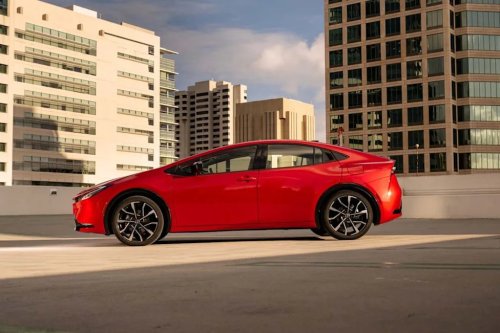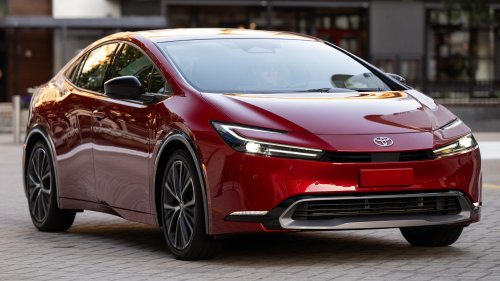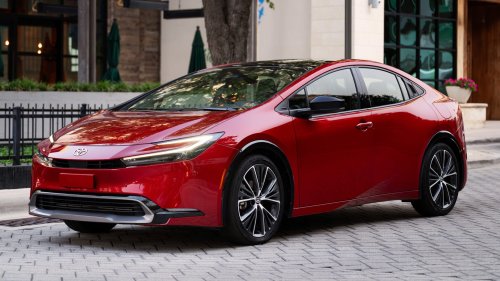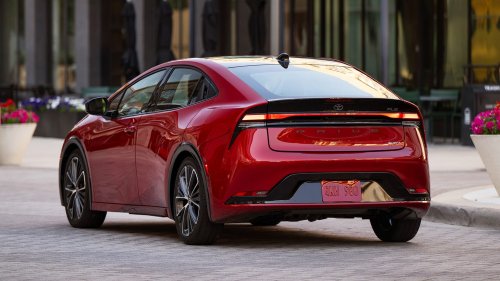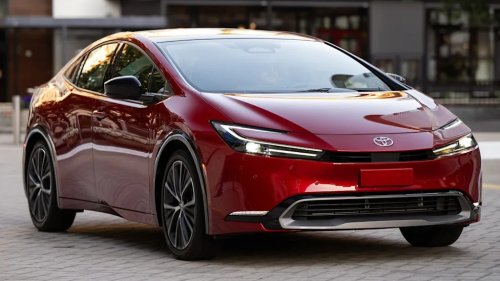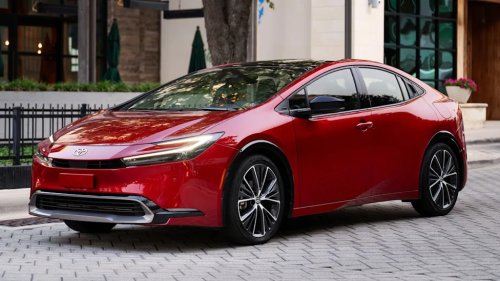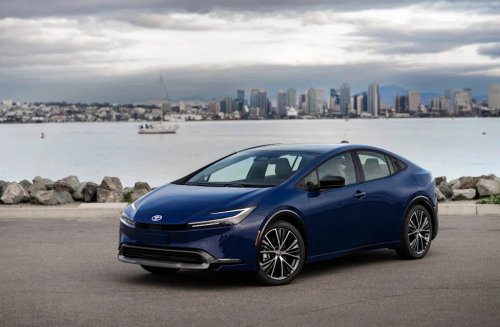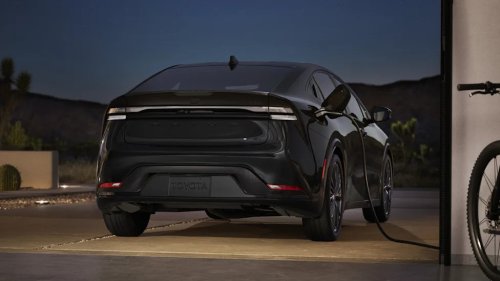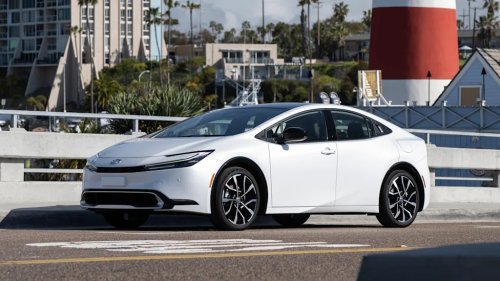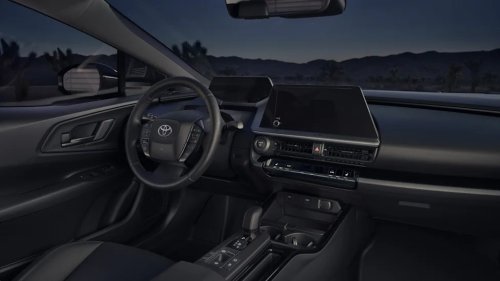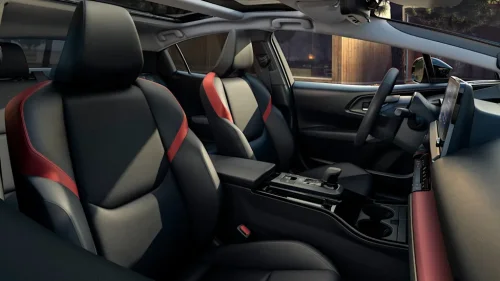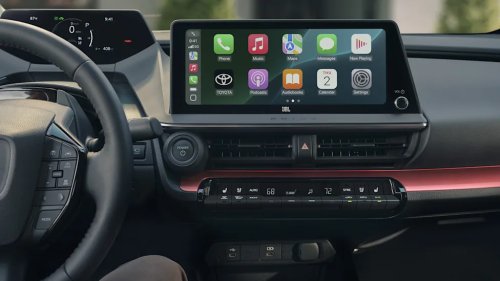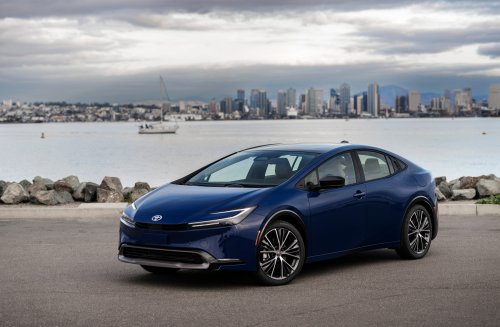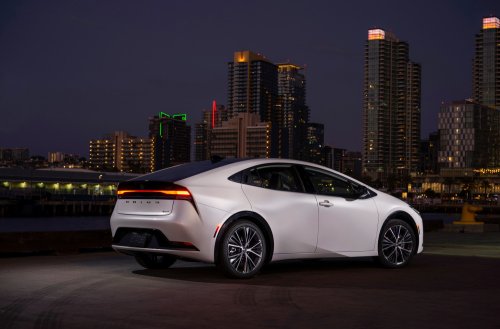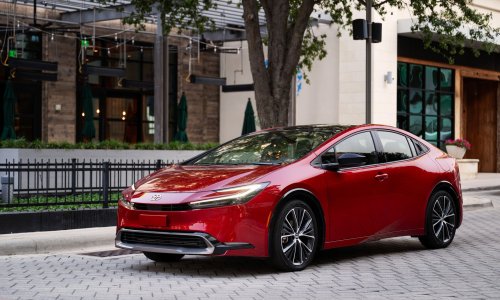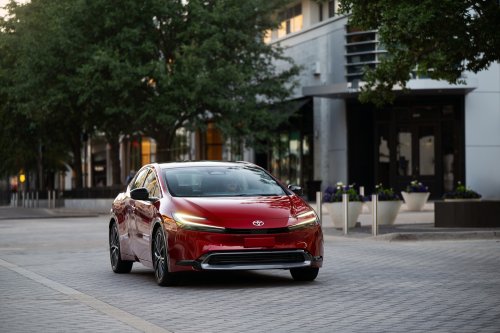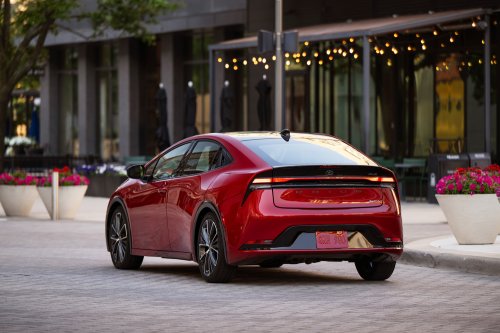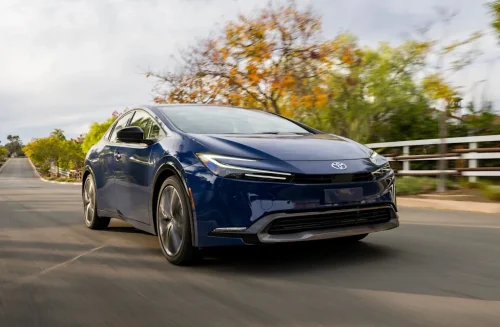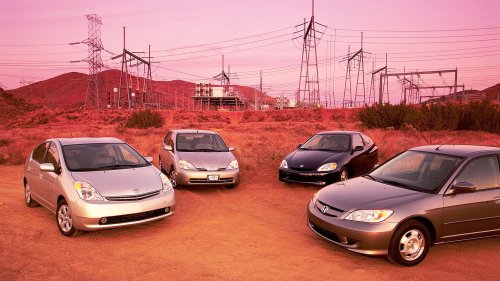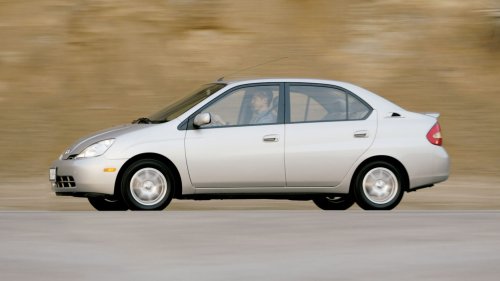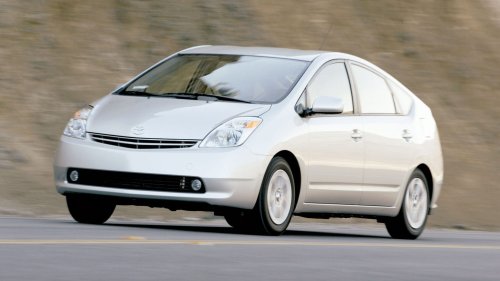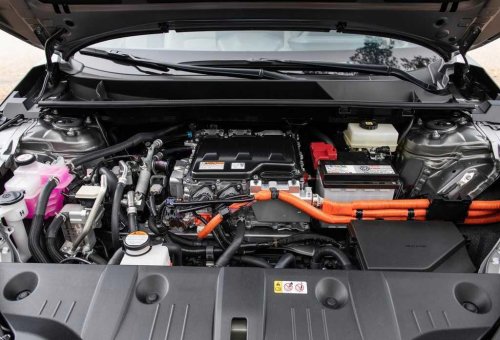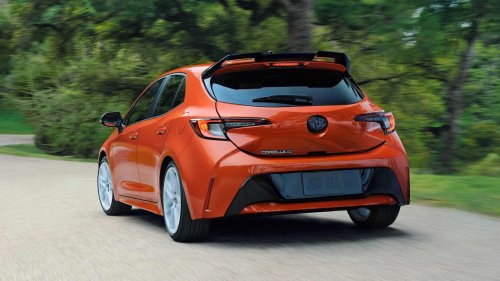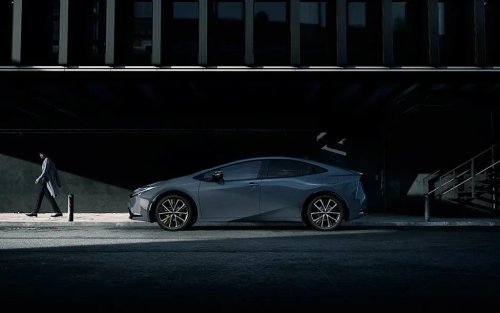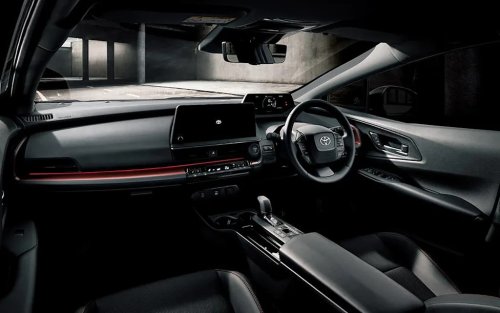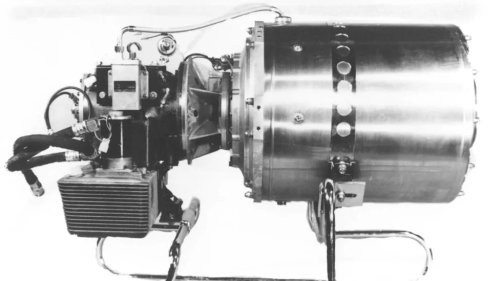
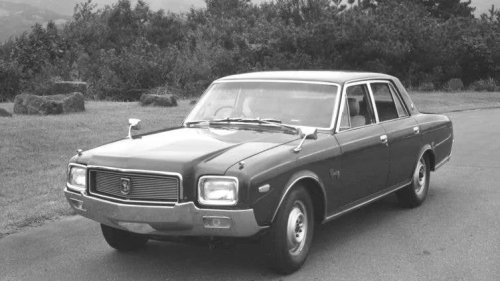
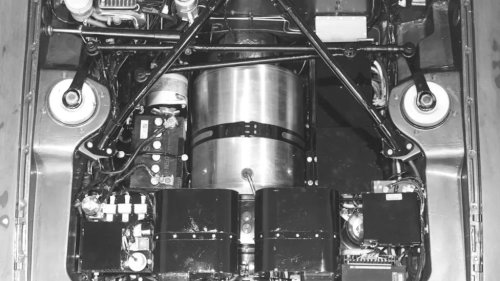
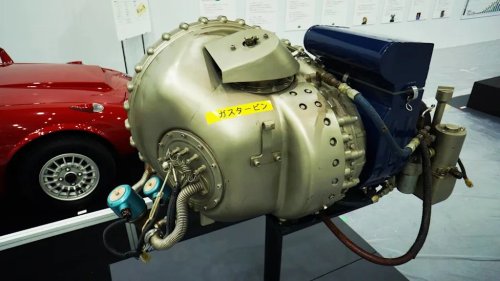
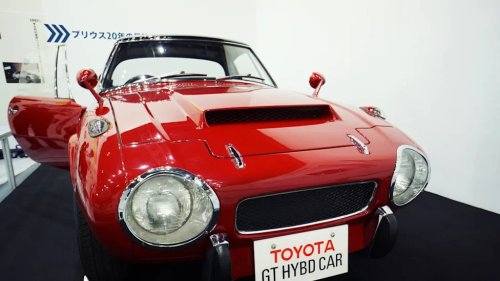
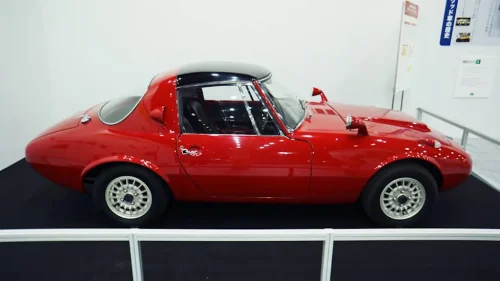


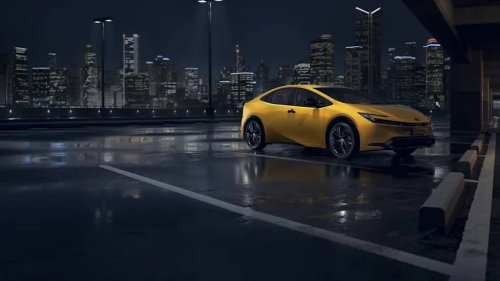



















Autoblog and Yahoo may earn commission from links in this article.The Toyota Prius first hit the Japanese market in 1997 before moving onto the global stage just three years later. The world's first mass-market hybrid didn't appear out of nowhere, though. The ecofriendly commuter car's origin story began more than half a century ago, and while the prototype indeed featured a battery-based hybrid system, it's far from what you might expect. In 1965, Toyota began working on fitting gas engines with a turbine and, in doing so, kicked off more than two decades of refinement and experiments.ToyotaGas-turbine Toyota Century HybridToyota's foray into hybrid technology began in 1965, but it would be a full decade before a prototype made it into the public eye. Engineers worked solely on developing a gas-turbine hybrid powertrain until 1969. At the 1975 Tokyo Motor Show, the Japanese automaker unveiled what looked like a normal Century sedan. While the flagship model may not have looked any different, under the hood sat a gas-turbine engine.Toyota UK MagazineUnlike other alternative propulsion experiments of its day, the Century prototype's gas-turbine engine wasn't connected to the rest of the drivetrain. Rather, it was used to charge 20 12V batteries that powered two electric motors attached to the front wheels. Notably, gas-turbine engines can utilize nearly any fuel source. When fueled with kerosene, the gas-turbine Century could achieve a top speed of 99 mph. On battery power alone, it could reach up to 75 mph.AdvertisementAdvertisementWhile others had tried and failed to make other hybrid powertrain prototypes, Toyota succeeded by addressing the additional weight of a large battery pack with a lightweight powerplant. As for why Toyota chose the Century as its test vehicle, the answer is simple; it was one of the few models on the automaker's lineup with a large enough engine bay.ToyotaThinking about selling your car? Get an instant cash offer online now. Click here to get started.Toyota Sports 800 Gas-Turbine HybridFollowing the unveiling of the gas-turbine Toyota Century, the Japanese automaker continued to refine its system. Two years later, the updated powertrain made its debut under the hood of the Sports 800. Unfortunately, the system appeared to have taken several steps backward. While it may have been smaller, it also nearly doubled in weight and lost a third of its output, dropping from 45 to 30 horsepower.ToyotaMuch like in the Century, the gas-turbine powerplant didn't directly power the wheels. Instead, it generated power that was converted into electrical energy via a generator. From there, it went to the energy control unit where it was converted once again. Finally, it made its way to either the battery or electric motor. Unlike in the Century, the Sports 800 prototype featured a single-motor setup that powered the rear wheels.1977 and beyondToyota continued developing its gas-turbine experiments for another six years. In 1983, the automaker determined that the single-shaft hybrid powertrain needed further development to be even remotely viable. Fortunately, Toyota had been developing a twin-shaft gas-turbine system alongside the single-shaft version, although it was intended for use in public transportation, like buses, rather than in personal vehicles.ToyotaThe Japanese manufacturer ultimately diverted its resources by separating development of its gas-electric hybrid system from its gas-turbine powertrain. While the former went on to utilize efficient gas-powered engines and electric motors, the other continued refining the gas-turbine system.AdvertisementAdvertisementIn 1987, Toyota unveiled the GTV concept at the Tokyo Motor Show. It would become the final prototype to feature the automaker's gas-turbine powertrain. While it received official certification for use in public transportation, the jet-powered system was never utilized commercially.ToyotaInterestingly, 1977 wasn't the last time we'd see the Sports 800 prototype, though. The model reappeared at the 2009 Tokyo Motor Show. There, it donned a black roof, alloy wheels, and a large vent in the hood.Shopping for a new car? Click here to get a great deal on your next vehicle. Powered by Carvana, no haggle pricing, 100% online.Unveiling the Toyota PriusWhile Toyota's gas-turbine hybrid system ultimately never saw mass production, some good did come out of the concepts. The GTV concept, for example, featured a continuously variable transmission (CVT) on which the Prius' transmission is based. While the Prius was welcomed with open arms in Japan following its 1997 launch, the rest of the world remained skeptical. The model featured a futuristic design, and its acceleration was rather dismal, racing to 60 mph in around 14 seconds.ToyotaWhile the Toyota Prius arrived in North America in 2000, it wasn't until 2003 that the Japanese manufacturer gave the hybrid several notable upgrades. The second-generation Prius brought revised styling, including the iconic liftback, and an upgraded hybrid system that increased efficiency to 46 mpg in combined city and highway driving. The updated Prius proved to be a massive success, easily surpassing the first-generation model in sales.AdvertisementAdvertisement"It was the second gen that really changed the perspective and made it more of a mainstream vehicle," said Heather Updegraff, then-GM of Toyota Vehicle Marketing and Communication.ToyotaFinal thoughtsToday, hybrids are all over the road, and almost every Toyota model is available with some sort of electrified powertrain. Much of the the gas-electric powertrain's global success is owed to the second-generation Prius, but its origins begin more than 30 years prior to its unveiling. Without gas-turbine vehicles, the Prius as we know it may not exist.ToyotaToyota may have ended its experiment with gas-turbine powerplants nearly four decades ago, but the fruits of their research and development can't be ignored. Their exploration into alternative methods of propulsion paid off in more ways than one. It wasn't long after the Prius hit the market that automakers from around the globe unveiled their own hybrid vehicles, essentially sparking a gradual industry-wide transition that would set the stage for the next generation of vehicles.Disclaimer: Autoblog aims to feature only the best products and services. If you buy something via one of our links, we may earn a commission.AdvertisementAdvertisementThis story was originally published by Autoblog on Jun 29, 2026, where it first appeared in the Features section. Add Autoblog as a Preferred Source by clicking here.