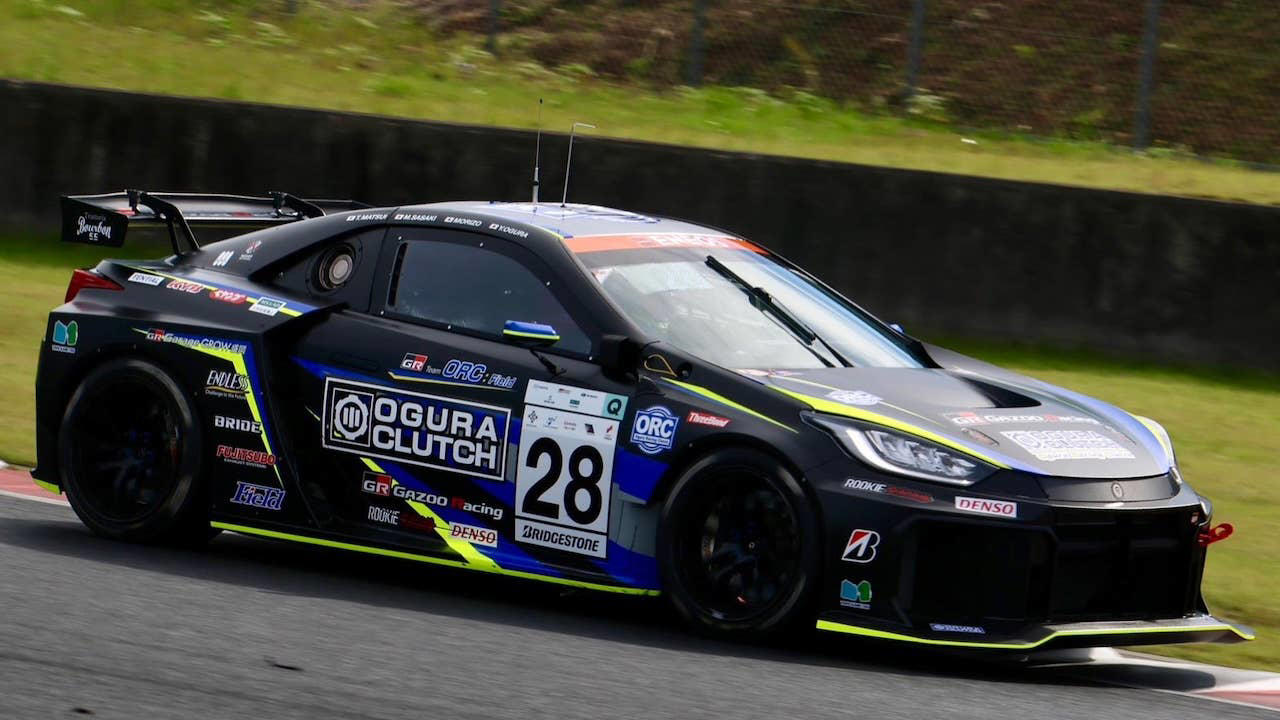
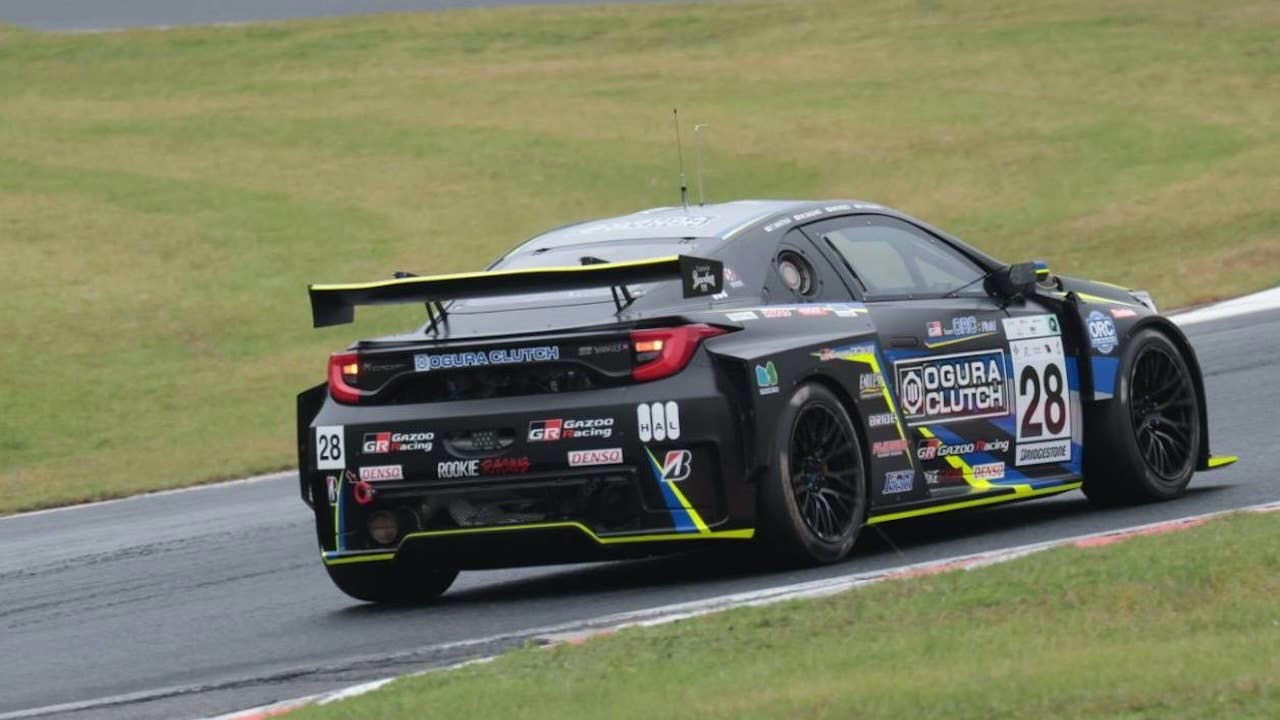
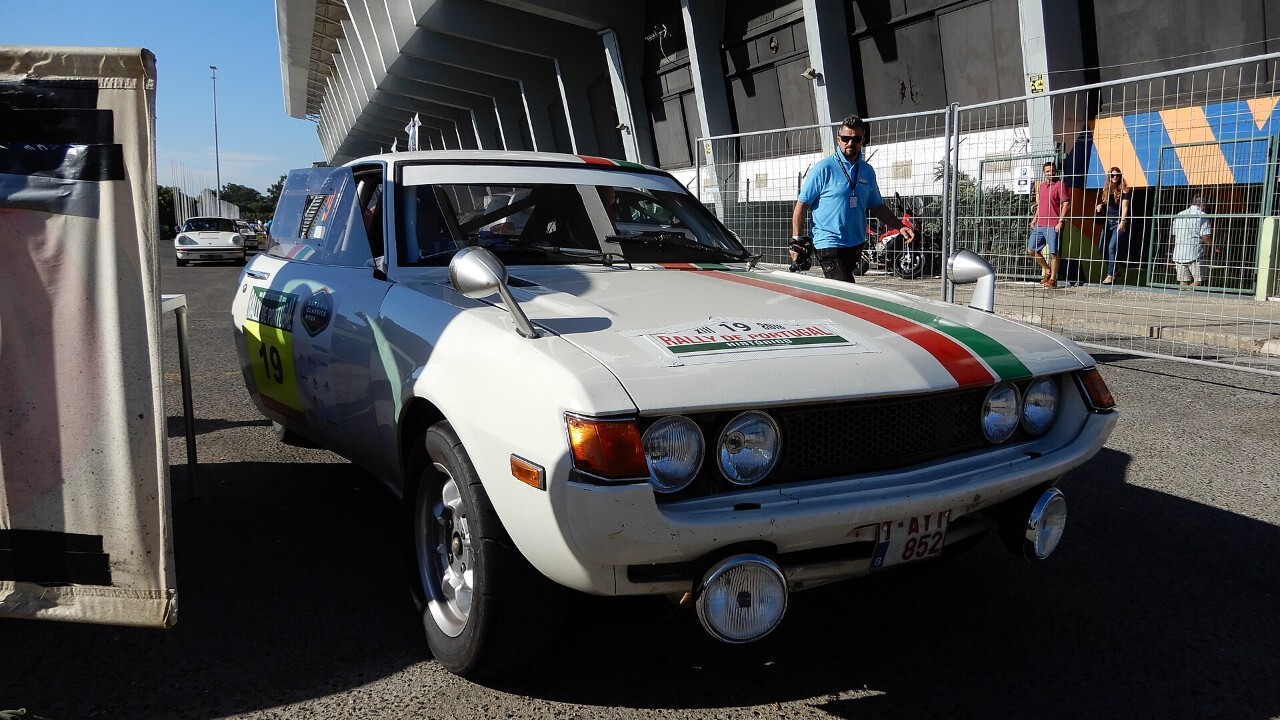
Toyota has found a cheap way to stay in the headlines, which is to say very little and let enthusiasts do the heavy lifting. Gazoo Racing president Tomoya Takahashi told Automotive News at Fuji Speedway that Toyota has never promised a road-going GR Celica, then politely invited everyone to keep guessing anyway. What is confirmed is a Celica for the 2027 World Rally Championship, a smart way to warm up the crowd. The Celica disappeared in 2006 after a 35-year run, and Akio Toyoda has repeatedly expressed interest in reviving the name. That still doesn’t mean Toyota has committed to building one for the road. One Engine Could Power Both Cars The real clue sits under the hood. Toyota’s new G20E is a turbocharged 2.0-liter four-cylinder designed to sit across or along the car, ahead of the cabin or behind it. Short version: one engine and many layouts. Toyota is targeting over 400 hp, and an unrestricted motorsport version could pass 600 hp. That flexibility means a front-engined Celica and a mid-engined sports car could share a heart without sharing a body. For a company concerned about an increasingly crowded lineup, that kind of parts sharing would make sense. There is good news for purists too. The mid-engined test car swapped an eight-speed automatic for a six-speed manual. Nobody has promised it for production, but at least it’s in testing. The MR2 Is Still A Maybe Many fans assume the mid-engined car becomes the MR2 successor, which left showrooms in 2007 after three generations. Toyota hasn’t said so. It hasn’t confirmed a road-going Celica either, so right now there are two empty slots that Toyota’s been teasing. The GR Yaris M Concept initially gave enthusiasts a glimpse of Toyota’s mid-engine ambitions, while the coupe prototype that followed made an MR2-style successor seem considerably more plausible. Takahashi said earlier this year that a mid-engined car shouldn’t be expected within four to five years, so patience is mandatory. There’s another obstacle beyond engineering. Toyota’s leadership has acknowledged that the company already has too many models, making a lineup featuring the Celica, MR2, Supra, GR86 and GR GT difficult to justify. Sharing an engine might make two sports cars easier to develop, but it doesn’t automatically make them profitable. Toyota may have the hardware to revive two of its most beloved sports cars, but whether it has room for both in its future lineup is another question. Tokyo Auto Salon in January 2027 could offer the next clue.