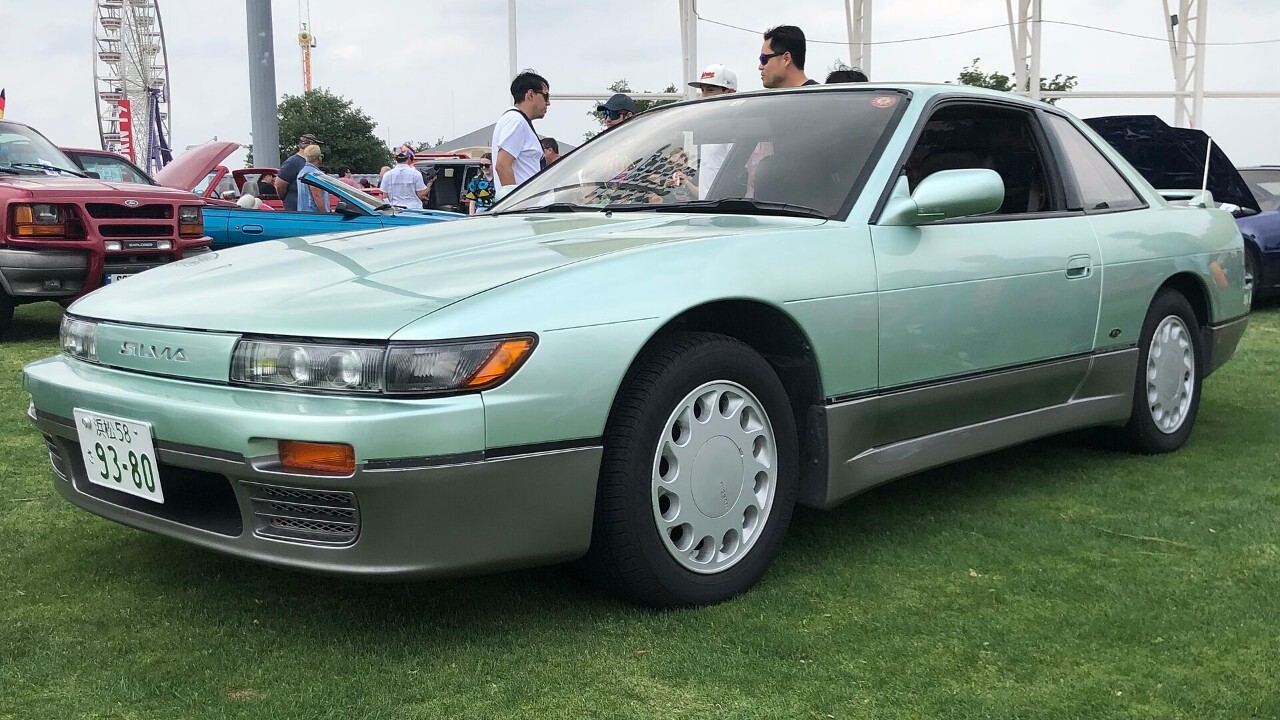
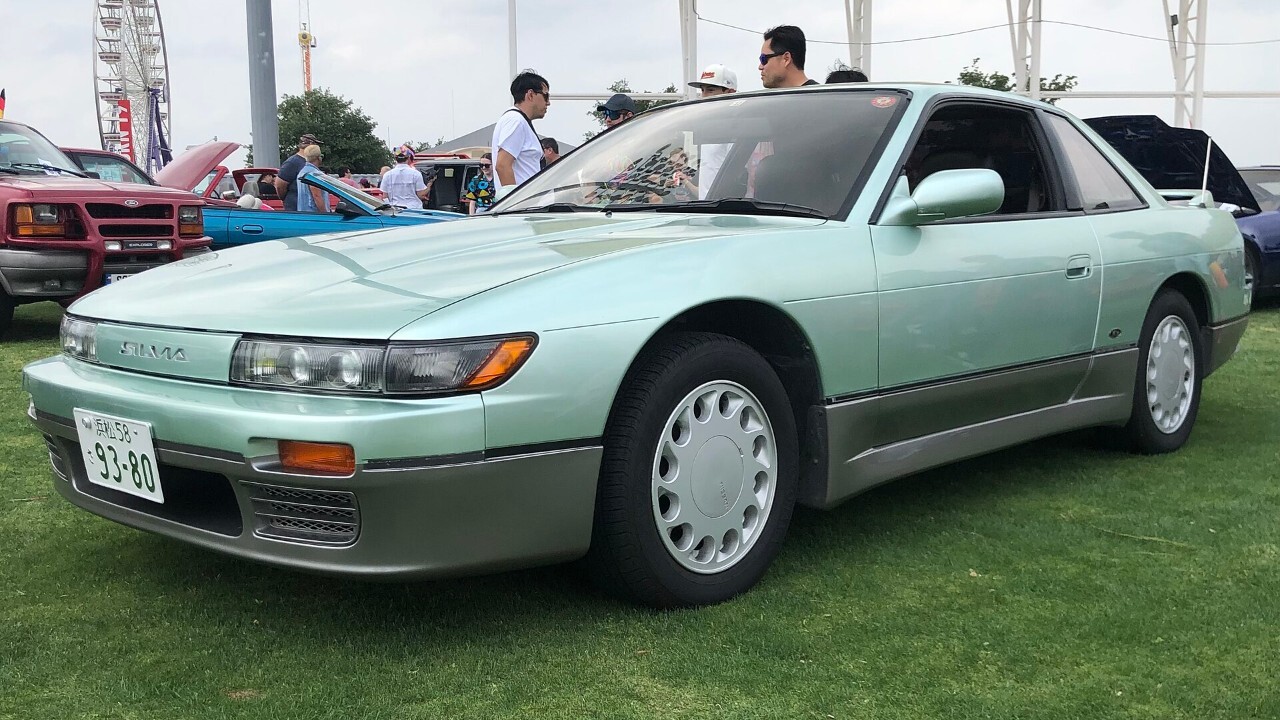
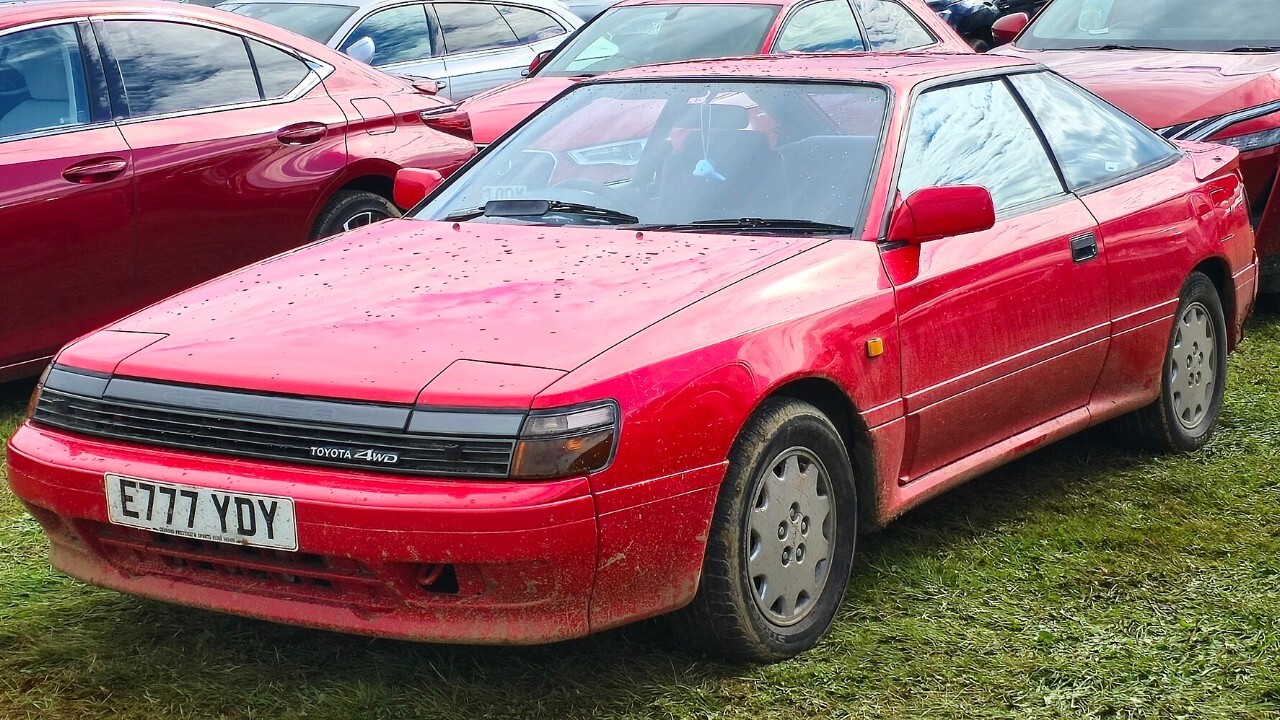
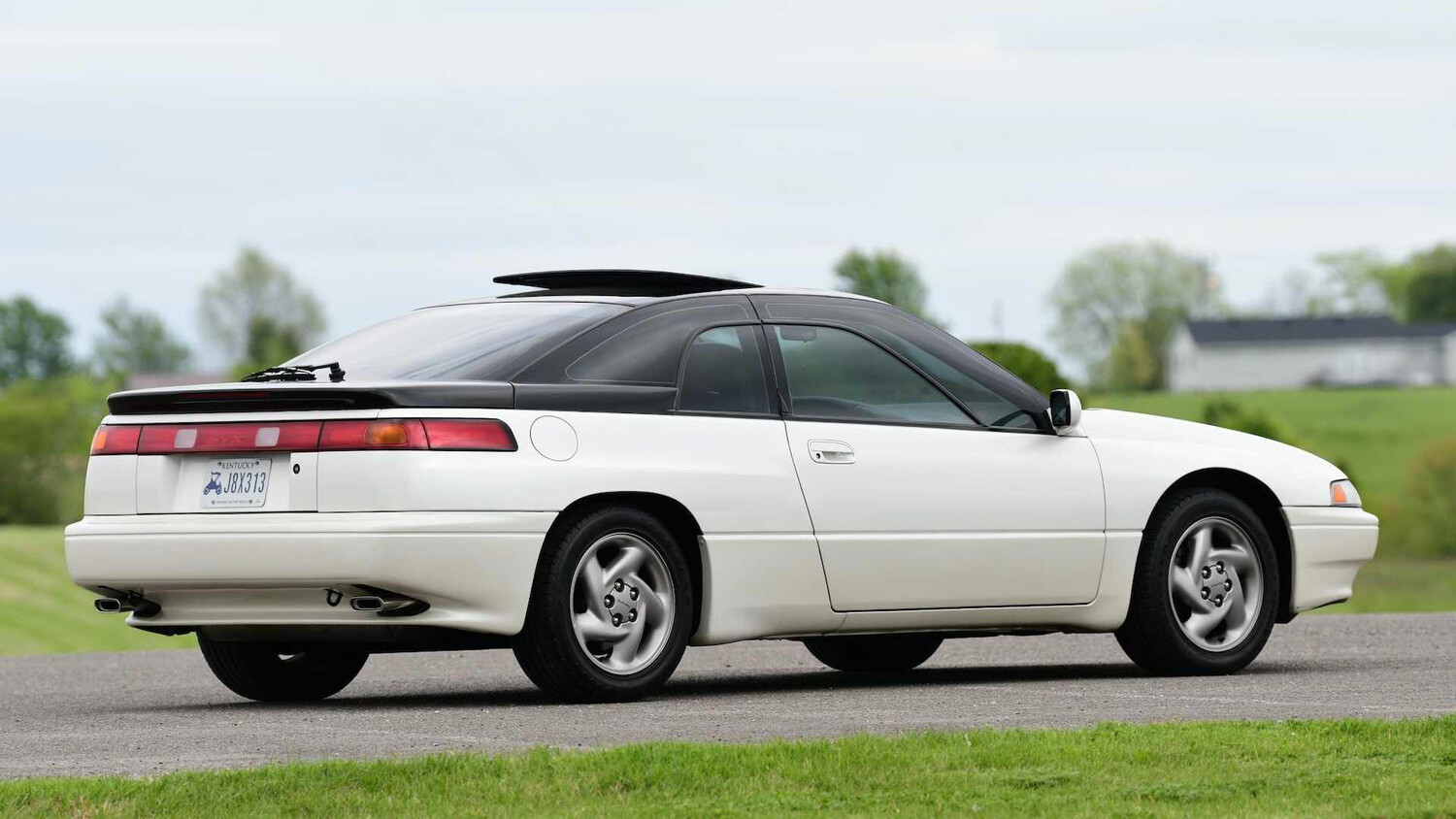
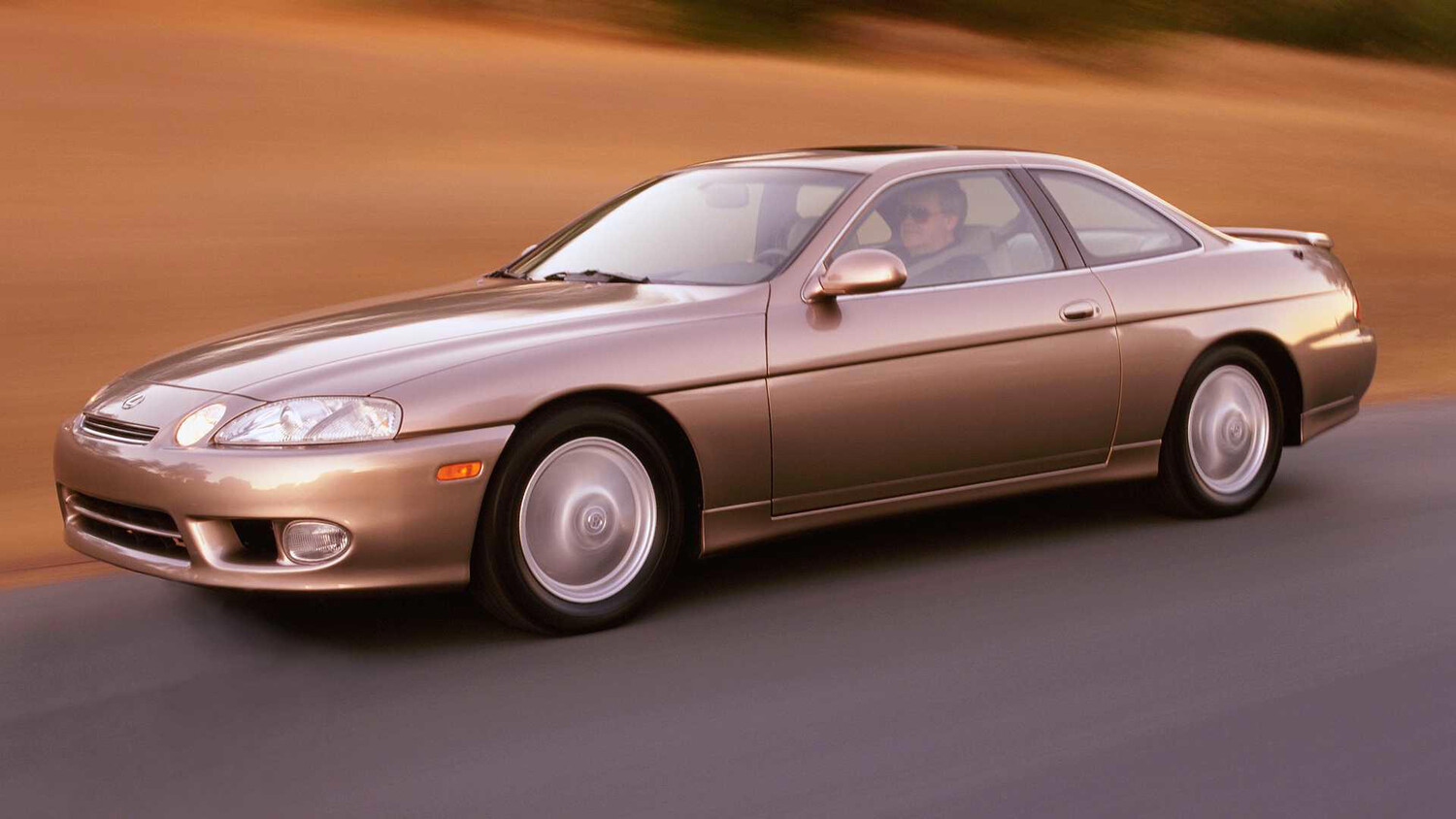
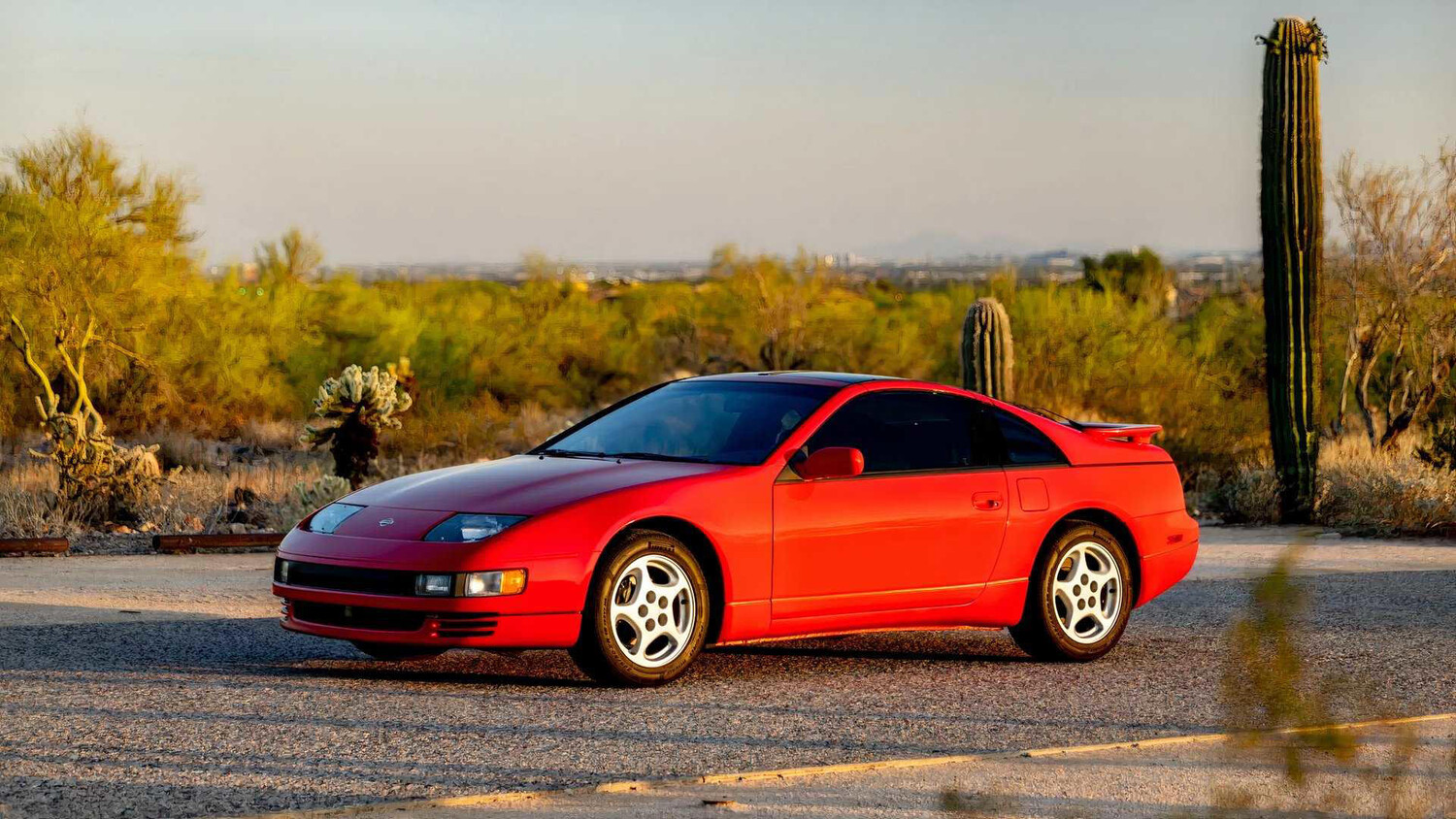
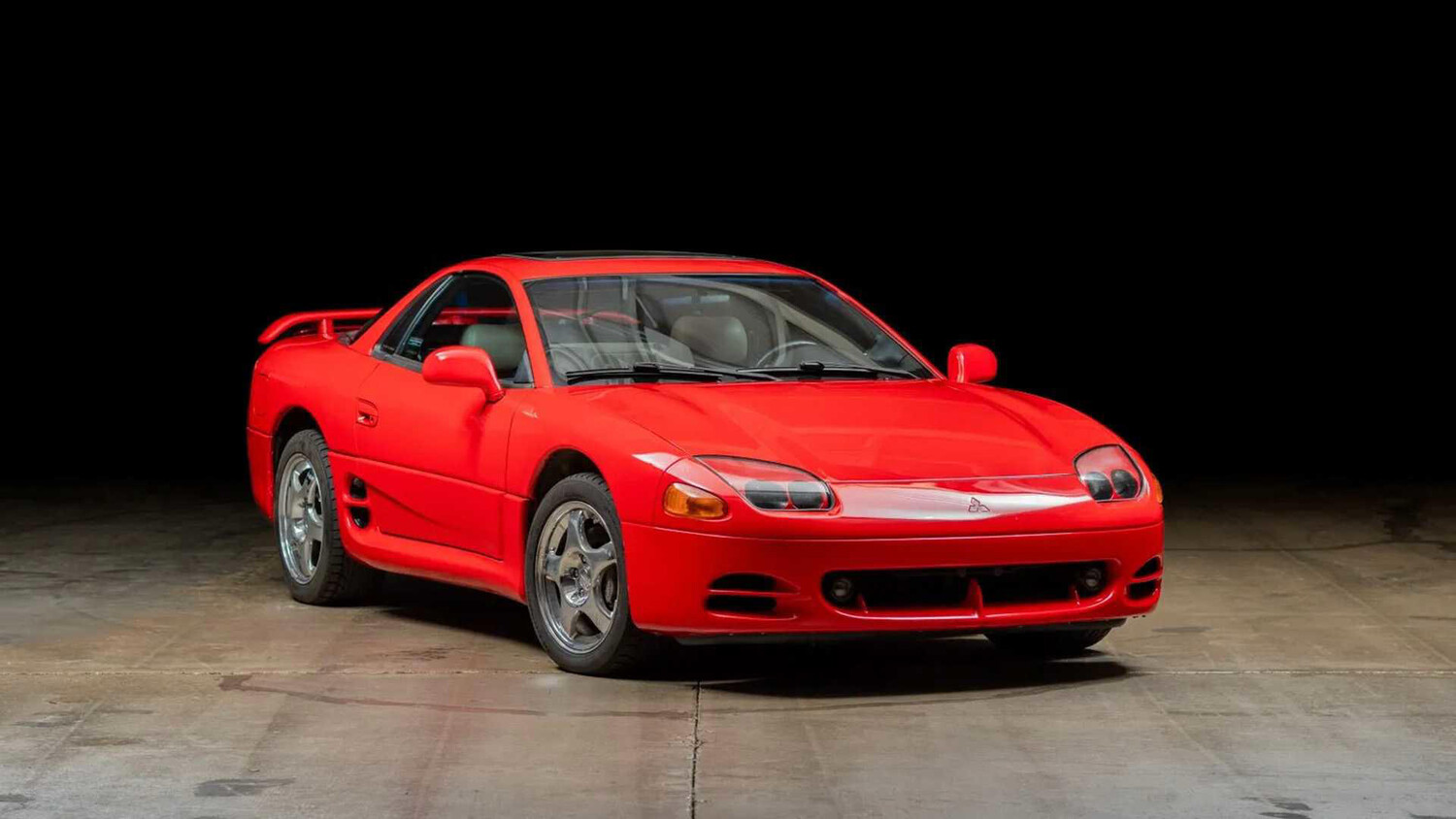
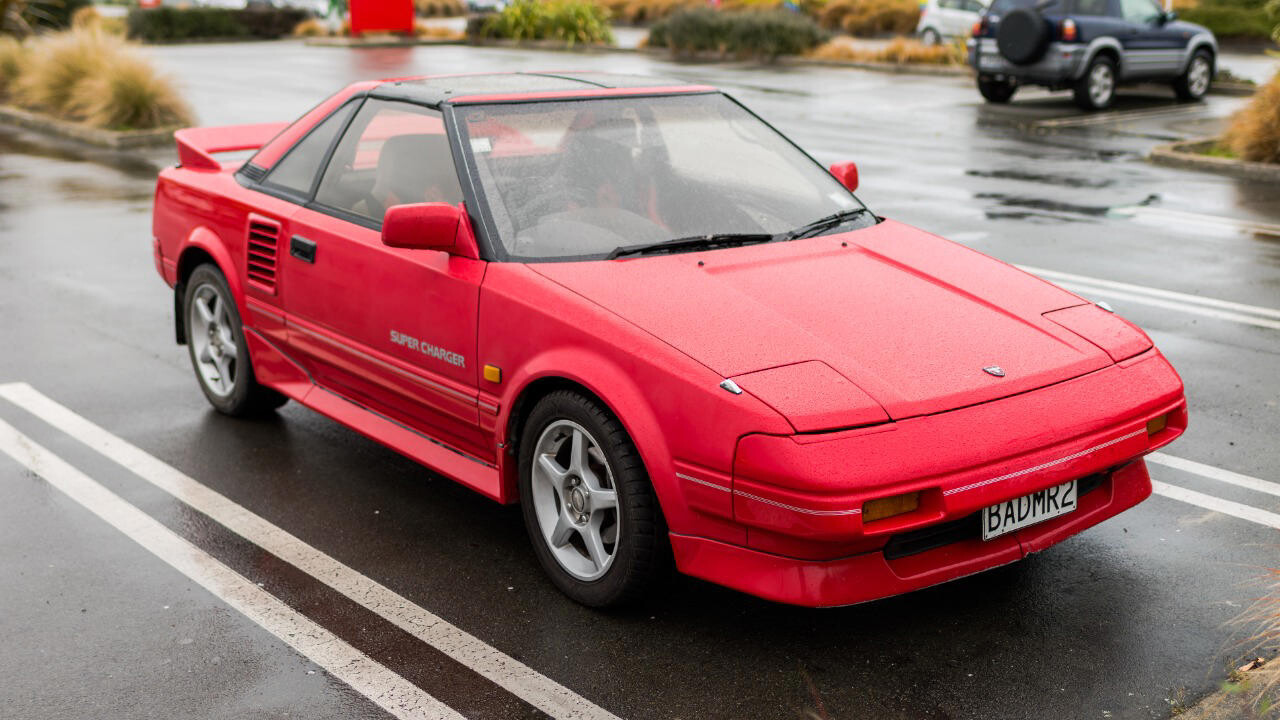
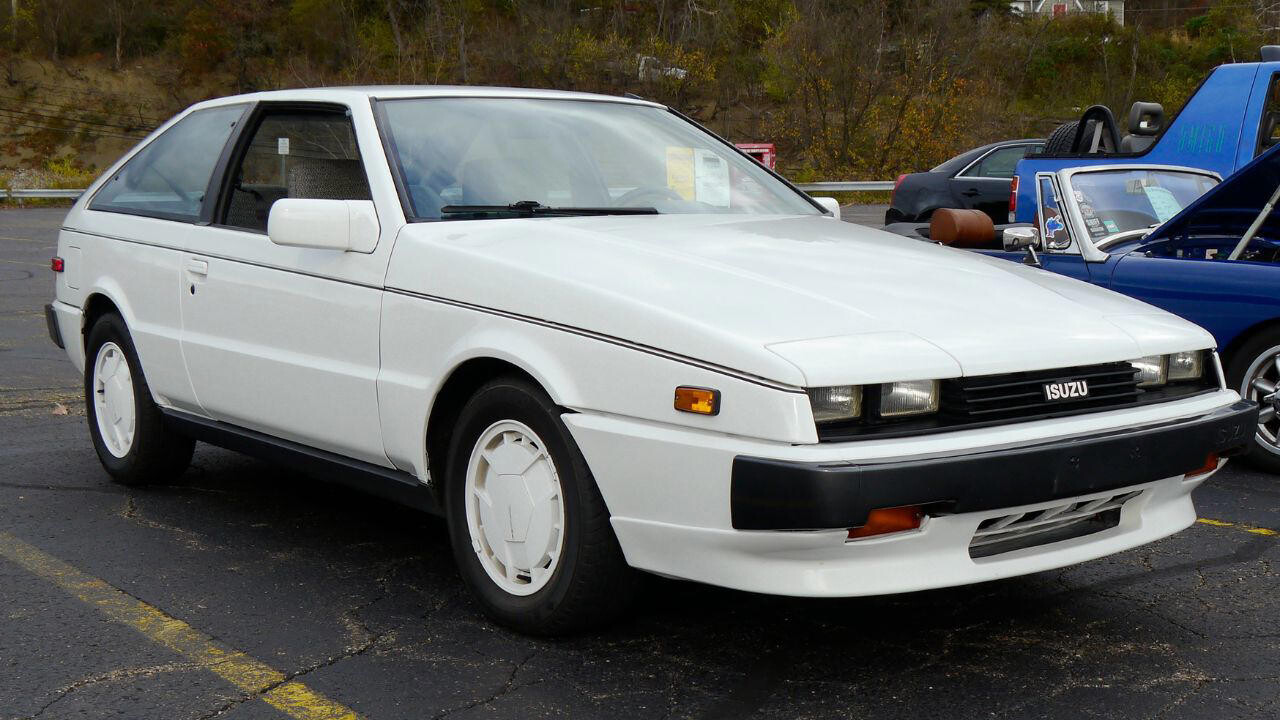
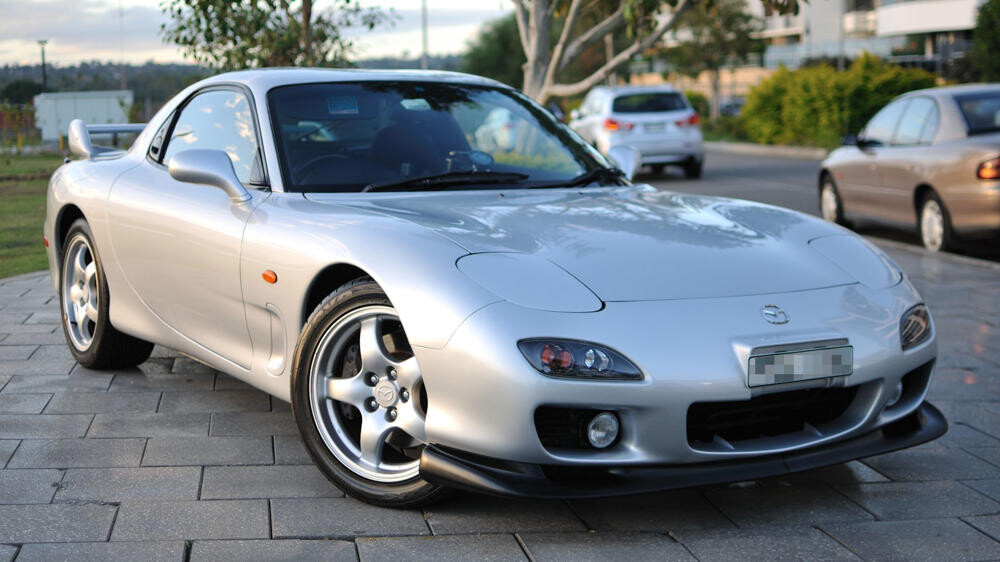
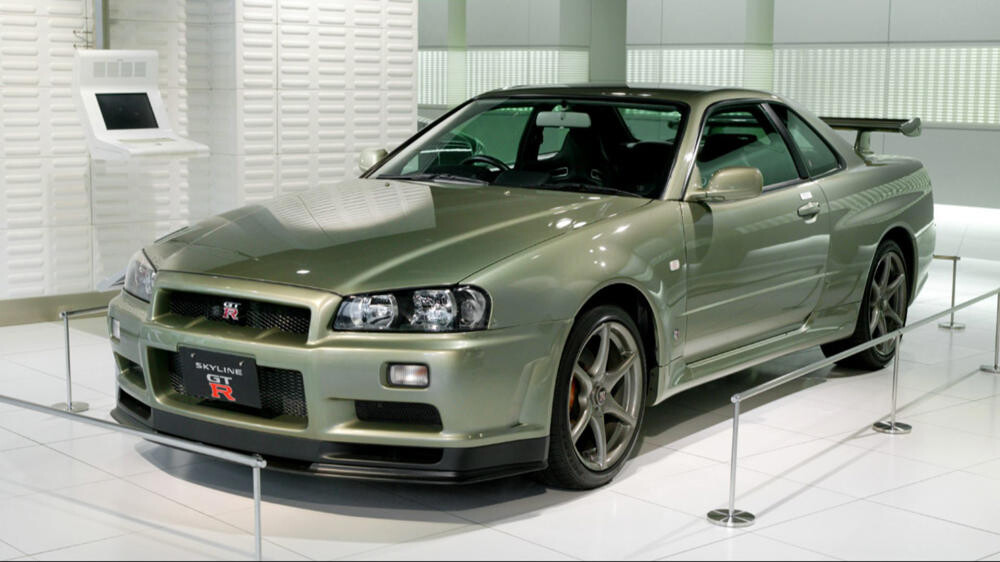
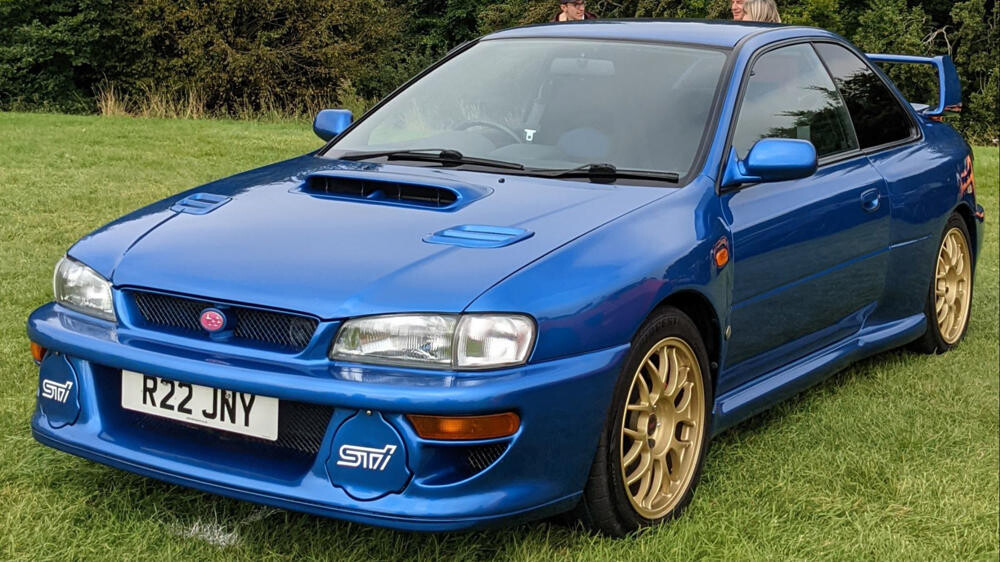
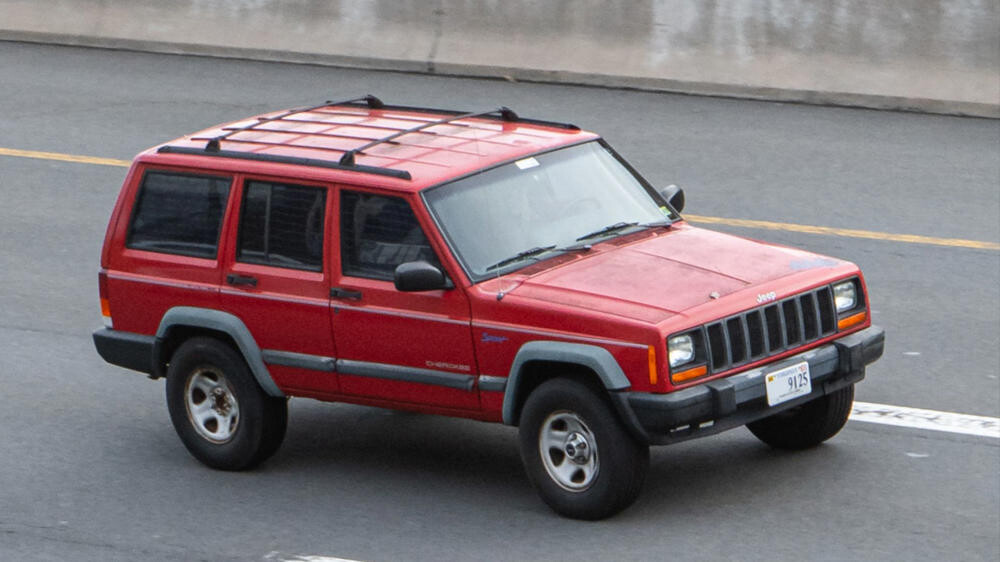
In 1981, the first Toyota Soarer won Car of the Year Japan, and it signaled a shift. Over the next 15 years, Japanese makers built sports cars and grand tourers packed with turbochargers, rotary engines and gadgets nobody else offered. Many never left Japan, so they feel even more special today. Some of these cars were fast, and some were simply clever. What links them is a feeling you get from the driver’s seat, even on a trip to the store. In other words, they make an ordinary errand feel like an event. These are our picks, 12 Japanese sports cars that we think make every drive feel special. The verdicts are our opinion. However, the engines, dates and production figures come from the references linked in the list. 1. 1983 Toyota Celica Supra GT P-Type The second-generation Celica Supra arrived for 1982 and gave Toyota a proper grand tourer for the American market. It also wore pop-up headlights and a long, sharp nose. Underneath, Toyota fitted four-wheel independent suspension that Lotus helped tune, plus four-wheel disc brakes. The P-Type was the one to have. It added fiberglass fender flares, eight-way adjustable sport seats, 14×7-inch alloy wheels and a standard limited-slip differential. For 1983, the 2.8-liter 5M-GE twin-cam six made 150 horsepower. Toyota also shortened the final drive to 4.10:1 that year, and leather became available for the first time. Critics noticed, too, and the praise came quickly. Motor Trend named this generation its Import Car of the Year, and Car and Driver put it on its Ten Best list for 1983 and 1984. Our take: the P-Type feels like a 1980s Japanese GT should, smooth and solid with a hint of muscle in those flares. It isn’t brutally quick, but it makes a highway drive feel like a road trip. If you want one, look for an unmodified P-Type with its original seats and flares intact. 2. 1985 Toyota Sprinter Trueno GT Apex AE86 Toyota sold two versions of the AE86 in Japan, and the headlights tell them apart. The Corolla Levin used fixed lamps, while the Sprinter Trueno got pop-ups. Production ran from May 1983 to July 1987, and the 1985 car belongs to the early “zenki” run before the facelift. The GT Apex was the top trim. It came with brown-tinted glass unique to that model, power mirrors and a five-speed manual as standard. In Japan, its 1,587cc 4A-GEU twin-cam four made 130 PS. That isn’t much on paper, yet it was enough. However, the car’s light weight and rear-wheel drive turned that modest output into pure fun. Then manga made the car famous. In Initial D, Takumi Fujiwara drives his father’s AE86 Trueno GT Apex liftback on tofu deliveries before he starts racing it. As a result, a car that began as a sporty Corolla became one of the most recognizable shapes in car culture. In our view, the Trueno GT Apex rewards you at legal speeds, which is the whole point of this list. Prices have climbed with the fame, so check for rust in the rear arches and avoid heavily modified examples. 3. 1986 Toyota Soarer Twin Turbo The second-generation Soarer arrived in January 1986 and stayed in production until April 1991. It was sold in Japan, and it shared its platform with the new A70 Supra. However, the Soarer aimed higher, at buyers who wanted a fast coupe that also felt like a luxury car. The Twin Turbo name refers to the 1G-GTEU, a 2.0-liter six with two small turbochargers. Above it, Toyota also offered a 3.0-liter turbo six. Inside, the Soarer leaned hard into technology. It had a digital speedometer, and the Electro MultiVision screen could respond to touch. Meanwhile, TEMS electronically controlled dampers carried over from the first car, and the GT Limited could be ordered with an air suspension. The first Soarer had already won Car of the Year Japan in 1981, so expectations were high. Toyota met them with a car that felt years ahead of its rivals on the inside. Our take: the Toyota Soarer is the car on this list we’d pick for a long night drive, because it was built for exactly that. It’s quiet, quick and full of 1980s screens that still feel like science fiction. Since it was a Japan-market car, check import paperwork and parts supply before you buy. 4. 1984 Nissan 300ZX 50th Anniversary Edition Nissan launched the Z31 300ZX in 1983, and it built 329,900 of them through 1989. For 1984, it added a special 50th Anniversary Edition. Nissan built 5,148 for the U.S. and 300 for Canada, and every one wore a Light Pewter and Thunder Black paint scheme. The equipment list reads like a 1984 wish list. For example, the digital dash showed average mileage, G-force and a compass. Meanwhile, the driver could adjust the shocks electronically from the cabin. Bodysonic speakers sat inside the seats, and mirrored T-tops covered the roof. Outside, the car got flared fenders over 16-inch alloy wheels and a 50th AE badge on the driver’s front fender. Power came from the turbocharged VG30ET V6, rated at 200 horsepower in U.S. cars. The VG family was also Japan’s first 60-degree V6, so the engine was news in its own right. In our view, this is the most 1980s car Nissan ever built, and that’s why we love it. Even a short drive feels like a light show. Before you buy, make sure the digital dash and adjustable shocks work, since those parts are the hardest to replace. 5. 1991 Isuzu Impulse RS Turbo Isuzu doesn’t come to mind as a sports car brand, and that’s what makes the Impulse RS such a good surprise. For 1991, Isuzu added a turbocharged engine and all-wheel drive to its second-generation Impulse. As a result, a small coupe got a big trick up its sleeve. The 1.6-liter twin-cam four made 160 horsepower and 150 lb-ft of torque in turbo form. Every second-generation Impulse also got a suspension tuned by Lotus, with stiffer dampers, bigger sway bars and revised springs. On top of that, Isuzu used its own Nishiboric passive rear steering, which adjusted rear toe as the suspension moved. The turbo car didn’t last long, though. In fact, Isuzu dropped it for 1992, which makes the RS a short-lived oddity. Its American cousin, the Geo Storm, shared the same basic body without the turbo and all-wheel drive. Our take: the Impulse RS Turbo is a little rally car in a business suit. It grips hard, it’s light, and almost nobody will know what it is at a cars-and-coffee. If you find one, expect a long parts hunt for trim and turbo pieces. 6. Nissan 180SX Type X The 180SX shared the S13 chassis with the Silvia but wore a fastback body with a liftgate and pop-up headlights. It was rear-wheel drive and sold in Japan from 1989 to 1998. As a result, it stayed in production for roughly a decade. Early cars used the 1.8-liter CA18DET turbo four rated at 175 PS. From 1991, Nissan switched to the 2.0-liter SR20DET, rated at 205 PS. The Type X became the top trim in the final series from August 1996. It used the same turbo engine as the Type R but added a front lip, rear spoiler, side skirts, a rear valance and 15-inch alloys. Type X production ended in October 1998, which closed the book on the pop-up S13 shape after nearly a decade. The 180SX also inspired a cult hybrid. Later, Kid’s Heart built 500 official Sileighty cars, which wore Silvia front ends on 180SX bodies. In our view, the Type X is the best-looking 180SX. However, clean, stock examples take patience to find. If you’re shopping, pay more for an unmodified car with its body kit intact. 7. 1994 Subaru Alcyone SVX Version L Giorgetto Giugiaro styled the SVX, and the car reached showrooms looking almost exactly like the concept shown at the 1989 Tokyo show. Its signature is the window-within-a-window glass. According to Hagerty, that design cut wind noise and improved visibility. Power came from a 3.3-liter flat-six making 230 horsepower, with all-wheel drive and a four-speed automatic. There was never a manual, though. Hagerty also notes the SVX sat nearly $10,000 above any other Subaru on the price sheet, which hurt sales. In the end, Subaru sold 24,379 worldwide before production ended in December 1996. In Japan, it wore the Alcyone SVX name, and the Version L was one of the home-market trims. That price problem is now your opportunity, because the car never became a common sight. After all, the SVX is one of the most distinctive grand tourers of the 1990s, and it looks like nothing else on the road. Our take: the SVX makes a commute feel like a flight in a small jet, thanks to that canopy of glass. If you want one, buy the best-documented example you can find, and have the automatic gearbox checked by a specialist. 8. Mazda RX-7 Type R Bathurst The third-generation RX-7 was Mazda’s purest sports car of the 1990s, and the Type R Bathurst was one of its final flourishes. Mazda released the Bathurst R in 2001 as a Japan-only special edition based on the Type R. It celebrated the RX-7 SP’s win in the 1995 Eastern Creek 12 Hour in Australia. The twin-turbo rotary made 280 PS, the same as the Type R. However, the Bathurst models weighed 1,280 kilograms, 30 less than the regular Type R in the published trim tables. Mazda also fitted adjustable dampers, a carbon-fiber shift knob, carbon interior trim, special fog lamps and a different parking brake lever. Those details are small, but together they make the cabin feel like a race-inspired special. Mazda’s own limited-edition counts for these cars vary depending on the source. Either way, they are rare outside Japan, since Mazda sold the edition only there. In our view, the Bathurst is the RX-7 to want if you love driving more than spec sheets. It’s lighter, sharper and a little more special than a standard car. Our advice: get a compression test on the rotary before you buy. 9. 1991 Mazda Eunos Cosmo The Eunos Cosmo is the only production car Mazda fitted with a three-rotor engine. Built from February 1990 to September 1995, it was sold only in Japan through Mazda’s Eunos dealers. Buyers chose the twin-rotor 13B or the triple-rotor 20B, and both used sequential twin turbochargers. It was also a technology showcase. As Japanese Nostalgic Car reports, the Cosmo’s CCS system offered built-in GPS navigation on a cathode-ray touchscreen in 1990. Mitsubishi Electric developed it together with map maker Zenrin, rather than Mazda alone. The option cost ¥650,000 over the Type E, about 14 percent of the car’s price. Mazda sold 8,875 Cosmos, and about 40 percent had the 20B, according to Curbside Classic. Mazda had even planned a U.S. launch under its Amati brand, but that never happened. So every Cosmo you see outside Japan today is a private import, which makes each one a conversation starter. Our take: the 20B Cosmo is a rolling time capsule of Japan’s boom years. It’s smooth, oddly luxurious and unlike anything else. Before buying, check rotor compression and the CRT screen, because both are costly to fix. 10. Nissan Silvia K’s The S13 Silvia arrived in May 1988 and won Car of the Year Japan that same year. Nissan offered it in three main trims: the base J’s, the better-equipped Q’s and the turbocharged K’s. While the 180SX used pop-ups, the Silvia wore fixed headlights, with projector lamps on the options list. Still, the K’s is the one enthusiasts remember. Early cars used the CA18DET turbo four with 175 PS. From January 1991, Nissan fitted the SR20DET instead, rated at 205 PS and 274 Nm of torque. Combined with rear-wheel drive and a five-speed manual, that made the K’s a natural fit for twisty roads. Nissan also built a limited Autech convertible version of the S13, with 603 produced. For most buyers, though, the coupe with the turbo engine is the one to chase. Coupe production lasted until 1993. In our view, the Silvia K’s has one of the cleanest shapes of the late 1980s. It’s balanced, light and endlessly tunable. The catch is finding one that hasn’t been crashed or heavily modified, so budget extra for a straight, original car. 11. 1987 Mazda RX-7 Turbo II Mazda showed the RX-7 Turbo II at the Chicago Auto Show in February 1986. It was the boosted version of the second-generation car, and it gave the rotary coupe the punch American buyers wanted. The turbocharged 13B made 182 horsepower in North American form. An air-to-air intercooler sat on top of the engine, fed by a dedicated scoop in the hood. In fact, that scoop is the quickest way to spot a Turbo II. Across this generation, Mazda also used its Dynamic Tracking Suspension System at the rear. For 1987, the Turbo II was in its second year and part of the early Series 4 run. That gives it the original look before the 1989 refresh. In our view, that clean early shape has aged beautifully, especially in a plain color without add-on spoilers. Our take: the 1987 Turbo II turns an ordinary on-ramp into a small thrill. The rotary loves to rev, and the chassis feels light on its feet. If you want one, have a rotary specialist check compression first, and look for a documented service history. 12. 1987 Toyota MR2 AW11 Toyota’s first MR2 put a small engine behind the seats and drive at the rear, a layout usually saved for exotic cars. Lotus engineer Roger Becker helped develop its suspension and handling. As a result, the AW11 handled like a much more expensive car, while keeping Toyota’s easy ownership. The 1987 model year brought two upgrades. First, a T-bar roof became available in North America and Europe with the 1987 facelift. Second, the naturally aspirated 1.6-liter 4A-GE was rated at 115 horsepower in North American form that year. Meanwhile, a supercharged 4A-GZE with 145 horsepower had joined the range in 1986. Then the awards stacked up. The MR2 won Car of the Year Japan at its 1984 launch, and Motor Trend named it Import Car of the Year for 1985. Car and Driver then put it on its Ten Best list for 1986 and 1987. That makes the 1987 car one of the honored years, and it has the open roof to match. In our view, a 1987 MR2 with the T-bar roof is one of the best ways to enjoy a summer evening on a back road. Before you buy, look for a rust-free car with records, and check the T-bar seals for leaks.

 Liked by Mia Macdonald, Carter Young
 Liked by Mia Macdonald, Carter Young