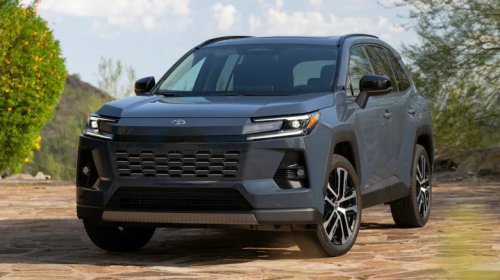
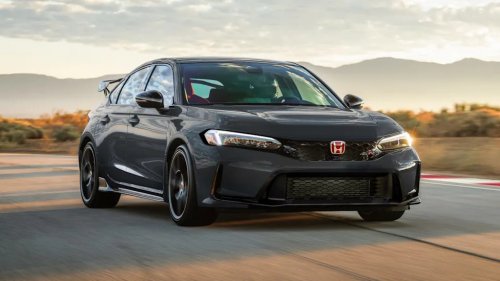
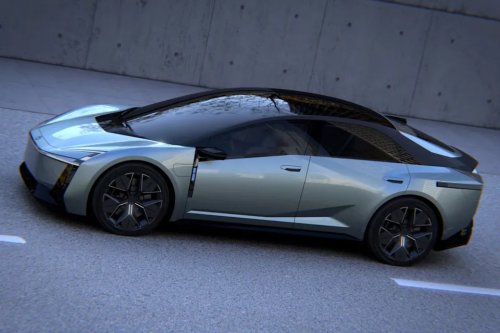
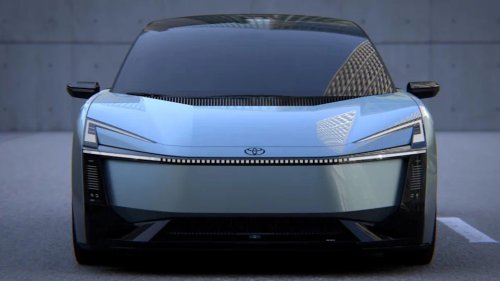
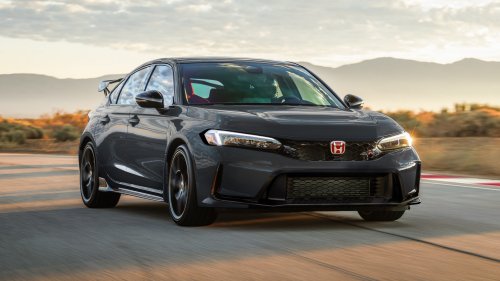
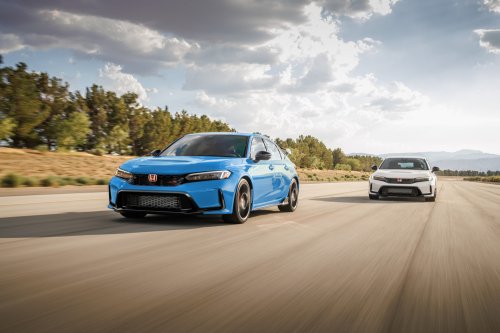
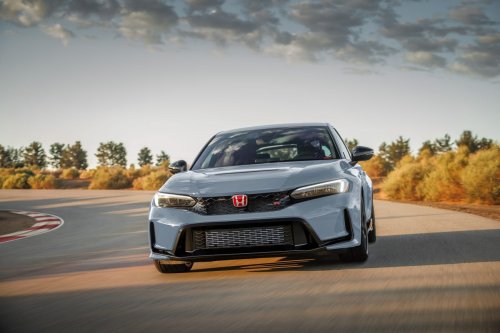
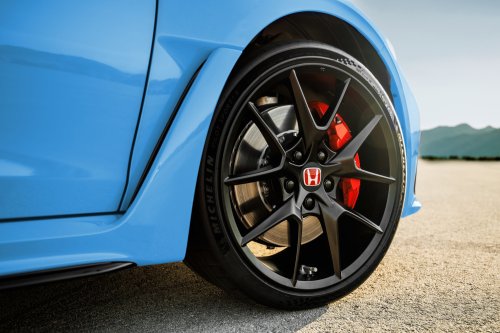
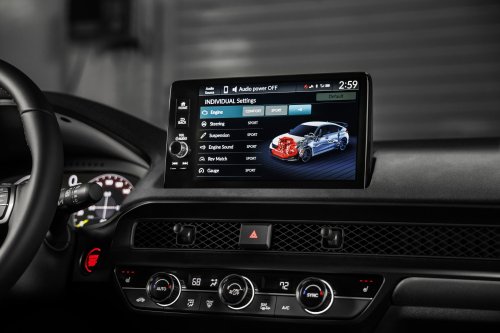
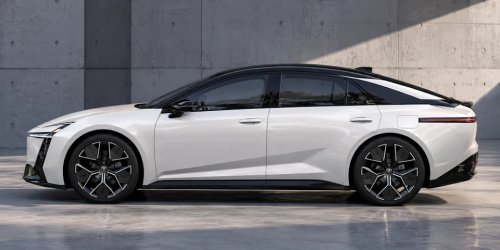
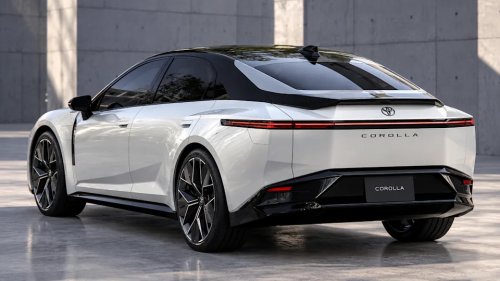
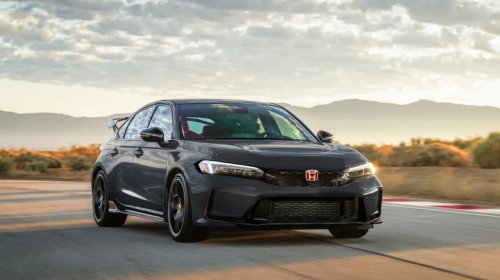
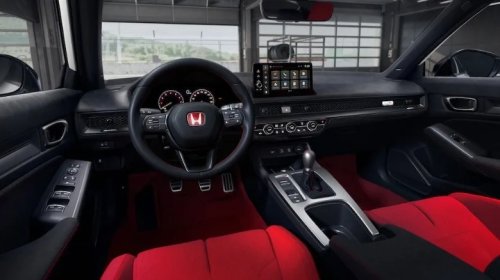
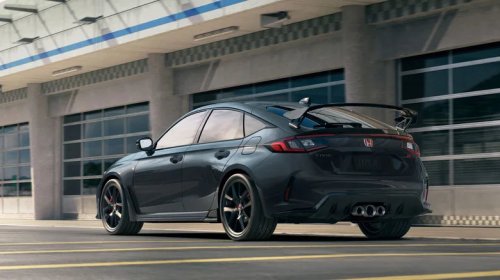
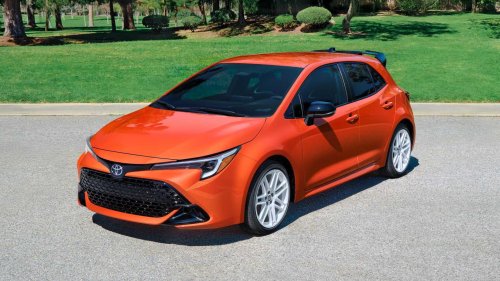
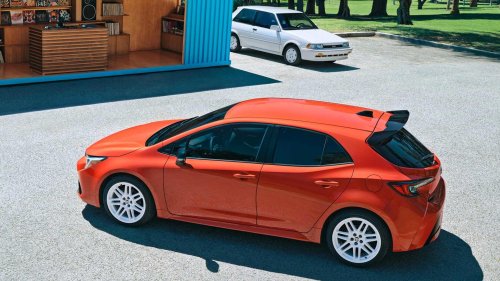
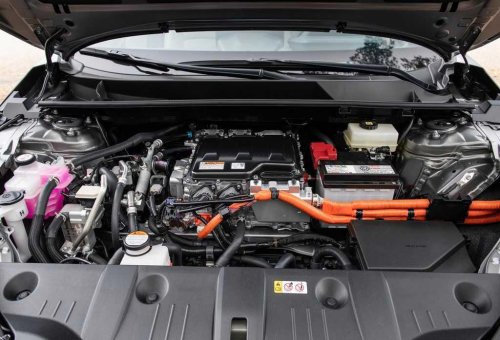
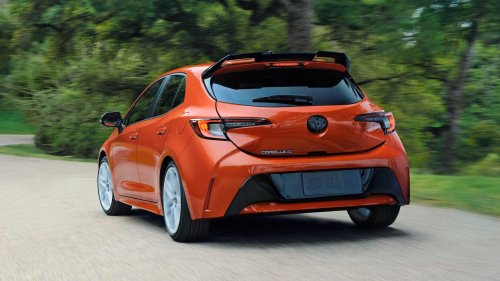
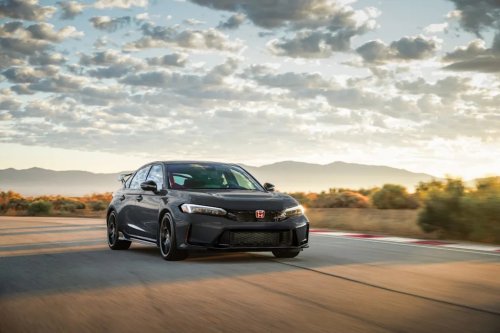
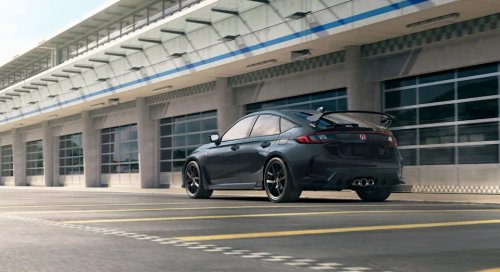
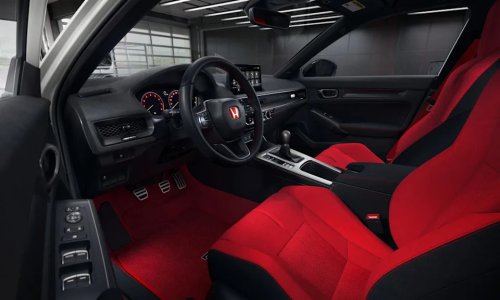
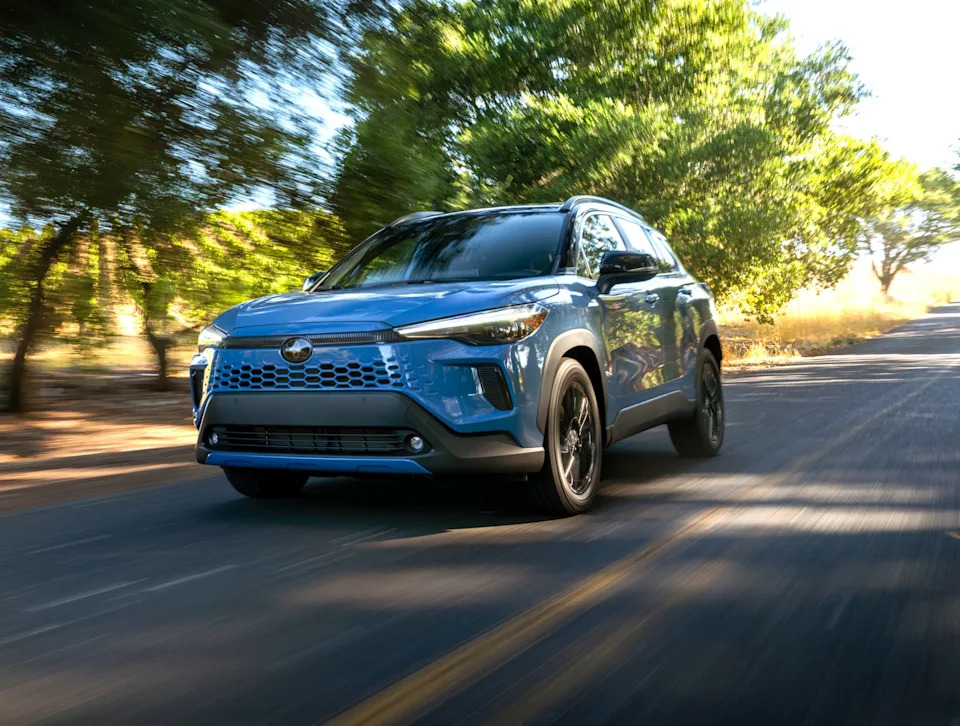
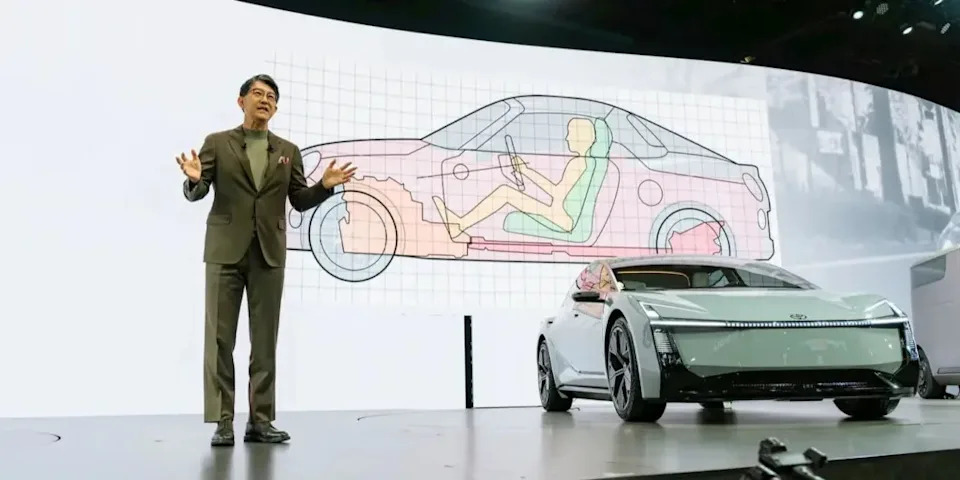
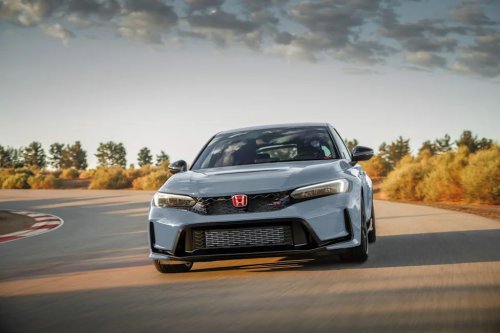
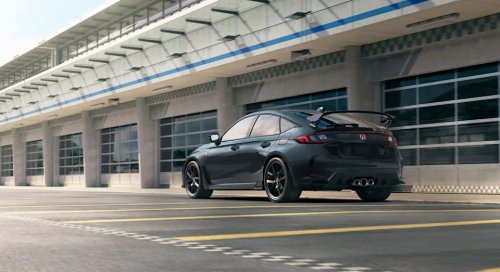
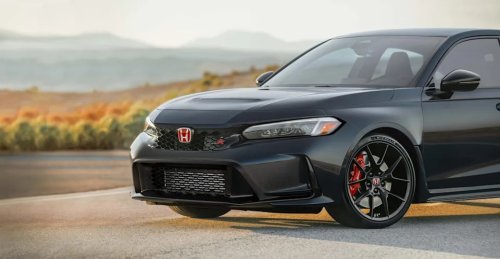
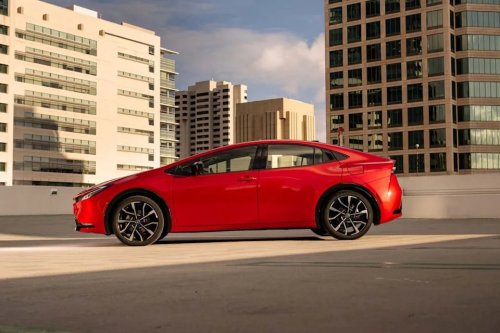
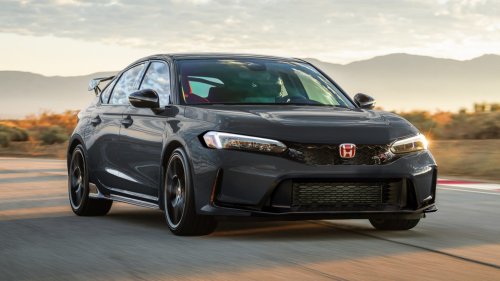
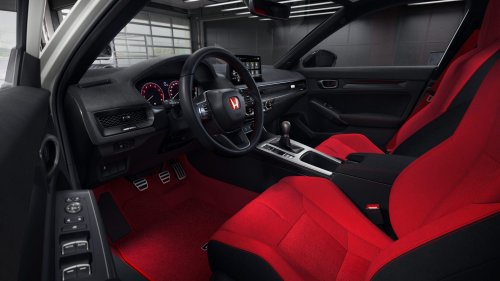
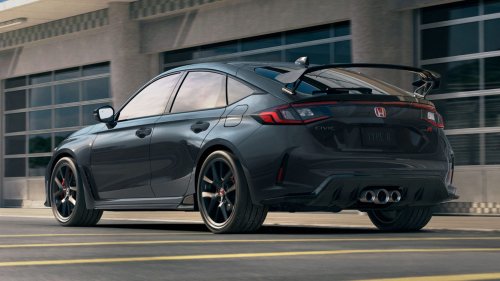
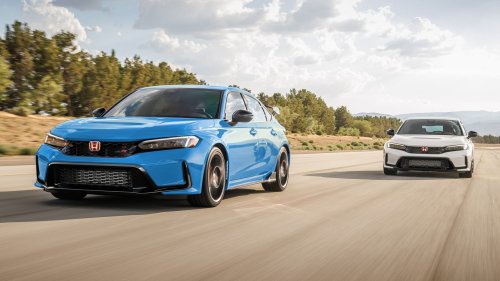
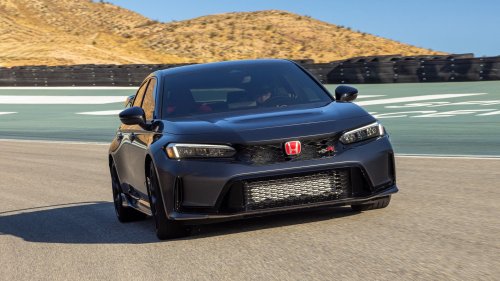
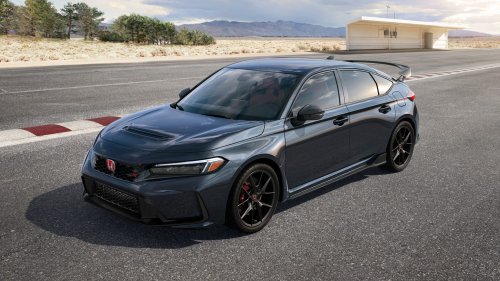
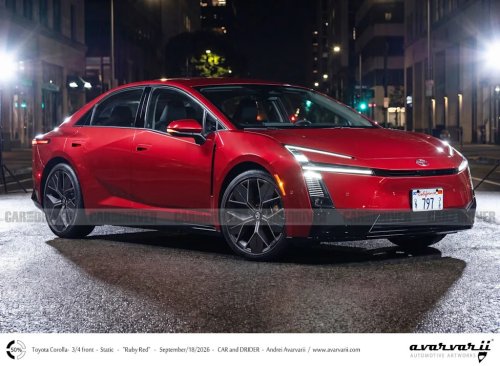
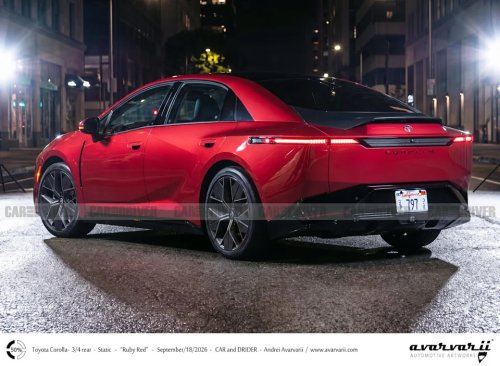
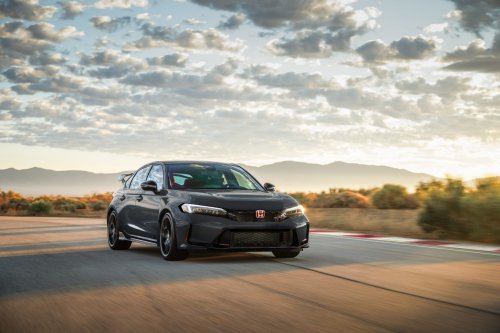
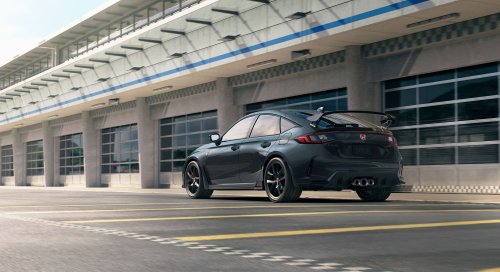
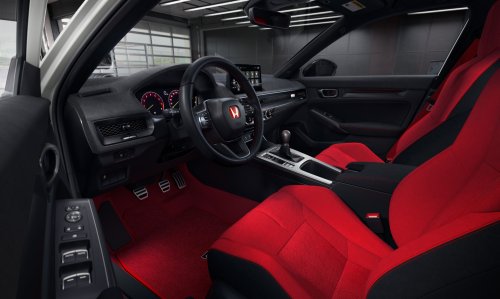
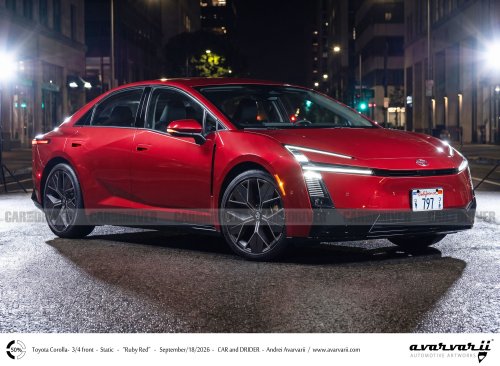
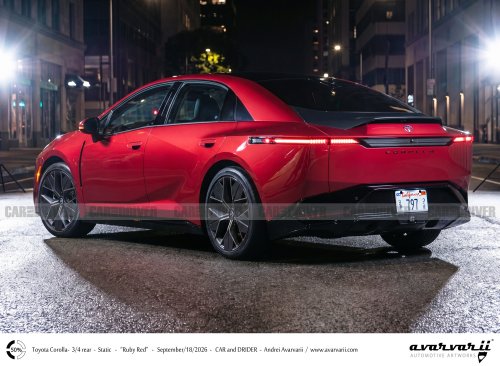
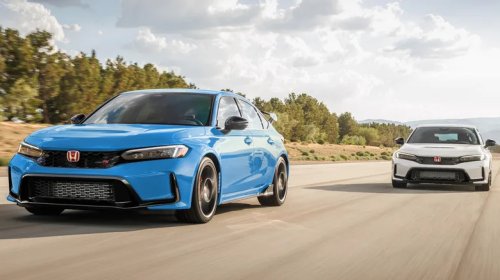
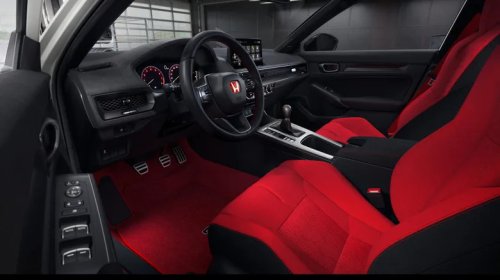
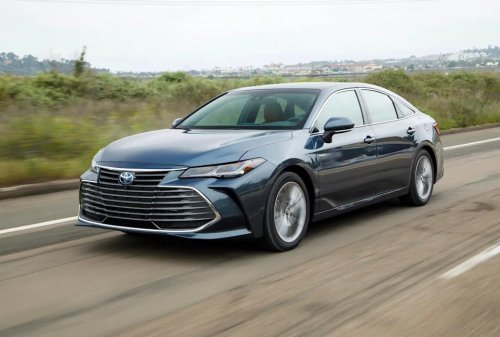
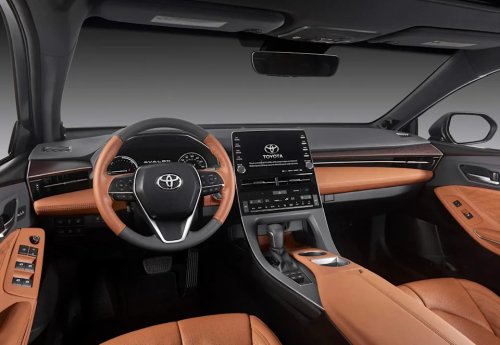
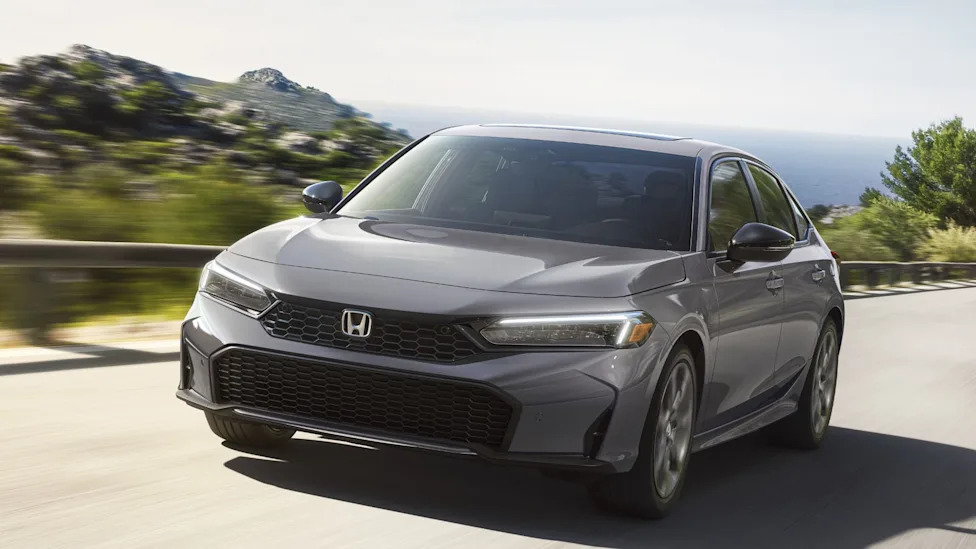
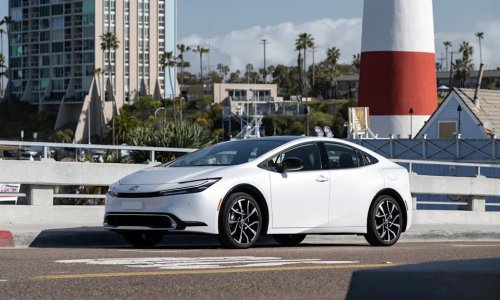
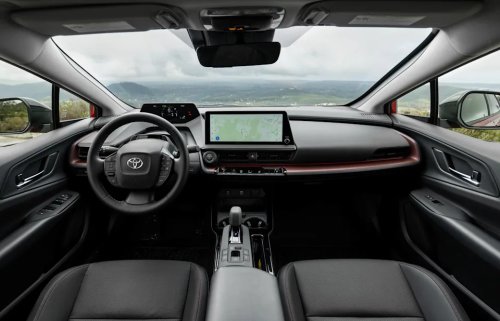
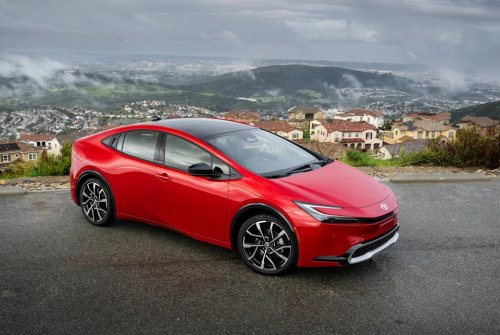
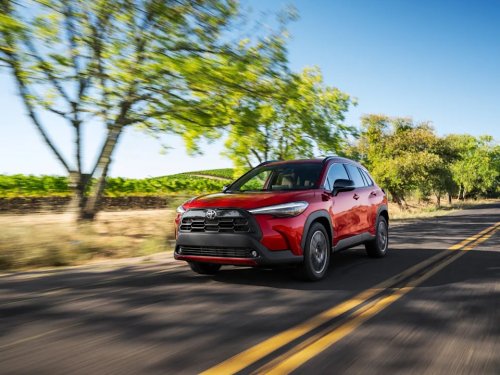
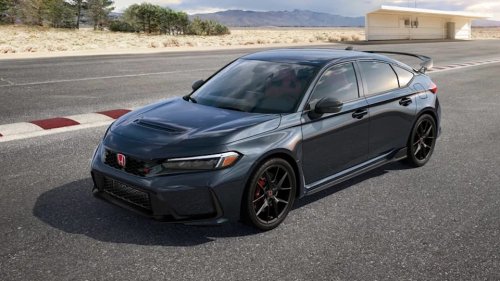
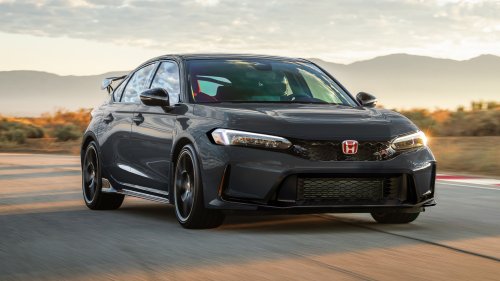
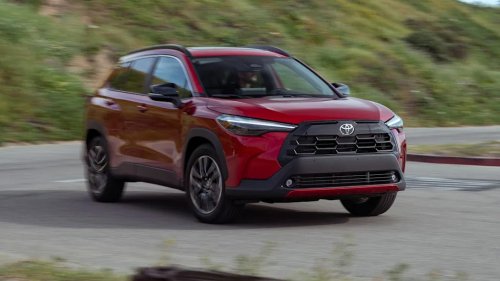
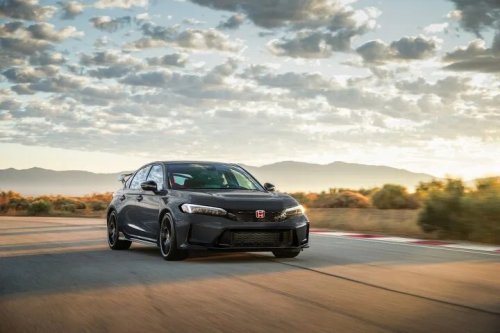
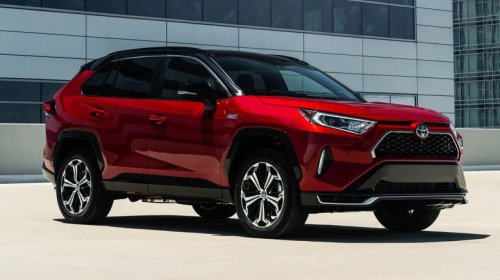
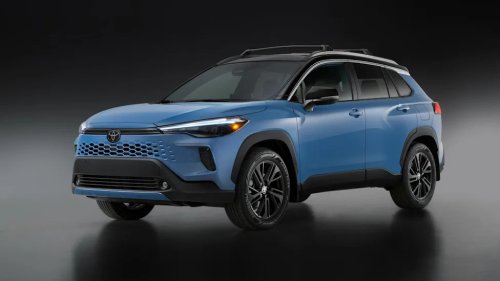
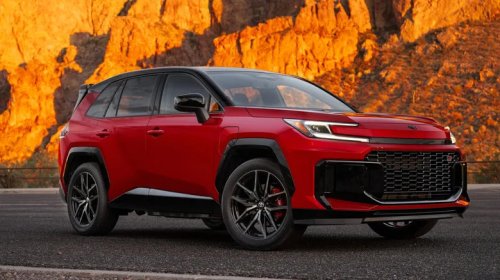
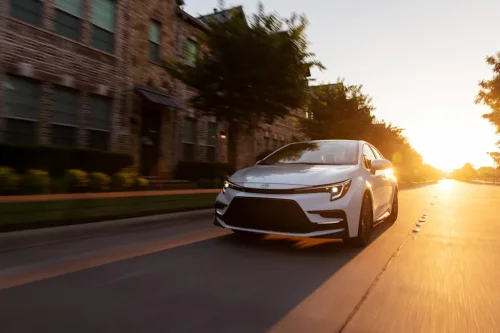
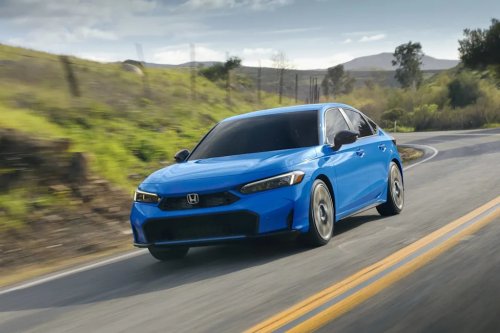
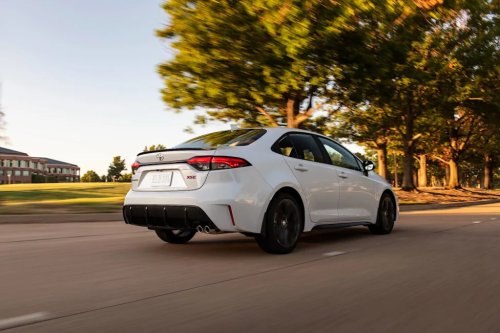
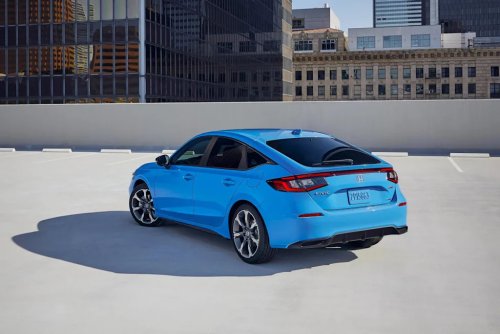
Autoblog and Yahoo may earn commission from links in this article.Choosing between the Corolla and the Civic rarely comes down to a bad option, because both are cheap, dependable, and easy to live with. Maintenance cost is one of the few areas where a real, if narrow, separation exists. Both benefit from huge production volumes, widely available parts, and simple mechanical layouts, so the differences come from engine choices and service intervals rather than any fundamental reliability gap. Here is how the running costs stack up.2026 Toyota Corolla XSEToyotaRoutine service costsOn scheduled maintenance, both cars are bargains. Average annual maintenance for the Corolla lands around $362, among the lowest figures for any new car, while the Civic sits slightly higher in the high-$300s to around $400 depending on trim and engine. Neither number will alarm anyone, and both are far below the average across all new vehicles. Routine visits for both cars mean oil changes, tire rotations, filter replacements, and periodic inspections, all of which are inexpensive thanks to abundant parts and broad service availability. The Corolla's slight advantage comes largely from its powertrain mix, which leans on simpler, cheaper-to-service hardware.2026 Honda Civic Hatchback Sport Touring HybridHondaEngines and what they needThe Corolla's base engine is a naturally aspirated four-cylinder, one of the simplest and most robust designs on the market, with no turbocharger to add complexity or cost. It's available hybrid uses Toyota's long-proven system, which is famously undemanding and, thanks to regenerative braking, can even extend brake life. Fewer complex components generally means fewer and cheaper service items over time.2026 Toyota Corolla XSEToyotaThe Civic's volume engine is a 1.5-liter turbocharged four-cylinder. It is a proven, reliable unit, but turbocharging adds parts and a bit of complexity, and turbo engines can be somewhat more sensitive to oil quality and change intervals. None of this makes the Civic expensive to run, but it does introduce a few considerations the Corolla's simpler base engine sidesteps, which is where the marginal cost difference originates.Repair frequency and partsBeyond scheduled service, both cars are cheap to repair when something does need attention, and both enjoy some of the best parts availability in the business. Independent shops know these cars intimately, so labor is rarely a problem, and components are plentiful and affordable.2026 Honda Civic Hatchback Sport Touring HybridHondaAdvertisementAdvertisementRepair frequency for both is low, which is a big part of why they are so inexpensive to own. The Corolla's edge here is again a matter of degree rather than kind: its simpler mechanical makeup gives it marginally fewer potential wear items, while the Civic's turbo and its available features add a few. The practical difference over a year is modest, often just a handful of dollars, but it consistently favors the Toyota.So which one is cheaper to maintain?The Toyota Corolla is cheaper to maintain, though only by a slim margin. Its lower average annual maintenance cost, simpler naturally aspirated base engine, and famously low-fuss hybrid option give it a consistent if modest edge over the Civic, and its brakes and service items tend to be a touch cheaper to keep up. The Civic is close enough that maintenance cost alone should not decide the purchase. It remains one of the most affordable cars in the class to keep running, and its turbocharged engine is reliable when maintained properly. A buyer who prefers the Civic's driving feel or interior is giving up almost nothing on upkeep.This story was originally published by Autoblog on Jul 10, 2026, where it first appeared in the Car Buying section. Add Autoblog as a Preferred Source by clicking here.



















 +24 others