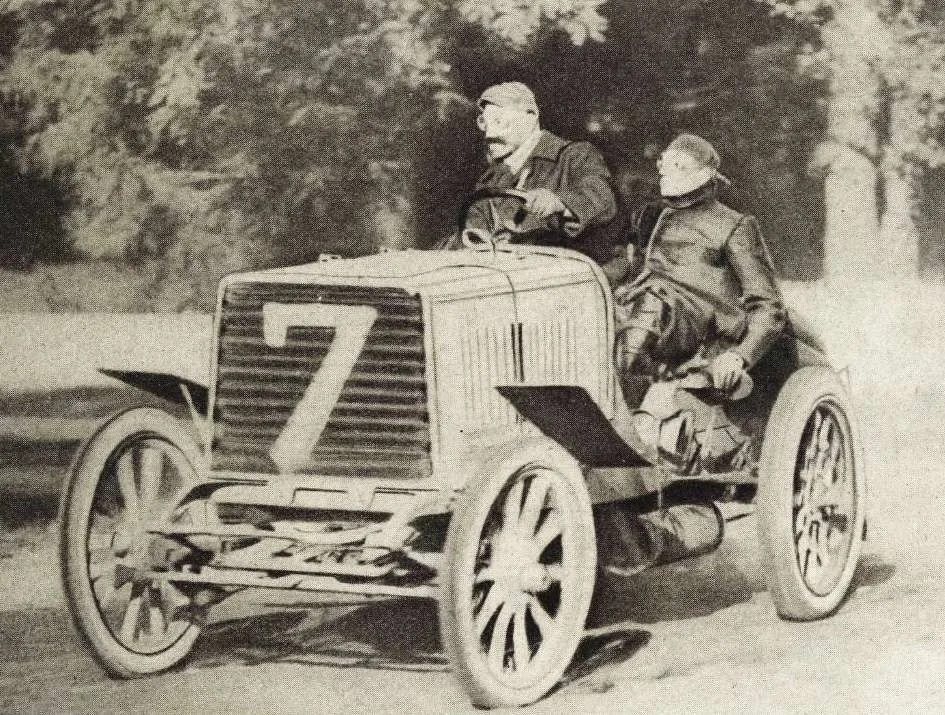
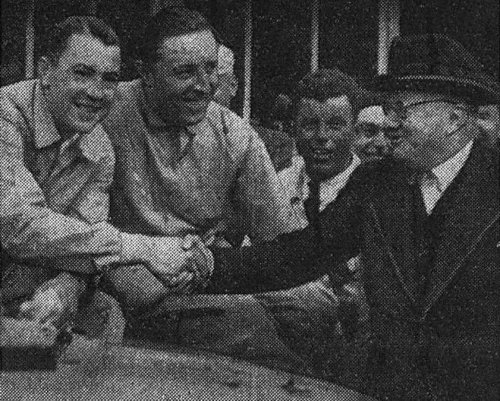
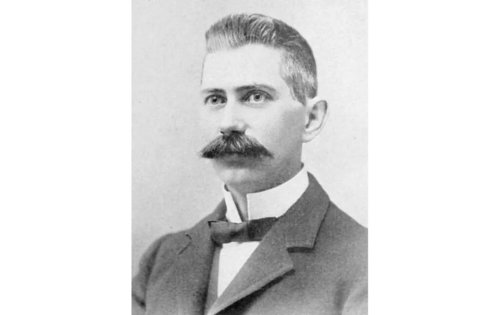
On October 8, 1904, a field of cars from France, Germany, Italy and the United States lined up on Long Island for the first Vanderbilt Cup. It was the first major international road race held in the United States, and the date still marks the moment American motorsport stopped being a curiosity and became a calendar.What happened on October 8, 1904The race was the creation of William K. Vanderbilt Jr., then 26 years old, a transportation heir who had been involved in auto racing for nearly a decade. It ran over public roads in Nassau and Queens Counties. George Heath won in a French Panhard, finishing in 6 hours, 56 minutes and 45 seconds, an average of 52.2 mph. A Clément-Bayard finished 1 minute 26 seconds behind him in total time.Those numbers are worth sitting with. Fifty-two miles per hour averaged across nearly seven hours of open-road racing, on cars with primitive brakes and spectators standing at the verge, is the true context for everything that came later in American road racing.Why it matters to collectorsThe Vanderbilt Cup is where American collector-car provenance begins. Before 1904 there was no established U.S. event whose results could anchor a car's history. Afterward there was, and a surviving competitor with a documented entry, driver and finishing position carries an evidentiary weight that no restoration invoice can match.That is the same logic that drives value at the top of the market today, as we covered in our look at the ten most expensive classic cars ever sold at auction. Documented competition history is the difference between an old car and a historically significant one.Current collector statusCars from the first Vanderbilt Cup era are about as scarce as collectible machinery gets. We are not aware of recent public auction comparables for 1904 Vanderbilt Cup entrants that we can cite responsibly, so we will not invent a valuation. What can be said is that cars of this vintage sit in the same rarefied conversation as the machines in our guide to six of the rarest classic cars ever made, where scarcity and documentation, not horsepower, set the price.The heritage is also visible in later American prewar machinery. A supercharged 1936 Auburn 852 Boattail Speedster or a 1934 Duesenberg Model J Murphy convertible berline belongs to a tradition of performance and prestige that early events like the Vanderbilt Cup helped make fashionable.George Heath, winner of the first Vanderbilt Cup, in a period photograph from La Vie au Grand Air. Public domain.What collectors should knowEntry and results records matter. For any pre-1910 competition car, ask for contemporary race reports, period photographs and chassis or engine numbers tied to a specific entry.Be wary of "Vanderbilt Cup style" claims. Replicas and period-correct builds are common; only a documented link to a specific entrant counts as provenance.Context raises value. A car linked to the first running, or to a winning marque, is a different asset from a similar car with no event history.For readers drawn to the road-racing side of the story, this story of a Fangio family 300 SLR tribute shows how deeply open-road racing legacies still shape what collectors chase.The takeawayThe first Vanderbilt Cup was won by a Panhard at 52.2 mph, but its real legacy is documentary: it gave American automotive history its first great set of verifiable, citable results. For collectors, that is still the point.⚡ Read the full article on Modern Car CollectorSign up for the Collector Car Market Brief. For the latest news, follow us on Facebook and Instagram.