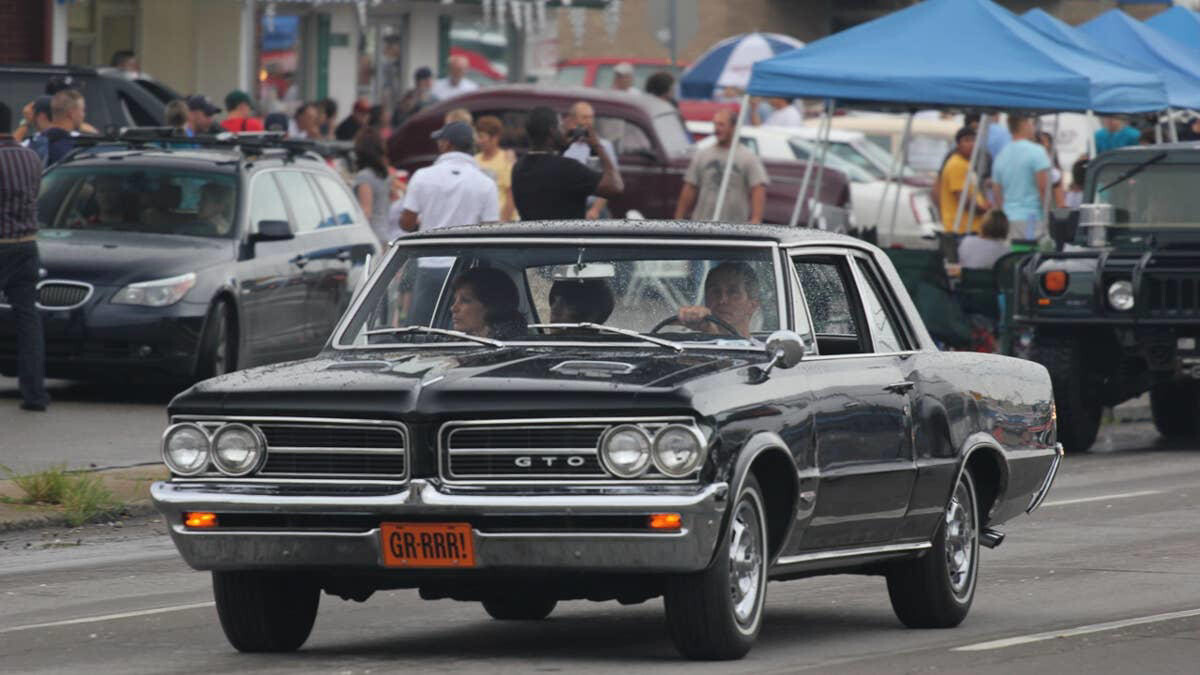
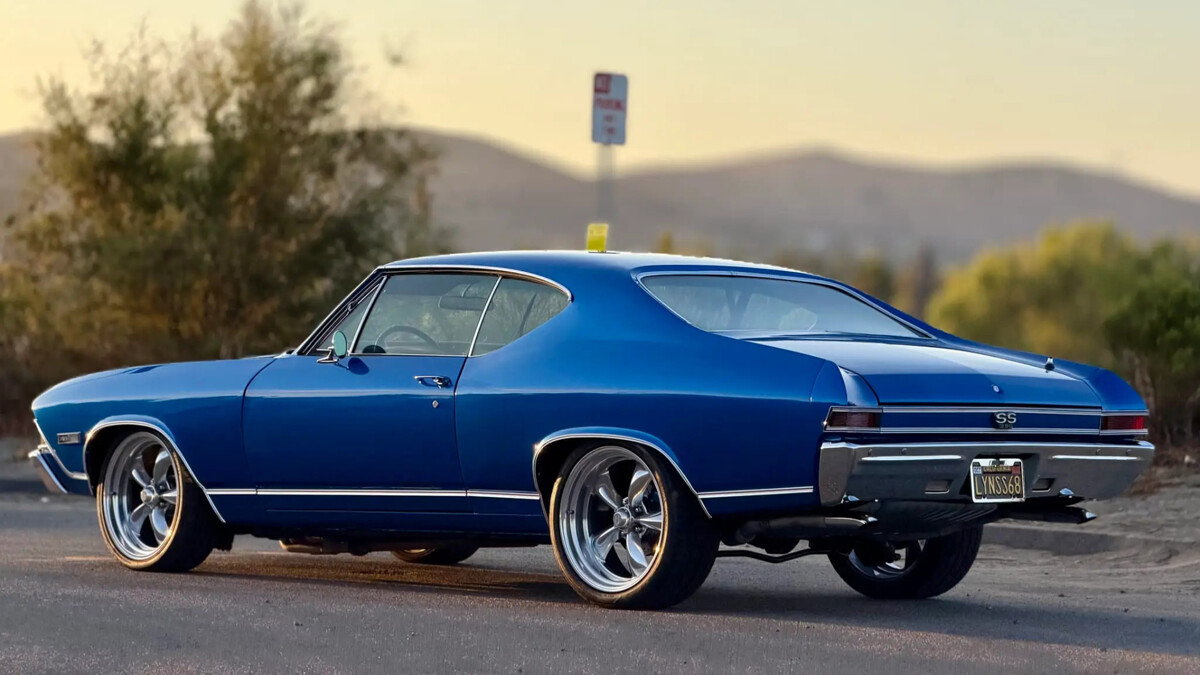
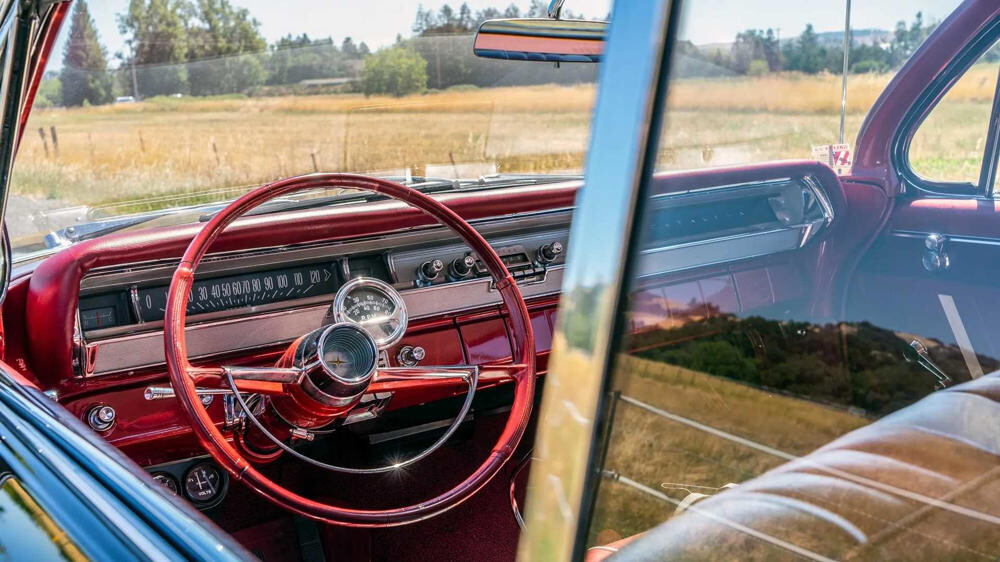
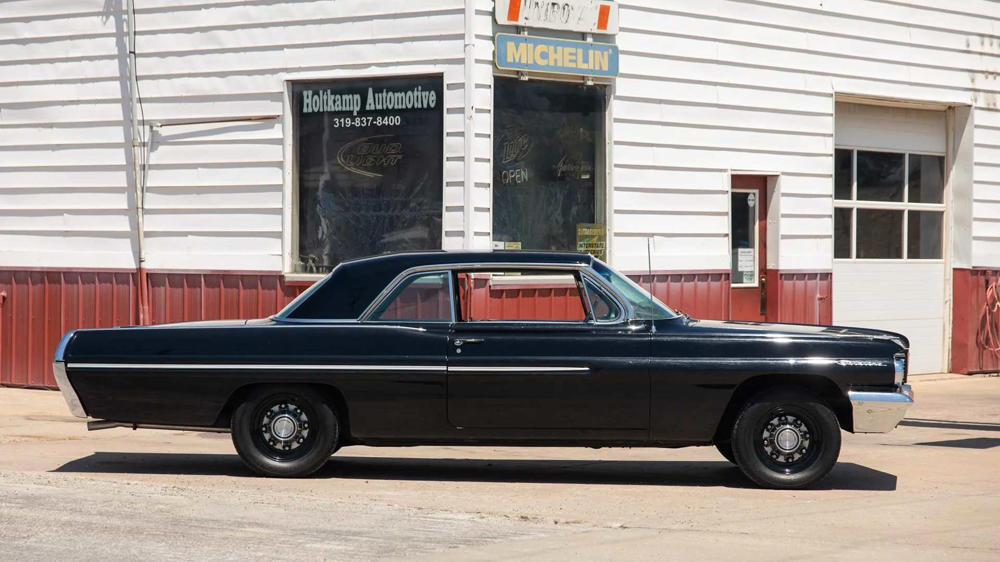
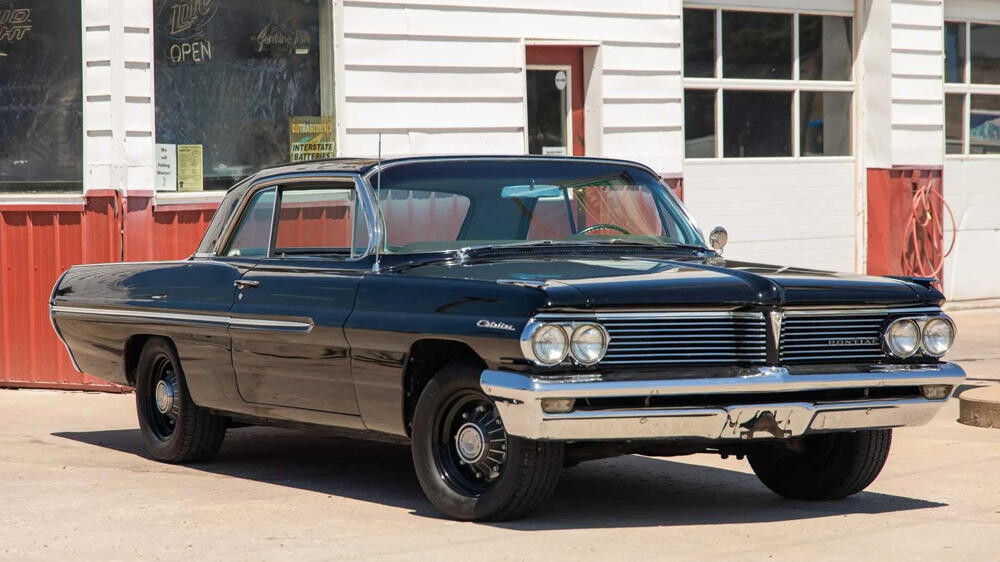
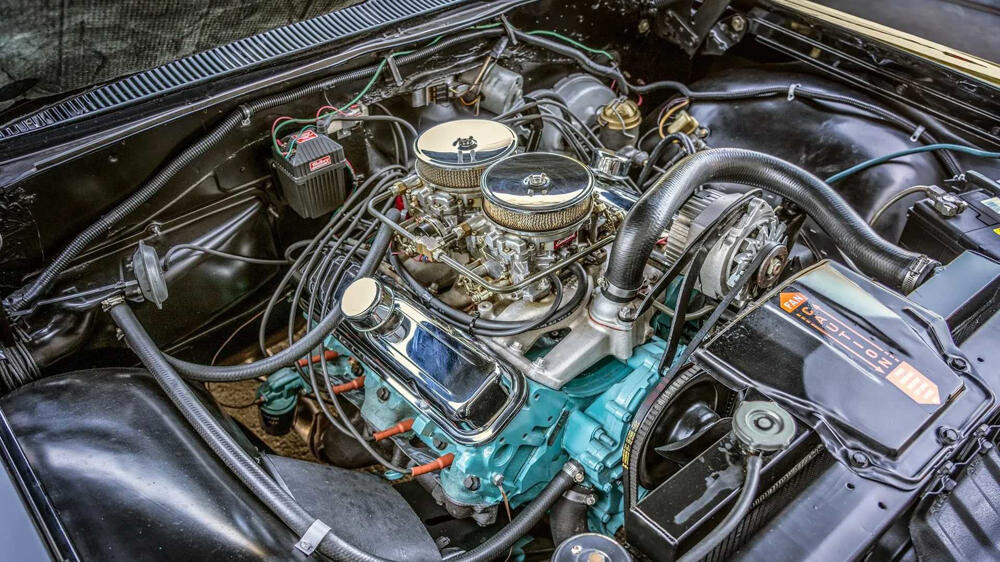
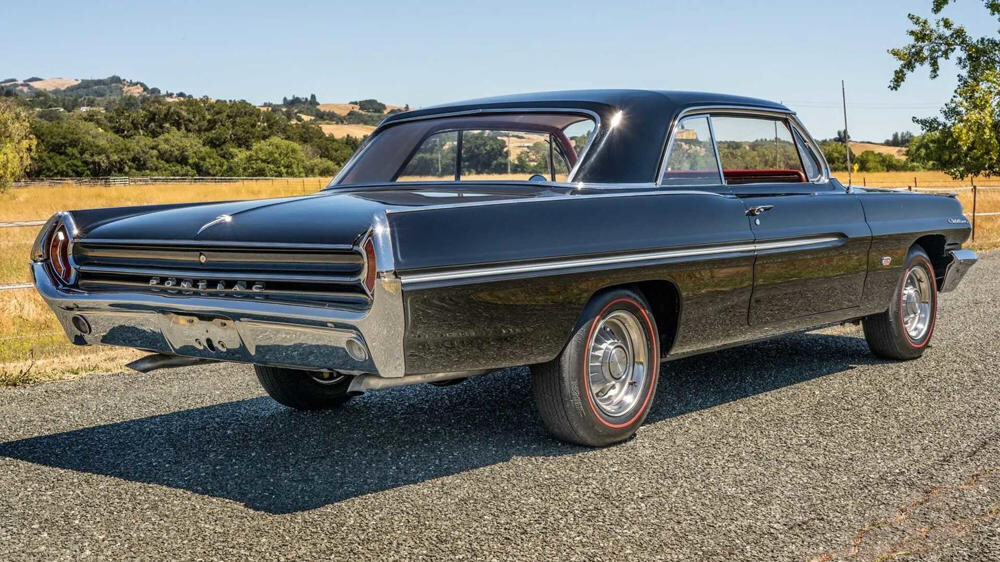
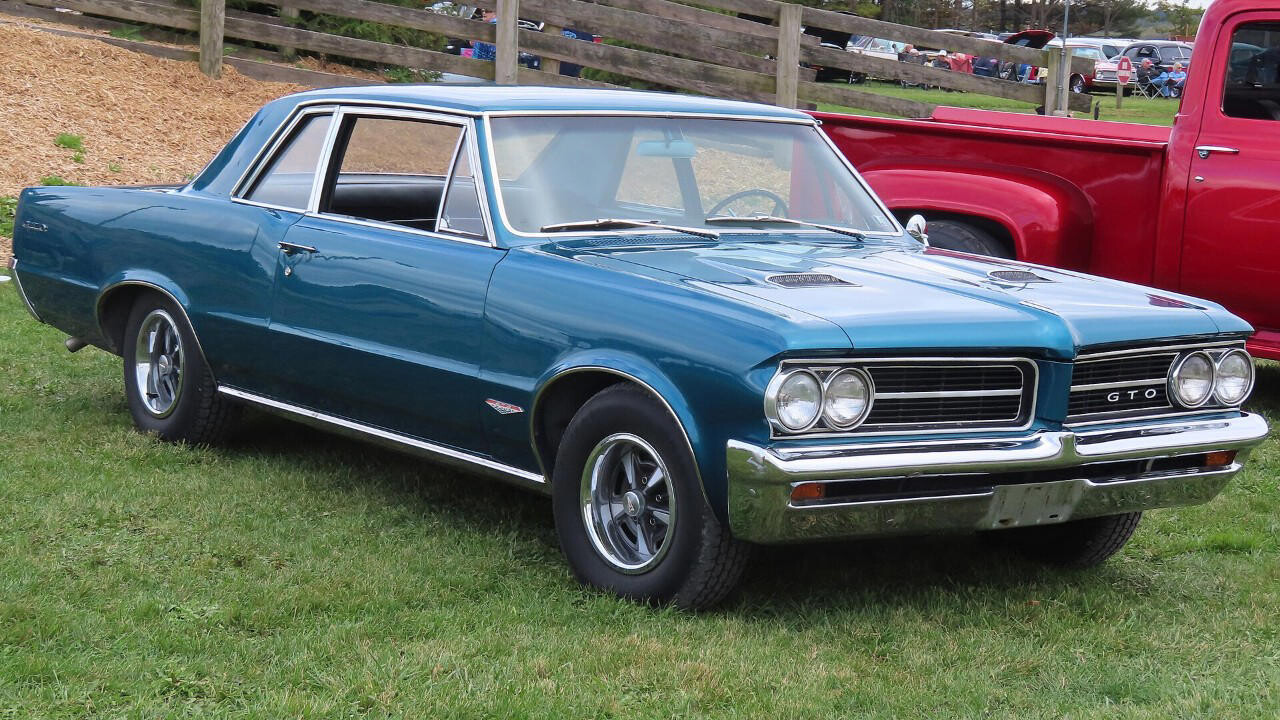
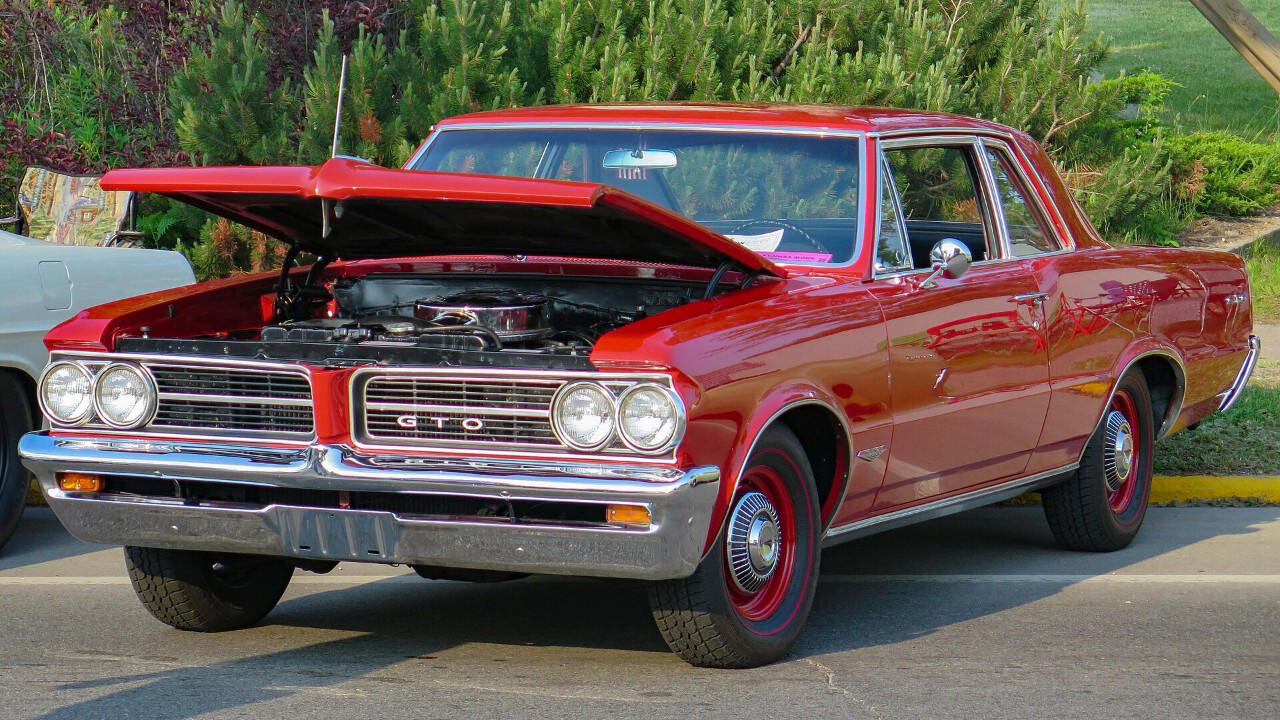
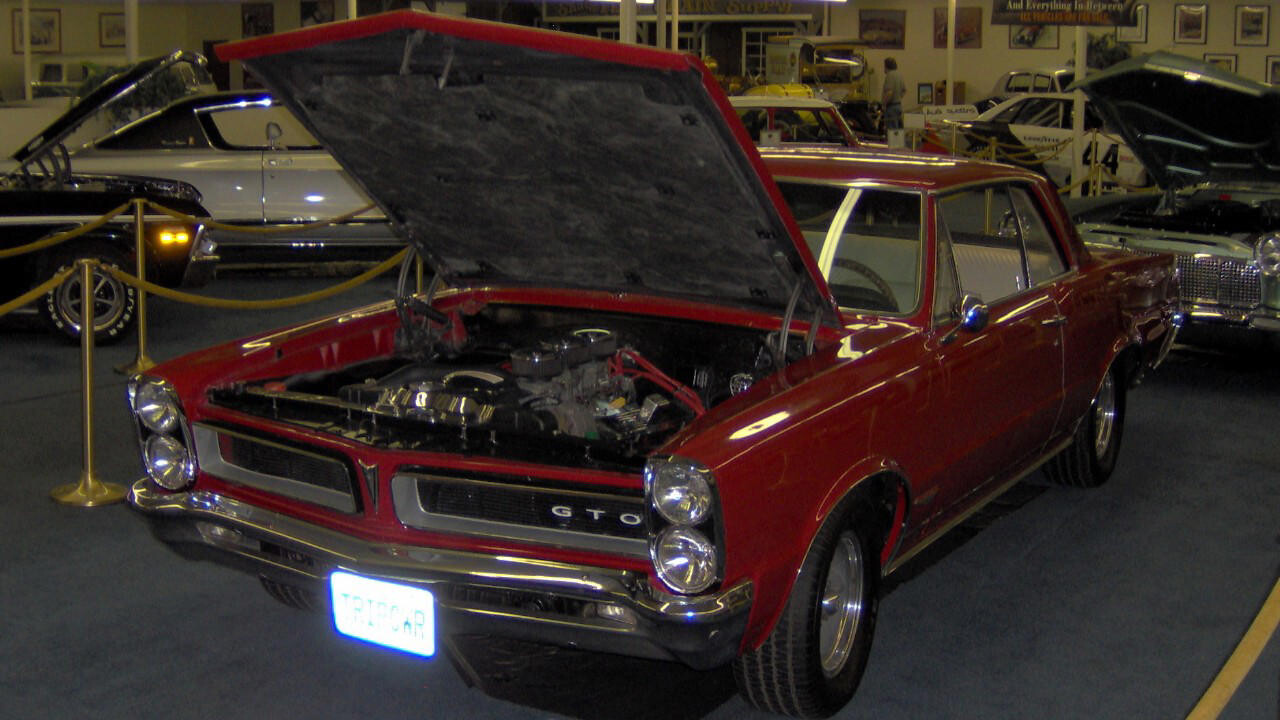
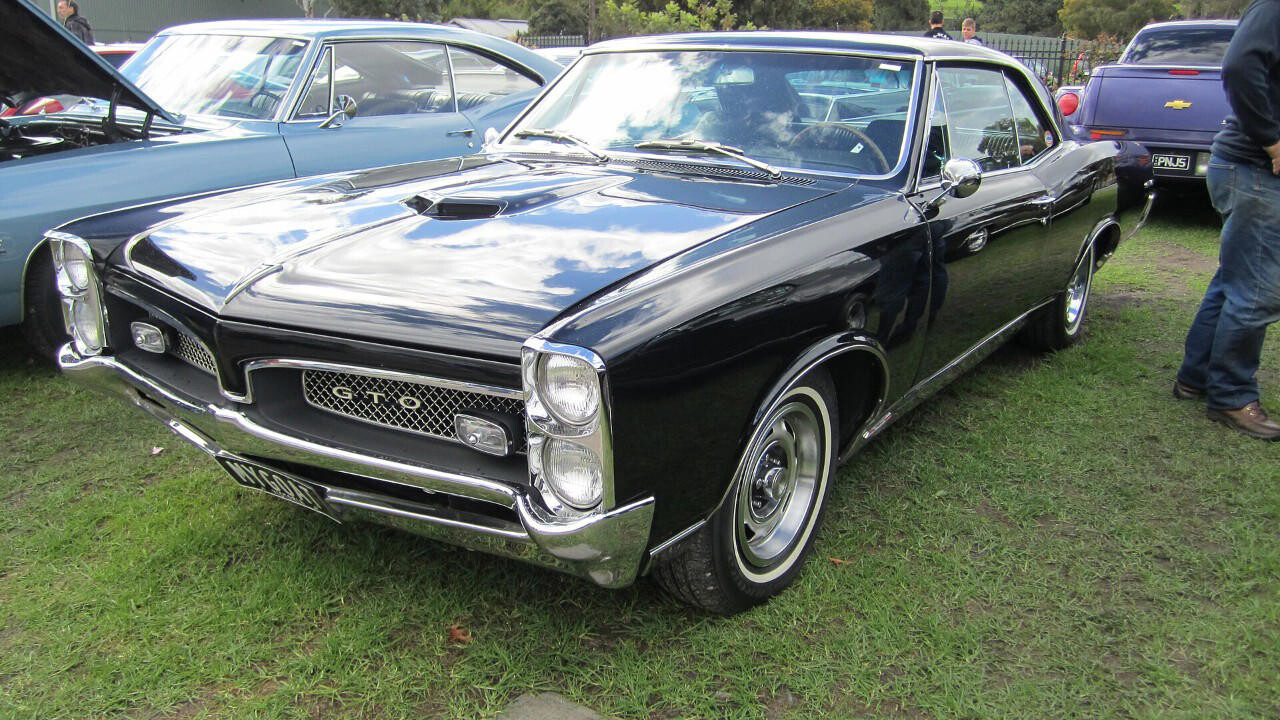
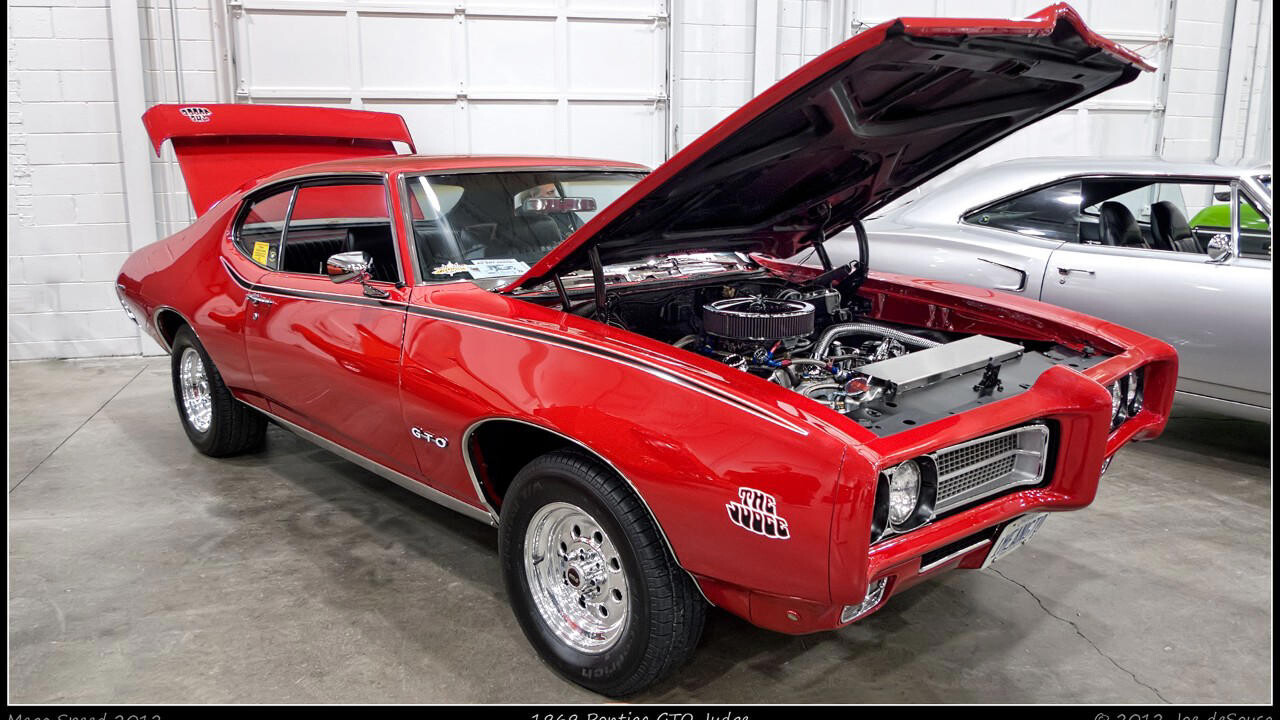
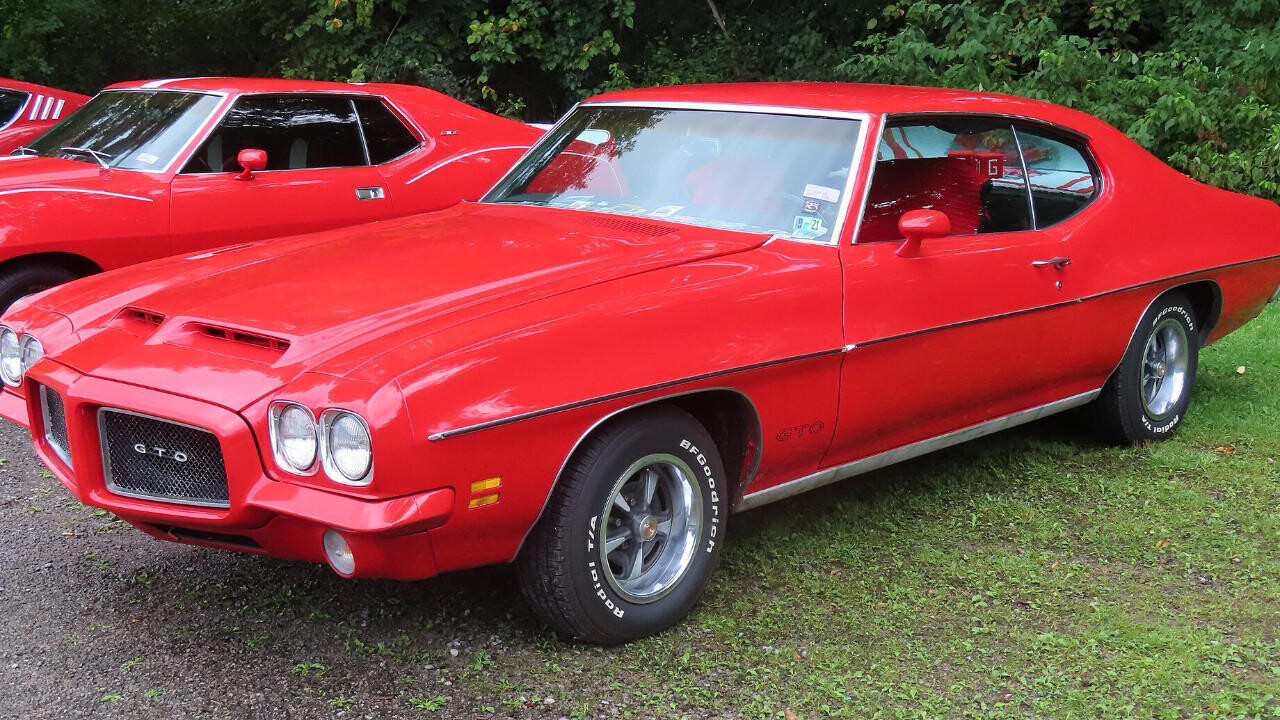
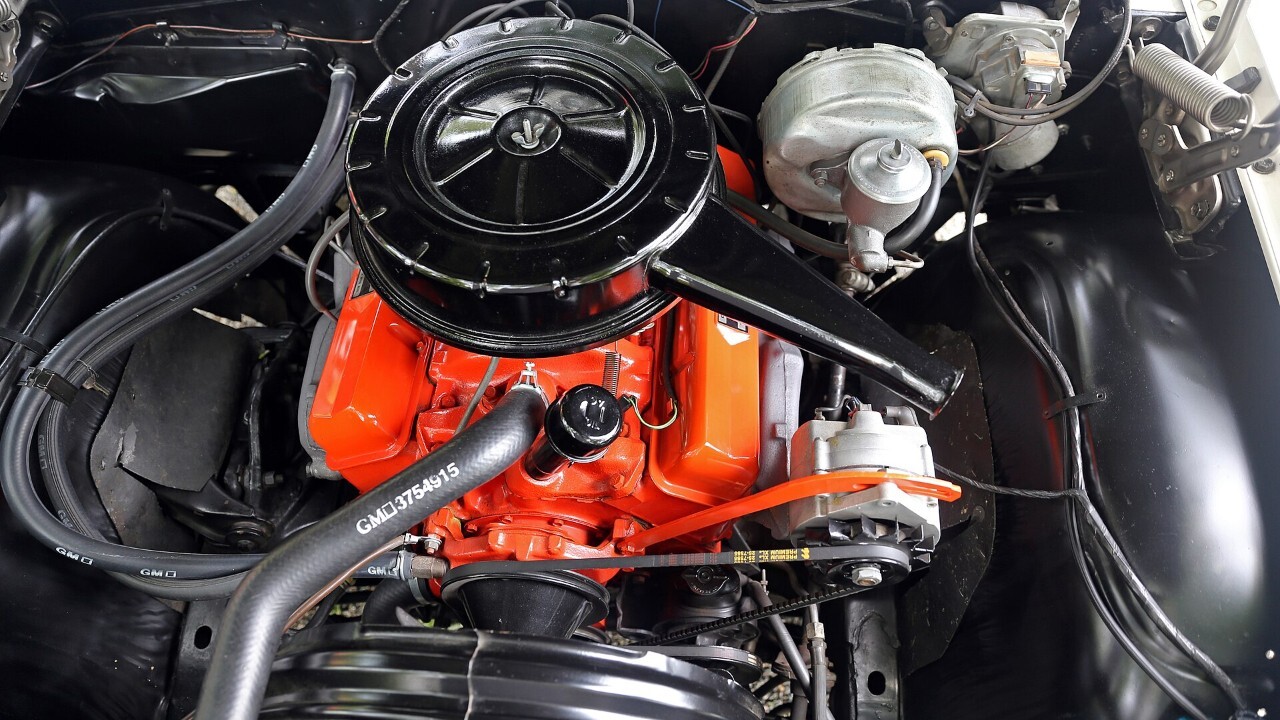
The projection called for about 5,000 sales of the 1964 Pontiac LeMans GTO option. Instead, buyers took home more than 32,000 that first year. That surprise turned a $295 option package into the car most people credit with starting the muscle car craze. The GTO then ran through ten model years, three body shapes and a long slide from 389 cubic inches of swagger to the softer cars of the early 1970s. Some years matter more than others, though. A few changed the formula, and a few defined how the whole segment looked and sounded. These are our picks for the eight greatest GTOs of the original muscle car era, from the first option-package coupe to the last LeMans-based car. The years, engines and production figures come from collector guides and period records. Every ranking and verdict is our own opinion. 1. 1964 Pontiac LeMans GTO The first GTO came from a simple discovery. In spring 1963, engineers working under John Z. DeLorean found that the 389 V8 from the full-size Bonneville bolted into the midsize Tempest. A week later, they had a running prototype. Pontiac then sold the result as an option on the LeMans rather than as a model of its own. The numbers were strong for the day. According to Hagerty’s 1964–67 GTO buyer’s guide, the four-barrel 389 made 325 horsepower. Meanwhile, the Tri-Power setup with three two-barrel carburetors raised that to 348 horsepower. Pontiac also borrowed the name from Ferrari, short for Gran Turismo Omologato. Even the radio helped. Ronny and the Daytonas released “Little GTO” in spring 1964, and the single reached No. 4 by September and sold more than 1 million copies. In our view, the 1964 car earns the top spot because everything after it copied its recipe. If you shop for one, be careful. The VIN on a 1964 or 1965 car doesn’t identify it as a GTO, so clones are easy to build. That’s why Hagerty points buyers to Pontiac Historical Services, which documents a car’s build for $75. Our advice: get that paperwork before you hand over a deposit. 2. 1965 Pontiac GTO Tri-Power For 1965, Pontiac gave the GTO a sharper face. Vertically stacked quad headlights replaced the flat front, and a new simulated scoop sat on the hood. The car also grew about three inches longer, which gave it a lower, meaner stance from the side. Under that hood, the Tri-Power 389 got stronger too. Pontiac now rated it at 360 horsepower at 5,200 rpm, while the four-barrel 389 rose to 335. Sales more than doubled to roughly 75,000 cars. In addition, dealers offered a Ram Air kit for the 1965 and 1966 cars, which made that fake scoop draw real air. Our take: the 1965 is the prettiest of the early cars and the best showcase for the three-carb setup. Collectors pay more for Tri-Power cars than for four-barrel cars today. A concours-ready Tri-Power setup alone runs $3,000 to $5,000, according to Hagerty. As a result, a car with its original carbs and linkage deserves a premium. If the seller swapped them, budget for the correct parts before you start the restoration. 3. 1966 Pontiac GTO 389 In 1966, the GTO stopped being an option and became its own Pontiac model. That change meant a new model number, 242, and a VIN that finally said GTO. For owners, that detail matters more today than it did in the showroom. Buyers loved it. Pontiac sold 96,946 GTOs that year, the highest total of any GTO season, and no later year came close. Halfway through the year, however, Pontiac dropped Tri-Power, so many 1966 cars left the plant with a single four-barrel 389 like the one pictured here. A tiny group got the factory Ram Air XS option, with only about 35 installed. We rank the 1966 high because it was the GTO at full strength, the moment the badge outsold everything near it. It also makes life easier for buyers. True 1966 and 1967 GTOs carry “42” as the second and third digits of the VIN, which sits in the driver’s front door jamb. Check that number first. After that, look hard for rust around the windshield, floors, trunk pan and frame rails, since a new frame is not available. 4. 1967 Pontiac GTO Sport Coupe The 1967 GTO looked like the 1966 car, but the engine bay changed. Pontiac replaced the 389 with a 400-cubic-inch V8, and a single Rochester Quadrajet carburetor replaced Tri-Power. Buyers could pick a standard 335-horsepower version, a 360-horsepower high-output engine or a two-barrel economy version. The Sport Coupe pictured here is the rare body style of the year. Of 81,722 GTOs sold for 1967, only 7,029 were pillared Sport Coupes. Hardtops made up the vast majority. Pontiac also offered a factory Ram Air 400 option for $263.30, and it built just 751 of those cars. Meanwhile, the old two-speed automatic gave way to the three-speed Turbo 400. This was also the year Jim Wangers’ ad team started calling the car “The Great One.” In our opinion, 1967 is the smartest buy among the first-generation cars. You get the bigger engine and the better automatic in a body that still wears the early GTO’s clean lines. For values, Hagerty puts a 1967 HO hardtop at about $50,000 and a Ram Air coupe near $60,000. A Sport Coupe with the 400 HO and a four-speed would be our pick from this group. 5. 1969 Pontiac GTO Judge The Judge got its name from a comedy bit on Rowan & Martin’s Laugh-In. DeLorean had first planned to call it the GTO E/T. Pontiac introduced it to the press at Riverside Raceway on December 8, 1968, on the same day it showed the first Trans Am. At first, every Judge came in Carousel Red, and the Ram Air 400 came as standard. That engine was rated at 366 horsepower at 5,100 rpm. The package added $332 to the price of a regular GTO. Of 72,287 GTOs built for 1969, Pontiac made 6,833 Judges. According to Hagerty’s GTO history, the Ram Air IV Judge convertible is the most valuable GTO of all. Pontiac built only five, and they average about $430,000 in good condition. Our take: the Judge is the loudest statement Pontiac ever made with this car. The Judge ran for three model years and became the most expensive GTO, according to Hagerty. That also makes it the GTO most worth faking, so demand documentation before you pay Judge money for one. 6. 1970 Pontiac GTO 400 For 1970, the GTO kept its body-color Endura front bumper. Pontiac also added a rear anti-roll bar, and buyers could order variable-ratio power steering. Both changes made the car better on a back road than the earlier ones. The base 400 V8 in the pictured car made 350 horsepower. For more torque, Pontiac now offered a 455 HO rated at 360 horsepower and 500 lb-ft. There was also a short-lived Vacuum Operated Exhaust option. Pontiac built only about 233 cars with it, then dropped it after a Super Bowl IV ad for “The Humbler” drew attention to the noise. Even so, sales fell to 40,149. The year has screen credentials, too, because a 1970 Judge in Orbit Orange appeared in the 1971 film Two-Lane Blacktop. We like the 1970 because it is the last GTO before Pontiac cut compression on its engines. In our view, a plain 400 car with a four-speed delivers most of the Judge’s punch for far less money. It is a sleeper in plain clothes, at least by GTO standards. Before you buy, confirm that the engine code matches the car’s paperwork. 7. 1971 Pontiac GTO with Endura bumper Pontiac first used the Endura front bumper on the 1968 GTO. Working with Dayton Rubber, Pontiac designed the color-matched nose so it could absorb a low-speed bump without lasting damage. The bumper stayed on the GTO through 1972, and Pontiac also used it on the 1970–73 Firebird. By 1971, the optional hidden headlamps of 1968 and 1969 were long gone. That year’s car added a wire-mesh grille and a new hood with twin scoops moved forward. Underneath, though, the news was grim. Pontiac dropped compression on the standard 400 to 8.2:1, and its rating fell to 300 gross horsepower. The 455 HO was rated at 335 gross. Sales collapsed to 10,532 cars. This was also the last year for the Judge, with only 357 built, and the last year for a GTO convertible. Our take: the 1971 is the end of an era in one car. It is less powerful than a 1970, but it is much rarer. If you want one, check the Endura nose closely. We’d treat a damaged one as a specialist job, so budget for it before you buy. 8. 1973 Pontiac GTO LeMans coupe By 1973, the GTO had gone back to its roots as an option package on the LeMans. This time, though, it rode on GM’s new Colonnade body. That design used a fixed roof pillar and triangular rear side windows instead of a pillarless hardtop line. As a result, the 1973 Pontiac LeMans GTO was a one-year-only body style, and no convertible was offered. Power kept dropping. The standard 400 made 230 horsepower, while the optional 455 made 250 and came only with an automatic. Pontiac sold just 4,806 GTOs that year, the worst total of the original run. A Super Duty 455 GTO prototype even made the April 1973 cover of Hi-Performance Cars as its top car of the year. Pontiac never built a production version. We include the 1973 because it is the cheapest way into a classic GTO. Hagerty values one with the base 400 at about $9,700 in good condition, the most affordable figure for any vintage GTO. Only 544 cars got the optional 455, all with automatic transmissions. If you find one of those with its paperwork, buy it, because that combination is the rarest 1973 GTO you can own.

 Liked by Liam Labelle, Samuel Tremblay












 Liked by Liam Labelle, Samuel Tremblay