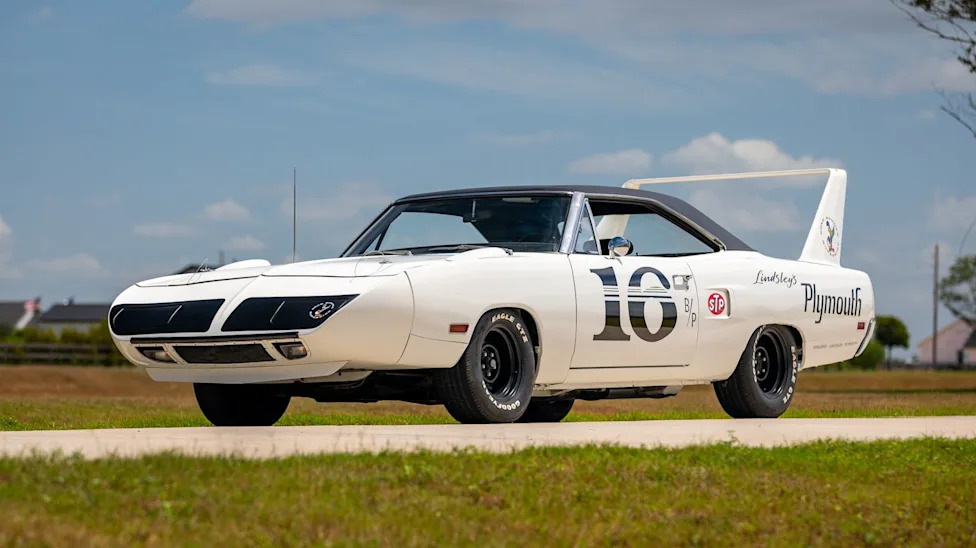
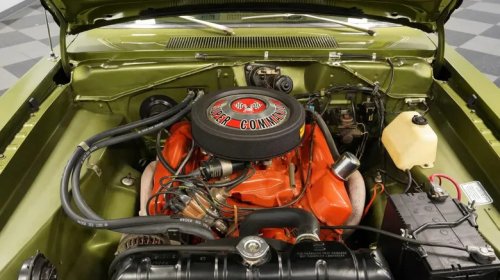
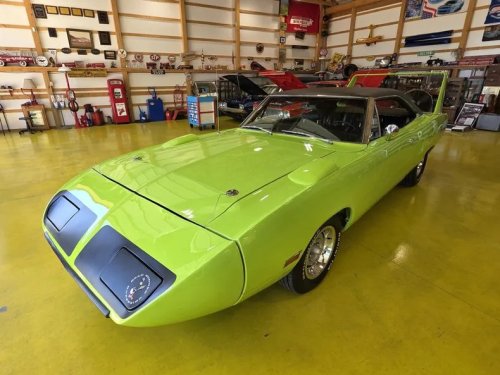
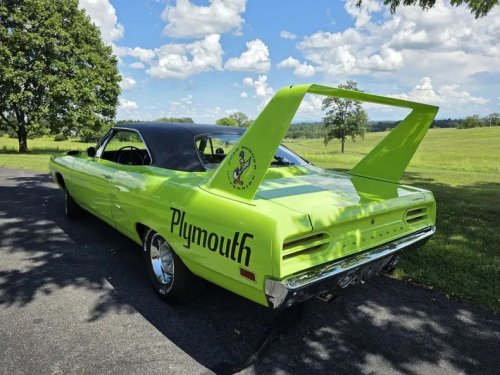
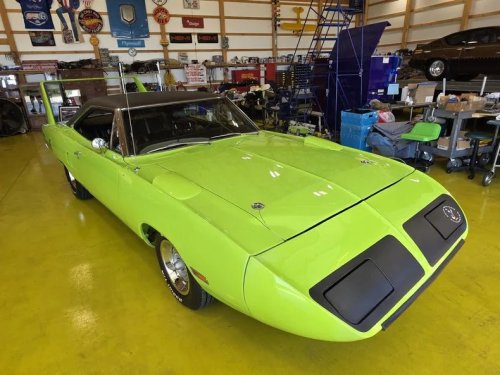
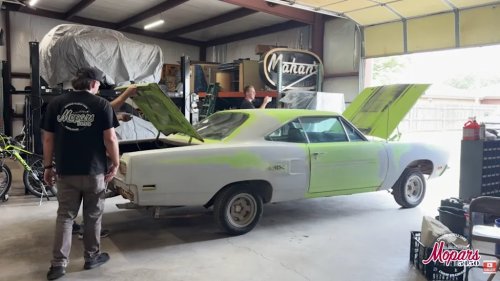
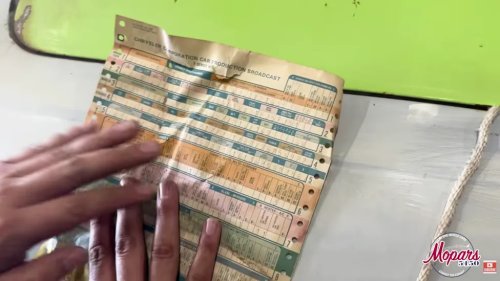
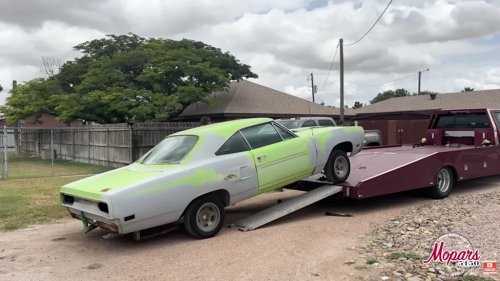
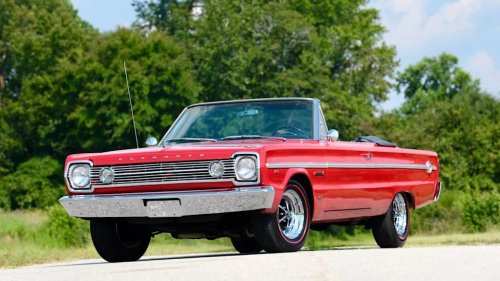
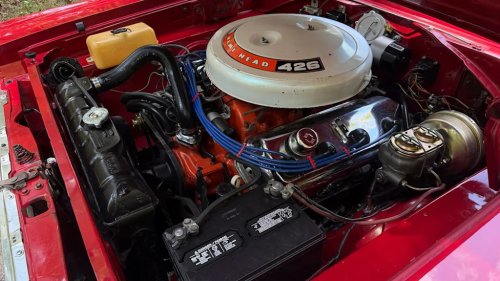
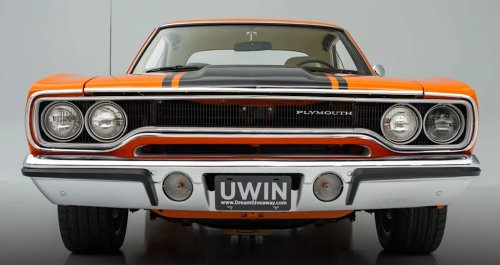
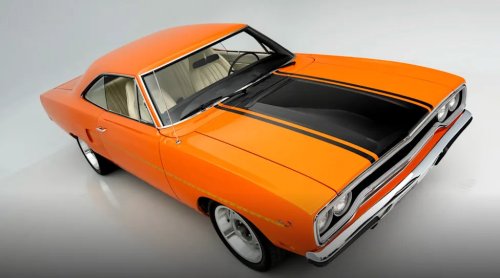
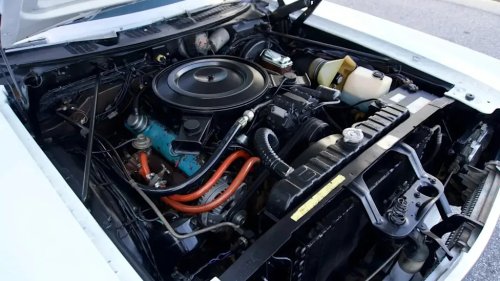
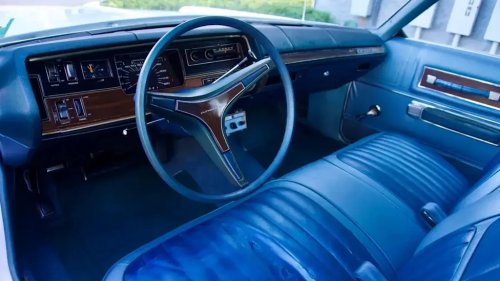
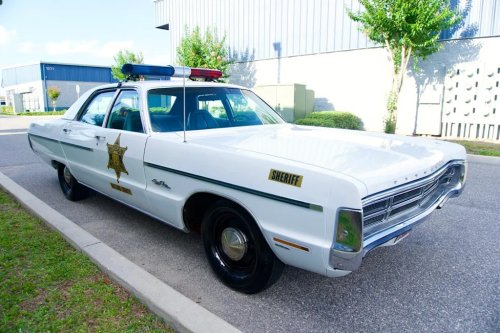
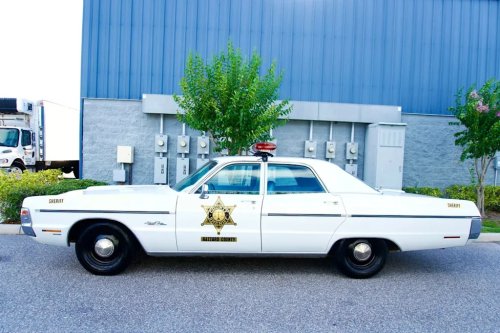
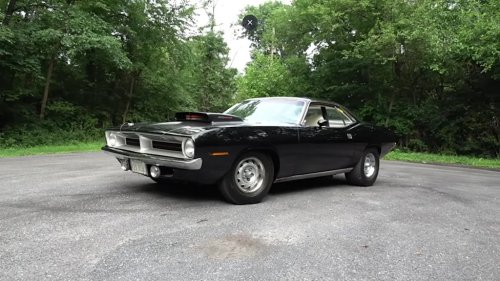
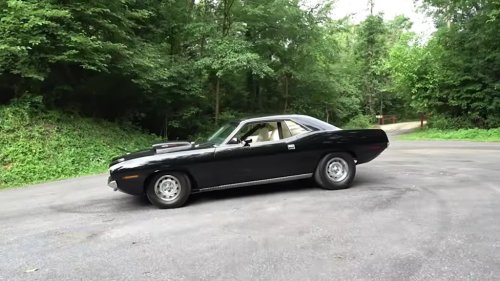
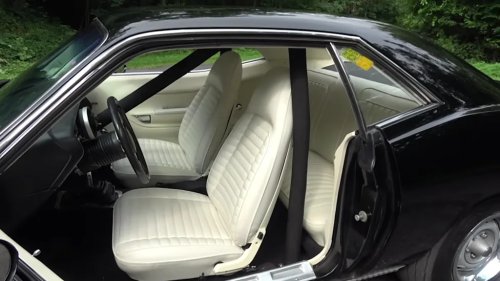
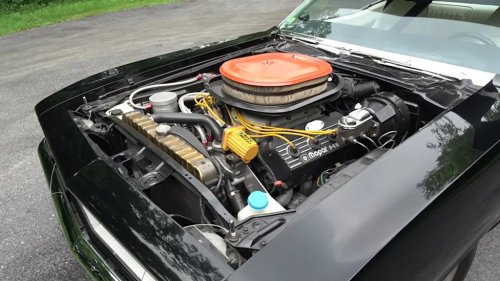
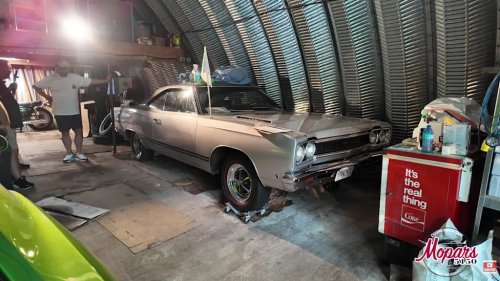
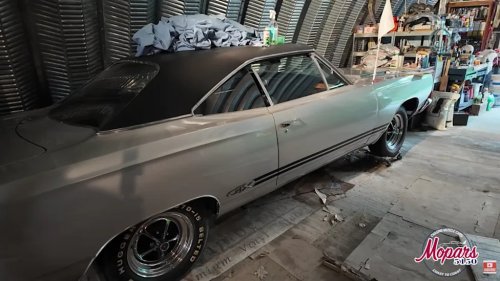
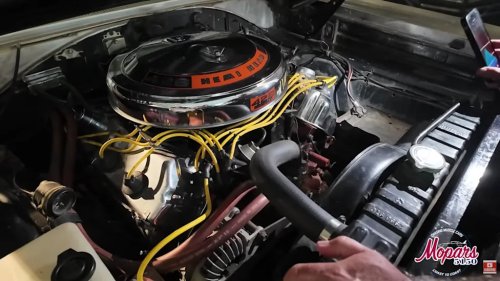
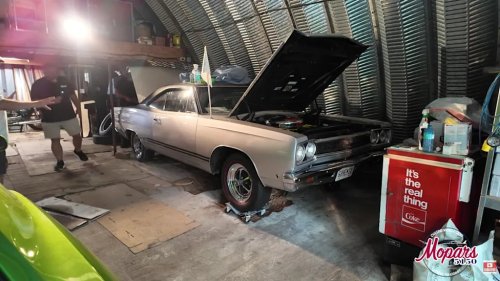
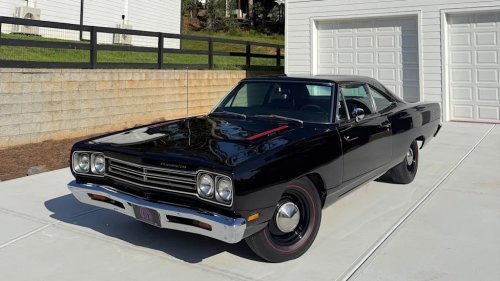
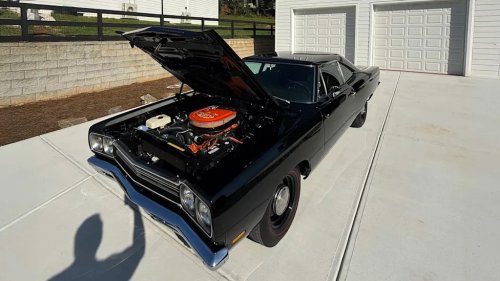
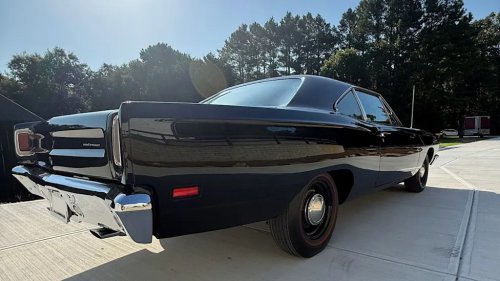
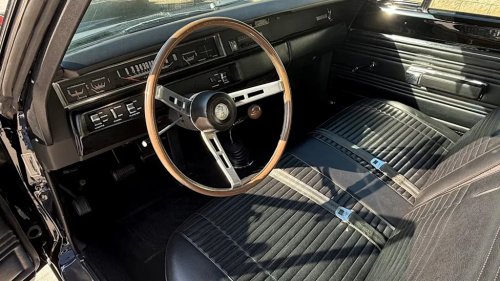
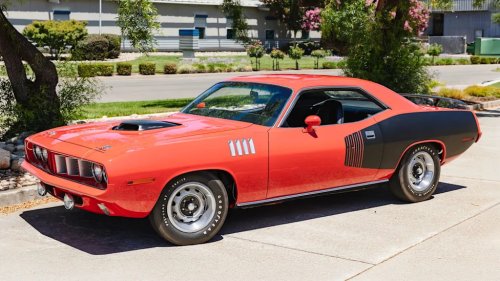
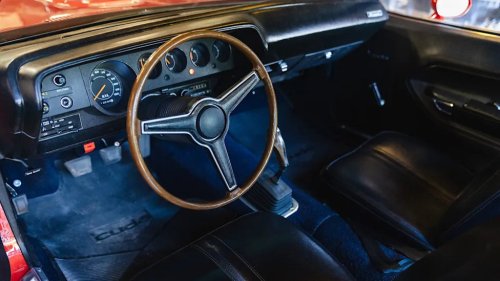
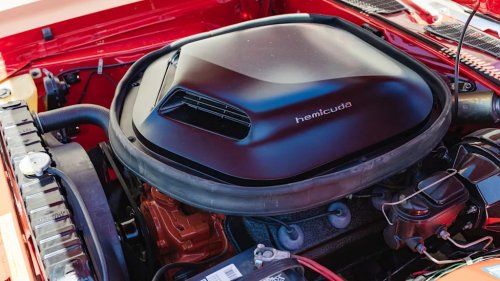
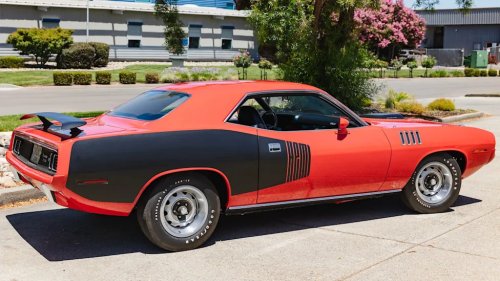
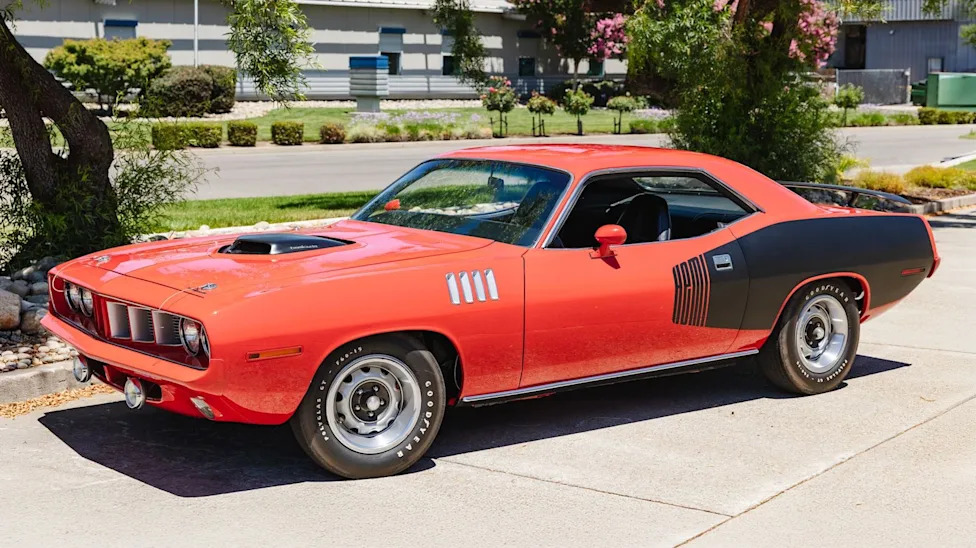
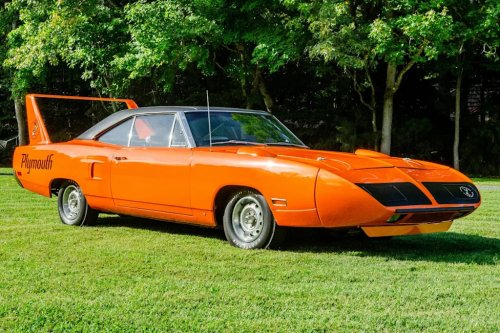
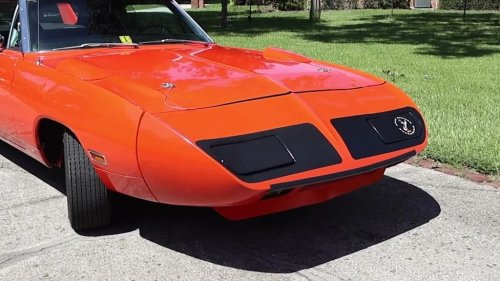
This Hemi Superbird Spent 18 Years on Track Proving Plymouth’s Wing Actually WorkedBackfire NewsEL PuckettThu, September 17, 2026 at 8:00 PM UTCAdd us on GoogleThis Hemi Superbird Spent 18 Years on Track Proving Plymouth’s Wing Actually WorkedAlmost every 1970 Plymouth Superbird that crosses an auction block has spent the last five decades carefully avoiding the one thing it was built to do. The nose cone and that absurd rear wing were aerodynamic hardware, homologation parts that existed because NASCAR would only let Plymouth race a shape it also sold to the public. Then the public bought them, hated them, discounted them, and eventually enshrined them in climate-controlled garages where the aero has nothing to push against.Lot R615 at Mecum's Kissimmee sale is the exception. This Alpine White Hemi car, VIN RM23R0A180651, spent 18 seasons getting shoved through the thin air above El Mirage and the Bonneville Salt Flats by a father-and-son team who apparently took Plymouth's engineering claims literally.Eighteen years of actually using the wingMecum's catalog documents the car as an SCTA land speed racer campaigned by Jim and Larry Lindsley from 1970 through 1988, and lists it as one of 135 Superbirds built with the 426 Hemi. It still has that engine. The listing is refreshingly honest about the gap: the original Hemi ran two competition seasons, came out, and sat in storage while the car raced on a rotation of purpose-built engines. It went back in during a 2000 restoration, and the 1970-71 livery was refreshed again in 2021.AdvertisementAdvertisementThe bodywork carries the receipts. There are parachute cable access holes cut through the tail lamp panel, and a cluster of holes in the passenger-side front fender from a period fuel cell the team mounted there while chasing weight distribution. Those are not flaws. Those are the difference between a car that raced and a car that says it did.Read the speed claims carefullyHere is where anyone bidding should slow down. The catalog cites a fastest one-way pass of 206 mph at Bonneville in 1971, 211.76 mph in 1972, a 220-mph run in 1975, and describes the Lindsleys as the first father-and-son pairing in the Bonneville 200 MPH Club.The 200 MPH Club's own membership roster tells a slightly different story, and it is worth understanding why. The club lists Larry Lindsley with a qualifying speed of 204.779 mph in 1971 and Jim Lindsley all the way back in 1953 at 202.070 mph, seventeen years before this Superbird existed. Those numbers do not contradict the catalog so much as measure something else. Land speed racing certifies a record on the average of two runs in opposite directions within a set window, which is why a headline one-way number and a certified number almost never match. A 206-mph one-way pass and a 204.779-mph certified average can both be true on the same weekend.That distinction matters far beyond this car. If you have ever wondered why a restored Superbird cracking 210 mph on a proving ground is a different achievement from a salt record, this is the reason. One is a speed. The other is a speed that survived a return trip.The market has a modified-car problemMecum's own results archive shows what numbers-matching Hemi Superbirds have been doing lately: $852,500 at Kissimmee in 2023 for an original-drivetrain car with 31,300 miles, $803,000 for a Hemi four-speed in 2025, $627,000 and $605,000 for documented automatics. Then there is the cautionary comp. A Superbird running a fuel-injected 528-cubic-inch stroker and a five-speed brought $209,000 at Kissimmee in 2024, roughly a quarter of what the best original cars make.AdvertisementAdvertisementWing car values have been jumpy enough lately that a Hemi Superbird has changed hands well under its own record price, and even a Richard Petty-owned example has failed to clear reserve. So the interesting question with R615 is which side of that split it lands on. It is a modified car by any normal definition, and it wears its modifications permanently. It also has something almost no other Superbird can claim, which is a documented competition career and its original engine back under the hood.Buyer homework, in orderThree things worth doing before this one crosses the block on January 15.Verify the engine independently. The listing includes an original broadcast sheet and an original pink slip in Jim Lindsley's name, plus a reproduction window sticker, which is disclosed and normal. What it does not mention is a Chrysler Historical Collection build record. Stellantis still fulfills VIN-specific build record requests for a modest fee, and on a car whose engine came out and went back in across a thirty-year span, that is money well spent.Treat production counts as marketing until proven otherwise. The 135-Hemi figure appears consistently across Mecum and Barrett-Jackson listings, usually split as 58 four-speeds and 77 automatics. RM Sotheby's has described a Hemi automatic Superbird as one of 74. Those numbers cannot all be right, and the registry data on total Superbird production runs to roughly 1,935 cars with only about two-thirds of them accounted for. Rarity claims on wing cars are an estimate wearing a suit.AdvertisementAdvertisementDo not restore the scars out. The temptation with a car like this is to weld up the fender and the tail panel and present a clean Superbird. That would erase the only thing separating it from the several hundred other restored Superbirds in the world, and it would take the value with it. The holes are the story.Kissimmee runs January 5 through 17, 2027 at Osceola Heritage Park. R615 is a Friday lot. If you want a Superbird that has actually been to the salt and come home, there is exactly one on the docket.Photography: Mecum Auctions. Auction details and vehicle documentation via the Mecum Kissimmee 2027 lot listing.Your Turn: Do you think aero like the Superbird's wing still matters on today's cars? Tell us what you think.