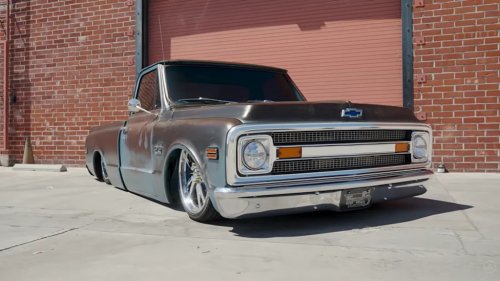
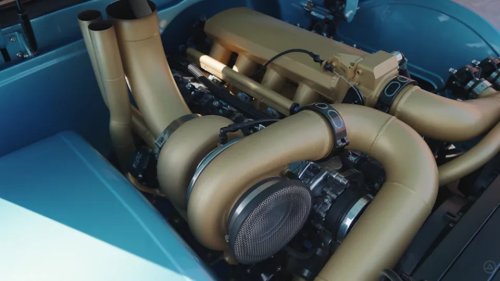
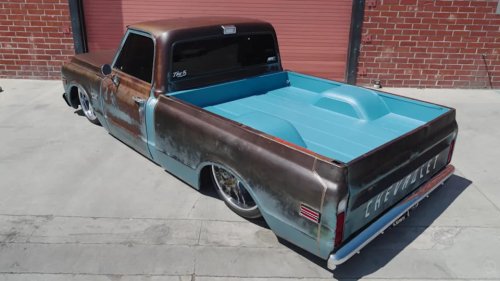
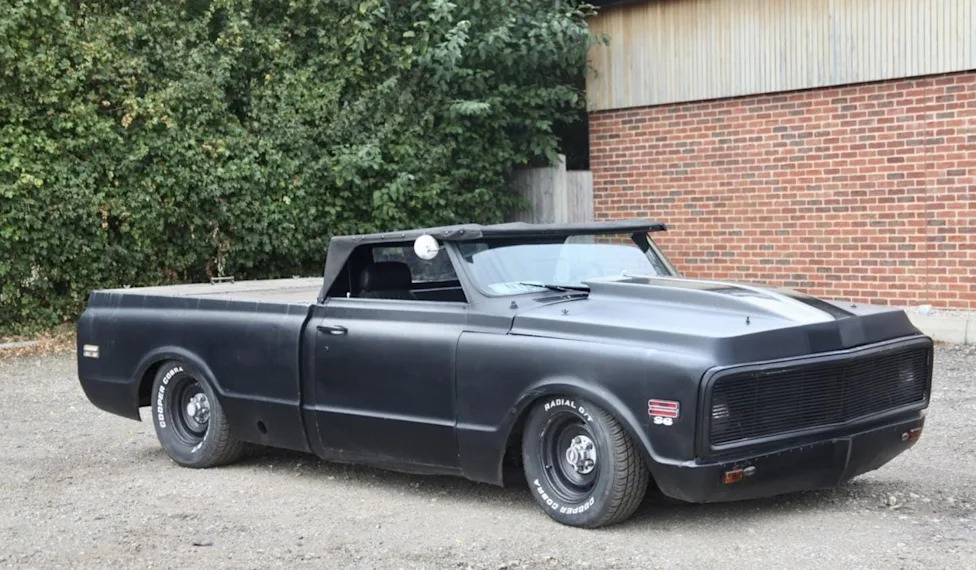
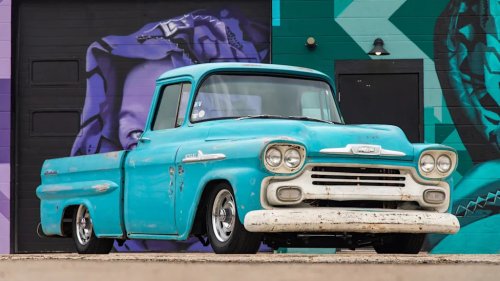
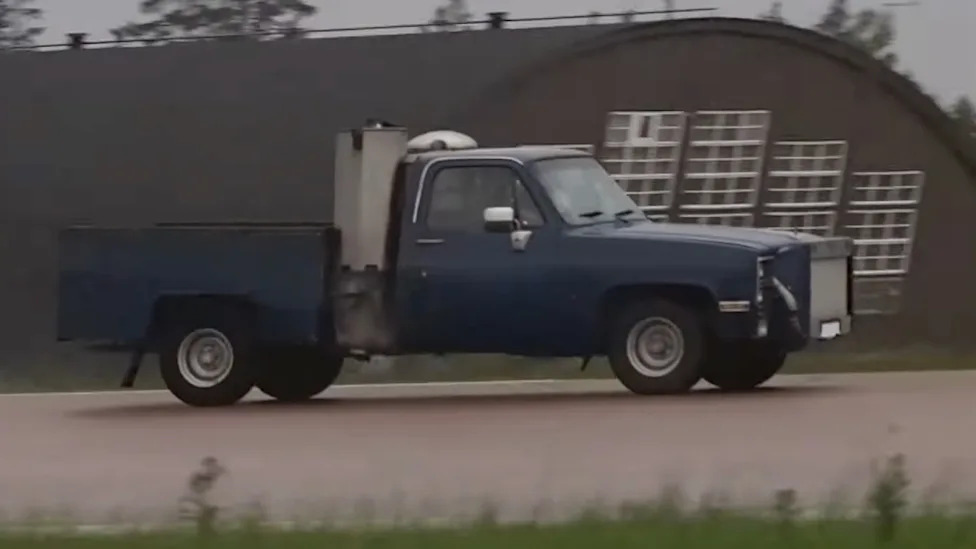
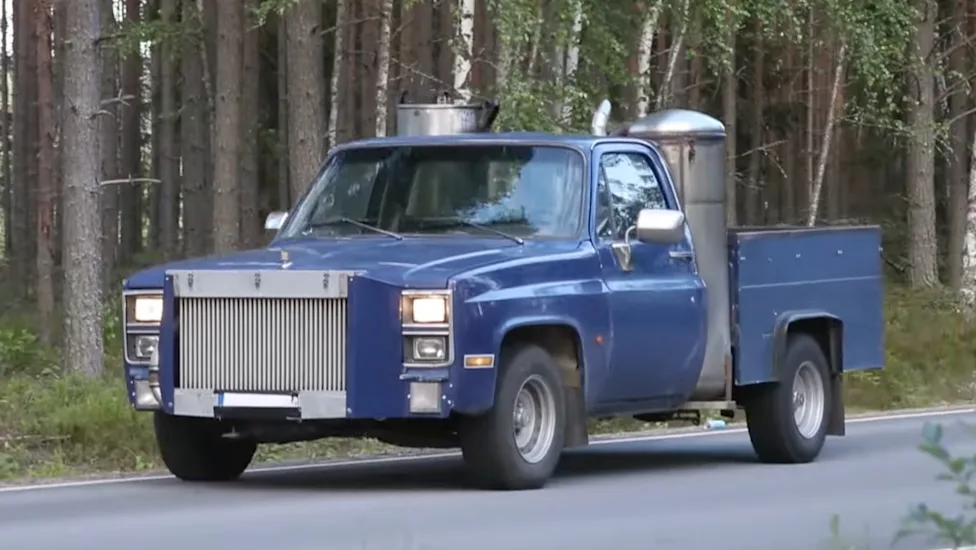
Wood-gas 1983 Chevrolet FleetsideMost of us don't have oil wells in our backyards, but trees are plentiful. With a little work, it's possible to make an internal-combustion engine run on wood gas and turn your backyard into a gas station. YouTuber Jp Prat Projects showed how it's done with a video of his dad's squarebody Chevrolet pickup, which hasn't used a drop of gasoline in more than 100,000 kilometers (62,000 miles). And it's fast, too.We covered this truck in a previous post, but since then, Jp Prat Projects has posted a second video of a standing-mile run on a closed airport runway. The truck achieved a top speed of 125 kph (77.6 mph), which Jp Prat Projects claims is a record for a wood-fired vehicle. That seems plausible, if only because there isn't exactly a lot of competition for fastest wood-powered car in the standing-mile and land-speed racing communities.Jp Prat Projects via YouTubeThe truck itself is a 1983 Chevy powered by a 350-cubic-inch V8 that actually dates to 1972. It's powered by wood gas created by the burning of wood chips in a large metal cylinder behind the cab. This releases carbon monoxide, which is combined with hydrogen in a device called a gasifier that also sits behind the cab. A filter keeps soot and ash from entering the gasifier, and a ball valve in between regulates flow.AdvertisementAdvertisementGetting to the airport involved a 211-kilometer (131-mile) drive. Average fuel economy over the entire round trip and standing-mile run was 80.5 pounds of wood per 60 miles. The wood-gas system is about 15% more energy intensive than burning gasoline, according to the video, but if you've got easy access to firewood that's not a huge difference. Burning wood is also close to carbon neutral, since trees absorb carbon dioxide from the atmosphere and release it when they die and decay anyway, the host notes.The downside is that a wood-gas vehicle takes a little longer to get going. The filter needs to be cleaned before firing things up, and like the steam locomotives that once crossed the country burning wood, ash and soot need to be emptied from a pan below the apparatus. You also need to light a wadded-up piece of newspaper in the bottom of the gasifier to get the fire started. It takes about five to 10 minutes to get going. However, the engine doesn't require any modifications, or any secondary fuel to start, as some alternative-fuel powertrains do.Wood chips also take up more space than liquid fuel. The bags of wood chips need for long-distance travel normally live in this truck's bed, for the speed-record attempt they were carried on a trailer towed by a support vehicle to keep the pickup as light as possible for its standing-mile run. Using all the cargo space of your vehicle for fuel is obviously not something that's going to work for most people, but it's still cool to see an antiquated technology get repurposed like this.



















 +17 others