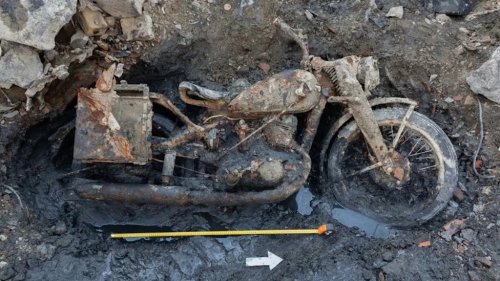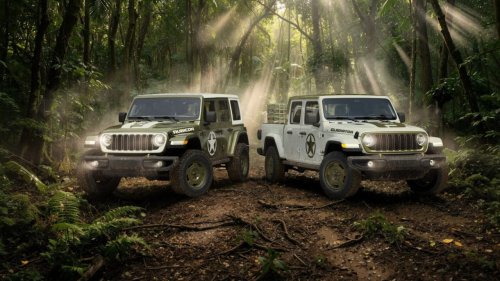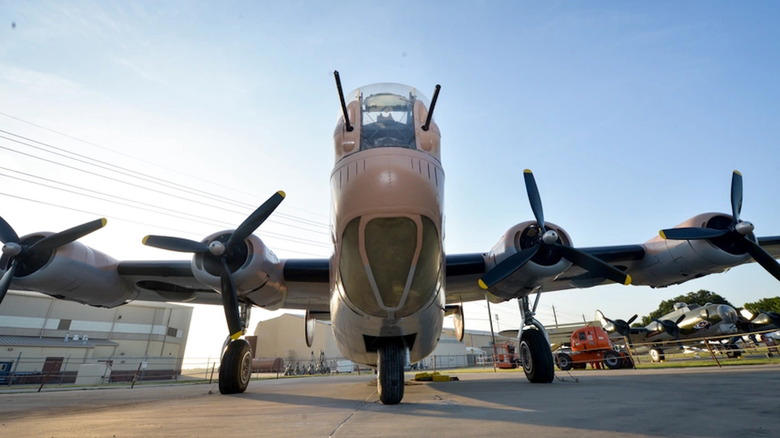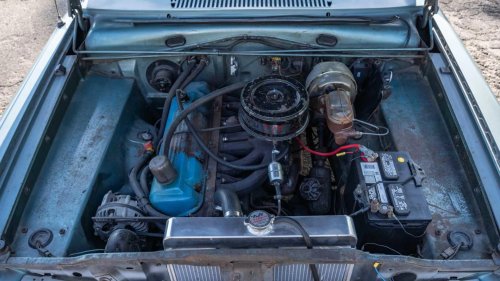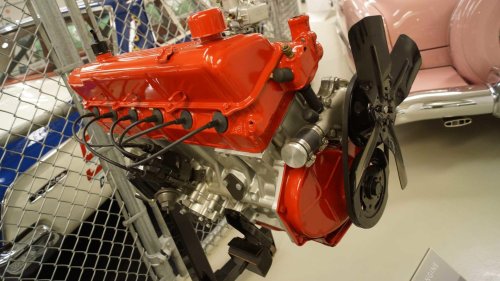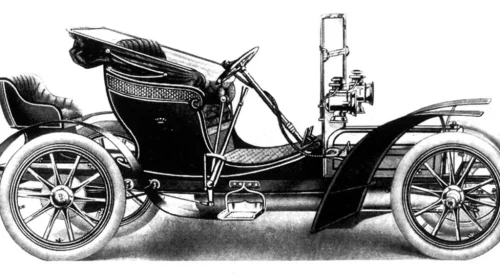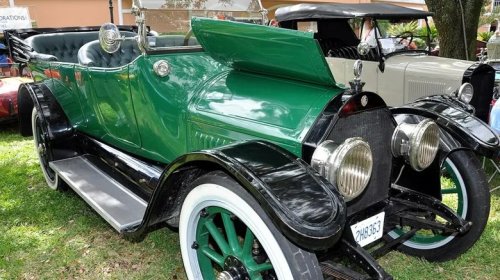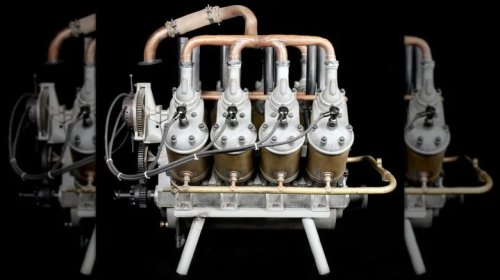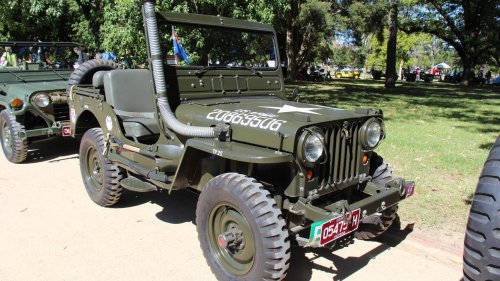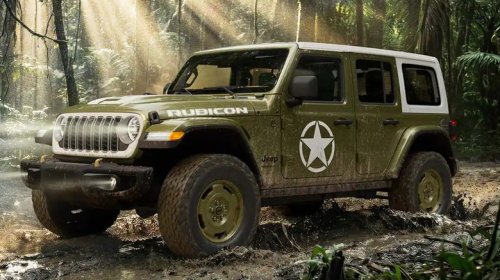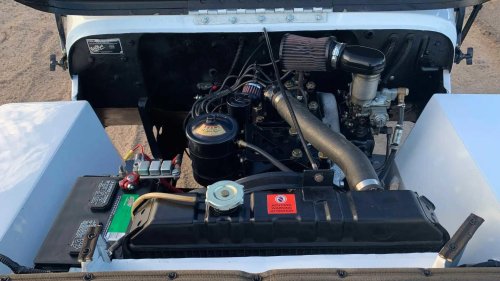
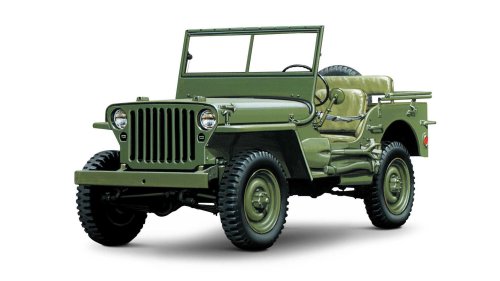
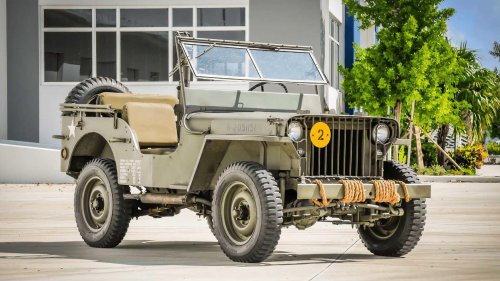
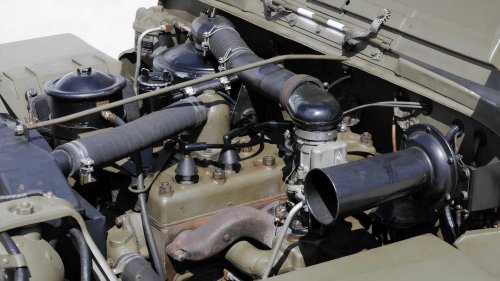
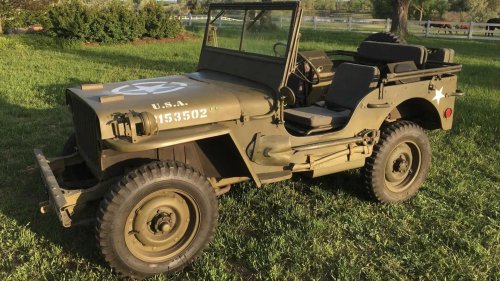
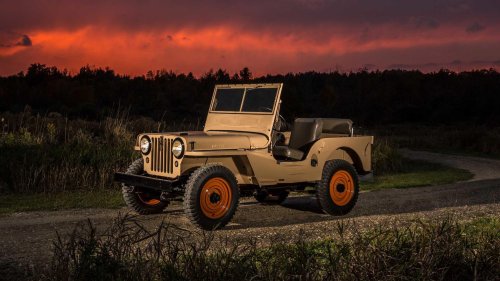
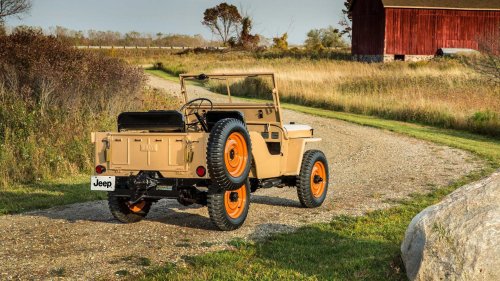
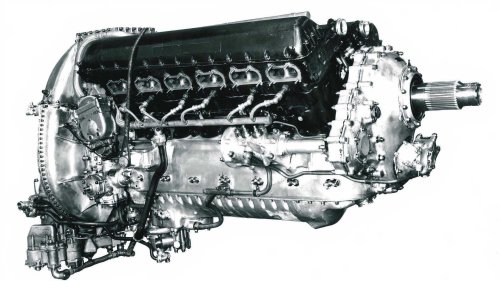
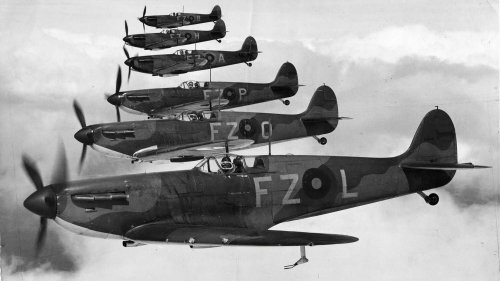
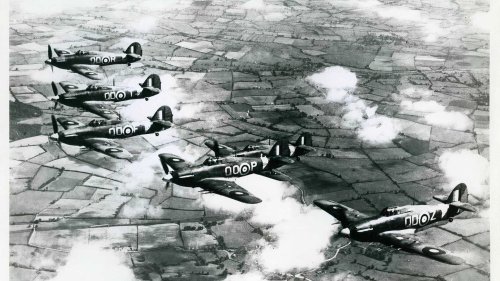

















Jump LinksYour favorite automotive manufacturer was most likely involved in the Second World War. General Motors built tanks like the M4 Sherman and M18 Hellcat, albeit through its many divisions, Buick and Cadillac. The Ford-built B-24 Liberator bombers, totaling roughly 8,600 units, produced at the Willow Run Bomber Plant.The offerings from General Motors and Ford were iconic instruments, but arguably the most iconic American vehicle of WWII was the Willys Jeep. It was the workhorse of the United States armed forces, becoming nearly synonymous with World War II. At the core of every Willy Jeep used by the US was arguably one of the most significant engines. The Willys Go-Devil Engine Bring a Trailer There are no good wars. However, as terrible as wars are, they often serve as powerful catalysts for technological advancement. In World War II, we saw the advent of everyday items like ballpoint pens and duct tape, but we also saw the debut of the now-iconic Willys Jeep, an integral tool in the United States' arsenal in the war.It was the product of the US military's need for a light reconnaissance vehicle. In response to the military's needs, three American manufacturers responded: Ford, Bantam, and Willys. Of the three prototypes offered to the US military, the Willys Jeep prototype had the most powerful engine, the Go-Devil.Jeep Still, while it was the most potent, it was also the heaviest jeep prototype, and only political intervention kept the Willys Jeep in contention. Ultimately, the military accepted Willys' design, and subsequently, the Go-Devil engine became one of the most influential and integral power units of the war. The Go-Devil engine wasn't a brand-new power unit from Willys. In fact, it was essentially a modernized version of the Willys Whippet Four inline four-cylinder engine. Nearly Every Jeep Used By The US Had One Bring A Trailer It was Willys-Overland Motors' vice president at the time, Delmar Roos, who was responsible for the many improvements that were introduced to the Whippet Four engine. Those improvements consisted of new aluminum pistons, a new cam lobe design, an improved valvetrain, a new crankshaft, all of which culminated in the updated engine producing 62 horsepower, significantly more than the original.It was intended to be used in the company's passenger cars in 1939, but it would eventually serve as the centerpiece of the Willys Jeep. While the Willys Jeep prototypes were unveiled in the late 1930s, it wasn't until 1941 that the arguably most recognizable iteration – the Willys MB – was introduced.Bring A Trailer However, around this time, it became evident that Willys-Overland was unable to keep up with production demand, and Ford was contracted to produce identical Willys Jeeps, following the company's blueprints to the letter. It reportedly cost Ford tens of millions of dollars to retool its factories to produce those Willys-licensed Jeeps.It was this version of the Willys Jeep that would become inseparable from World War II. It was reportedly popular with the military, earning a reputation for being able to go anywhere and do anything. General George Marshall, who acted as the US Army Chief of Staff during World War II, called it America's greatest contribution to modern warfare.Bring a Trailer A defining aspect of these Willys Jeep models was their interchangeable parts and components, their ability to mount high-caliber machine guns, and their versatility across different environments. Still, it was the Willys Go-Devil engine's capability that made it the dependable workhorse of the US Army during and after the war that sparked its creation."It did everything. It went everywhere. It was as faithful as a dog, as strong as a mule, and as agile as a goat. It constantly carried twice what it was designed for and still kept going." – Ernie Pyle, Scripps Howard WW2 reporter. It Was Used Well After WWII Ended Stellantis In the wake of nuclear weapons being used in Nagasaki and Hiroshima, which saw the deaths of hundreds of thousands of men, women, and children, World War II came to an end on the 2nd of September 1945. Through roughly half a decade of war across the globe, the Willys Jeep served in nearly every theater of war from campaigns in Northern Africa to the heart of Europe. By the time the war ended, more than half a million Willys Jeeps had been produced by both Willys-Overland and Ford.Again, of the roughly 600,000 examples produced, nearly every one had a Willys Go-Devil engine at its core, and even after the war ended, the Go-Devil engine continued to be used in civilian versions of the Willys Jeep. We saw the debut of the civilian version of the military workhorse, the CJ-2A. Instead of being designed for war, the CJ-2A was intended for use by farmers and in the agricultural sector.Stellantis Still, although omitting the 50 caliber machine guns and US Army emblems, the CJ-2A still relied on the same Willys Go-Devil engine as the Willys Jeep used in World War II. Although the war ended in 1945, production of the Willys Go-Devil engine continued. This was the result of the engine being used not only in the CJ-2A Jeep, but also in a handful of other vehicles. This included other models within the Willys catalog, such as the Willys Jeep Station Wagon, Willys' Ovelrtand CJ-3A, and the Willys M38, as well as cars outside the Willys catalog, like the Henry J, which was a passenger car rather than an SUV designed for war. Rolls-Royce's Engine Was Influential Too Rolls Royce While the likes of Ford and General Motors produced airplanes, tanks, SUVs, and other tools used in World War II, another automotive manufacturer played an integral role in that war. That manufacturer was Rolls-Royce, which, before creating some of the smoothest engines used in luxury production cars, had built one of the most influential engines of the war, the Rolls-Royce Merlin V12.BAE Heritage Instead of the Willys Go-Devil engine used in Jeep SUVs, this 12-cylinder power unit was the beating heart of some of the war's most iconic fighter planes used by the Allied Forces.The Rolls-Royce Merlin was a 27-liter V12 engine that benefited from the company's racing efforts during development, and by the mid-1930s, the first production version was built. It made its debut in the Fairey Battle, Hawker Hurricane, and the legendary Supermarine Spitfire. In its initial form, this engine produced 1,000 hp, but later iterations exceeded 2,000.In contrast to the Willys Go-Devil engine that remained true and relatively unchanged between its genesis and its end, the same can't be said for the Merlin V12. Interestingly, roughly 50 variations of the Merlin engine were created, each designed to address a specific issue or hurdle that had arisen in the previous version. It was used in some of the most famous and hallowed warplanes of the era, with applications ranging from powering standard fighter planes to powering heavy bombers.BAE Heritage Unlike the Willys Go-Devil engine that was replaced in the late 1950s, the Rolls-Royce Merlin engine continued to be used by the British Royal Air Force, albeit those engines are far removed from the V12's that dominated the skies during the war, and one example would eventually be used in a custom Rolls-Royce.Sources: Stellantis Media, Wikipedia,