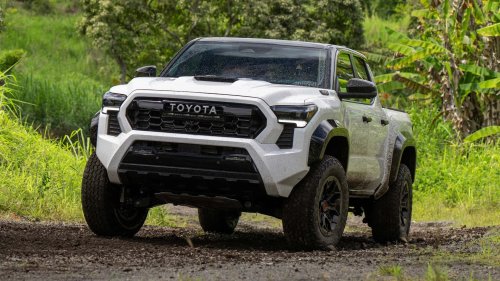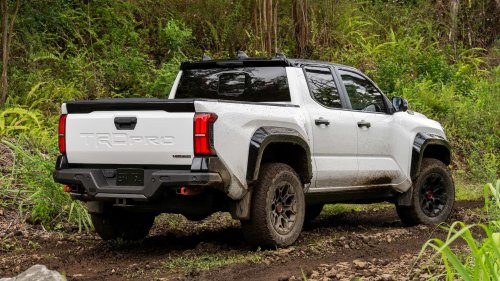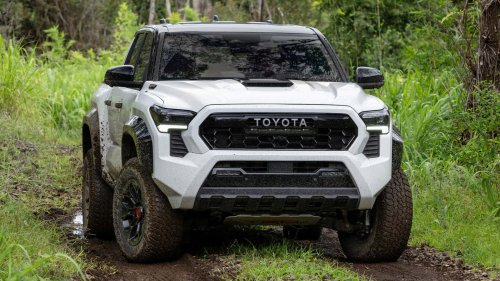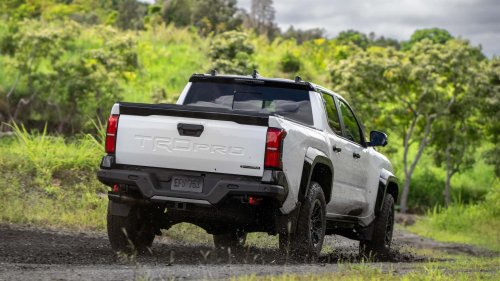

























The Truck Owner's Upgrade Path: How to Build Performance Without Destroying ReliabilityModifying a truck is one of the most satisfying things you can do as a vehicle owner — and one of the easiest ways to create expensive problems if you go about it the wrong way. The difference between a well-built truck that performs better than stock and one that spends more time at a shop than on the road usually comes down to sequence, quality, and understanding what the factory already did well.Whether you've got a work truck you want to make more capable or a weekend vehicle you want to sharpen, this guide covers the upgrade path that maximizes results without compromising the reliability that makes trucks worth owning in the first place.Start With the FoundationBefore spending a dollar on performance upgrades, make sure the fundamentals are solid. A truck that hasn't been properly maintained — fresh oil, clean air filter, correctly inflated tires, healthy brake pads — will not respond to modifications the way a well-maintained vehicle will. Worse, adding power to a mechanically compromised drivetrain accelerates existing problems rather than improving performance.AdvertisementAdvertisementOur complete guide to truck maintenance covers this foundation in detail. If you haven't worked through that checklist recently, do it before anything else. The best modification money you'll ever spend is keeping up with the maintenance that came with the vehicle when you bought it.The High-Value First MovesAssuming the truck is healthy, the modifications that deliver the most return for the least investment tend to fall into three categories: air intake, exhaust, and tires.A quality cold-air intake or upgraded air filtration system can improve throttle response and, on naturally aspirated engines, modestly increase output without touching anything else. On turbocharged trucks — which now represent a significant share of the modern market — better airflow into the engine pays dividends throughout the rpm range, not just at peak power.Exhaust modifications offer a similar return. Stock exhaust systems are engineered for a balance of noise, emissions compliance, and cost. An aftermarket cat-back system typically reduces backpressure, improves flow, and adds a more purposeful sound without requiring any changes to the engine itself. The sound alone is worth the investment for many truck owners.AdvertisementAdvertisementTires may be the most underestimated upgrade in any truck build. The contact patch between your truck and the road is determined entirely by the four footprints your tires make. Better tires — ones properly matched to your use case, whether that's towing, off-road, or mixed pavement — will make the vehicle feel fundamentally different without changing a single component under the hood.Suspension: The Upgrade That Changes EverythingA quality suspension upgrade transforms a truck's capability more completely than almost anything else you can do. Whether you're adding a mild level kit for visual effect or going with a full lift system for genuine off-road clearance, the changes to how the vehicle drives, feels, and performs are immediate and dramatic.The caution here is alignment and component compatibility. Lifting a truck changes the geometry of the suspension, which affects tire wear, handling characteristics, and stress on CV joints and other drivetrain components. Quality matters enormously in this category — cheap lift kits frequently create long-term problems that cost more to fix than the initial investment.If towing is a primary use case, consider aftermarket load-bearing components and upgraded shock absorbers before focusing on lift height. A truck that rides and handles confidently under a heavy trailer is infinitely more useful than one that looks impressive but becomes unpredictable when loaded.Powertrain Upgrades: Proceed CarefullyEngine and transmission modifications require the most research before you spend money. Tuning a modern truck's ECU can unlock meaningful gains — often 20-40 horsepower from a naturally aspirated engine, and significantly more from turbocharged applications — but it also affects fuel economy, emissions compliance, and potentially your warranty. Understand those trade-offs before proceeding.AdvertisementAdvertisementTransmission upgrades are often overlooked but can be the limiting factor in a built powertrain. If you're significantly increasing engine output, the stock transmission may not be rated to handle the additional torque over extended use. Address this proactively rather than reactively.The Restomod Philosophy Applied to Daily DriversThe most impressive truck builds approach the project the way a restomod builder approaches a classic — with a clear vision of what the finished vehicle is for, and a willingness to invest in quality at every step. The 550-HP 1979 Ford F-150 Ranger restomod we've been following represents the apex of that philosophy: a truck built to an uncompromising standard where every component serves the overall vision.Your daily driver doesn't need to reach that level. But the same principle applies: have a clear idea of what you want the truck to become, invest in components that can work together as a system rather than a collection of individual parts, and prioritize quality at every decision point. A truck built that way will reward you every time you drive it — which is exactly the point.