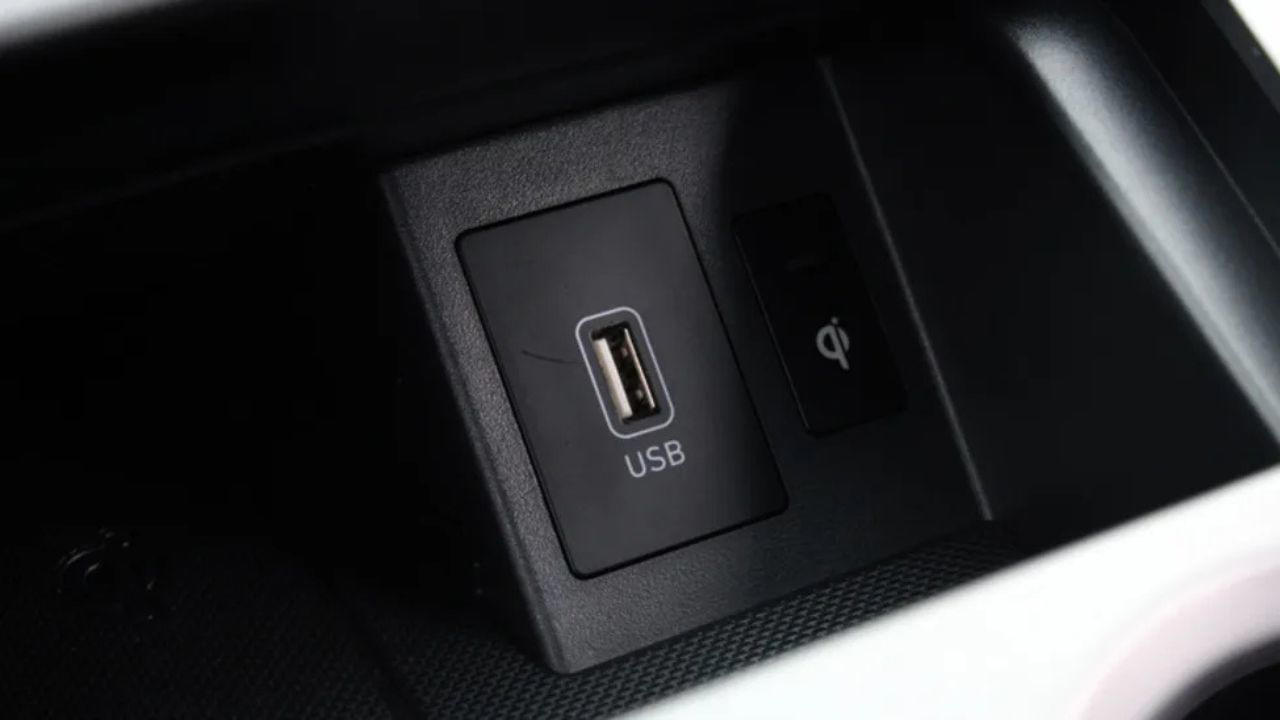



















The little-known feature in modern cars that can drain your battery overnightModern cars are packed with electronics that keep working long after the engine shuts off. One of the quietest power hogs sits right in the center console: the humble USB port. Left active, it can keep drawing current all night, and in some situations that is enough to leave a driver with a dead battery by morning. The problem is not the cable itself or a one-time phone charge. It is the way some vehicles keep their accessory circuits awake, combined with devices that never really power down. As more drivers rely on connected gadgets, that small trickle of energy starts to matter. What happened For years, drivers have blamed mysterious overnight battery failures on aging alternators or cold weather, only to find that the real culprit is a powered accessory port feeding a device that never sleeps. Modern USB outlets are designed to supply steady 5‑volt power to phones, dash cameras, streaming sticks, hotspot dongles and even portable refrigerators. In many cars, those ports stay live long after the ignition is switched off. Automakers route these outlets through what is often called the accessory or infotainment circuit. On some models, that circuit is tied to a timed relay that cuts power a few minutes after the driver locks the doors. On others, especially vehicles with keyless entry and complex telematics, the same circuit remains energized for much longer. The goal is convenience: a phone can keep charging while the driver runs into a store, or a dash cam can finish saving the last recording. That design choice looks harmless because the current involved is small. A typical USB port is rated for 0.5 to 2.4 amps at 5 volts. A smartphone that has reached a full charge may draw only a fraction of that, and the car battery under the hood often carries 45 to 70 amp‑hours of capacity. On paper, it seems like the battery should shrug off a few hours of trickle load. Real‑world use looks different. Devices rarely sit in a true standby state. A phone left plugged in overnight might wake periodically to check messages or run background updates. A dash cam with parking mode enabled is designed to stay partially active, watching for motion or vibration. A streaming dongle left in a rear entertainment port can keep its processor warm as it waits for a Wi‑Fi signal. All of that adds up to a constant draw that never gives the battery a break. Specialists who track parasitic drain have seen this pattern often enough to treat USB accessories as a standard suspect. When a driver complains of repeated no‑start mornings, technicians will measure current at the battery with the car locked and everything apparently off. If the reading sits well above the tiny baseline that modern control modules require, they start pulling fuses. The accessory and infotainment circuits, which feed USB hubs and 12‑volt sockets, are frequent offenders. Guides aimed at everyday owners now warn that a phone charger or dash cam left in place can contribute to overnight drain, especially on vehicles that already have other background loads. One such warning explains that even a small device can keep drawing power if the port stays live, and that repeated deep discharges will shorten battery life over time, not just cause an occasional no‑start, a point echoed in advice on leaving USB devices plugged in. The underlying electrical issue is not new. Older cars had cigarette lighter sockets that sometimes stayed powered all the time, and drivers who left a cooler or air compressor connected could drain the battery. What has changed is the sheer number of devices that now expect continuous power and the way they interact with the car’s control modules. A dash cam that senses motion can wake the body control unit, which in turn wakes other modules. The result is a cascade of small loads that together become a meaningful drain. Why it matters The immediate risk is straightforward: a car that will not start. That tends to happen at the worst possible moment, after an overnight park in cold weather or at an airport where the vehicle has been sitting for days. A 12‑volt battery that has been drawn down by a few amps for hours may still turn on the interior lights and infotainment screen, yet fall short when the starter motor demands a surge of current. Repeated deep discharges also damage batteries in quieter ways. Lead‑acid designs used in most vehicles are built for short, heavy bursts of current, not for being slowly drained and recharged. Each time a USB‑fed accessory pulls the battery down while the engine is off, lead sulfate crystals can accumulate on the plates. Over time, that sulfation reduces capacity and shortens service life. A driver who might have expected five years from a battery can end up replacing it after two or three. The financial cost is not trivial. A modern absorbed glass mat battery, common in vehicles with start‑stop systems, can cost significantly more than older flooded designs. Add the expense of a tow or roadside jump, and a habit as simple as leaving a phone plugged in starts to look more expensive than the convenience it provides. There are safety angles as well. Drivers who find themselves stranded in remote areas or extreme weather because of a drained battery face more than an inconvenience. Emergency services often advise that vehicles be kept in good electrical health so that hazard lights, heaters and communication devices remain available when needed. A car that will not crank because a dash cam or hotspot drained the battery overnight undermines that basic resilience. The issue also intersects with broader trends in automotive design. As manufacturers add advanced driver assistance, connected services and over‑the‑air update capability, the background electrical load on a parked car increases. Even without any accessories plugged in, control modules periodically wake to check for remote commands or to maintain security systems. When a USB‑powered device is added to that baseline, the margin shrinks further. Electric vehicles highlight the same tension in a different way. Their high‑voltage traction batteries grab most of the attention, but they still rely on a low‑voltage system to run computers, locks and lights. In some designs, that low‑voltage battery can be drained by accessories or software glitches, leaving the car unresponsive even if the main pack is charged. A USB port that stays live in an EV can therefore create a similar headache, though the specific behavior depends on how the manufacturer manages auxiliary power. Consumers often assume that modern cars are smart enough to protect themselves. Many are, to a point. Some vehicles monitor battery voltage and will shut down accessory circuits automatically if the charge falls below a threshold. Others dim interior lights or display warnings if doors are left open. Yet those protections are not universal, and they do not always account for third‑party accessories that talk to the car in unexpected ways. Dash cameras with parking mode illustrate the trade‑offs. Drivers install them for security, so they want the camera watching while the car is parked. To achieve that, installers often hard‑wire the camera to a circuit that remains live with the ignition off. Better kits include a voltage cutoff module that disconnects the camera if the battery drops too low. Cheaper setups skip that safeguard, leaving the battery exposed to a constant draw whenever the car is unattended. Even something as simple as a Bluetooth dongle in an auxiliary socket can matter. Devices that provide diagnostics or music streaming over Bluetooth often stay partially awake to listen for a connection. If the port feeding that dongle is always powered, the device becomes a permanent resident on the electrical system. On a new battery with plenty of reserve, the effect might be modest. On an older battery that already struggles in winter, it can be the tipping point. There is also an environmental angle. Manufacturing and recycling lead‑acid batteries carries a material footprint, from lead mining to acid handling. Extending battery life by avoiding unnecessary deep discharges reduces that churn. While a single USB cable will not change global emissions, the combined effect of millions of cars replacing batteries earlier than necessary is not negligible. What to watch next Drivers have more control over this problem than they might think. The simplest step is to learn how a specific car behaves. Some models cut power to USB ports within seconds of turning off the ignition. Others wait for the doors to lock or for a timer to expire. Owners can test this at home by plugging in a phone, turning off the engine and watching whether the charging icon disappears after a few minutes. Removing devices when the car is parked for long periods remains the most reliable safeguard. Unplugging a phone, dash cam or streaming stick before leaving the vehicle overnight eliminates one more variable. For drivers who rely on a dash cam’s parking mode, choosing a kit with a built‑in voltage cutoff and setting that threshold conservatively helps protect the battery while still capturing incidents. Regular battery checks also matter. Many parts stores and service centers offer quick load tests that measure both voltage and reserve capacity. Catching a weakening battery early gives drivers a chance to adjust habits, such as limiting parked accessory use, before the first no‑start event. It also creates a clearer picture when diagnosing drain: if a relatively new battery keeps dying, parasitic loads become a prime suspect. On the design side, automakers are already under pressure to manage parasitic draw more aggressively. As connected features expand, engineers must balance always‑on convenience with the finite capacity of a 12‑volt system. That pressure is likely to grow as more vehicles adopt advanced driver assistance packages that depend on healthy low‑voltage power for sensors and processors. Future models may treat USB power more dynamically. Instead of a simple on‑or‑off behavior tied to ignition state, cars could recognize the type of device connected and adjust accordingly. A phone could receive a fast charge while the engine runs, then a limited maintenance charge for a short window after shutdown, followed by a full disconnect. A dash cam could communicate its presence and negotiate a safe parking mode that respects battery limits. Software updates may also play a role. Vehicles that already support over‑the‑air changes could receive revised power management strategies that shorten the time accessory circuits stay live, or that add smarter thresholds for cutting off ports. Owners might see new settings in infotainment menus that let them choose how long USB outlets remain active after the car is locked. Regulators and safety organizations are watching parasitic drain as part of a broader focus on vehicle reliability. While there is no widespread rule that targets USB ports specifically, standards around electrical system performance and battery durability influence how manufacturers design accessory circuits. If repeated no‑start incidents tied to powered ports become common enough, that could feed into future guidance. More from Fast Lane Only Unboxing the WWII Jeep in a Crate 15 rare Chevys collectors are quietly buying 10 underrated V8s still worth hunting down Police notice this before you even roll window down