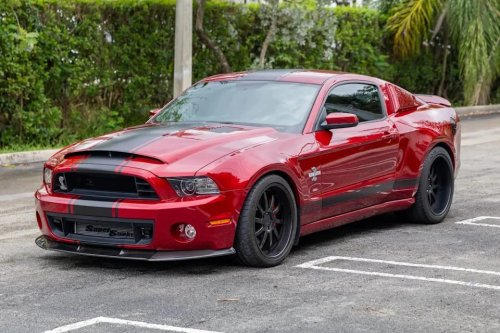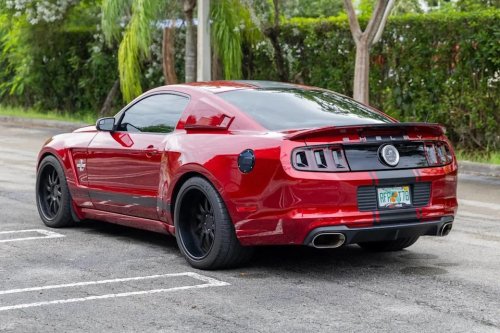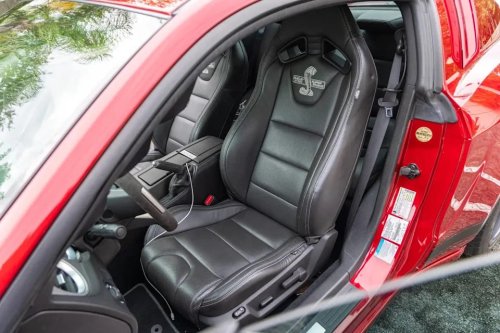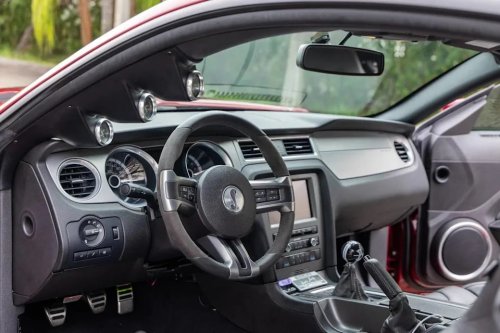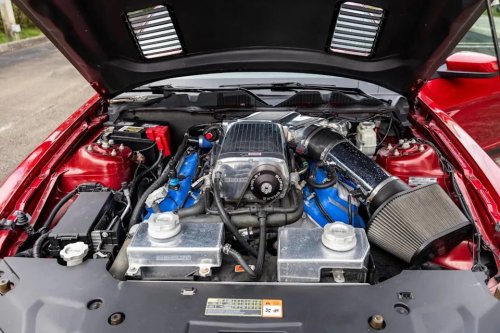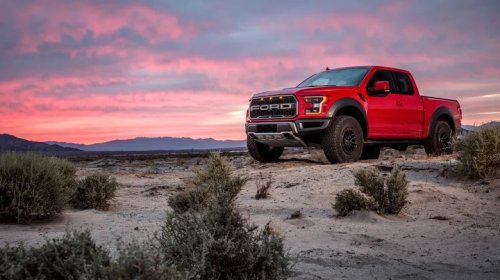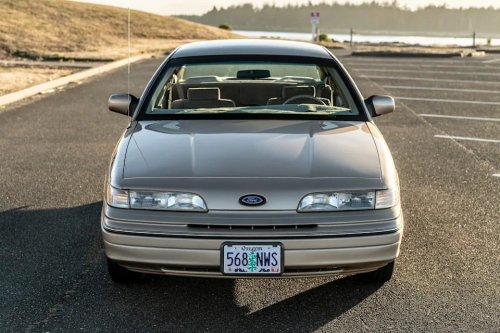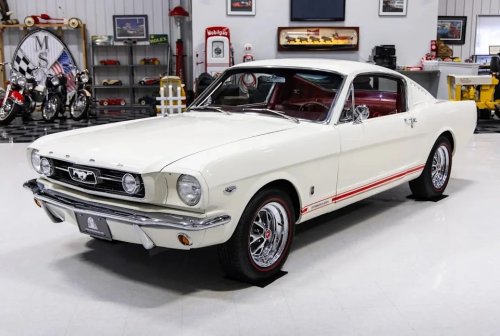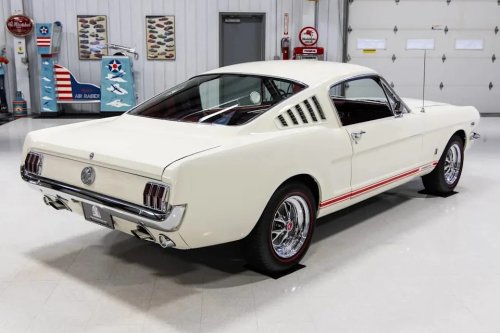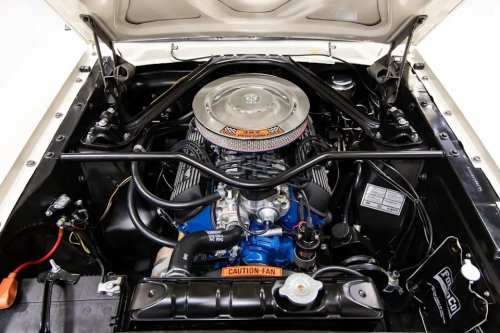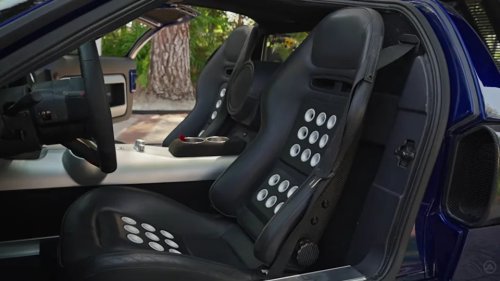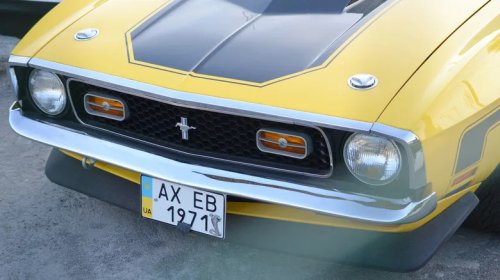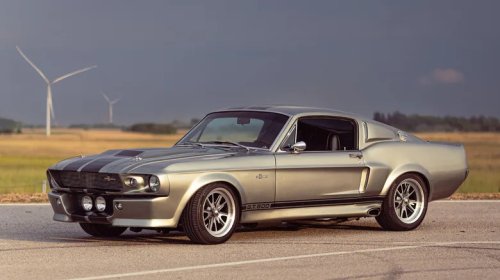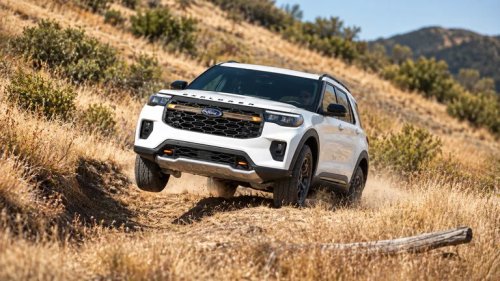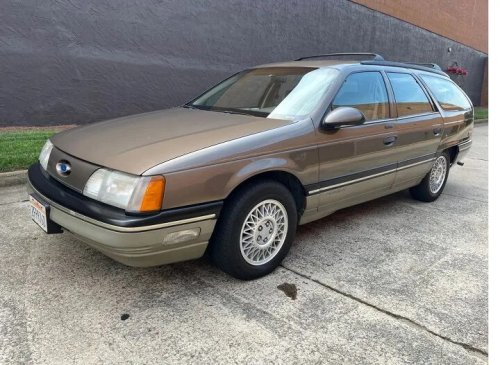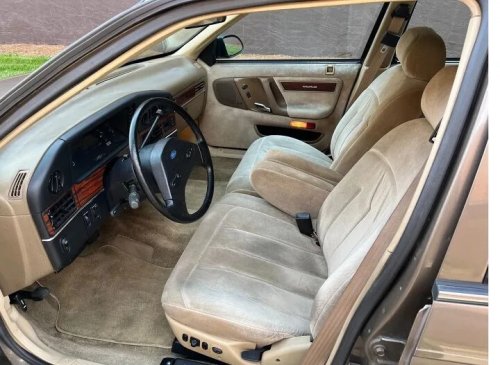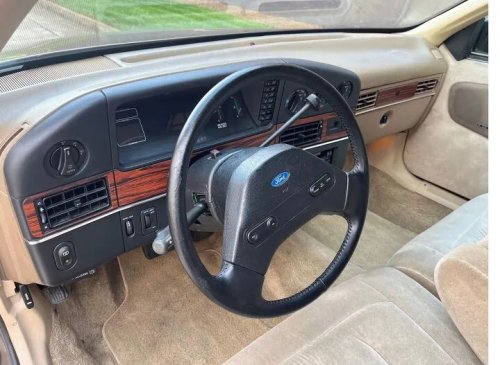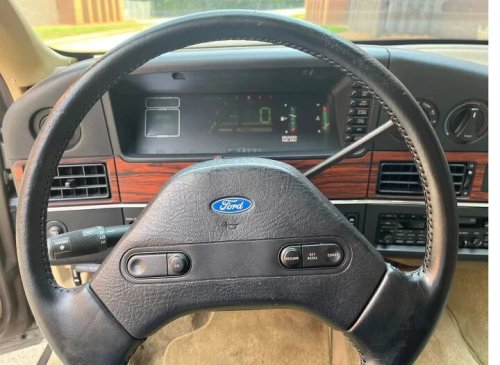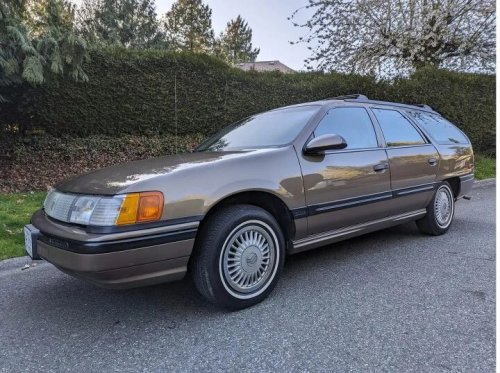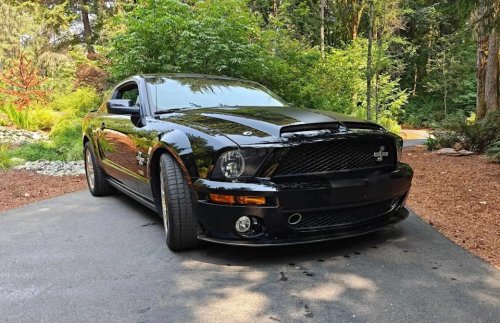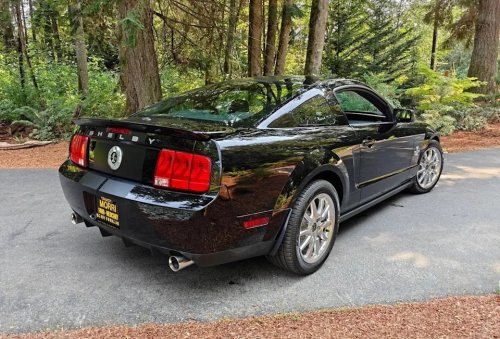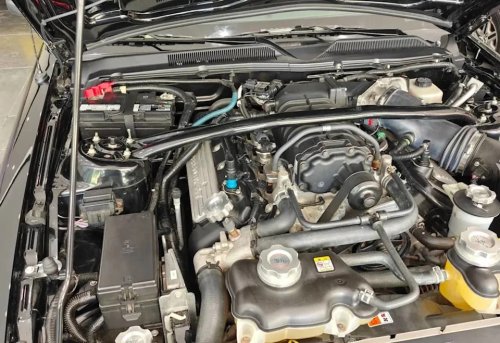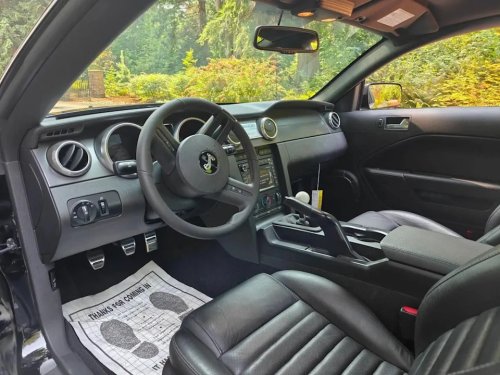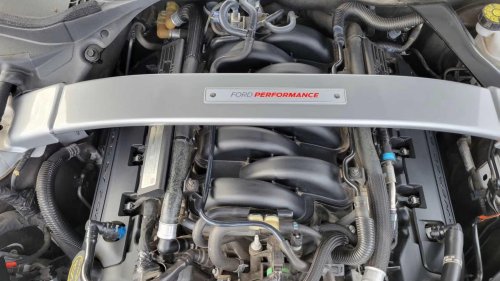
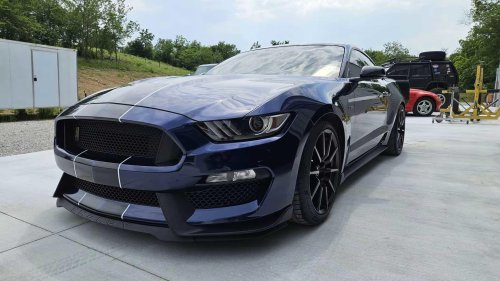
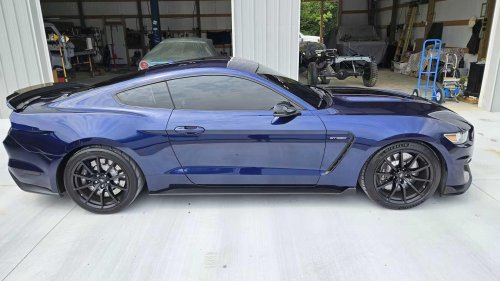
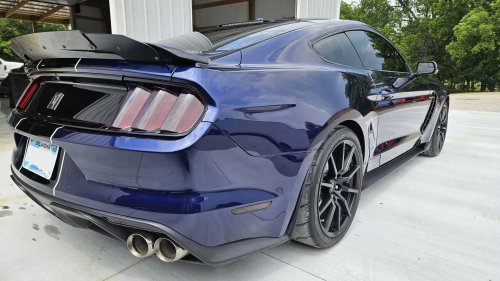
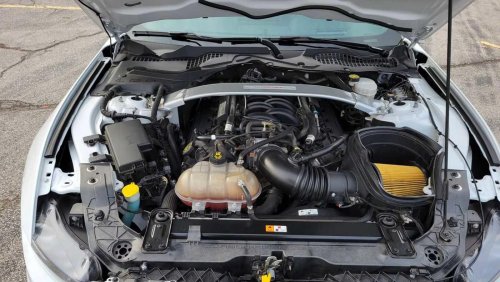
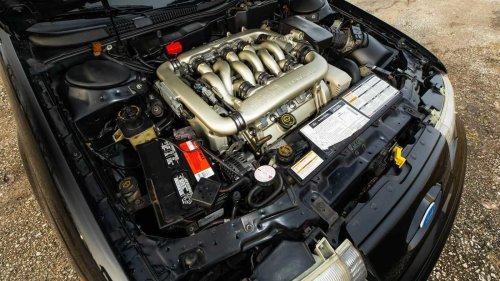
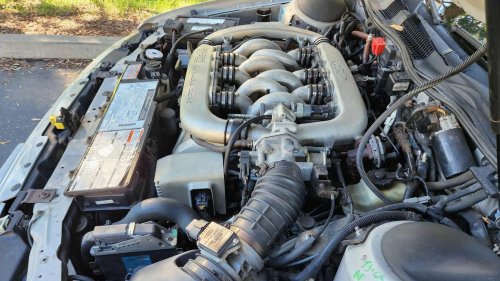
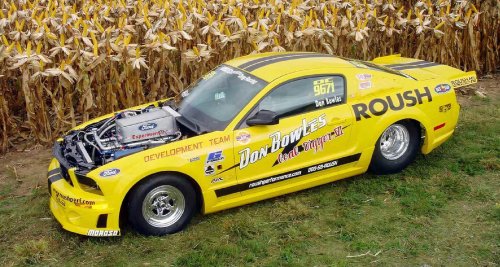



















Most V8 engines don't need sky-high redlines to make serious power. Their displacement handles the heavy lifting, delivering torque without the drama of something like the Ariel Atom's 10,600-RPM screamer. But Ford has built its share of exceptions over the years, including one that sits under the hood of an American muscle car icon.With 120 years of engine development under its belt, Ford knows its way around a V8. The company has built everything from tank engines to some of the most powerful V8s ever produced. But one particular engine stands out for a different reason – it revs higher than any other production V8 Ford has created. The 5.2-Liter Voodoo V8 Is The Highest Revving Ford Engine Ever Mecum AuctionsFord Voodoo V8 Specs With a factory-set redline of 8,250, the 5.2-liter Voodoo V8 takes the cake as the highest-revving Ford V8 engine ever built. The powerplant hit the market in 2015, with its primary use being in the Shelby Mustang GT350 and GT350R muscle cars. The Voodoo was immensely powerful, given it was naturally aspirated, as it produced 526 hp and a meaty 429 lb-ft of torque. The Secret Behind The Ford Voodoo V8's Redline Mecum Auctions The main secret behind its high-revving nature is the 5.2 V8's flat-plane crank layout. A flat-plane engine has the four connecting rod journals spaced 180 degrees apart, as opposed to the more common cross-plane layout, which sees the journals spaced 90 degrees apart, according to SAE International. Cross-plane engines tend to need large counterweights to balance the engine, while flat-plane powerplants don't. This means there is less inertia when the engine is running, allowing it to rev more freely than a cross-plane engine.Mecum Auctions This ensures that flat-planes can achieve a higher peak rpm figure than a cross-plane, though they have less low-end torque as a consequence. A flat-plane engine also tends to have a higher-pitched screaming tone, while a cross-plane rumbles. Due to the lack of big counterweights, the overall weight of the engine can also be kept lower than a conventional cross-plane configuration.Mecum AuctionsFlat-plane engines tend to produce more vibration than cross-planes, though, so Ford incorporated components such as a dual-mass flywheel and exhaust dampers to make sure the GT350 didn't rattle its owner's teeth. The Voodoo V8 Is Choc-Full Of Advanced Technology Ford went all-in developing the Voodoo engine for the Shelby GT350, determined to dominate the naturally aspirated muscle car market. The aluminum block and cylinder heads shaved 13 pounds compared to the Mustang GT's 5.0-liter Coyote V8. Ford equipped it with forged pistons and connecting rods to handle the extreme loads, plus an oil squirter system that kept the pistons from overheating during hard runs.The engineers used composite camshafts to cut weight further. CNC machining shaped the head ports and combustion chambers, ensuring each engine met exact specifications. This precision manufacturing improved both quality control and long-term reliability. The same technology now helps produce components for custom builds across the industry.Mecum Auctions Despite its lightweight design and unmistakable exhaust note, Ford retired the flat-plane Voodoo after just five years. The naturally aspirated GT350 disappeared in 2020. This new Predator engine cranks out 760 horsepower and 625 lb-ft of torque. Ford Performance sells a crate version for $25,000, though it uses the same cross-plane configuration as the production Predator.The Voodoo's run was brief, but its high-RPM wail secured its place in muscle car history.Find [[default_name]] and more cars for sale on our MarketplaceShop Now The Ford SHO's V6 Had To Be Limited To Prevent Blowing Up Mecum AuctionsAnother of Ford's particularly high-revving engines had to be electronically limited to 7,000 rpm, which still makes it one of the brand's most revving engines ever, to stop it from detonating. The 3.0-liter SHO V6 was another short-lived engine that powered the Taurus SHO performance sedan between 1989 and 1995.Producing 220 hp and 200 lb-ft of torque was a solid performance benchmark for a family sedan in the late 1980s, though its main party piece was the peak revs it could achieve. During testing, the SHO V6 could reliably achieve a lofty 8,500 rpm. Ford had to limit it to 7,000 for production due to problems with the accessory drive system, though the engine internals themselves could easily deal with the pressure.Cars and Bids Designed in conjunction with Yamaha, the V6 featured advanced features such as a dual-overhead cam, four-valve per cylinder heads, and a collection of three combustion chambers. Each of these came with a pair of 35 mm intake valves, while the head castings are made of aluminum to help keep weight down.A trick dual-plenum combustion chamber design also ensures the engine can run efficiently at low revs, as below 4,000 rpm six specially-tuned long small diameter runners feed air to the engine. When the powerplant rises past this limit, butterfly valves open up to allow air from six short-bore intake runners to keep the engine happy.The engine was eventually replaced in the Taurus SHO with a naturally aspirated 3.4-liter V8 in 1995. Abandoned 7.0-liter Boss Engine Was Capable Of Hitting 9,000 RPM Don Bowles RacingFord Boss V8 SpecsWhile the Voodoo V8 featured in the fascinating Shelby GT350 is the highest-revving engine featured within a production Ford, one engine the manufacturer was working on had the potential for even greater heights. Looking to develop a new powertrain for its truck range in the mid-2000s, Ford was keen to develop a 7.0-liter V8 that could rev to around 7,000 rpm.Known internally as the 'Boss', the large capacity engine featured wider bore spacing compared to some of its other offerings of the time. Ford eventually elected to abandon the development of the 7.0-liter unit, though it would live on as a smaller 6.2-liter engine that later featured in vehicles such as the 2010 SVT Raptor.As per Hagerty, successful drag racer Don Bowles was coming out of retirement and was looking for a project to get going. After talks with Ford, he ended up getting his hands on the development 7.0-liter engine. He later brought on NASCAR heavyweights Roush Performance to help upgrade the engine for the track, where they found it quickly was able to reach 9,000 rpm.Now running at its full potential, Bowles managed to break the nine-second quarter mile in his drag Mustang fitted with the Boss engine. He ended up finishing second in the 2007 NMRA points standings with three event wins, though the powerplant was replaced for the following year by an ex-NASCAR Ford D3 unit.With the current demand for turbocharged engines dominating the current automotive outcrop, there is seemingly less and less chance of one of Ford's engines exceeding the Voodoo's 8,250 rpm redline. Having recently committed to keeping its V8s alive for as long as possible though, maybe there is a sliver of hope.Sources: Hemmings, SAE International, Ford Performance, Car and Driver 1988, Hagerty, Ford, Mecum Auctions, Don Bowles Racing