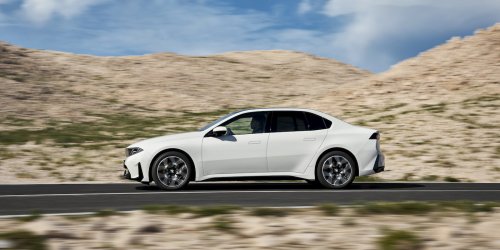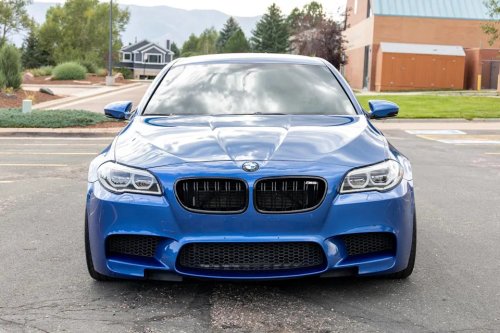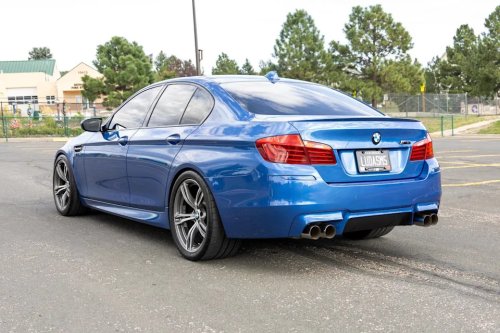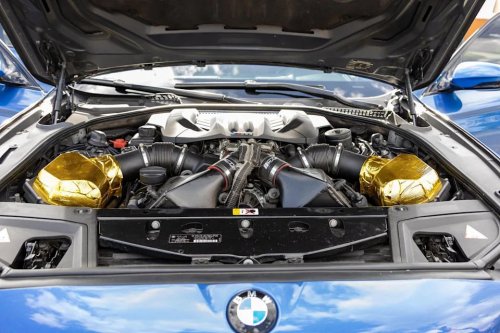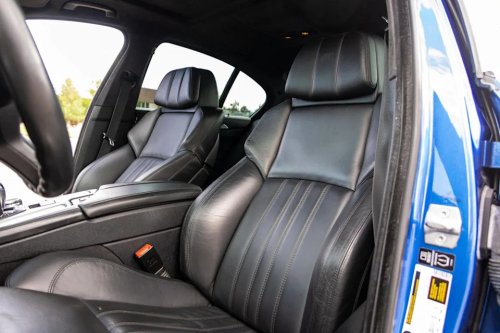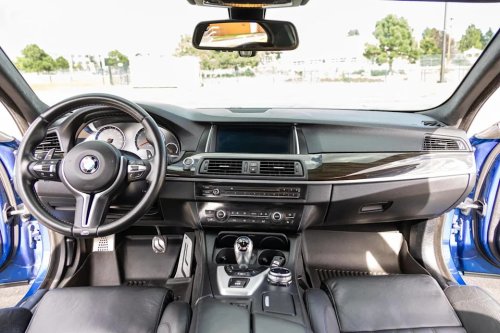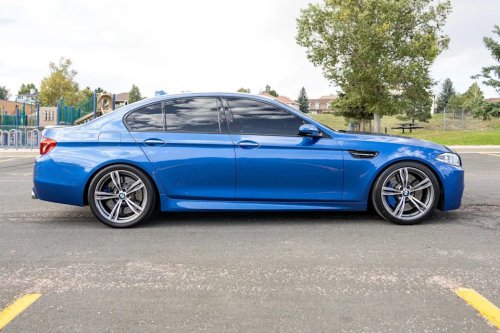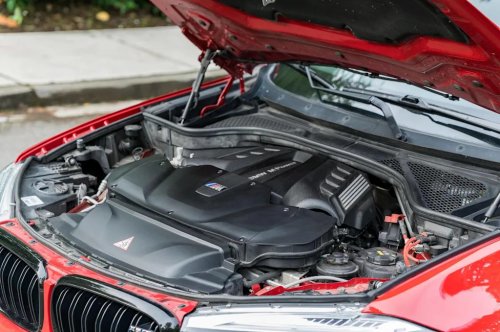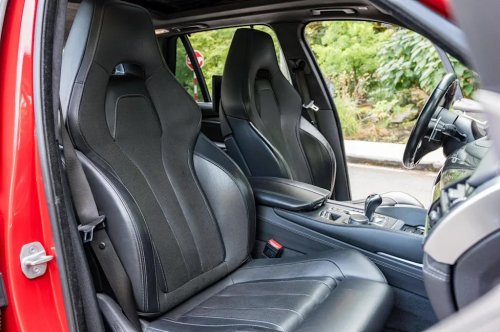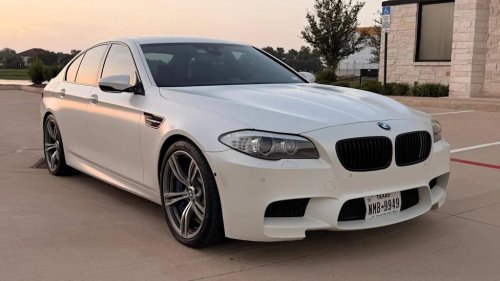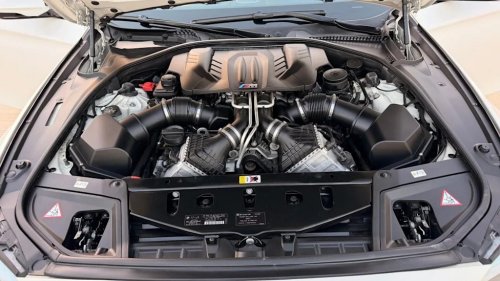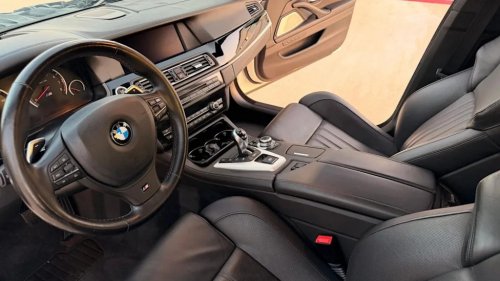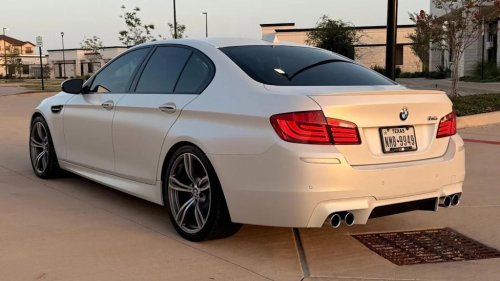
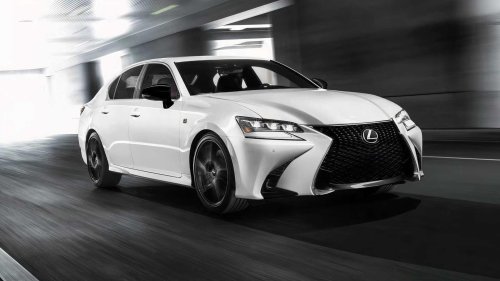

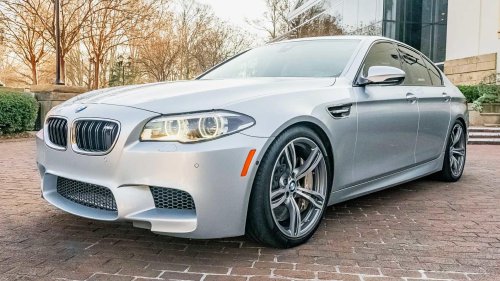
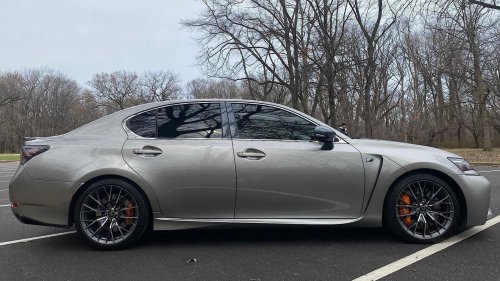
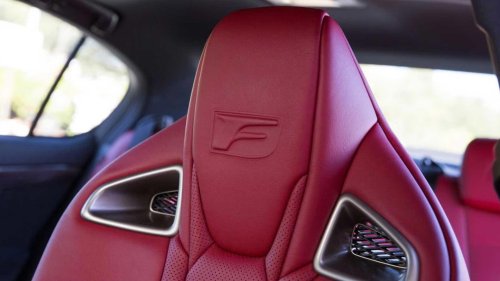
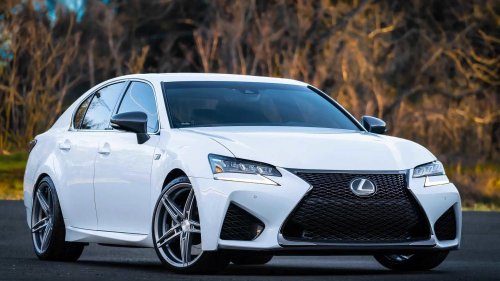
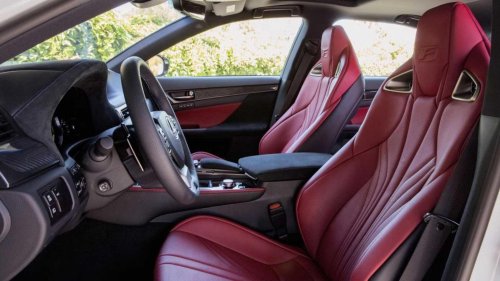
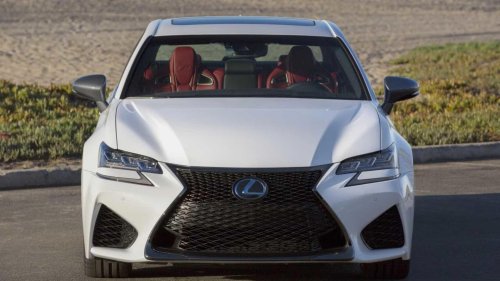
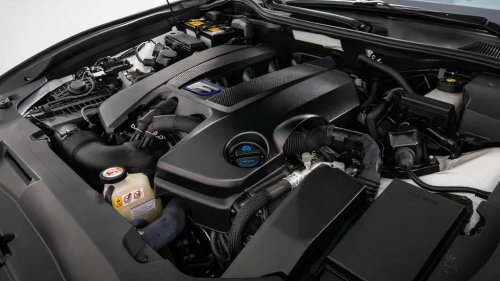
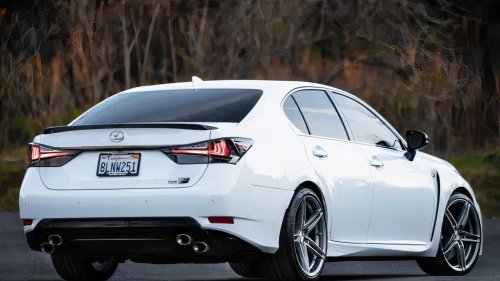



















The late 2000s and 2010s were a transitional era for the concept of what a performance sedan should be. German manufacturers turned to a relentless pursuit of higher horsepower numbers, adding turbochargers and, later, electronic aids with increasingly complex electrical systems. Over the next several years, the bar was continually raised with more power, tech, and comfort, but with a growing notion that the car knew better than the driver.The cars coming from BMW and Mercedes were putting out incredible numbers for the time, but Japan, just coming out of its automotive glory days, managed to sidestep this tech/horsepower arms race, particularly Lexus engineers. For Lexus, the focus remained on building cars that delivered genuine satisfaction on real-world roads and not the perfect surfaces of test tracks. They remained focused on both the joys and the reality of daily driving— the fun backroads and the inevitable potholes. Anatomy Of A Deliberate Outlier Bring A Trailer To understand why this specific platform became such a closely guarded secret among driving purists, one has to look entirely outside the parameters of the contemporary horsepower wars. While the rest of the industry shifted toward forced induction, heavy all-wheel-drive systems, and pretty much heavy everything, a small group of engineers within Lexus did something radical for the mid-2010s: they doubled down on mechanical fundamentals.The development of this sedan was directed toward extensive structural bracing, bespoke suspension geometry, and a natural, predictable chassis rotation. Rather than using software and complex active anti-roll bars to mask structural flex or weight, the engineering team spent thousands of hours tuning the car's physical baseline to ensure its behavior was honest from the very first millimeter of steering input. The Significance Of Low-Volume Production Toyota This purist philosophy meant the car was compromised for the mass market—and that was entirely by design. It was never intended to compete on a global sales chart, acting instead as a rolling manifesto for the brand's engineering capability rather than a volume-focused commercial product.Over its entire five-year production run, fewer than 2,500 examples saw North American shores. Rivals were aiming more towards that trend of American cars and stamping out tens of thousands of heavy, complex sedans a year. However, this car was quietly assembled for the specific long-term owner who prioritized steering lucidity, mechanical durability, and tactile feedback above all else. The GS F Formula: Defying The Digital Age Lexus When the Lexus GS F arrived for the 2016 model year, it may have flown under the radar, but beneath its understated exterior, the GS F adhered to a different philosophy. It was powered by a naturally aspirated 5.0-liter V8—the 2UR-GSE (for those who appreciate the finer points of engine lineage) paired with an eight-speed Sports Direct Shift automatic. There were no turbochargers or hybrid systems, only traditional displacement, high-revving character, and rear-wheel drive. It was the sort of formula that would have earned a quiet nod of approval from an engineer in the mid-1990s. Who Is The GS F For? Lexus The GS F was never really designed to dominate drag strips or headline sales charts. Yet for those who valued the raw connection between car and driver, it offered a rare and rewarding experience. This was a car engineered to make the journey engaging, rather than going for acceleration times.Out in the real world, roads have imperfections. There are potholes, changing cambers, patched pavement, and unexpected bumps. A chassis that performs brilliantly on a smooth skidpad can suddenly become unsettled when the environment becomes unpredictable. Ask anyone who has ever done autocross in an old abandoned parking lot. This is exactly where the GS F built its reputation. Rather than fighting the road, it worked with it. Head-To-Head: Why It Out-Handles An F10 M5 On Real Roads Bring A Trailer Any discussion about the GS F inevitably leads to the BMW F10 M5. At the time, the M5 was the benchmark. It had enormous power, incredible technology, and enough performance to embarrass many sports cars. The F10 M5 carried a twin-turbocharged powertrain and weighed close to 4,400 pounds. On smooth pavement, those ingredients created insane performance. On rougher roads, however, the weight and torque could begin to work against the chassis.The GS F approached the problem differently. At 4,034 pounds, it’s not a Miata, but a 366-pound advantage is still something you feel every time the road gets tight and technical. Dissecting The Top Gear Road Test Bring A Trailer One of the most interesting validations of the GS F came from a BBC Top Gear comparison conducted by Chris Harris. Harris seemed to understand what an enthusiast was actually looking for and evaluated how both cars behaved on real public roads. His conclusion came as something of a surprise.According to Harris, the BMW’s massive torque output and heavier platform often overwhelmed the rear tires on uneven pavement. The car demanded constant attention and small corrections. The Lexus, by contrast, felt settled. It accepted throttle inputs confidently and maintained its line through corners with far less drama.Lexus The result, of course, wasn’t that the GS F was faster everywhere. It was that the Lexus felt more at home where people actually drive. The GS F, with its lighter nose, had a more progressive turn-in, and the M5 was prone to understeer.A major contributor to this behavior was the GS F’s suspension architecture. Lexus paired a double-wishbone front setup with a multi-link rear suspension. But the other factor is that Lexus allowed a bit more tech than previously stated. The GS F came with a sophisticated torque-vectoring differential. Using electronic clutch packs capable of redistributing torque in one-thousandth of a second, the system actively rotated the car through corners rather than relying heavily on brake intervention. The Evo Magazine Assessment Bring A Trailer The UK’s Evo Magazine, famous for testing cars on challenging public roads, reached a similar conclusion. Reviewers praised the GS F’s body control, steering feel, and compliance. Instead of feeling overly stiff, the Lexus allowed the suspension to breathe with the terrain. The chassis absorbed imperfections without losing composure, creating a fluid driving experience that many increasingly digital competitors struggled to match. It’s a quality that’s difficult to quantify but easy to appreciate once you’re behind the wheel. The Owner's Perspective On Real-World B-Roads Interior shot of a 2020 Lexus GS F showing front seatsPerhaps the strongest endorsements come from owners themselves, many of whom previously owned or cross-shopped the F10 M5. Several themes appear repeatedly:• Communicative Steering: The electric steering system provides clear and predictable feedback.• Linear Power Delivery: Without sudden turbo boost spikes, drivers can apply throttle earlier when exiting corners.• B-Road Composure: The suspension absorbs mid-corner bumps effectively, helping the car maintain its intended line.These aren’t glamorous talking points; they’re simply the characteristics that make a car enjoyable mile after mile. The Modern Case For The Analog Sedan Lexus The further the industry moves toward electrification and increasingly digital performance systems, the more interesting the GS F becomes. Today, many performance vehicles are astonishingly capable. They’re also incredibly complicated. Launch modes, adaptive systems, electronic differentials, and multiple layers of software have become the norm. The GS F feels refreshingly straightforward by comparison. The Timeless Appeal Of NA Engines Bring A Trailer The naturally aspirated 5.0-liter V8 remains the centerpiece of the experience. Producing 467 horsepower and revving to 7,100 rpm, it delivers power in a completely predictable manner. There are no sudden torque surges waiting to upset the balance of the car mid-corner. Every throttle input produces exactly the response you’d expect. It’s an increasingly rare relationship between driver and machine. A Lasting Triumph Of Japanese Engineering Bring A Trailer The Lexus GS F never won the marketing war. It wasn’t the quickest car in its segment, nor was it the most technologically flashy. In a showroom comparison, it often lost attention to competitors boasting bigger numbers and more aggressive advertisements. Yet years later, the GS F has aged remarkably well, with KBB reporting its average market range between $46,560 and $50,360 for the 2020 model year; owners on KBB give the GS F a 4.7/5 consumer rating.By focusing on balance, weight distribution, chassis sophistication, and the character of a naturally aspirated V8, Lexus created something that feels increasingly valuable with every passing year. It remains one of the clearest examples of engineers prioritizing the driving experience over headline statistics. The GS F didn’t become a legend because it dominated test tracks. It became a legend because it excelled where enthusiasts actually spend their time: on twisting, imperfect roads that reward communication, confidence, and mechanical honesty.Source: Lexus, BMW, BBC, Evo Magazine, AMCI, KBB