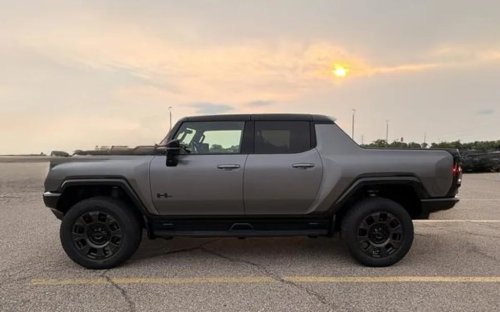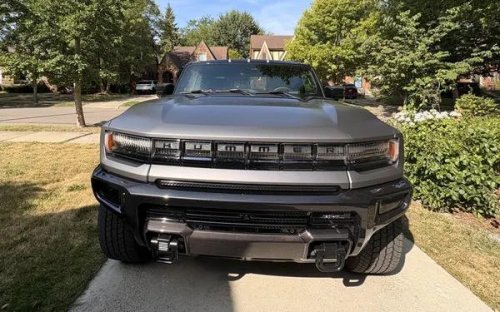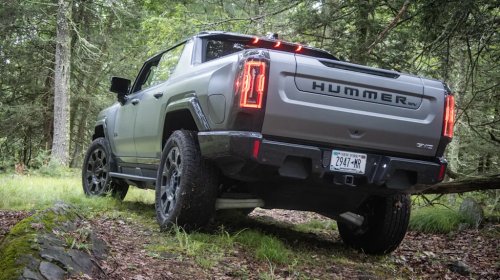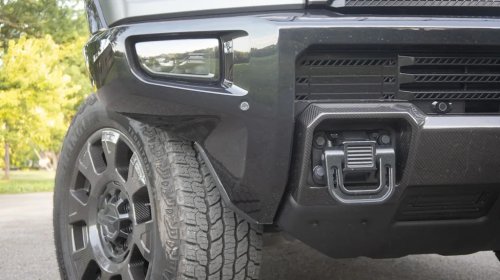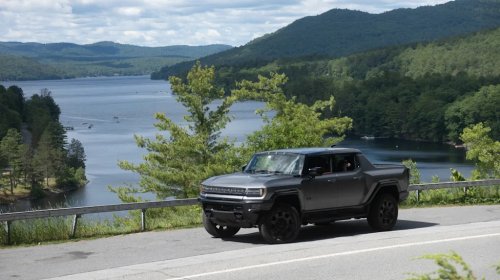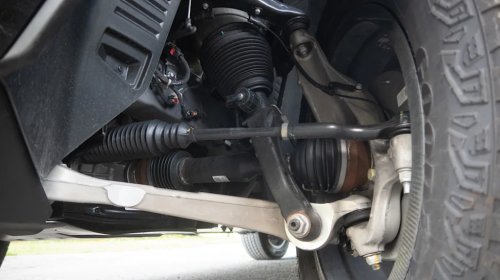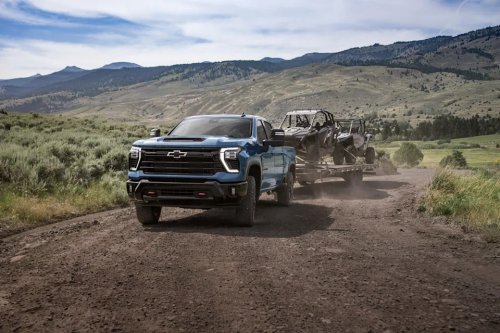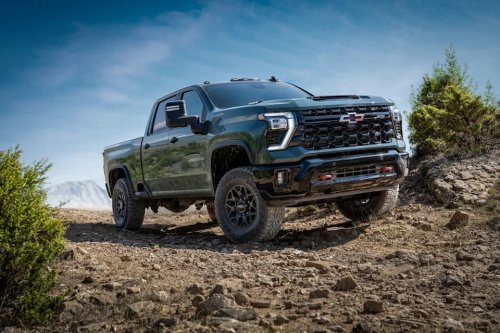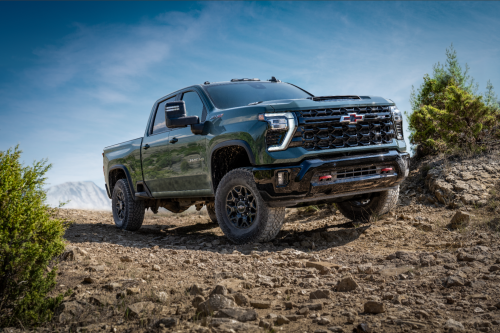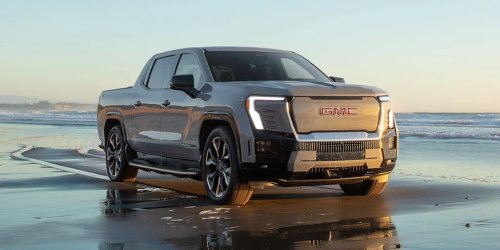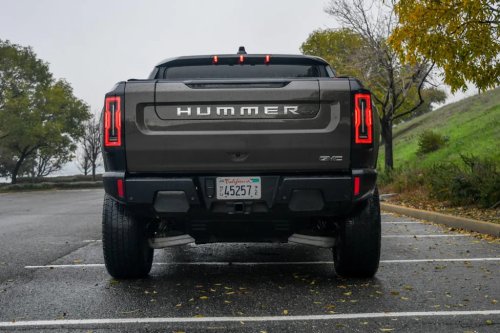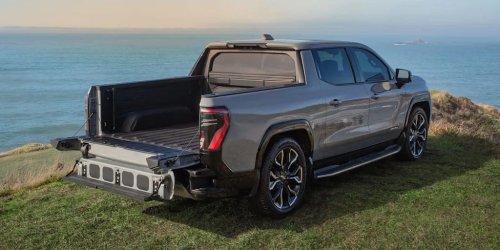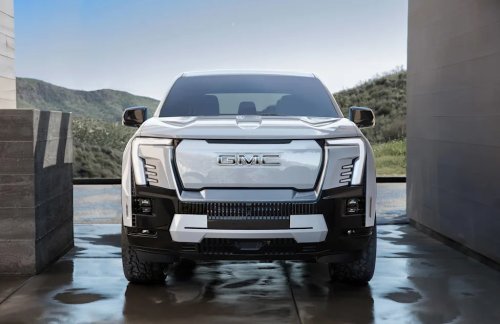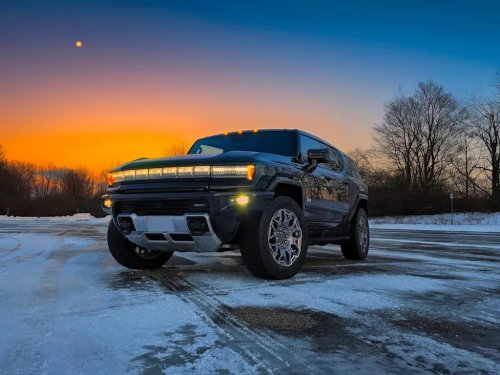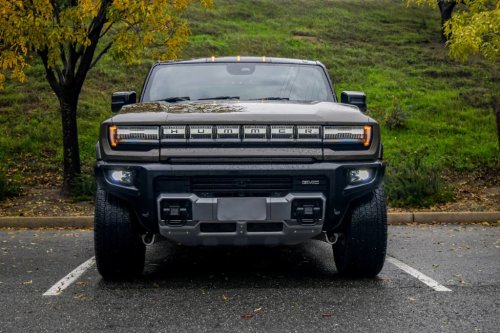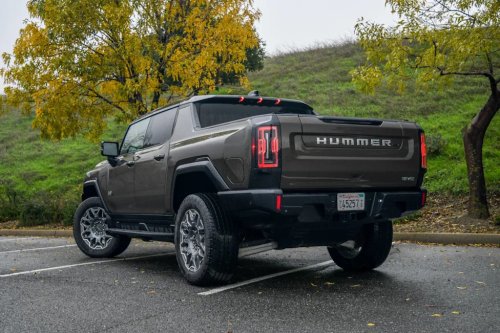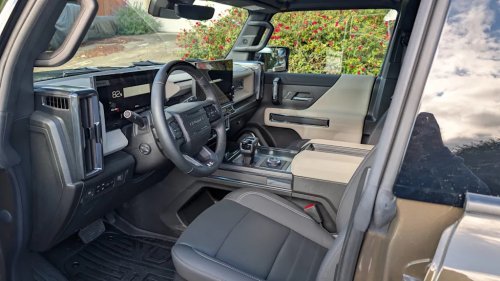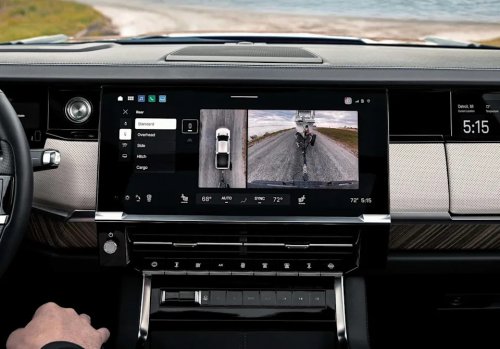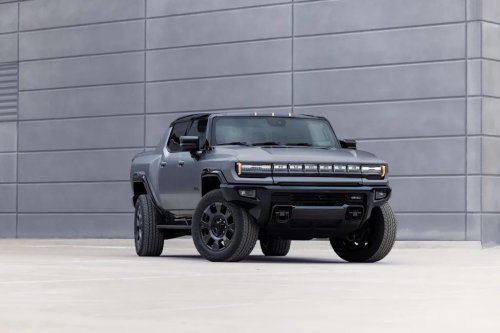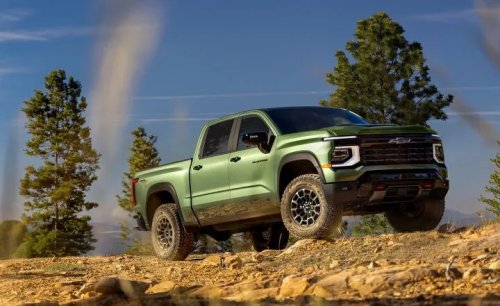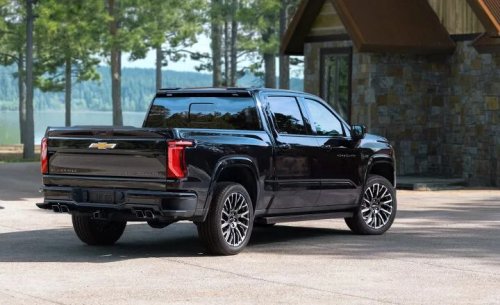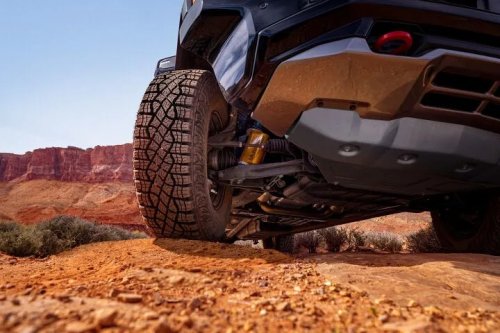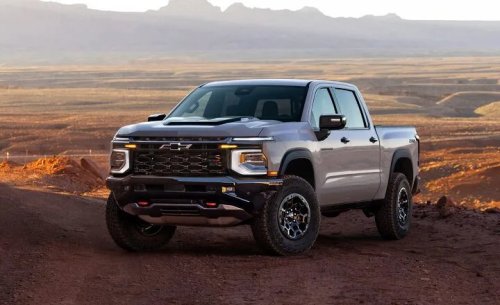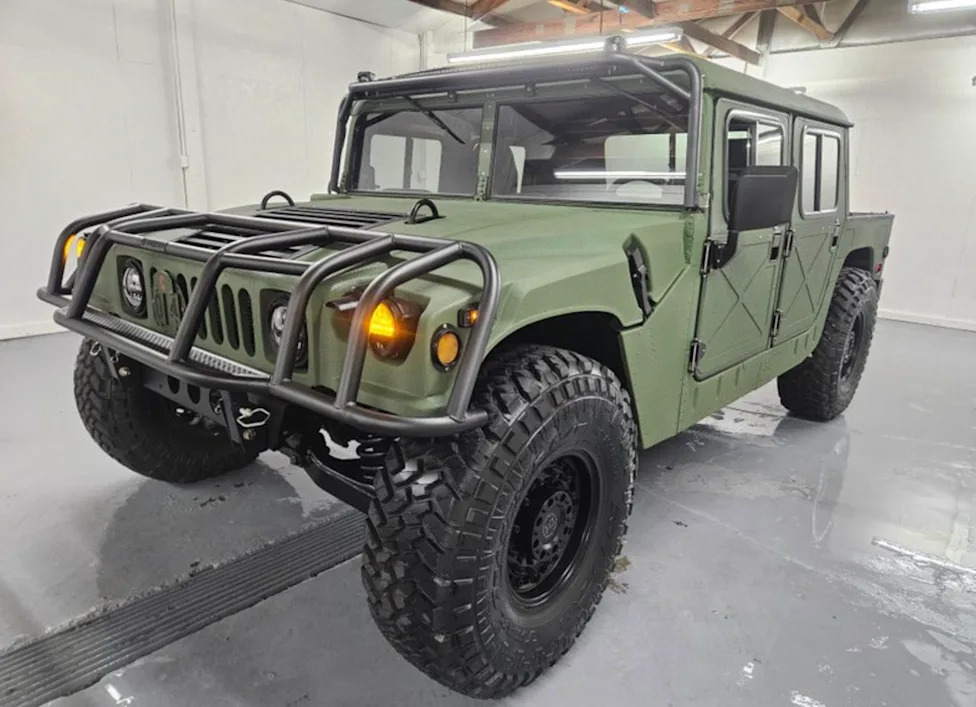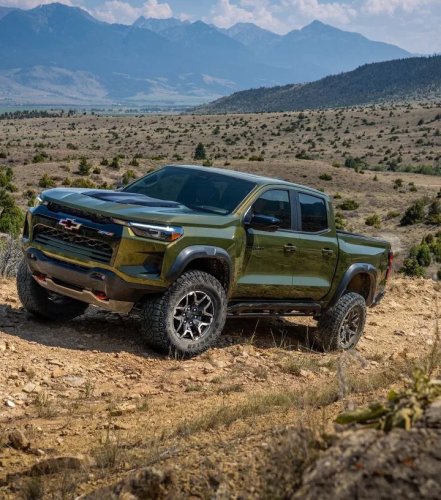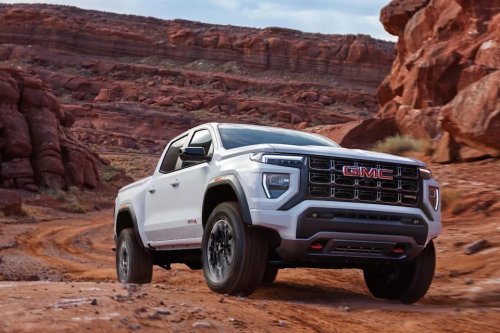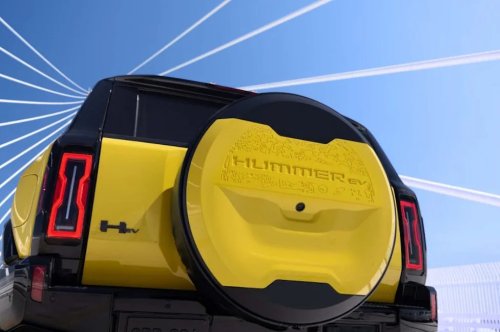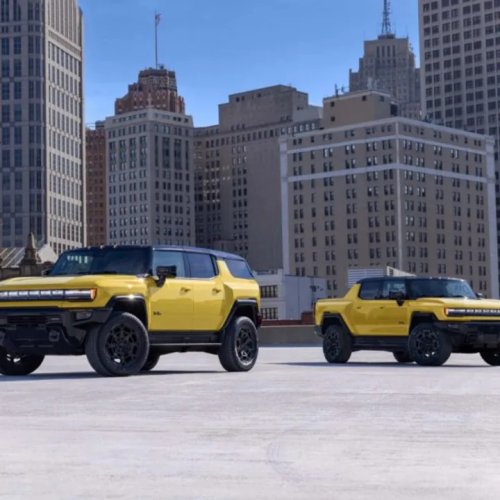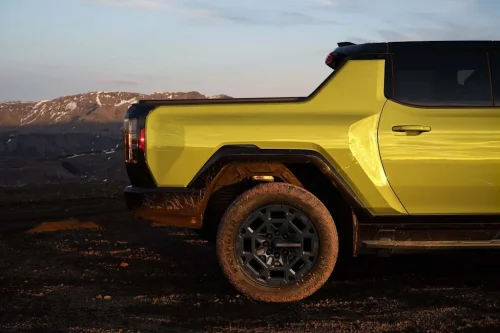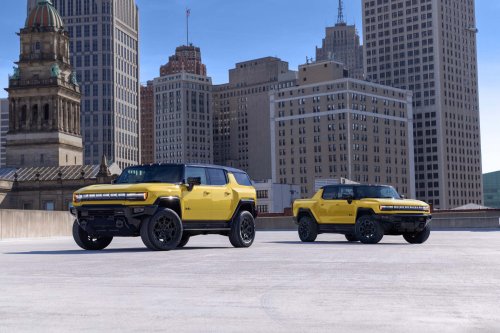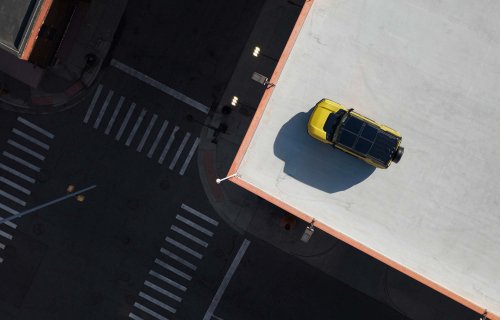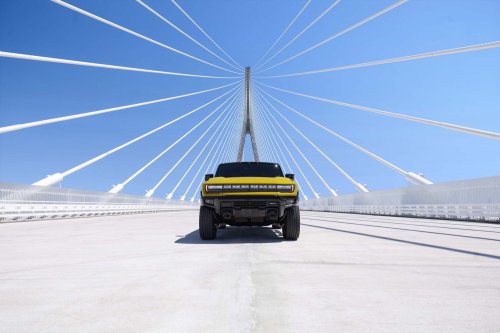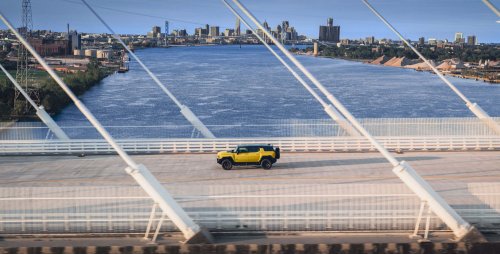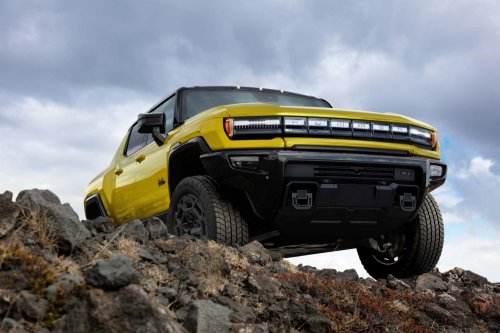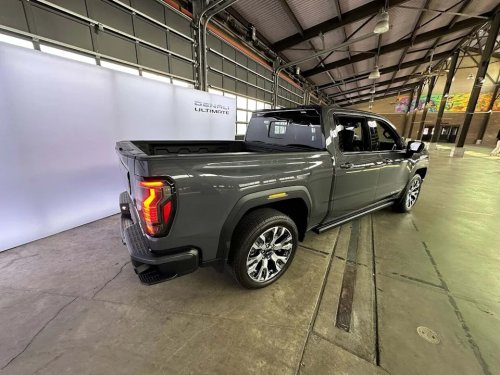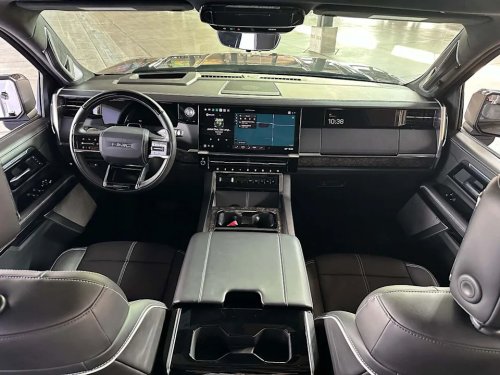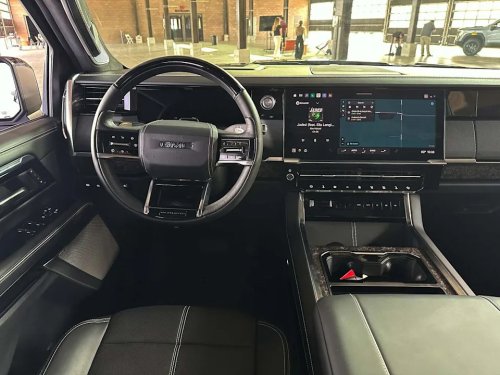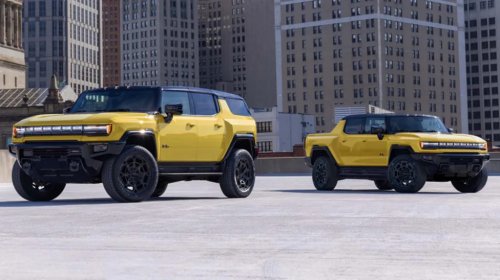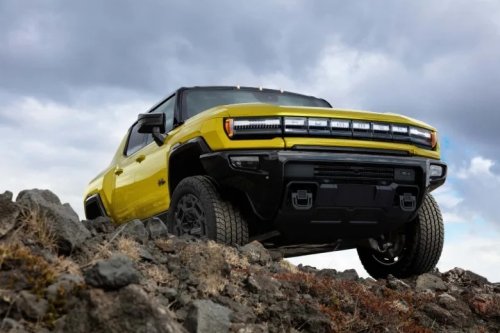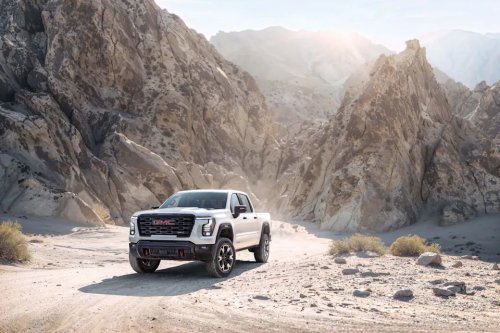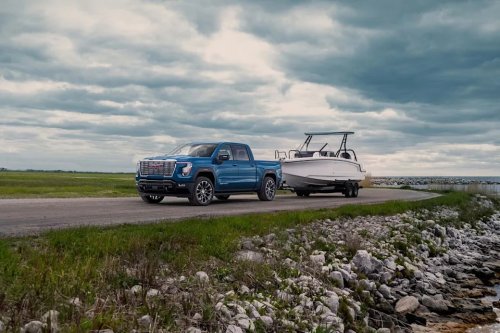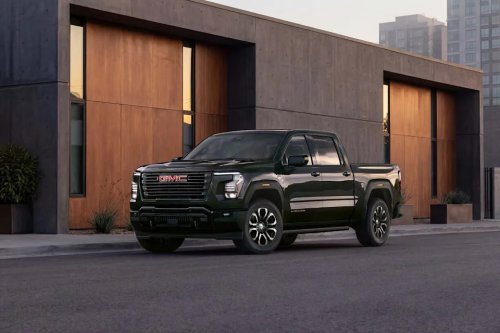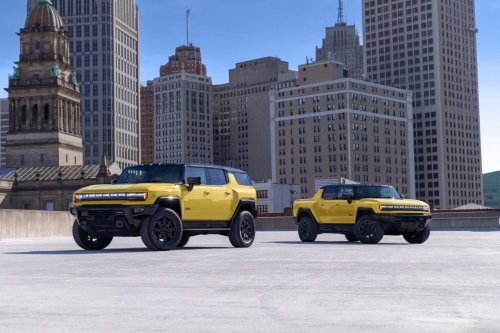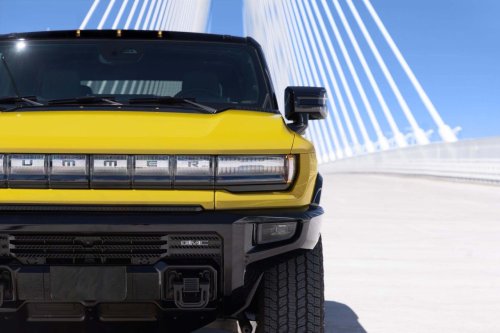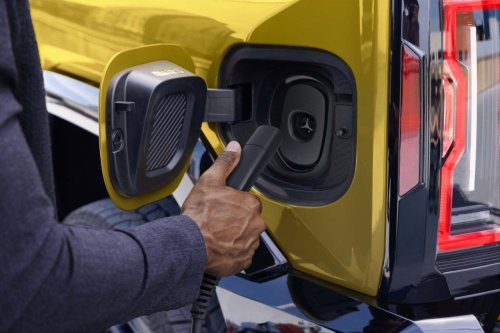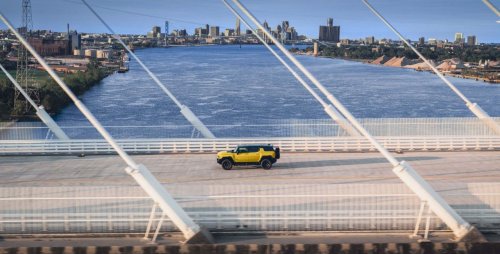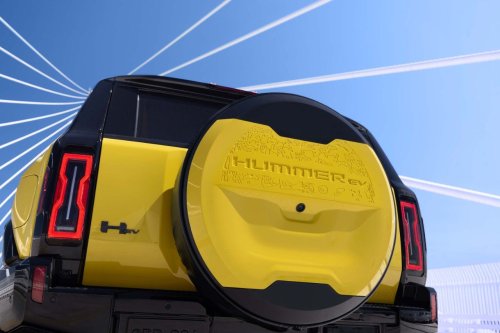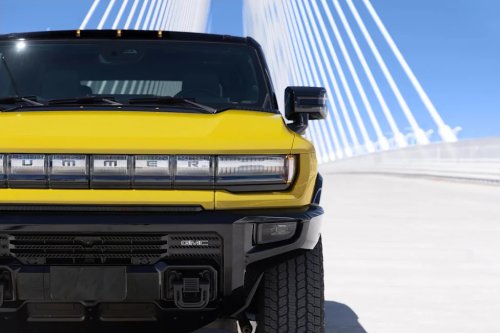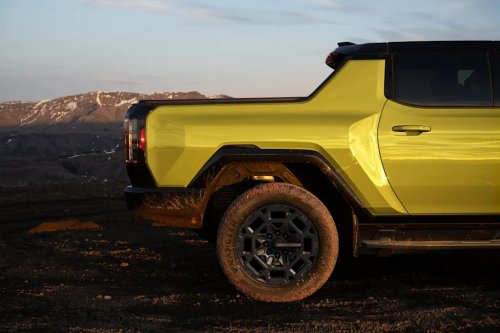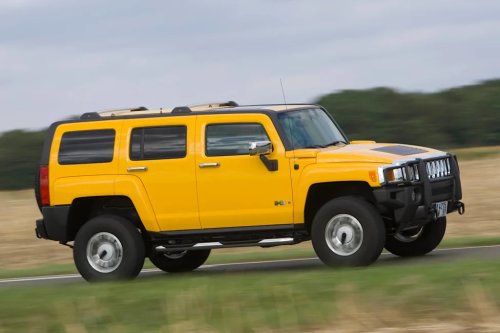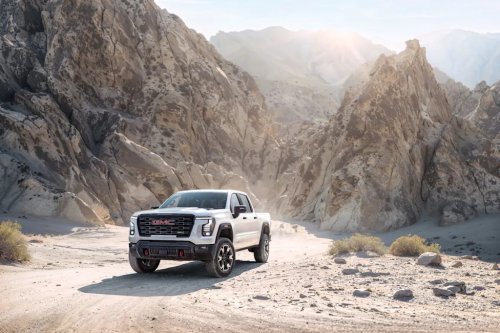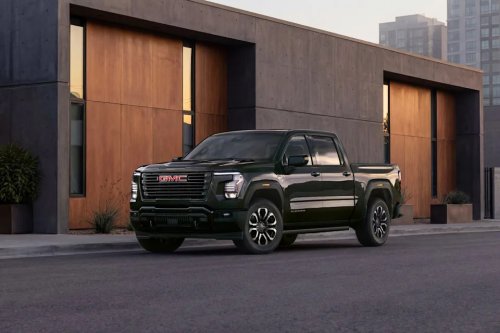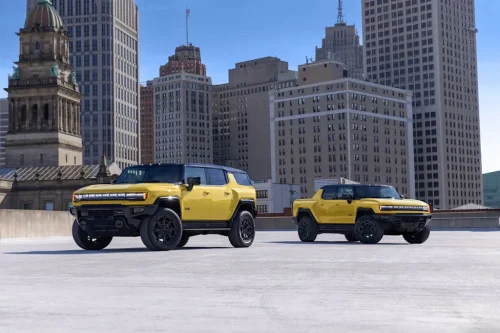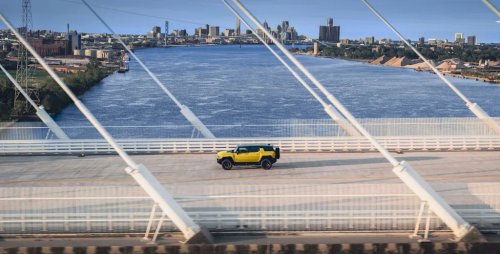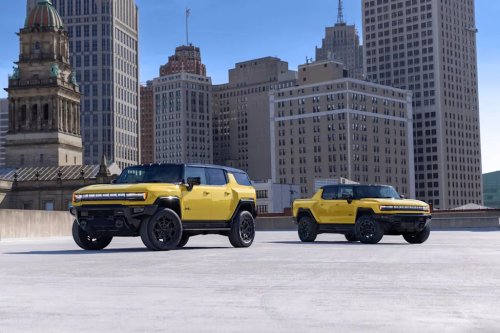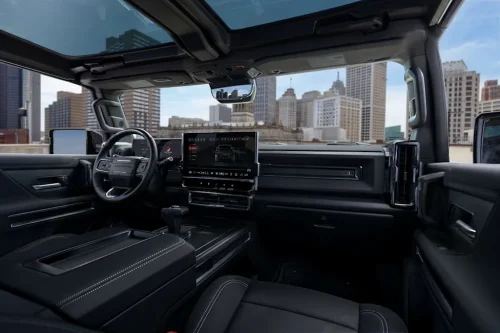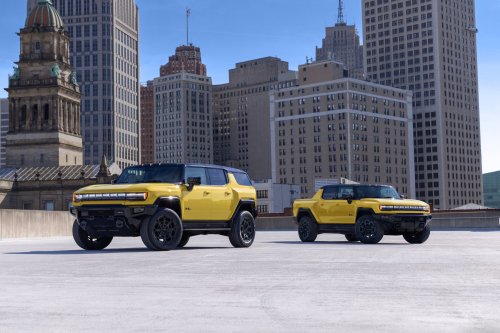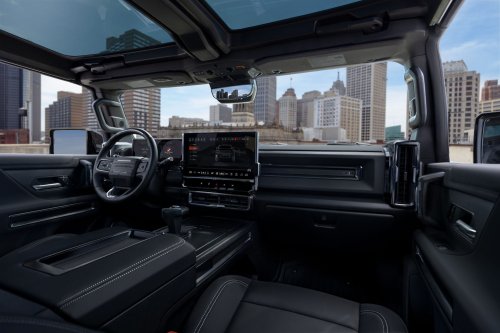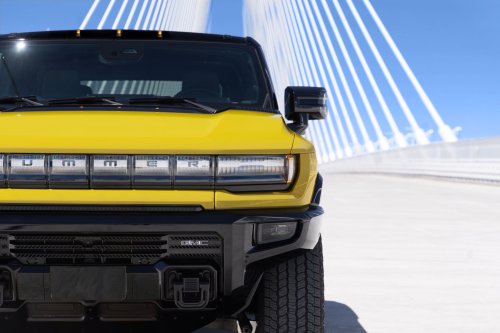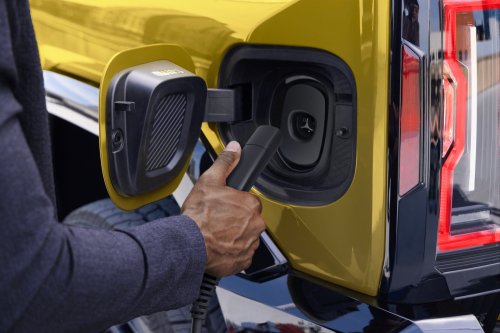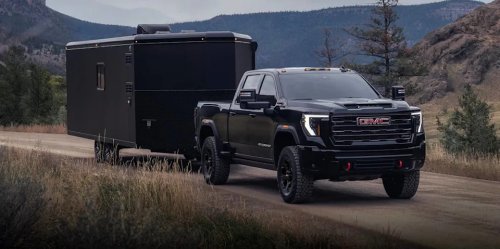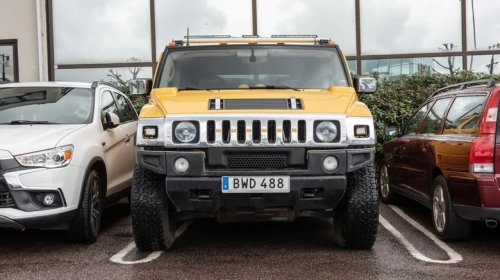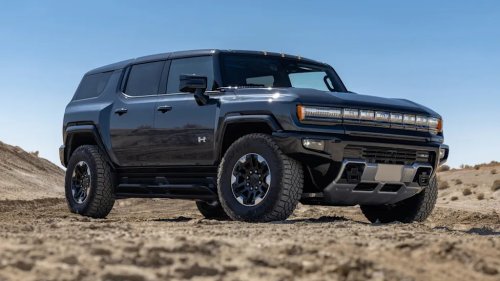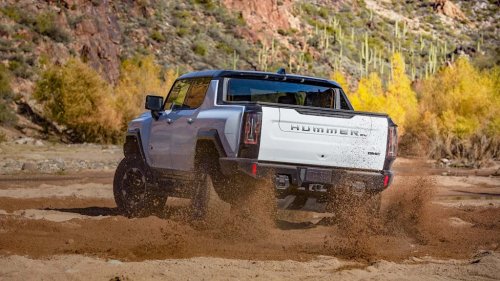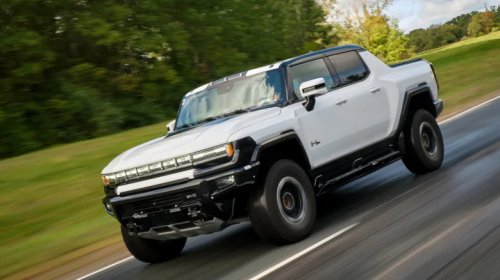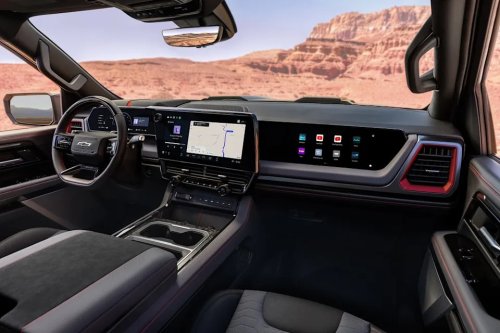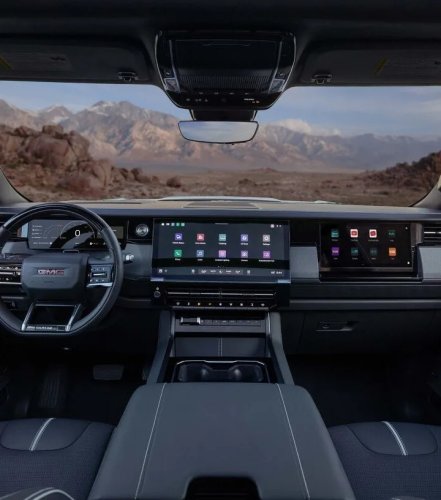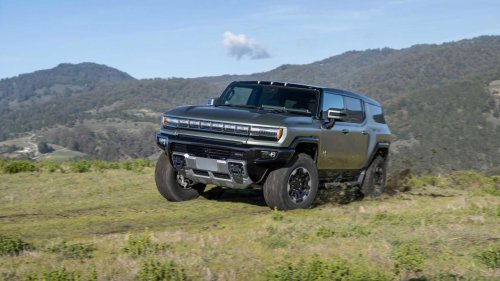
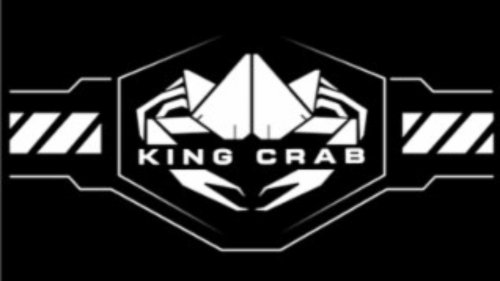
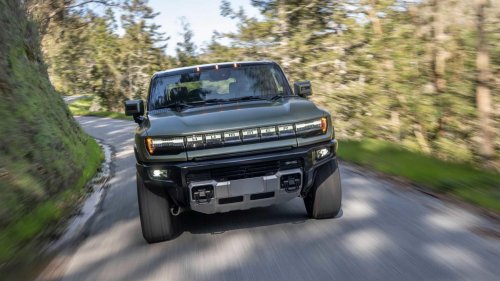
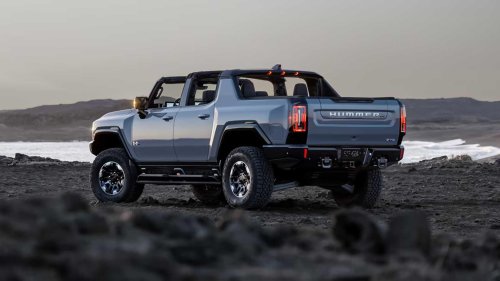
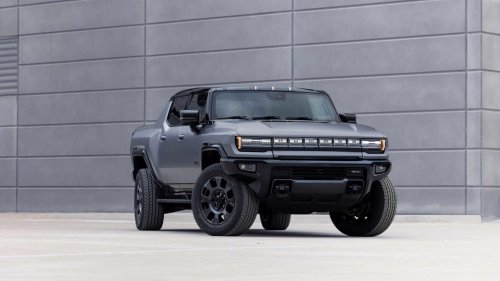
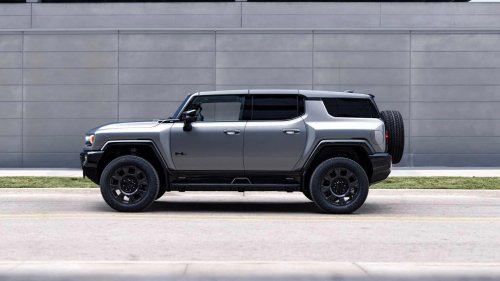
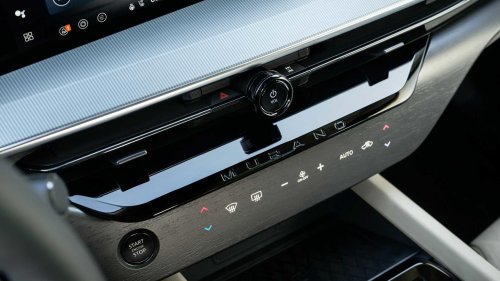
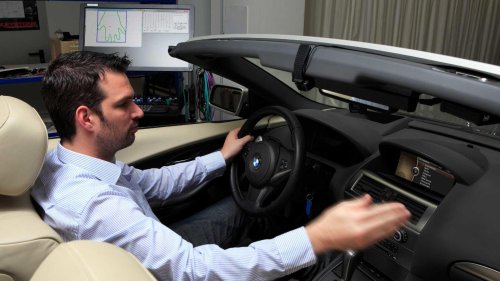



















Some automotive features have revolutionized the car world. From safety devices such as airbags and seatbelts, to increasingly sophisticated infotainment technology, there is no shortage of highly innovative features that have now become commonplace. In some cases, however, automakers introduce a new gadget with the best of intentions, but it later turns out to be a bit of a gimmick.One example of a vehicle with a feature that missed the mark is the GMC Hummer EV and its “Crab Walk” mode. Marketed as a way to improve the vehicle’s range of movement in narrow spaces or when venturing off the beaten track, it has, however, not made waves in the automotive world in the way GM was hoping for. Let’s take a closer look at what Crab Walk is, the model that introduced it, and a few other car features that didn’t reach their full potential. What Is The Crab Walk Function? GMC The Crab Walk function is a unique characteristic featured in the GMC Hummer EV, which allows both the front and rear wheels to turn at the same time and in the same direction at the touch of a button. This results in the vehicle moving sideways in a crab-like motion, hence the name. A similar feature was later included in another GM model, the Chevrolet Silverado pickup truck, where it was given the name “Sidewinder”.In theory, Crab Walk can be deployed to make the vehicle easier to maneuver in tight parking spaces, or it can be used to navigate rough terrain and uneven trails when off-roading. However, its real-world usefulness is the subject of debate, with some considering it little more than a party trick.General Motors Despite the controversy surrounding the Crab Walk, GM has continued to develop the feature, even going as far as unveiling an upgraded version of it for the 2026 model year. The “King Crab” mode builds on Crab Walk’s original features and takes them to a new level, allowing the rear wheels to turn faster than the front wheels. This improves maneuverability in off-road settings, navigating tight corners, obstacles, and even rougher terrain. The King Crab mode even has its own logo, a variation of the original Crab Mode logo (which depicted a stylized crab). The King Crab logo has pointier edges and diagonal bars on either side, which echo the vehicle’s diagonal motion.The jury, however, is still out on whether the arrival of King Crab actually adds functionality and makes Crab Mode more useful. In the absence of in-wheel hub motors, the vehicle cannot truly move sideways at a 90-degree angle, meaning even with King Crab the range of motion is still fairly limited. The Crab Walk Function's Downsides And Flaws GMC Despite sounding cool on paper, the Crab Walk feature has several downsides in practice. Due to its complexity, it involves a large number of additional mechanical and electrical components. This dramatically increases the probability of something failing, as well as creating hefty repair bills whenever something goes wrong. It’s not just about physical parts, either; the software aspect of the system is, predictably, also quite complex. There have been reports of software glitches causing the Crab Walk feature to turn on by itself, due to factors such as water leaks in the roof/A-pillar area.The Crab Walk feature also comes with a few caveats. It can only be engaged when certain conditions are met: the steering wheel has to be straight, and the speed needs to be below 20 mph. There also cannot be any active warnings related to the active air suspension or leveling system. If any of these conditions are not met, the vehicle will not engage Crab Walk mode. Although this is done for important safety reasons, it’s still a limitation on how the system can be used.GMC If, however, you do manage to activate Crab Walk, you will find there are also some negatives when operating the vehicle with this mode switched on. As the truck is now moving diagonally, rather than being parallel to the driver’s forward vision, the steering can sometimes be quite unpredictable. It can also become more difficult to judge clearance when using the Crab Walk mode to maneuver in tight spaces. The GMC Hummer: The Model That Revived A Legendary Brand GMCThe model that pioneered the Crab Walk feature was the GMC Hummer, a vehicle that brought back a very well-known name among American car enthusiasts. The Hummer nameplate has its roots in the military world; the model was originally a civilian version of a military vehicle called the Humvee, manufactured by AM General in the early 90s. Towards the end of the decade, the firm sold the Hummer brand to GM, which added two more vehicles to the Hummer lineup alongside the existing model. In this form, the Hummer brand only lasted around 10 years, eventually being shut down in 2010 due to financial difficulties.GMC The return of the Hummer name was announced in 2020; this time, it wasn’t a separate sub-brand with multiple models, but rather a single model produced under the GMC brand. Like its predecessors (the H1, H2, and H3), the new Hummer was made available in both SUV and pickup truck forms. There was, however, an important difference: it had an all-electric powertrain.Production began for the 2022 model year with a limited edition, dubbed the Edition 1, which introduced the Crab Walk feature to the world. Three more trim levels arrived over the following years: the EV3X, the EV2X, and the EV2. While the EV2 is an entry-level trim with fewer features, both the EV3X and the EV2X offer Crab Walk and King Crab as standard.Depending on trim level, power comes from either two or three electric motors. The EV2 offers a dual-motor setup and has a rear-wheel-drive drivetrain; the EV2X and EV3X are both all-wheel-drive, although the former has two motors and the latter has three. All models are equipped with a single-speed transmission. Other Automotive Features That Haven't Quite Lived Up To The Hype Nissan The Crab Walk is far from the only automotive feature out there that was supposed to be the next big thing, but didn’t quite live up to the expectations. Automakers are constantly striving to introduce new tech features, and sometimes they make a misstep in the quest for innovation. Here are a few examples of features that, much like the Crab Walk, aren’t quite as useful as originally thought.Capacitive Touch Buttons: Capacitive touch buttons were once seen as the replacement for traditional buttons, switches, and knobs. Things, however, did not quite work out that way. A kind of halfway point between a touchscreen and a button, capacitive buttons are the worst of both worlds, distracting drivers due to their lack of tactile feedback and less intuitive operation. In recent years, automakers have been pivoting away from them and back towards a mix of physical controls and touchscreens.Gesture Control: Gesture control was introduced by a few automakers, most notably BMW, as a way for drivers to operate basic functions with a flick of the wrist. However, not only did this system require drivers to spend more time with one hand off the wheel, it also had a far greater potential for error than other types of controls. As a result, gesture control is being phased out.BMWNight Vision: This feature dates back to the turn of the millennium, when Cadillac introduced a “Night Vision” feature on the eighth-gen DeVille to improve nighttime visibility. This system used a passive infrared sensor camera, with tech developed by aerospace and defense firm Raytheon. However, the feature proved to have limited usefulness in terms of real-world safety on the roads. It wasn’t until years later, when technology improved and features such as pedestrian or animal detection were added into the mix, that night vision systems began to truly find a home in production cars.Sources: Hummer, Cadillac, BMW