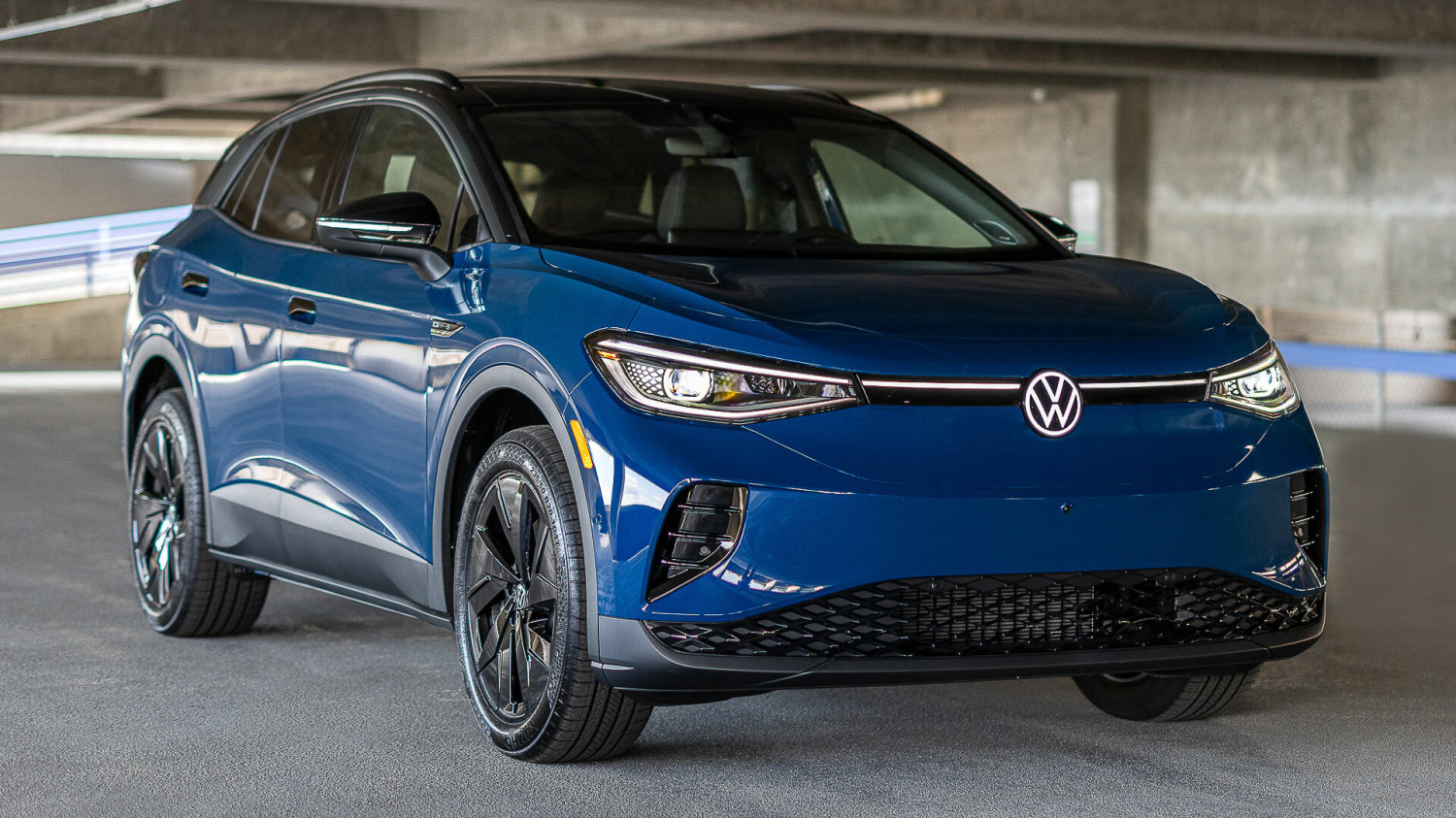
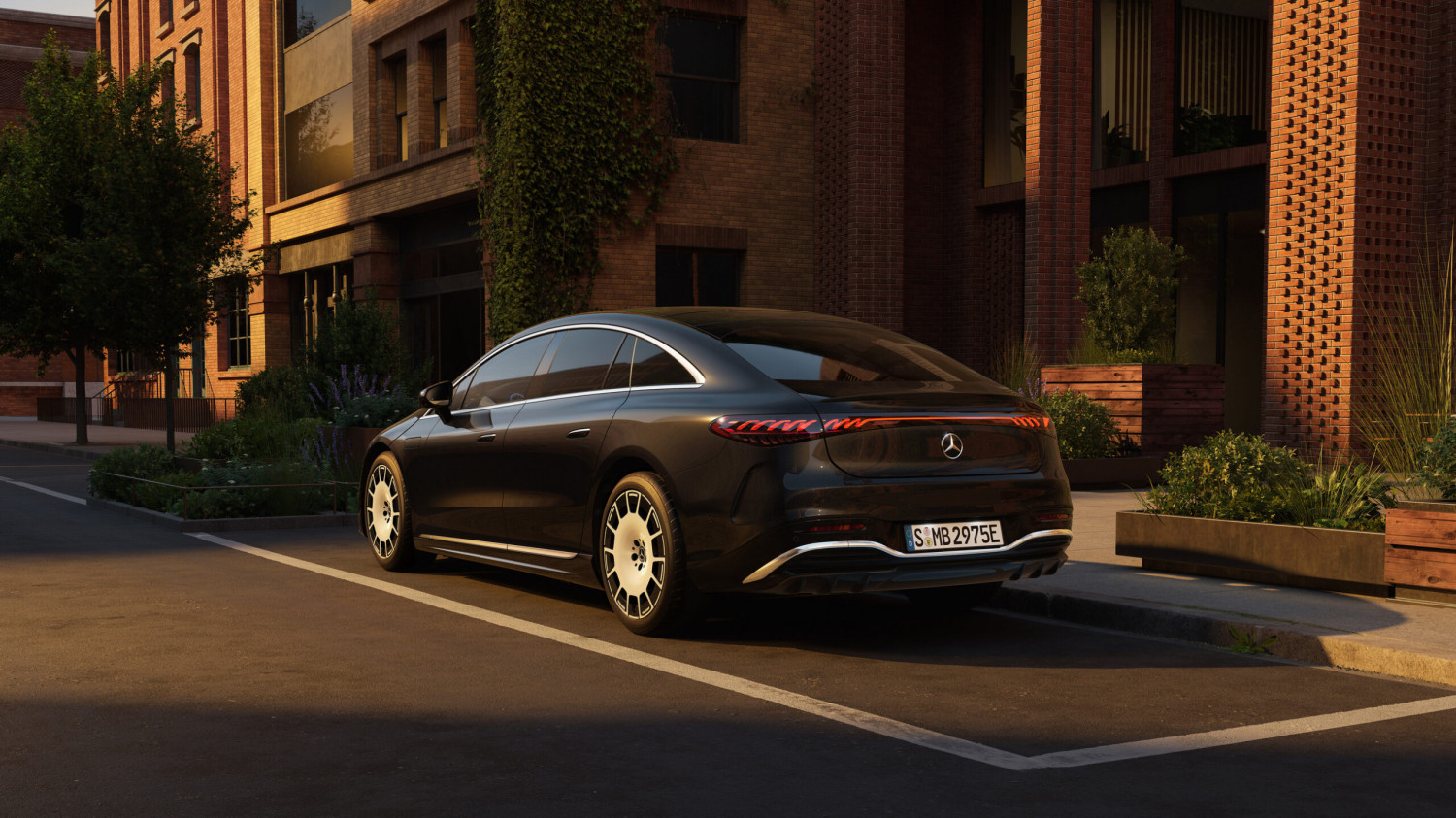
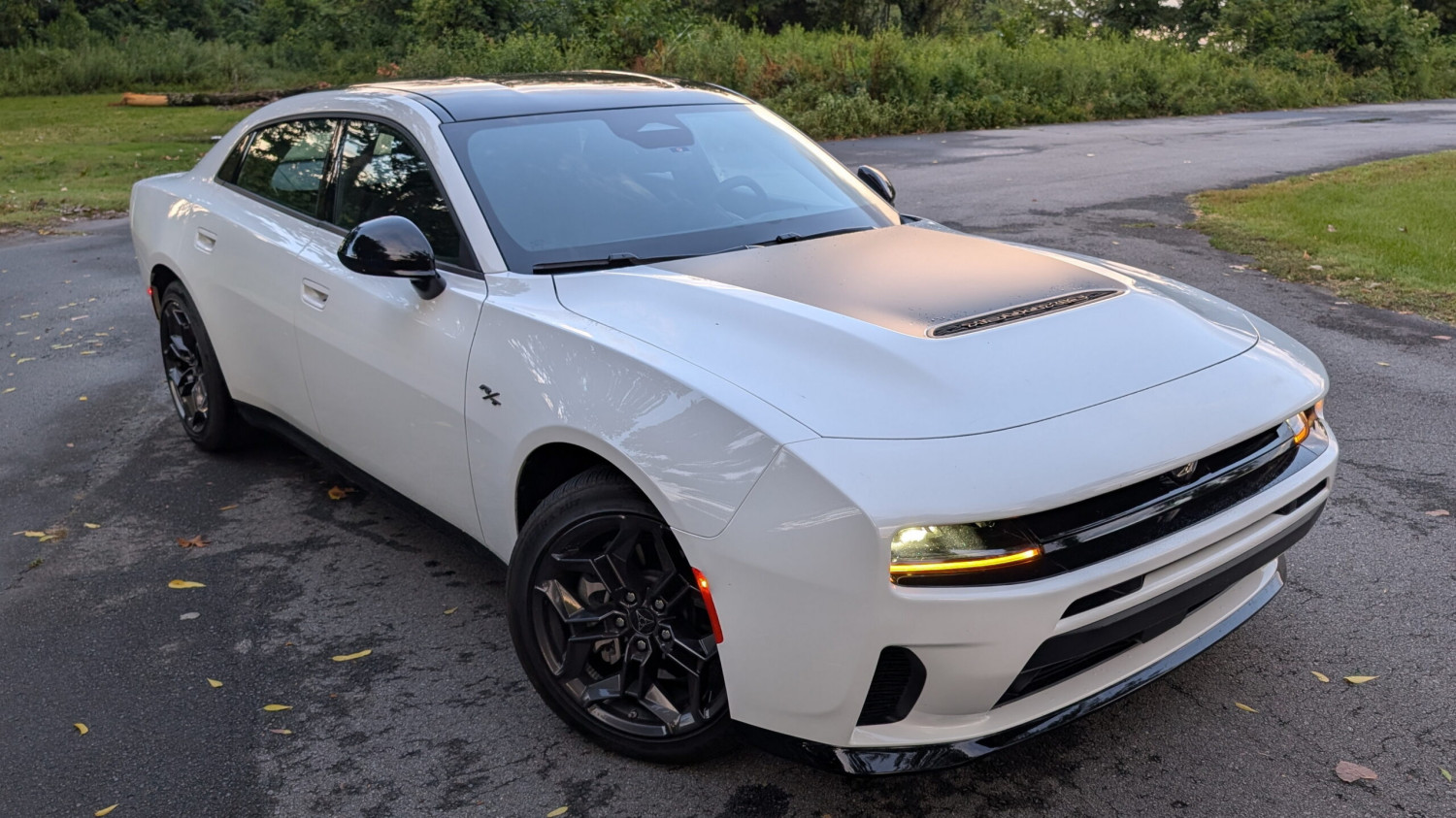
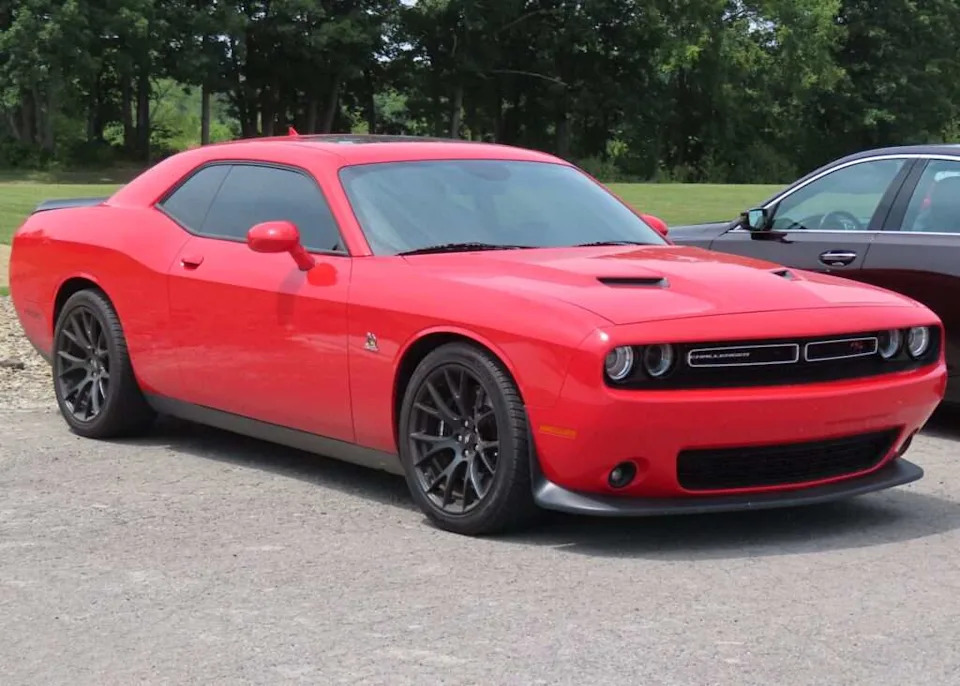
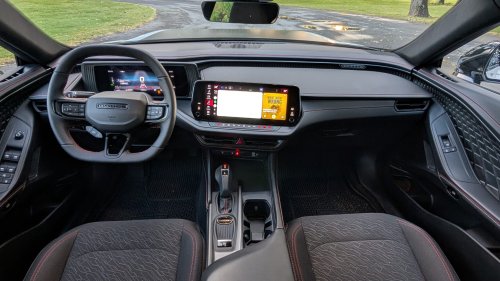
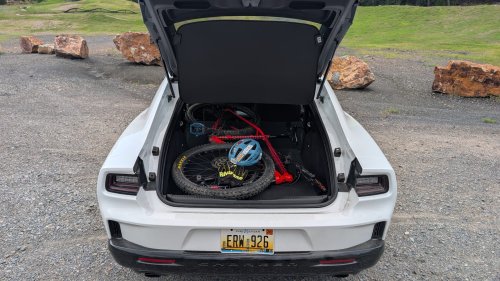
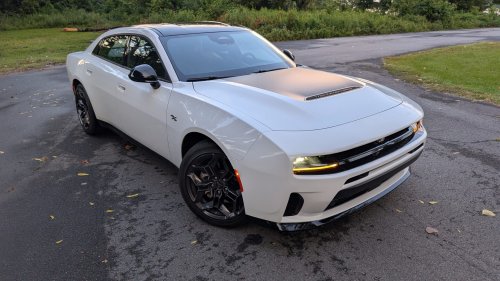
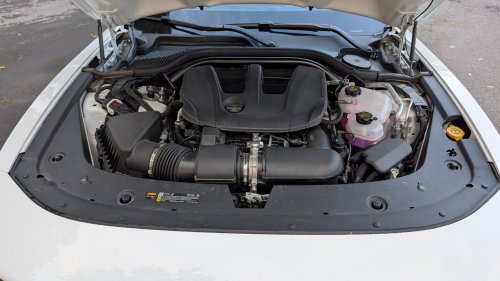
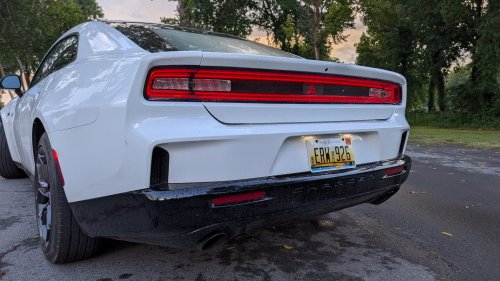
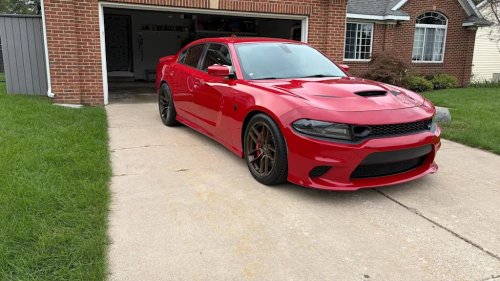
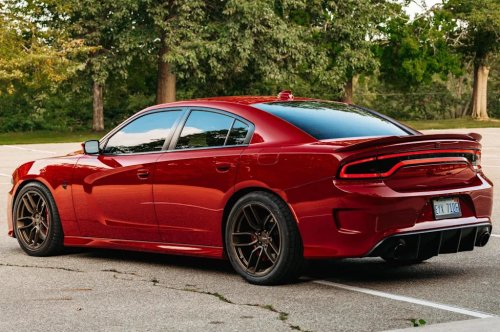
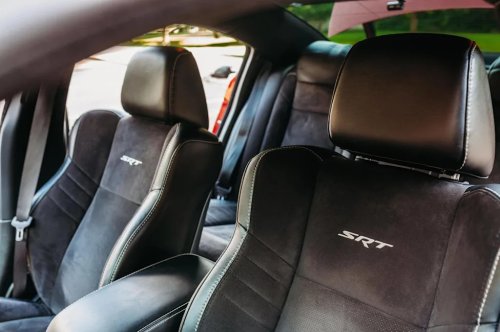
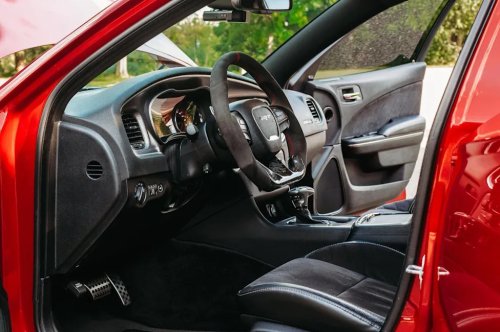
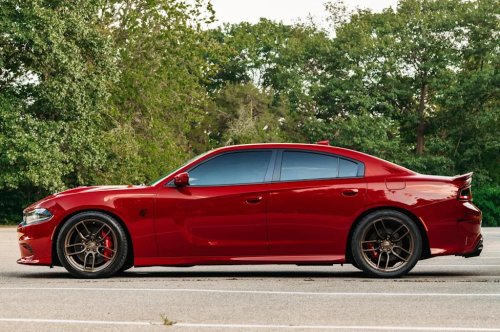
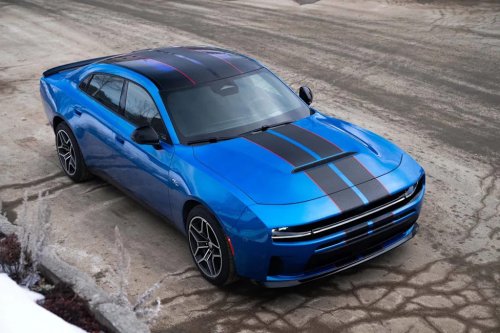
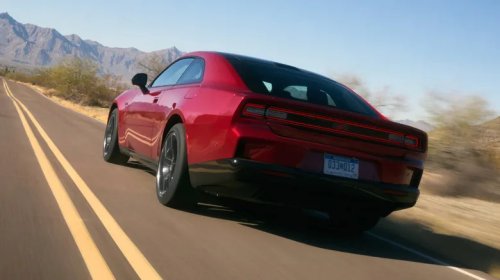
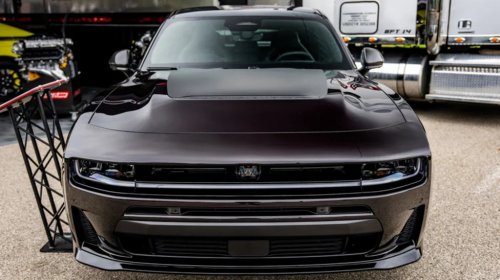
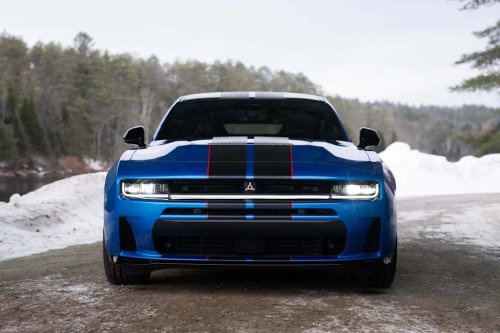
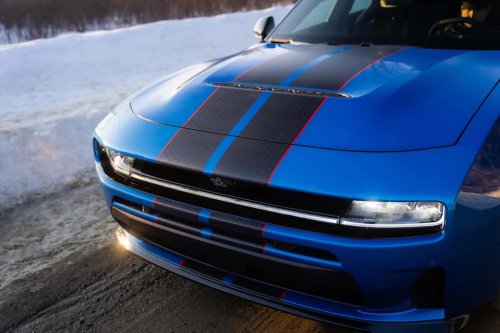
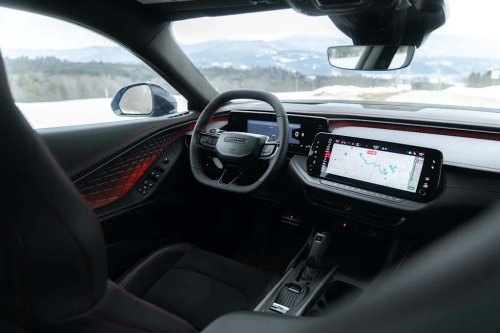
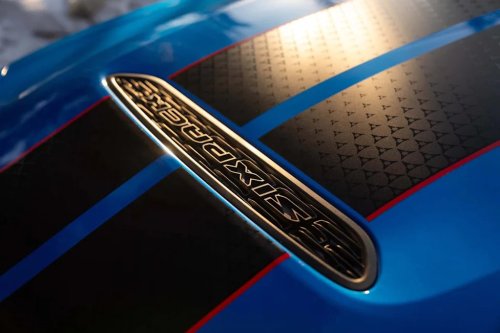
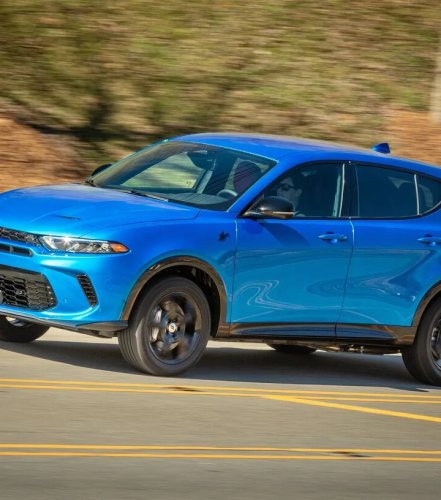
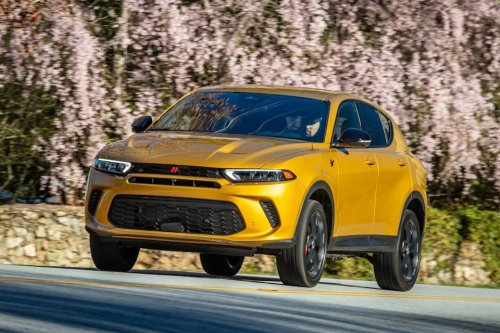
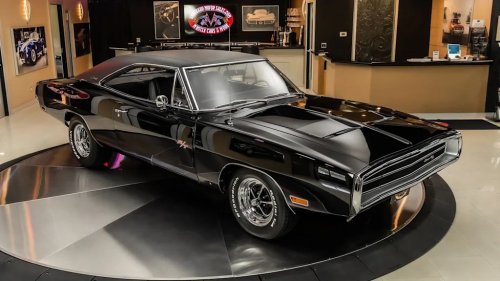
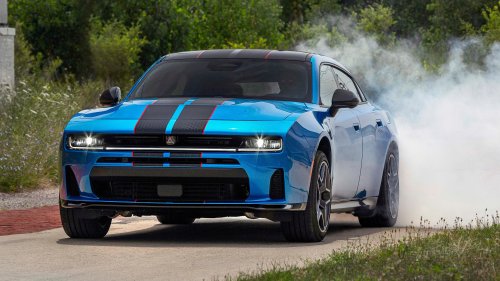
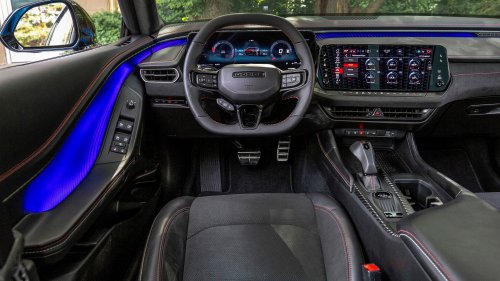
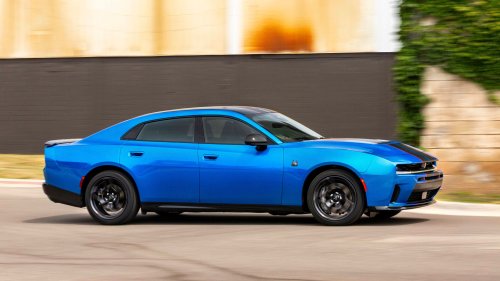
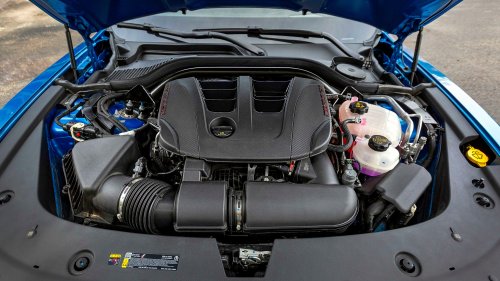
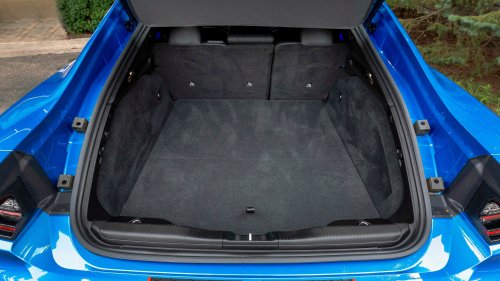
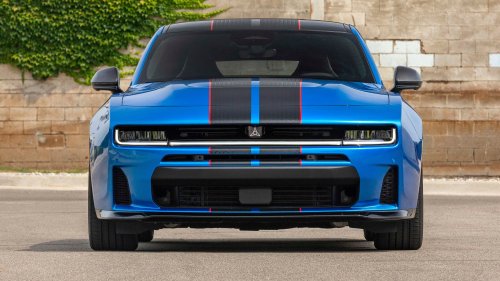
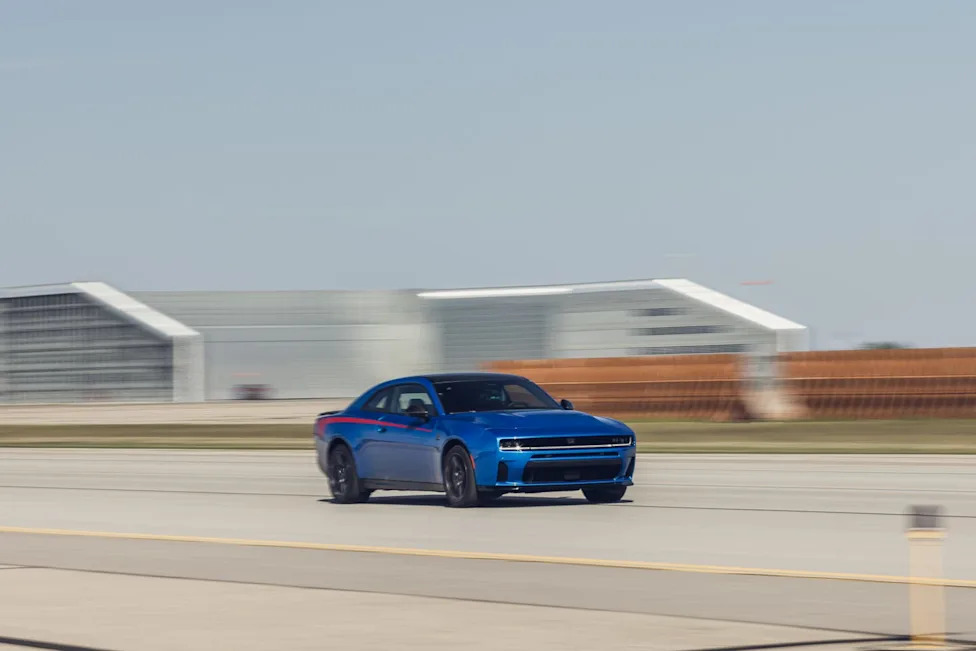
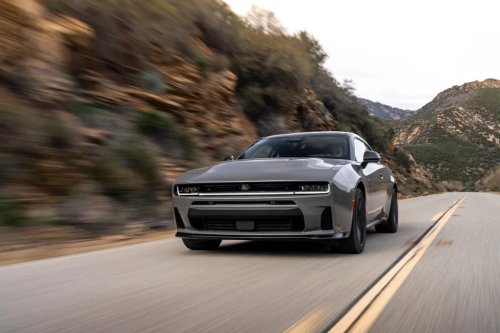
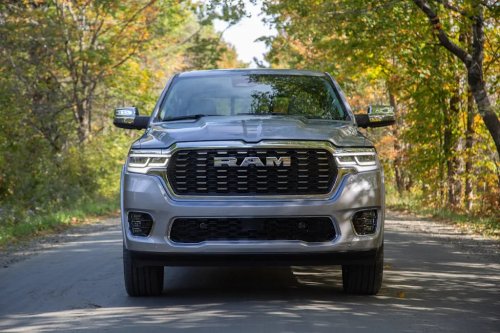
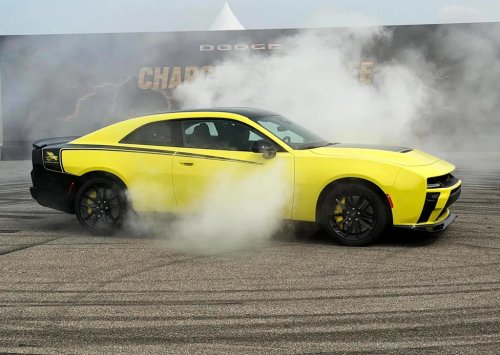
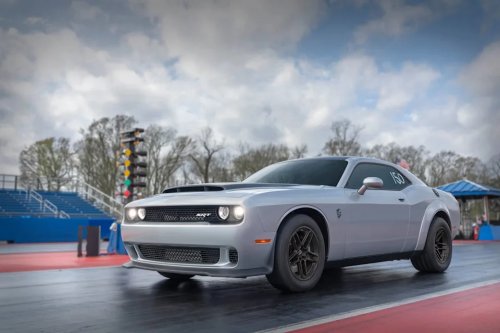
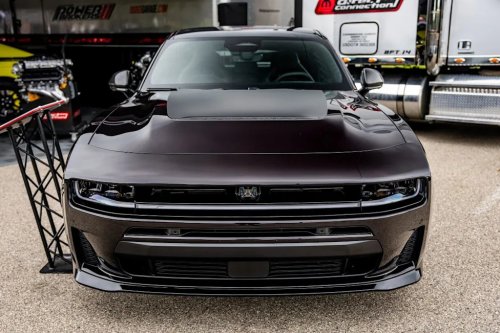
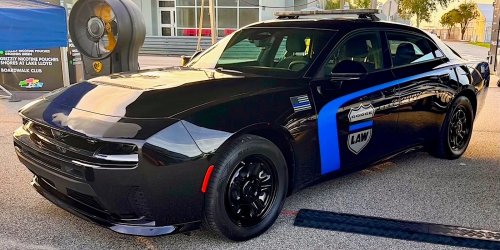
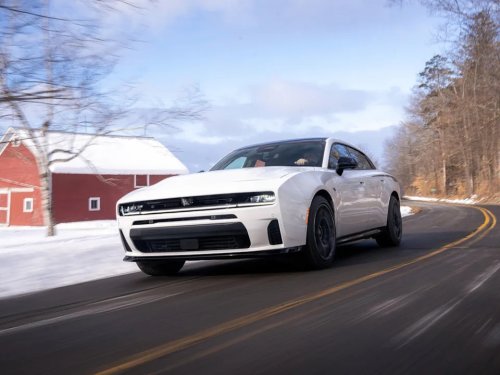
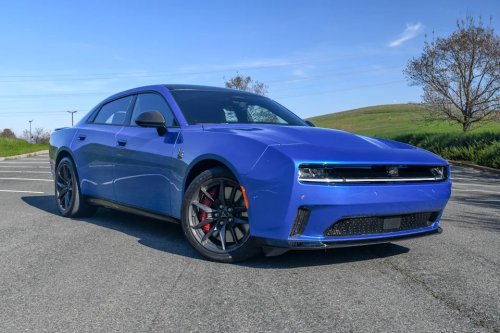
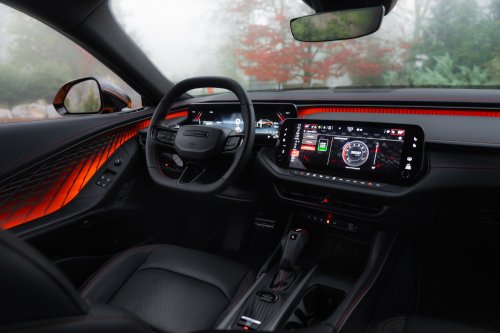
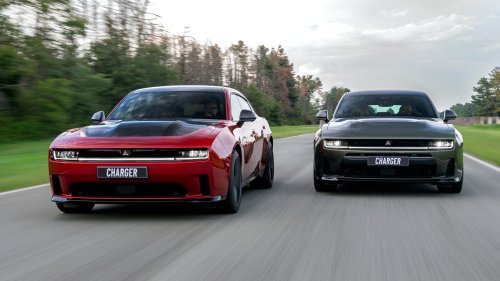
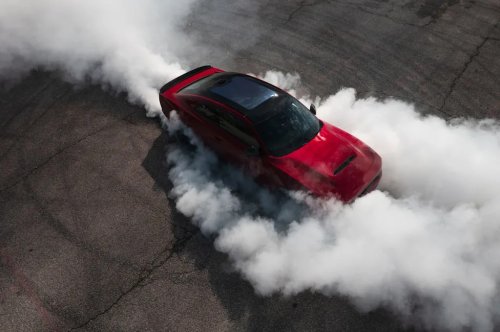
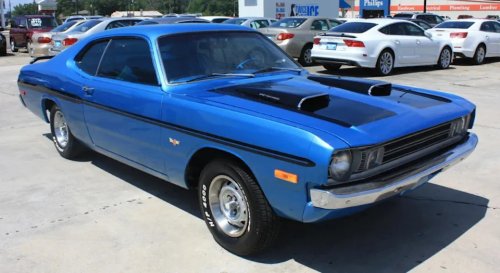
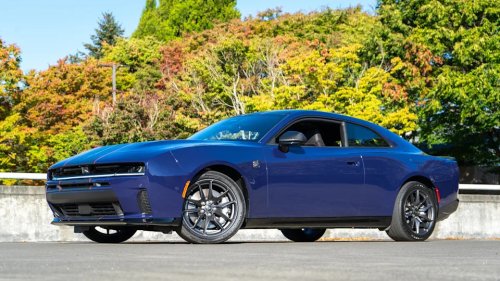
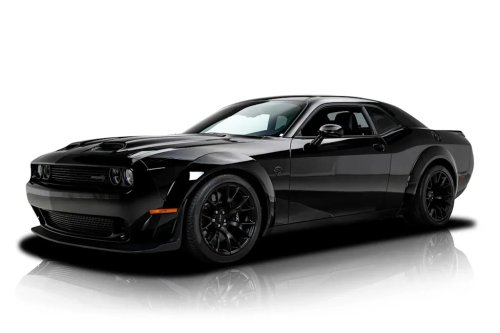
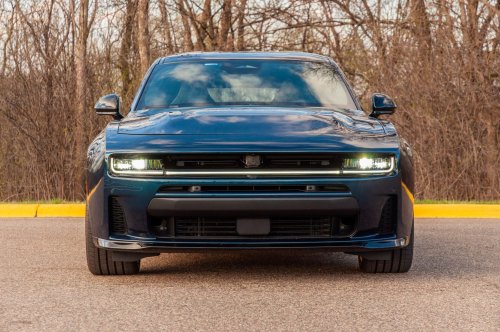
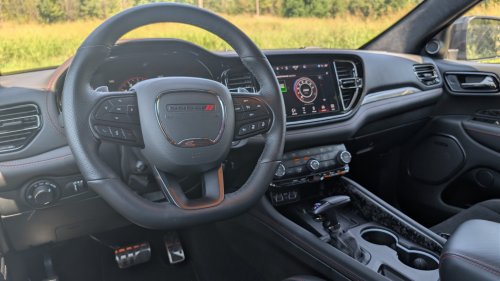
High inventory gives buyers more negotiating power this summer. Jeep and Dodge dominate the slow-selling mainstream rankings. EVs and traditional SUVs both appear on the list. Car shoppers willing to skip the hottest new models may find themselves with an unexpected advantage. Fresh market data shows several mainstream vehicles are piling up on dealer lots across the country, creating the kind of inventory levels that typically translate into bigger discounts, better financing offers, and dealers that are far more willing to negotiate. If you’ve been waiting for the market to swing back in buyers’ favor, this might be the opportunity you’ve been looking for. Read: Gas Charger Sales Surged 404% While The Daytona EV Collapsed According to CarEdge’s July 2026 Market Day Supply (MDS) report, the vehicles sitting the longest aren’t necessarily bad products. Instead, many are caught in shifting market trends, changing consumer tastes, or simply suffering from manufacturers building more inventory than demand currently supports. Leading the pack is the 2026 Dodge Charger, with a staggering 385-day supply. CarEdge estimates there are 10,796 examples on dealer lots nationwide while just 1,261 sold over the past 45 days. Whether shoppers are waiting for incentives, holding out for different trims, or simply adjusting to the Charger’s new era, the result is plenty of leverage for anyone walking into a Dodge showroom. Love or hate the new Sixpack engine, the car itself is one of the most practical American performance sedans on sale today. Electric vehicles also feature prominently. The Volkswagen ID.4 ranks second among mainstream models with a 349-day supply, while the Buick Envision lands in the top ten at 227 days despite selling nearly 2,650 units during the same period. Those numbers suggest dealers still have plenty of inventory to clear. Jeep accounts for much of the remaining list. The two-door Wrangler carries a 230-day supply, while the Gladiator follows closely at 222 days. The Grand Wagoneer (215 days), Grand Wagoneer L (204 days), and the all-new Cherokee (199 days) also rank among the slowest-selling mainstream vehicles in America. Slowest Selling New Cars By Market Day Supply (MDS) #VehicleMDSFor SaleSoldAvg Price12026 Dodge Charger385 days ▲ 2%10,7961,261$58,56022026 Volkswagen ID.4349 days ▼ 21%1,172151$46,40832026 Polestar 4318 days ▼ 23%65893$70,51942026 Alfa Romeo Giulia270 days ▲ 34%15025$53,93752026 Audi Sq7255 days ▼ 10%40271$105,30062026 Mercedes-Benz EQS243 days ▲ 11%32460112,74572026 Maserati Grecale233 days ▼ 39%2494895,88982026 Jeep Wrangler 2-Door230 days ▼ 18%8,0201,567$41,72992026 Alfa Romeo Stelvio229 days ▲ 6%18336$57,967102026 Buick Envision227 days ▼ 3%13,3732,648$46,293112026 Jeep Gladiator222 days▼9%18,2093,688$49,670122026 GMC Savana Cargo220 days (New)1,354277$49,047132026 Porsche Taycan218 days▼18%922190$148,464142026 Jeep Grand Wagoneer215 days (New)10,3212,163$77,842152026 Jeep Grand Wagoneer L204 days (New)3,116688$83,053162026 Jeep Cherokee199 days (New)15,6993,556$39,820 SWIPE CarEdge. * New means the vehicle wasn’t in last month’s top rankings. For buyers, that’s significant. Wranglers and Gladiators have often commanded strong pricing with little room for negotiation, but elevated inventory changes that equation. Larger, more expensive models like the Grand Wagoneer could be especially attractive if dealers become more aggressive with incentives. Also: The Average New Car Payment Hits A Record $777 As 7-Year Loans Keep Climbing A high Market Day Supply doesn’t automatically mean a vehicle is unpopular or flawed. It simply measures how long current inventory would last at the recent sales pace. The higher that number climbs, the more pressure dealers typically face to move inventory. That means if one of these models is already on your shopping list, now may be the time to ask for a better deal instead of paying sticker price. Photo Stephen Rivers / Carscoops