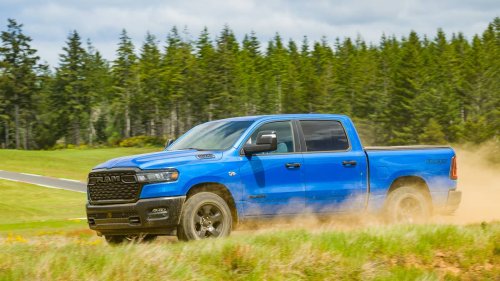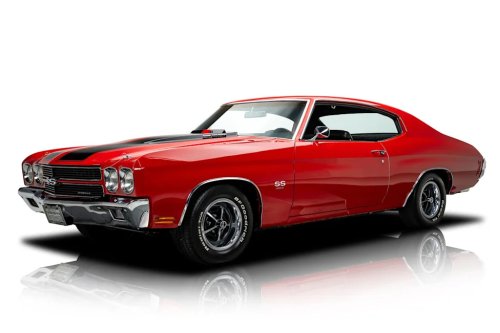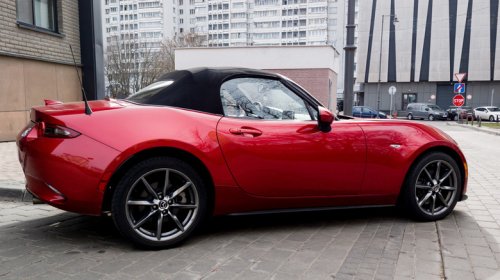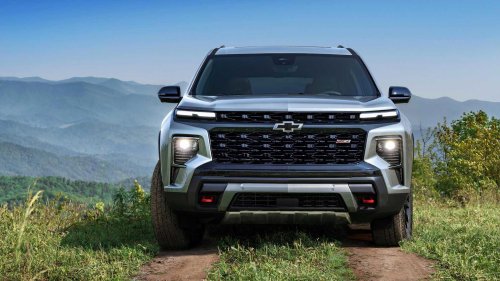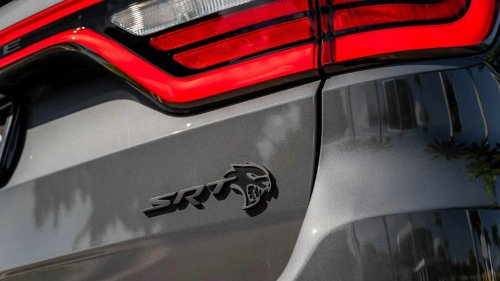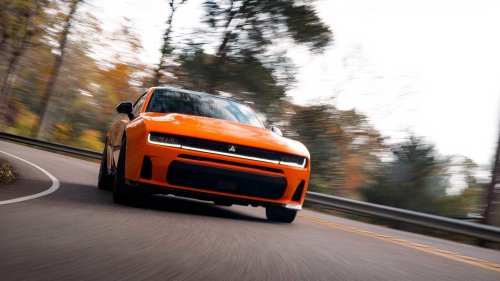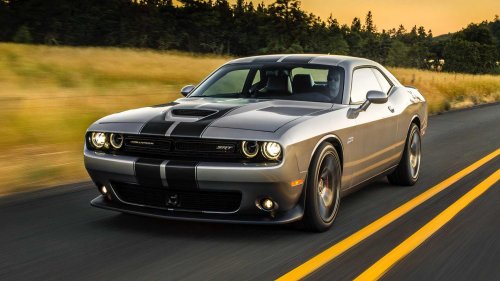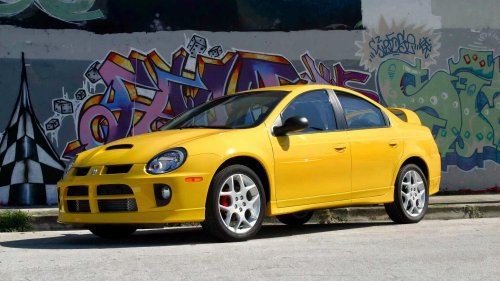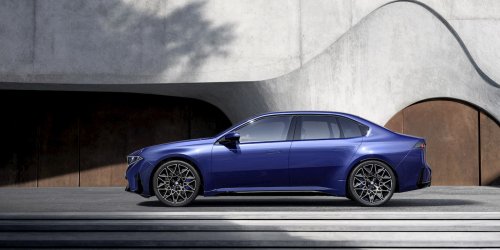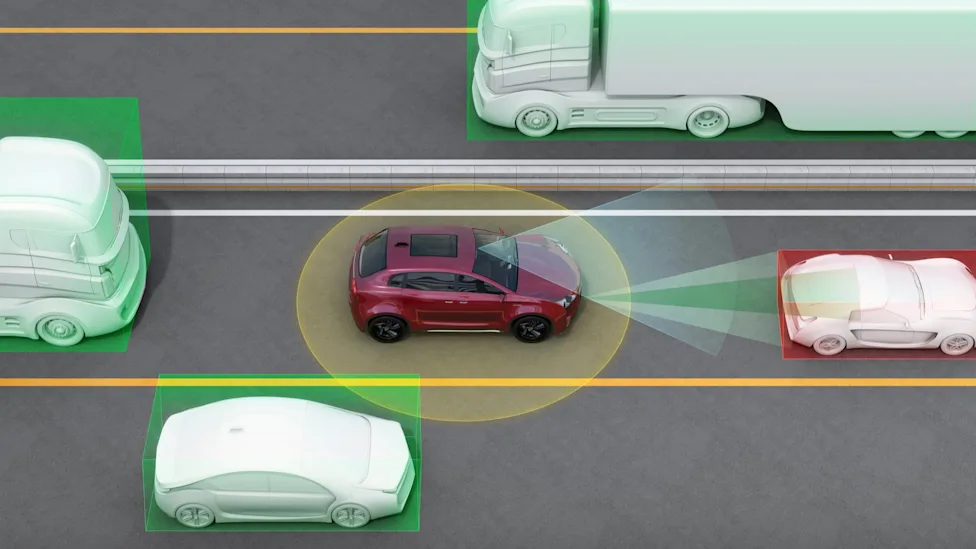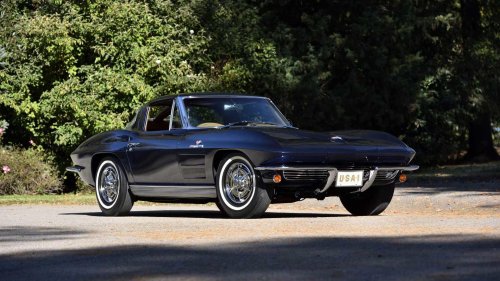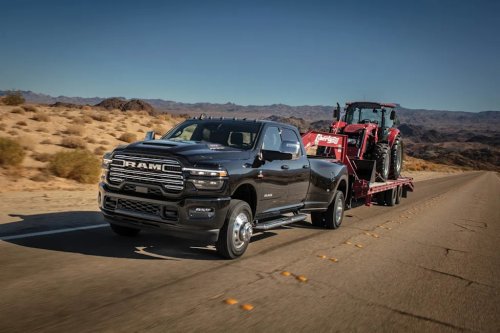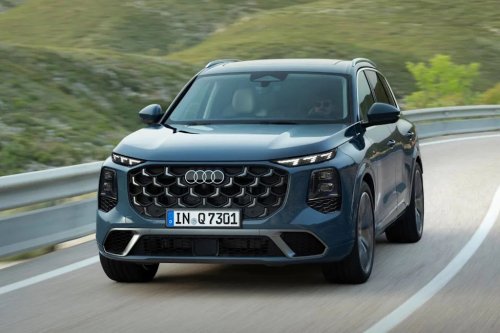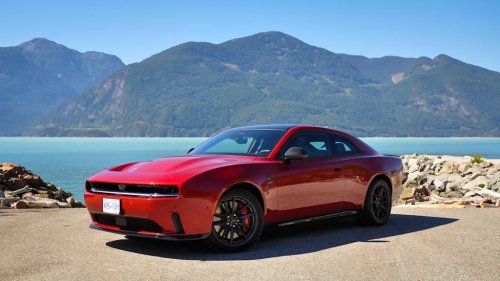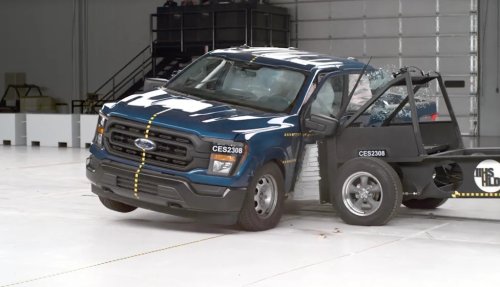



















the deadliest cars on the road and the safest what the data revealsWhen shopping for a vehicle, crash test ratings from controlled laboratory environments only tell half the story. In real-world accidents, vehicle weight, structural compatibility, horsepower, and driver demographics play a massive role in whether occupants walk away-or don't.On a recent episode of The Auto Guide Show, VP of Research at the Insurance Institute for Highway Safety (IIHS) Chuck Farmer broke down the findings from the IIHS real-world driver death rate study. Unlike the Institute's famous slow-motion crash tests, this study analyzes actual fatal crashes across millions of registered vehicles to measure true risk on American roads.1. Physics Still Wins: Why Small Cars StruggleWhile compact cars have made dramatic safety leaps over the last two decades, basic physics remains unyielding. When a 2,500-pound vehicle collides with a 6,000-pound full-size truck or SUV, the lighter vehicle absorbs a disproportionate share of the kinetic energy.AdvertisementAdvertisementAccording to IIHS data, the Kia Rio recorded the highest overall driver death rate at 170 deaths per million registered vehicle years, followed closely by the Nissan Versa at 164."Small cars have gotten a lot safer over the years, but physics hasn't changed," says Chuck Farmer, VP of Research, IIHS. "If you've got a really small car crashing into a huge heavy-duty truck, you're going to lose in that small car. There's nothing you can design around that incompatibility."2. The Muscle Car Dilemma: Power vs. BehaviorIt isn't just minicars that dominate the high-mortality list. Midsize and large performance vehicles, specifically traditional American muscle cars, are heavily overrepresented including the Dodge Charger HEMI 2WD & Charger 2WD, Dodge Challenger 2WD, Chevrolet Camaro and Chevrolet Corvette.The issue with these vehicles is rarely structural integrity; rather, it's a combination of affordable horsepower, rear-wheel-drive dynamics, and driver behavior. IIHS analysts point out that vehicles marketed around speed and aggressive performance naturally attract driving habits that lead to higher-velocity crashes.3. The Threat to Others: Heavy Pickups and CompatibilityFor the second time in its research history, the IIHS also tracked other-driver death rates-measuring how lethal a vehicle is to the occupants of other cars in a multi-vehicle crash.AdvertisementAdvertisementThe results highlight a growing disparity on North American roads:The Ram 3500 Crew Cab 4WD recorded the highest other-driver death rate at 204 deaths per million registered vehicle years.Heavy-duty pickups (Chevy Silverado 3500, Ram 2500) and large 2WD performance sedans (Dodge Charger HEMI) dominated the top of the deadliest list for collision partners.When massive bumper heights and heavy curb weights strike standard passenger sedans, the protective crumple zones of smaller vehicles are frequently overridden.4. Where SUVs Excel: The Zero-Death ModelsOn the opposite end of the spectrum, 18 of the 20 vehicles with the lowest driver death rates are SUVs.AdvertisementAdvertisementSix models evaluated achieved a driver death rate of zero:Audi Q7 4WDBMW X7 4WDChevrolet Tahoe 4WDMercedes-Benz GLE 4WDMercedes-Benz GLB 4WDToyota Tundra CrewMax 4WDIn addition to physical mass and high ride heights, these vehicles benefit from advanced driver-assistance systems (ADAS) and favorable buyer demographics. Drivers of luxury family SUVs are statistically less likely to engage in high-risk nighttime driving, speeding, or rural road racing.5. Demographics and Geography: The Hidden VariablesThe IIHS statistical model adjusts for age and gender to account for known risk factors:Gender Disparity: Men are involved in significantly more fatal crashes than women. Female drivers between the ages of 25 and 64 are involved in roughly half as many fatal crashes as the rest of the driving population.Geographic Factors: Two-wheel-drive models-often purchased in Southern states with warmer weather-show higher death rates than four-wheel-drive models common in Northern states. Good weather and dry pavement encourage higher travel speeds, whereas severe Northern winters tend to moderate traffic pace.Overall Progress: Cars Are Getting SaferDespite the stark differences between vehicle classes, overall road safety has improved substantially. Twenty years ago, the average driver death rate stood at 87 per million registered vehicle years. Today, that figure has dropped to 37.AdvertisementAdvertisementAs automated emergency braking, lane-keeping assistance, and crash-avoidance technology become standard across all vehicle price points, survival rates are expected to continue climbing.Listen to the Full InterviewFor the deep dive into the IIHS crash database, vehicle size incompatibility, and advice on picking your next family vehicle, listen to the full episode of The Auto Guide Show on Apple Podcasts, Spotify, or watch the interview on YouTube.Listen to The AutoGuide Show on your favorite platform:SpotifyAppleYouTubeiHeartRadio