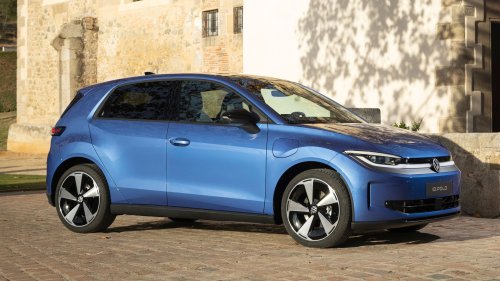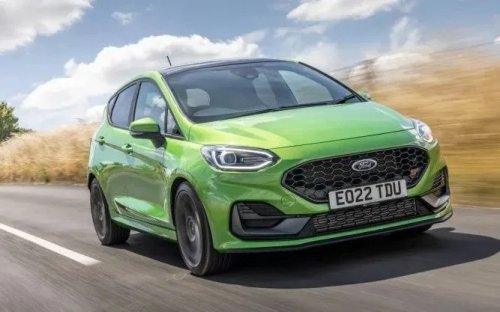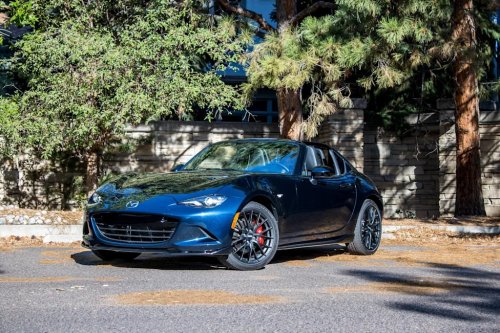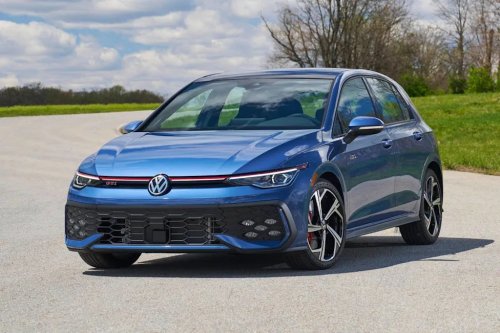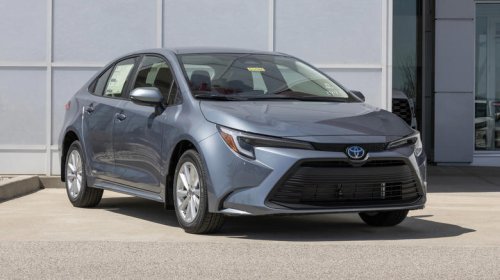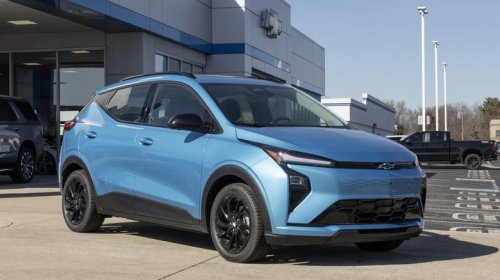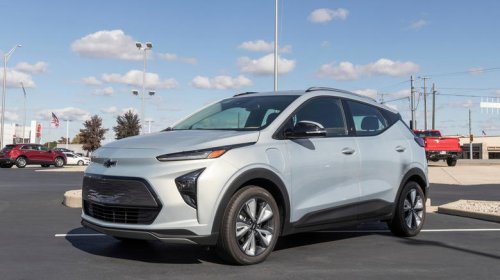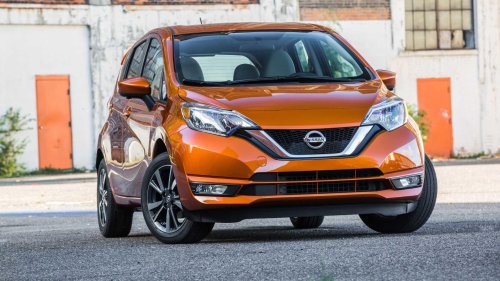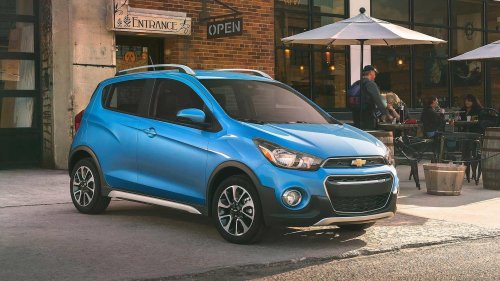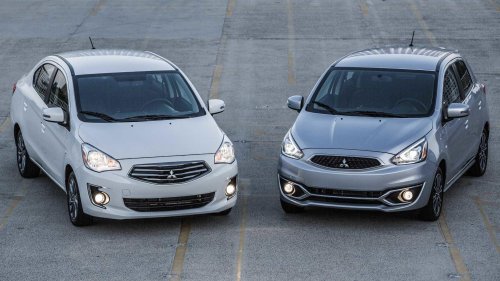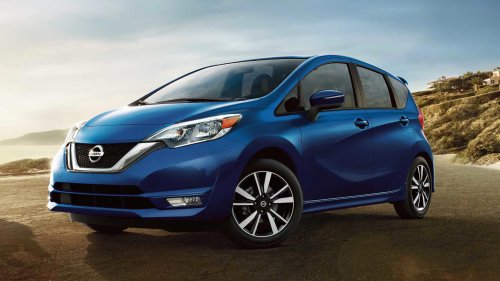



















The Cheap New Car Is Dead and Here's the Brutal Math to Prove ItThere was a time, not that long ago, when a first-time buyer with a modest budget could walk onto a dealer lot and have real choices. Roughly three dozen of them, in fact. In 2017, the American market offered about 36 different new vehicle models with a starting price under $25,000. By 2026, that list has collapsed to four, maybe five depending on how you count destination fees and trim levels. The affordable new car hasn't just gotten harder to find. It has very nearly stopped existing.This isn't a story about cars getting a little pricier with inflation. It's about the near-total disappearance of an entire tier of the market — the on-ramp that generations of working drivers relied on to get reliable, financeable, warrantied transportation. Here's how big the drop really is, which models are still hanging on, and why the bottom of the market got hollowed out. (For the deeper autopsy on this trend, see our look at how the sub-$25K new car went basically extinct.)From 36 Models to a HandfulThe headline number comes from Cox Automotive, the parent company of Kelley Blue Book, and it has been echoed by outlets from PBS NewsHour to the major car-shopping sites. In 2017, there were about 36 vehicle models on sale in the U.S. starting under $25,000. As of 2026, Cox counts roughly five. Kelley Blue Book frames the same shift from the other direction: in 2017 automakers built 61 models priced at $60,000 or more, and today they build 114. The industry didn't stop making cars. It moved upmarket and left the basement behind.AdvertisementAdvertisementThe pricing data underneath that shift is just as stark. The average transaction price for a new vehicle in the U.S. has climbed toward roughly $48,000 to $50,000, depending on the month and the source. New vehicles priced under $25,000 now account for less than 5 percent of all sales, according to Kelley Blue Book. In other words, the cheap new car isn't just rare on dealer lots — it's rare in driveways too. The typical new car now costs more than twice what the cheapest one on the market does.The Survivors: What's Still Under $25K in 2026So what actually remains? The list is short enough to recite from memory. The cheapest new vehicle on sale today is the Hyundai Venue, a subcompact crossover-shaped hatchback that starts around $20,550 to $21,695 once destination is figured in. Just behind it sits the Chevrolet Trax at roughly $21,700, a car that has quietly become one of the better value stories in the entire industry. Round out the genuinely-under-$25K group with the Kia K4 (around $22,290) and the Nissan Kicks, with the Nissan Sentra, Hyundai Elantra, and base Toyota Corolla all hovering right at or just under the $24,000 line.Notice what's missing from that list: almost everything. The Ford Fiesta and Focus are gone. The Chevy Sonic and Spark are gone. The Honda Fit left the U.S. years ago. The truly tiny, truly cheap econoboxes that once anchored the bottom of the market have been discontinued one by one, and nothing was built to replace them. What survives skews toward small crossovers and compact sedans built in Mexico and South Korea, because that's the only place the math still works at this price.Why the Cheap Car DisappearedThere's no single villain here, which is part of what makes the trend so hard to reverse. The affordable car was crowded out by a stack of pressures that each, on its own, sounds almost reasonable.AdvertisementAdvertisementThe biggest factor is simple profit math. Automakers earn very little on a $22,000 economy car and a great deal on a $50,000 crossover. Factory capacity, engineering hours, and dealer floor space are all finite, so when a company has to choose what to build, the spreadsheet keeps pointing at the expensive stuff. Repeated across the whole industry for a decade, that logic is how Ford ended up walking away from passenger sedans in North America almost entirely. The cheap car wasn't beaten by a rival — it was beaten by its own maker's more profitable models.Feature creep did its share of damage too. Today's entry-level car ships standard with equipment that would have been optional or unavailable on a 2010 economy model: multiple airbags, automatic emergency braking, a backup camera, a sizable touchscreen, tire-pressure monitoring, and more. Much of it represents real, life-saving progress. But "standard" also means you can no longer buy the stripped-down version, and every mandated feature nudges the price floor higher. The cheapest car you can buy now is genuinely better than the average car from 2010, and it's priced accordingly.Then there are tariffs, which land on this segment with unusual force. Because budget cars are overwhelmingly imported, trade policy hits them hardest. Cox Automotive's analysis found that a 25 percent tariff on imported vehicles touches nearly 80 percent of cars priced under $30,000. Estimates pegged the added cost at roughly $2,300 per vehicle, with destination charges climbing on top of that. A luxury SUV can absorb that kind of hit. A $20,000 hatchback, built on razor-thin margins to begin with, often can't — and some automakers have reportedly weighed pulling their cheapest U.S. models entirely.Finally, the usual escape hatch — the used market — is jammed. Pandemic-era production cuts erased an estimated 7.5 to 8 million vehicles that were never built and therefore never aged into affordable three-year-old inventory. The result is a used market where prices crept toward $30,000 and a clean used compact costs what a new one used to. Buyers priced out of new cars can't simply pivot to used and come out ahead.The Financing Squeeze Makes It WorseSticker price is only half the story. The way Americans pay for cars has gotten heavier at exactly the same time the cars themselves got more expensive. Average new-car interest rates have sat north of 6.5 percent, and the average monthly new-car payment has marched from the mid-$500s toward the $700-plus range — a figure that used to signal a luxury lease and is now simply ordinary. Auto-loan delinquencies and repossessions have crept back toward levels last seen around the Great Recession. Once you've got the loan figured out, it's worth understanding what each type of car insurance actually covers before you sign.AdvertisementAdvertisementPut it together and you get a market that has quietly shown a lot of people the door. Reporting has suggested that roughly a million prospective new-car buyers have simply left the market since the start of the decade. They didn't trade down to a cheaper new car, because there's barely a cheaper new car left to trade down to. They exited.Who Actually Gets Left BehindThis is where a car-market story turns into a story about who can and can't participate in everyday American life. A new car was never just transportation. For a working buyer with thin or bruised credit, it was often the one financeable, warrantied asset they could actually qualify for: predictable payments, no surprise transmission failure, a vehicle that would start at 5 a.m. for a decade. Strip out the affordable new car and those buyers don't move to a slightly older new car. They get pushed down into the most expensive corner of the used market, where interest rates are punishing and reliability is a gamble.The uncomfortable part is that the people making these product decisions rarely feel the consequences. To a product planner choosing a crossover over a sedan, the budget car is a rounding error. To the buyer it served, it was the difference between reliably getting to a job and not. The market optimized itself toward its most profitable customers and gradually stopped serving everyone below that line, and because those customers tend to be the least visible and the least powerful, the shift happened without much of a public fight.It Doesn't Have to Stay This WayHere's the strangely hopeful footnote: the affordable car can still be built. The survivors prove it. Today's Venue, Trax, and Sentra are objectively better cars than the budget segment offered fifteen years ago, which means the engineering knowledge and the factories haven't vanished. What's gone missing is the incentive — the willingness to prioritize the bottom of the market over the top of it — and a policy environment that doesn't actively punish the cheapest models. The sub-$25,000 new car wasn't killed by some iron law of economics. It was killed by a long series of individually defensible choices that added up to one indefensible result: a new-car market with a velvet rope, and a growing crowd of people stuck on the wrong side of it.AdvertisementAdvertisementIf you're shopping the bottom of the market right now, the move is to act decisively on the handful of models that remain, watch destination and tariff-driven fees closely, and run the financing math before you fall for a monthly payment — and remember there's a best time of year to buy a new car if you can wait. The entry-level car was never the most exciting thing the industry built. It was just the most important — and it's worth knowing exactly what's left of it.Join our Newsletter, follow our Instagram page, and connect with us on Facebook.