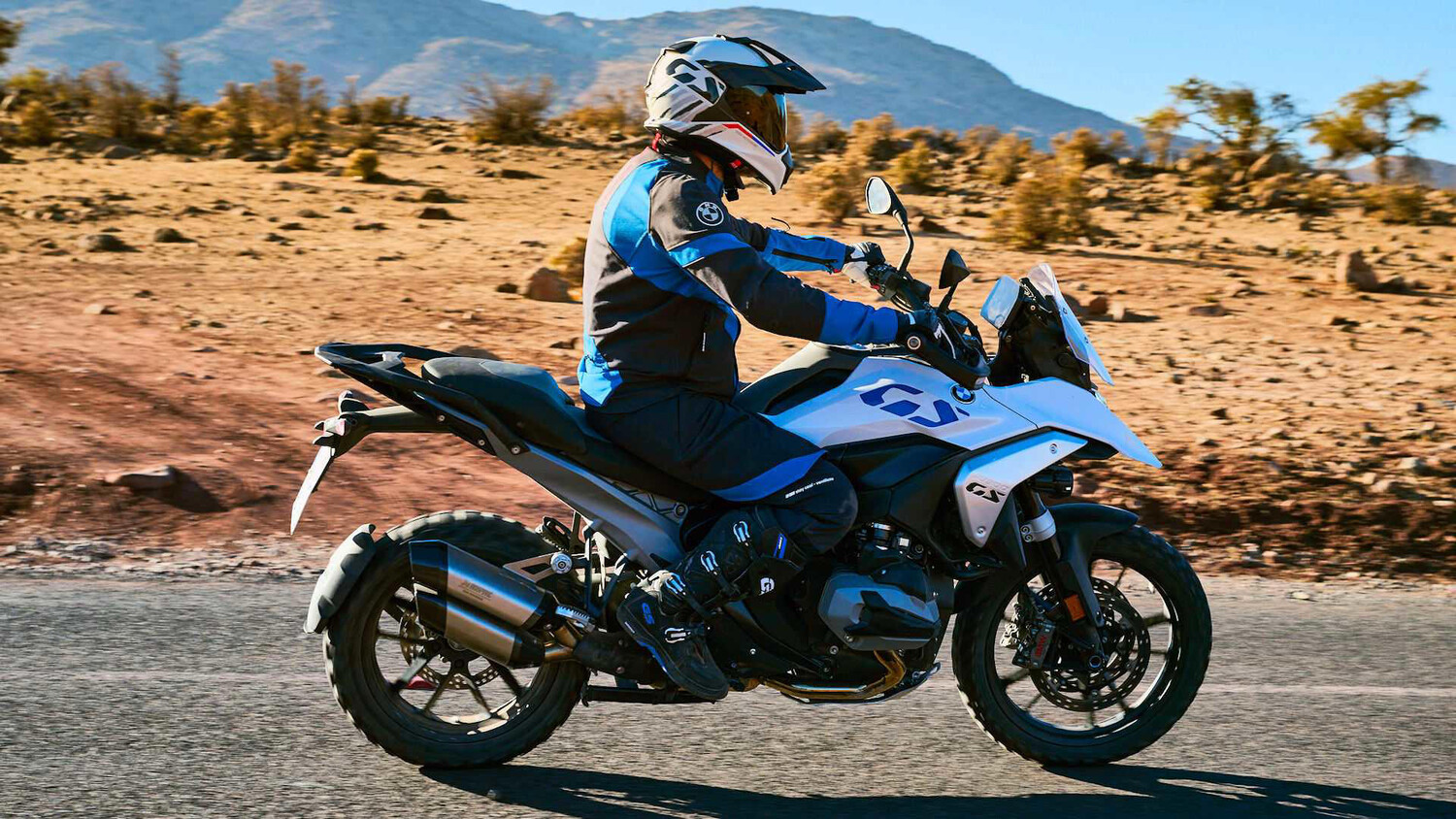
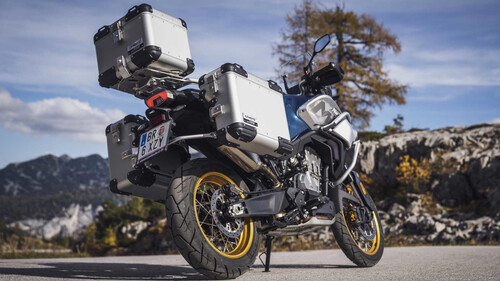
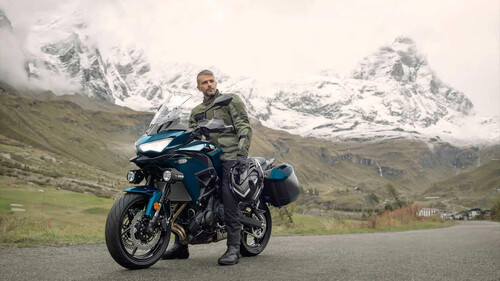
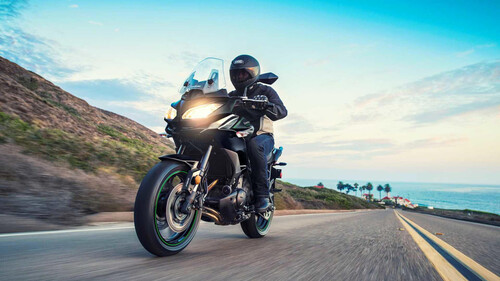
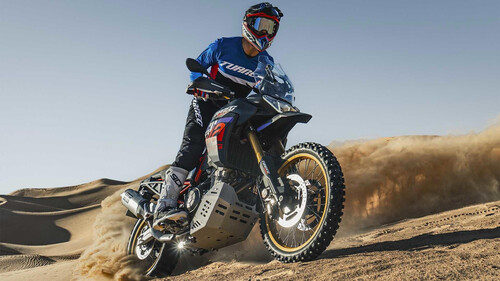
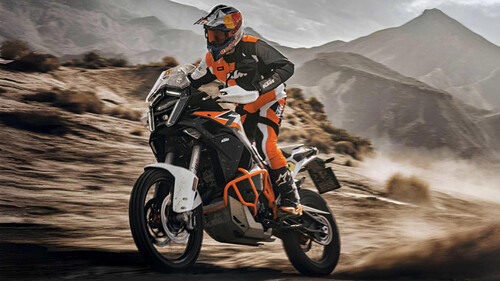
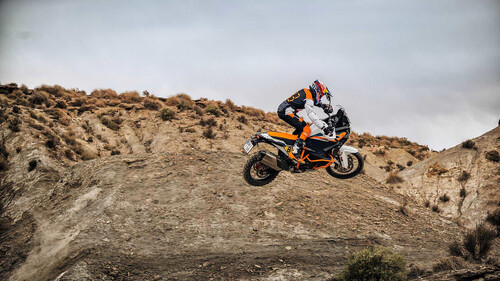
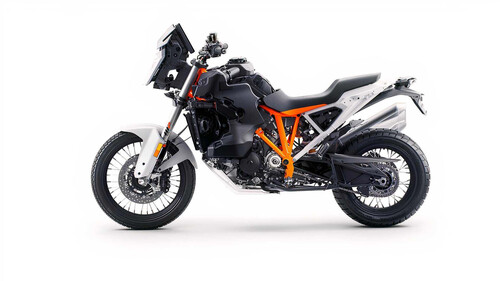
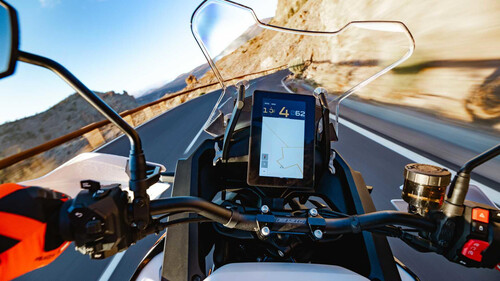
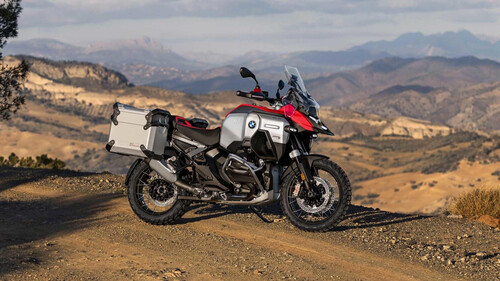
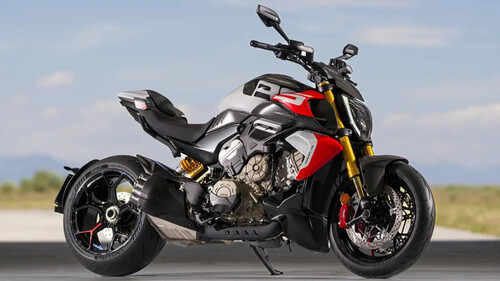
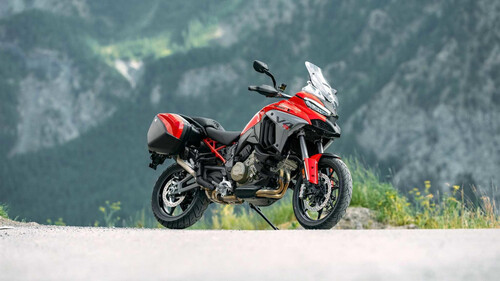
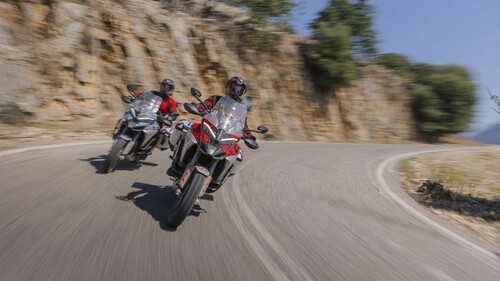
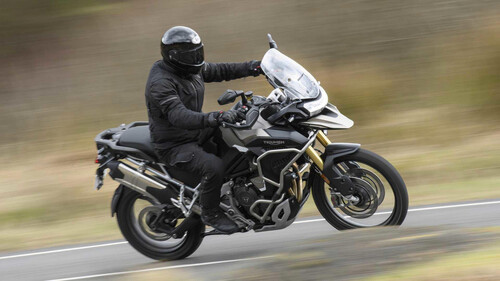
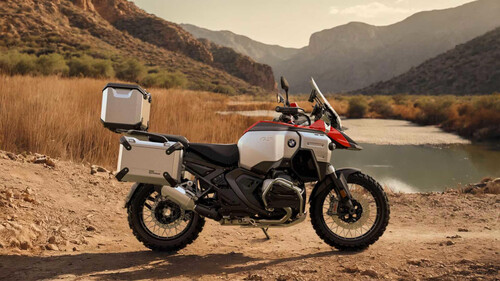
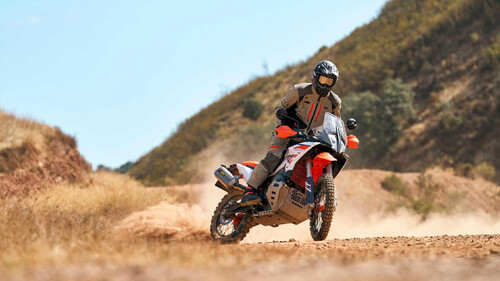
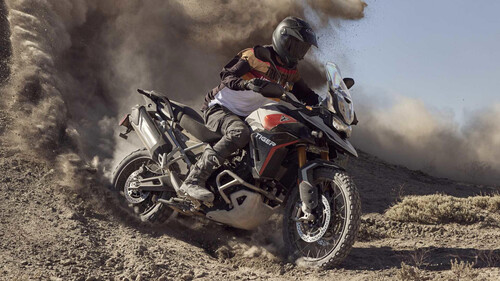
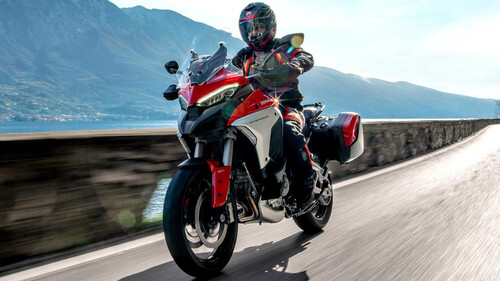
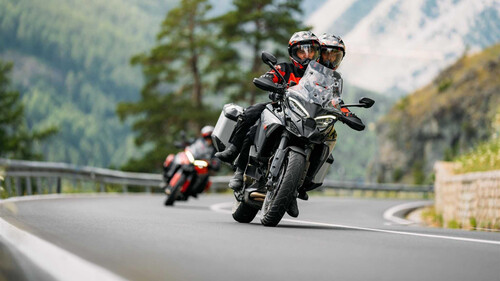
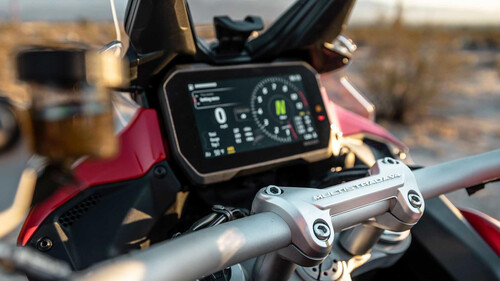
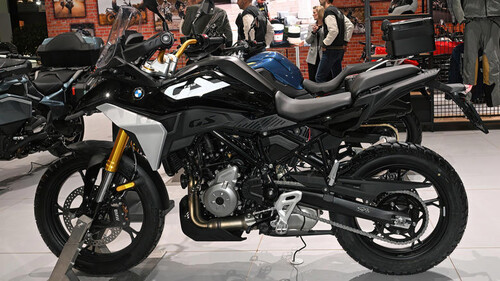
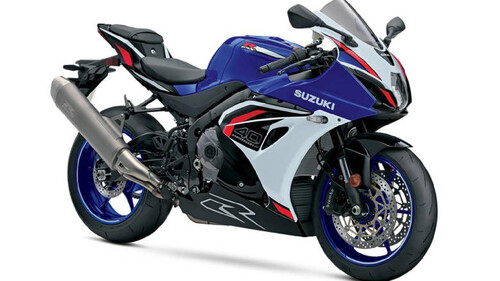
Back in the day, adventure bikes used to live in clearly defined lanes. Some were built for long-haul touring with upright ergonomics and plush seats, while others leaned toward dirt with lighter weight and longer suspension travel. That line has basically disappeared. Riders now expect one machine to do both, and not just in theory, but in actual day-to-day riding across different environments.That shift has pushed manufacturers into a corner. It’s no longer enough to build a bike that can survive a dirt road or handle a highway stint. It has to be genuinely comfortable at 80 miles per hour for hours, then feel composed when the pavement ends. That’s a big ask, especially when weight, electronics, and power all pull in different directions. Yet, some modern ADVs nail the balance. Long-Distance Comfort Now Matters As Much As Capability Harley-Davidson The reality is that most riders spend more time getting to the adventure than actually being in it. That means wind protection, seat comfort, fuel range, and rider aids aren’t luxuries anymore. They’re essentials. A bike that beats you up before you even hit the trail isn’t going to cut it, no matter how capable it is off-road.There’s also the expectation of refinement. Cruise control, semi-active suspension, and smart electronics have trickled down from touring bikes into the ADV space. Riders don’t want to sacrifice comfort just because they might hit dirt later. If anything, they expect both ends of the spectrum to feel equally sorted. Riders Want One Bike That Can Replace Two Honda For a lot of riders, space and budget don’t allow for a dedicated touring bike and a separate off-road machine. That’s where the modern ADV steps in. It’s supposed to replace both, which means it has to be versatile without feeling compromised. That balance is incredibly hard to get right. The challenge comes down to physics. Bigger fuel tanks add weight. More electronics add complexity. More power can make off-road riding harder to manage. Yet, without those things, the bike starts to fall short on the highway. It’s a constant trade-off. Where Most ADVs Still Fall Short In The Real World BMW Motorrad Even today, a lot of adventure bikes still struggle to deliver on that promise. Some feel incredible on the highway but become intimidating once the terrain gets rough. Others are great off-road but feel underpowered or uncomfortable when you’re trying to cover a serious distance. Then there’s the issue of heat, vibration, and fatigue. Long rides can expose flaws quickly. A buzzy engine or poor wind protection might not seem like a big deal on paper, but after a few hours, it can completely change the riding experience. That’s where the gap between “capable” and “actually usable” becomes obvious. The Balance Between Weight, Power, And Usability KTM/Rudi Schedl Weight is always the elephant in the room. A fully loaded ADV bike can easily tip the scales well over 500 pounds. Managing that off-road requires confidence, skill, and a predictable chassis. Add too much power, and it becomes harder to control. Take away too much, and it feels flat on the highway.Usability is what ties everything together. It’s about how the bike behaves when you’re tired, when the road gets unpredictable, or when conditions change quickly. The best bikes don’t just perform well in ideal situations. They stay composed when things aren’t perfect, which is where most real-world riding actually happens. The Ducati Multistrada V4 Rally Is Perfect For Both Freeway And Dirt Riding Ducati When you finally get to a bike that genuinely tries to bridge that gap, it stands out immediately. The Ducati Multistrada V4 Rally is a prime example, built around the idea that you shouldn’t have to choose between comfort and capability. It’s designed to cover serious distance without feeling like a burden when the terrain gets rough.At the heart of it is Ducati’s 1,158cc V4 Granturismo engine, producing 170 horsepower and 92 pound-feet of torque. It’s paired with a six-speed gearbox and a bi-directional quickshifter, delivering strong, smooth acceleration across the rev range. Unlike older Ducati engines, this one uses conventional valve springs, which extend service intervals to 36,000 miles for valve checks. Built For Distance: Comfort, Range, And Rider Aids Ducati This is where the Rally version really separates itself. It gets a massive 7.9-gallon fuel tank, giving it serious range for long-distance touring. The ergonomics are tailored for comfort, with a wider seat, improved wind protection, and adjustable components that let you fine-tune the riding position.Electronically, it’s packed. You get Ducati Skyhook semi-active suspension, adaptive cruise control, blind-spot detection, multiple riding modes, and a full suite of rider aids. There’s even a cylinder deactivation system that shuts down the rear bank at idle and low speeds to reduce heat, which makes a noticeable difference in traffic and hot conditions. Boasts Performance Without Compromise Ducati Despite its size, the Multistrada V4 Rally doesn’t feel like a handful. The aluminum monocoque frame and long-travel suspension give it stability without making it feel sluggish. It rides on a 19-inch front and 17-inch rear wheel setup, striking a balance between road stability and off-road capability.The suspension travel comes in at 7.9 inches front and rear, and the ground clearance is around 9.1 inches. That’s enough to handle rough terrain without sacrificing composure on the highway. Braking is handled by dual 330 mm discs up front with Brembo Stylema calipers, delivering strong, consistent stopping power for a bike that weighs around 573 pounds wet. It’s Not Just Capable, It’s Surprisingly Livable What really stands out isn’t just what the bike can do, but how easy it is to live with. The engine is smooth and refined, with minimal vibration even at higher speeds. The electronics work in the background rather than overwhelming you, and the riding modes genuinely change the character of the bike depending on the situation.Diving deeper, the Ducati Multistrada V4 Rally packs one of the most comprehensive electronics suites in the segment. You get adaptive cruise control and blind-spot detection via front and rear radar, along with cornering ABS, traction control, wheelie control, and multiple riding and power modes. The 6.5-inch TFT is crisp and easy to navigate, while Ducati Skyhook suspension constantly adjusts on the fly. You're Paying For Confidence On Any Terrain Ducati Multistrada V4 Rally - Scenic Of course, all of this comes at a price. The Ducati Multistrada V4 Rally starts at $31,995, placing it firmly at the premium end of the ADV segment. That puts it up against heavy hitters like the BMW R 1300 GS Adventure and the KTM 1390 Super Adventure R, both of which bring their own flavor of long-distance capability and off-road performance.BMWCompared to the BMW R 1300 GS Adventure, the Multistrada V4 Rally trades some of that signature BMW balance for outright performance. The GS feels more planted and forgiving, especially off-road, with its low-end torque and Telelever setup keeping things composed when terrain gets tricky. The Ducati counters with 170 horsepower and a sharper, more aggressive character, making it the stronger pick for fast highway miles and spirited riding.KTM/Rudi Schedl Against the KTM 1390 Super Adventure R, the Multistrada V4 Rally is far more refined and road-focused. The KTM is raw, lighter-feeling, and more at home in aggressive off-road conditions, but it gives up comfort and touring tech. The Ducati flips that script with better wind protection and smoother power delivery, making it the easier bike to live with on long, mixed-terrain rides.Ducati But what you’re really paying for here isn’t just outright performance or a long list of features. It’s the confidence that the bike won’t feel out of place, no matter where you take it. Long freeway haul, loose gravel, or something more technical, it stays composed and predictable. And for riders who want one bike that genuinely does both, that kind of versatility starts to make a lot of sense.Source: Ducati