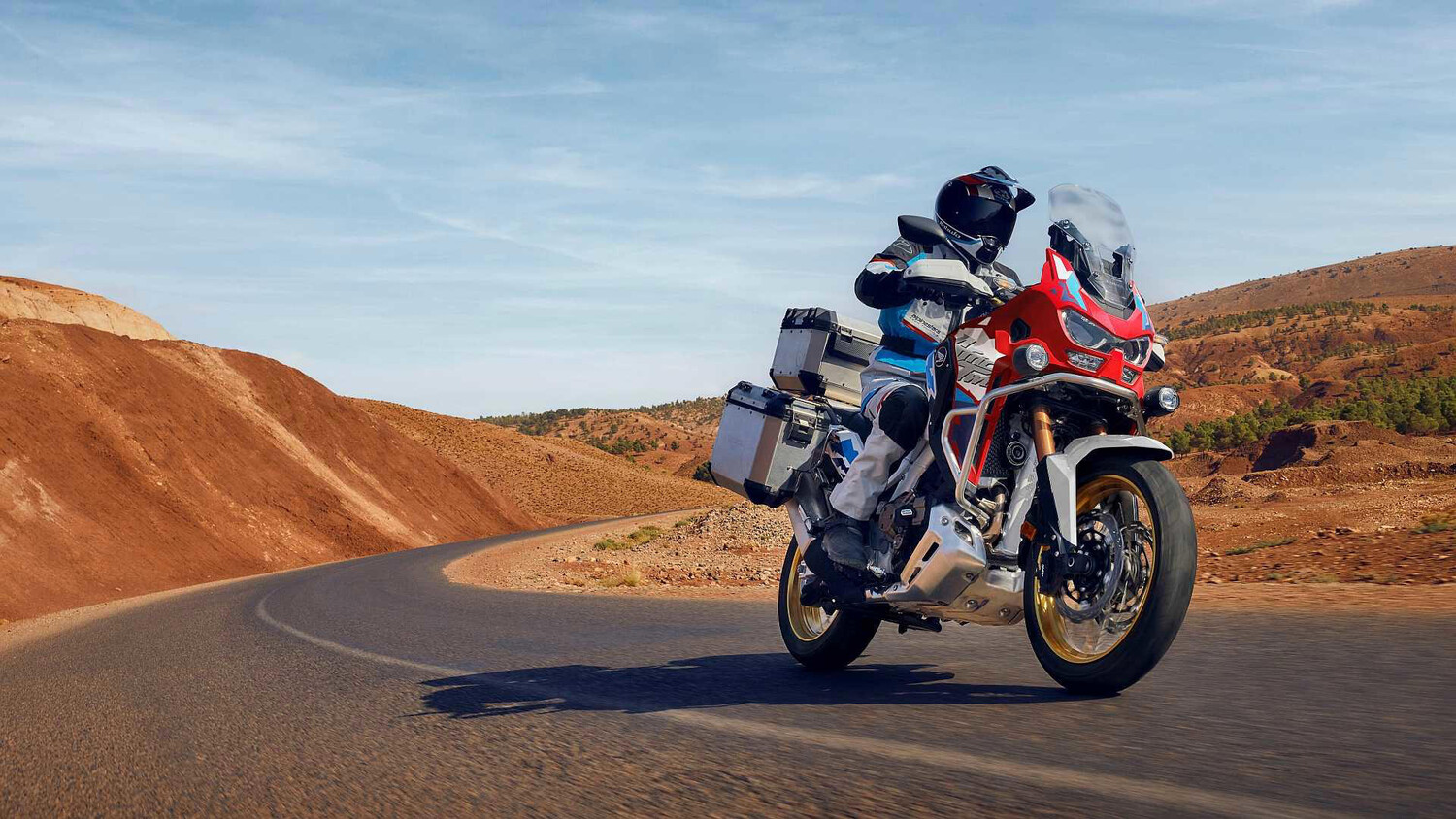
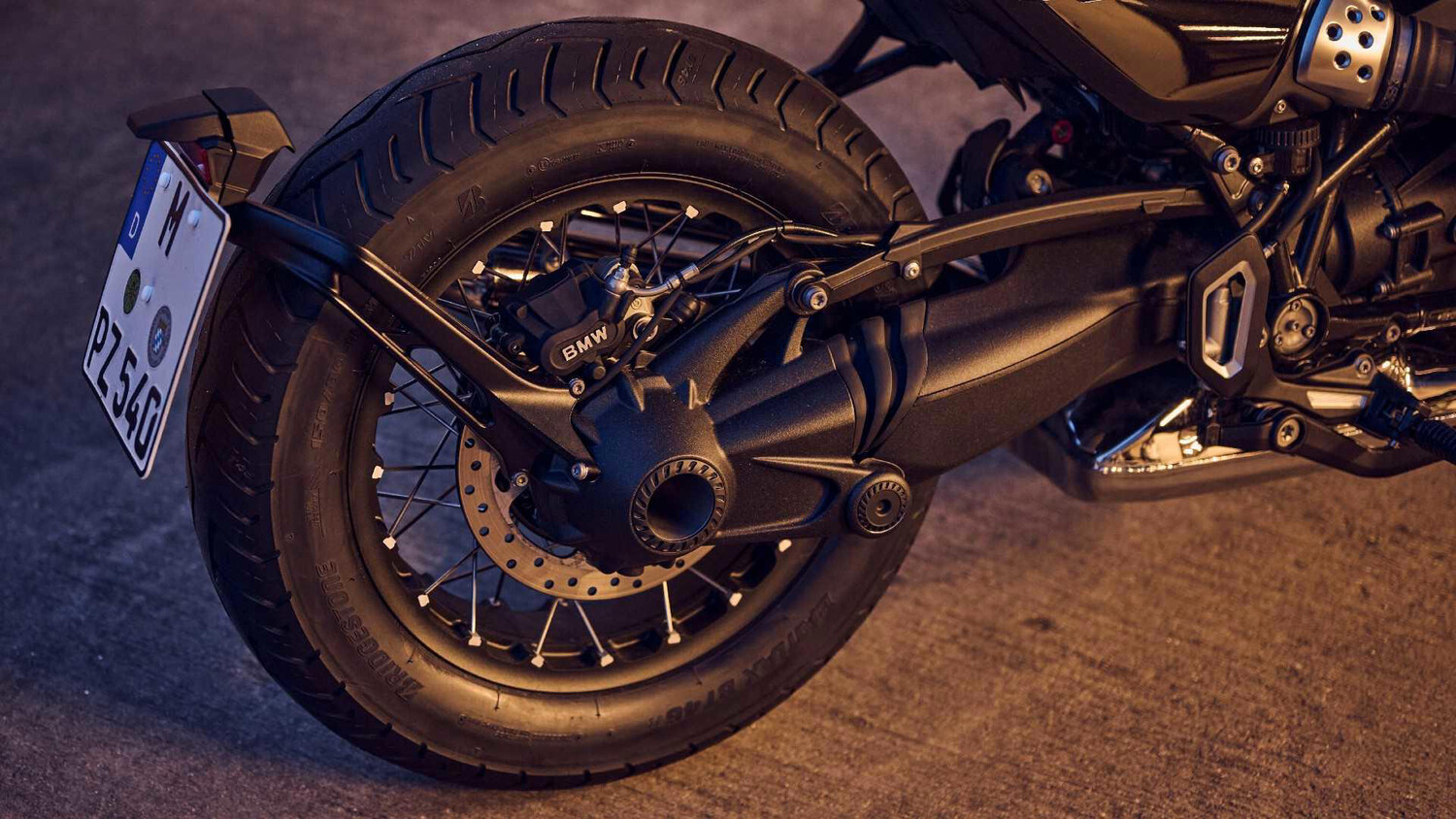
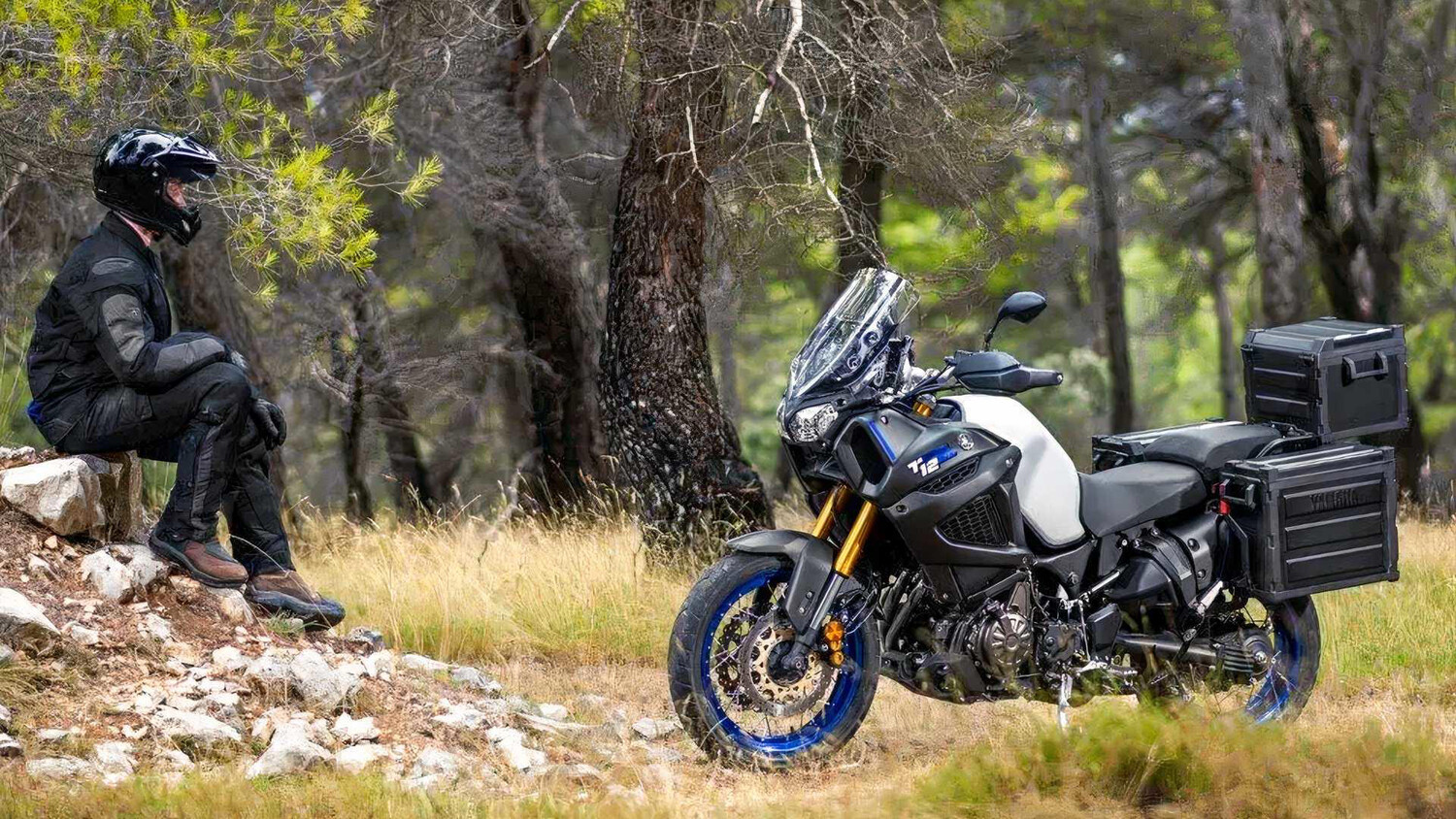
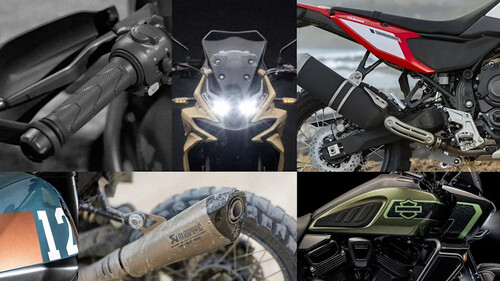
Adventure bikes have become incredibly capable over the past decade, but somewhere along the way, a lot of them started chasing excitement a little too aggressively. Bigger horsepower numbers, sharper handling, lighter chassis, taller suspension, and electronics packages that read like gaming PCs. They're wildly impressive machines, but load them down with aluminum panniers, camping gear, spare fuel, tools, and maybe even a passenger, and some start feeling a bit busy underneath you. One bike, however, built its entire identity around the exact opposite philosophy. Modern Adventure Bikes Sometimes Sacrifice Stability For Excitement BMW A lot of modern ADV motorcycles are trying to blur the line between dirt bike and sports bike. On paper, that sounds awesome. Lightweight chassis, ultra-responsive steering, sky-high suspension travel, and engines making close to 150 horsepower definitely make for exciting marketing material. But out on the highway, especially during multi-day touring rides, those same characteristics can sometimes make a motorcycle feel nervous once it’s carrying real-world weight.There’s also the reality that most adventure riders spend way more time on pavement than they do crossing dunes or hammering through enduro trails. Fully loaded touring exposes weaknesses quickly. Crosswinds become more noticeable, steering geometry starts feeling twitchier, and abrupt throttle response gets tiring after hundreds of miles in the saddle. That’s why some riders eventually stop chasing spec-sheet bragging rights and start prioritizing predictability instead. Long-Distance Riders Still Value Predictability Over Peak Performance Honda Powersports The riders who regularly cross states, countries, or even continents usually end up appreciating different things from their motorcycles. Stability matters more than agility. Comfort matters more than outright acceleration. And durability matters more than having the latest flashy electronics package that shaves half a second off a canyon road sprint. That’s where older-school adventure touring design still holds a lot of appeal. The Touring Advantage Of Shaft Drive, Big Fuel Tanks, And Relaxed Geometry BMW A shaft-driven ADV bike may not sound exciting compared to lighter chain-driven rivals, but on a long trip, it makes a massive difference. Less maintenance means fewer interruptions during travel, especially when riding through bad weather or remote regions. A larger fuel tank also changes how you travel psychologically. Instead of constantly hunting for gas stations, you simply keep riding. Combine that with relaxed steering geometry and a long wheelbase, and the bike starts behaving more like a freight train than an oversized dirt bike.These are the kinds of traits that don’t necessarily stand out during a 20-minute demo ride. But after eight hours on the highway with side cases mounted and a week’s worth of gear strapped to the back, they suddenly become incredibly valuable. The best long-distance motorcycles aren’t always the most exciting ones at first impression. Sometimes they’re the ones that slowly earn your trust mile after mile. The Yamaha Super Tenere Is More Stable Loaded With Gear Than Expected Yamaha That’s exactly what makes the Yamaha Super Tenere such an interesting machine. While competitors spend years chasing lighter weights and bigger horsepower numbers, Yamaha stays committed to building a brutally dependable adventure tourer that prioritizes composure over drama. The result is a bike that many riders initially dismiss as heavy or conservative, only to later realize it becomes better the more weight you add to it. A Big-Displacement Twin That Gobbles Up The Miles Yamaha The Super Tenere is powered by a 1,199cc liquid-cooled parallel-twin engine with a 270-degree crankshaft, producing around 112 horsepower and 86 pound-feet of torque. It comes paired to a six-speed transmission and shaft final drive, creating a powertrain designed less for explosive acceleration and more for effortless long-distance cruising. The torque delivery is smooth, predictable, and incredibly usable, especially when riding two-up or carrying full luggage.What makes the engine special isn’t outright speed. It’s how relaxed everything feels at highway pace. The bike barely seems stressed while cruising at interstate speeds, and the broad torque curve means fewer gear changes while overtaking or climbing in elevation. Yamaha also equips the bike with cruise control, traction control, selectable ride modes, and heated grips, all of which make long-distance touring substantially less fatiguing. Capable Suspension And Balanced Weight Distribution Make A Huge Difference Yamaha The ES trim’s electronically adjustable suspension plays a huge role in the bike’s loaded stability. Riders can quickly adjust preload and damping settings depending on whether they’re riding solo, carrying luggage, or traveling with a passenger. Once dialed in, the bike stays impressively planted, even when fully packed with hard panniers and top boxes.Its steel frame, long wheelbase, and low-mounted fuel tank also contribute to that planted sensation. Even though the Super Tenere carries a hefty 591-pound wet weight, the mass is distributed so well that it rarely feels top-heavy once moving. Up front, the bike uses a 43mm inverted fork, while braking duties come courtesy of dual 310mm front discs and a 282mm rear disc with linked ABS. The chassis never feels eager or hyperactive. Instead, it feels calm, settled, and deeply reassuring. Yamaha Built This Bike For Crossing Continents, Not Chasing Spec Sheets The Super Tenere was clearly designed for people who actually travel huge distances on motorcycles. It has a wide adjustable windscreen, upright ergonomics, a roomy seat, tubeless spoked wheels, and enough wind protection to comfortably survive miserable weather for hours on end. Even details like the generous alternator output matter to serious travelers running heated gear, GPS systems, auxiliary lights, and communication equipment simultaneously.And unlike some newer adventure bikes that seem intimidatingly complex, the Yamaha develops a reputation for durability that borders on legendary. Owners routinely pile astronomical mileage onto these things with very few major issues. It isn’t uncommon to see heavily traveled examples still running strong after years of abuse, dirt roads, cross-country touring, and endless commuting duty. The Super Tenere Might Be One Of The Last True Old-School Adventure Tourers Yamaha In today’s market, where adventure bikes increasingly resemble oversized performance machines packed with massive touchscreens and superbike-level horsepower, the Super Tenere almost seems like a relic from another era. But that’s also exactly why so many riders continue to appreciate it. It prioritizes function over hype and stability over theatrics.The bike was technically discontinued after the 2024 model year, carrying a final MSRP of $16,299. If you’re lucky, you may still find leftover inventory sitting in certain Yamaha dealerships. But the used market is really where this bike starts making a ton of sense. Clean examples regularly sell for around $11,000 to $12,000 USD, which suddenly makes this continent-crossing machine look like one of the best-value long-distance ADV bikes around.Source: Yamaha