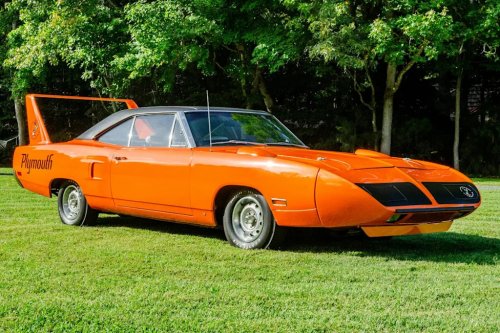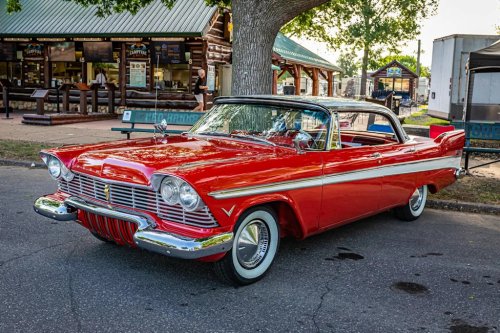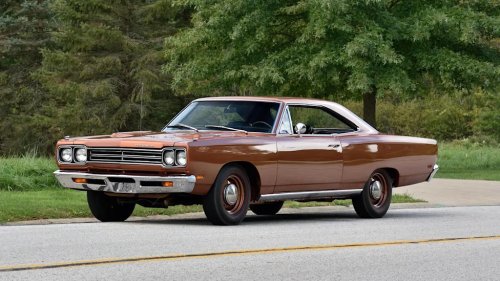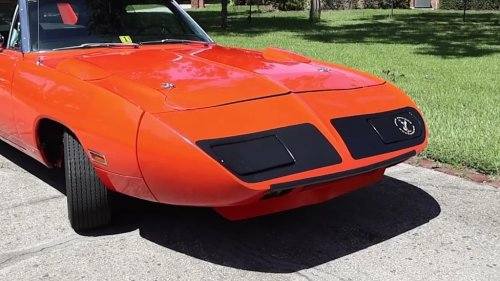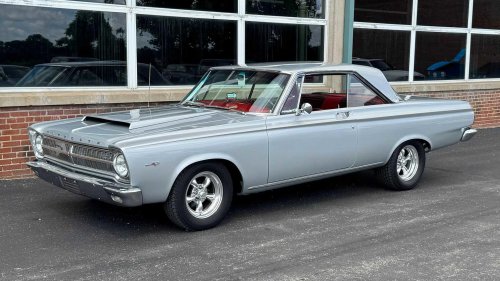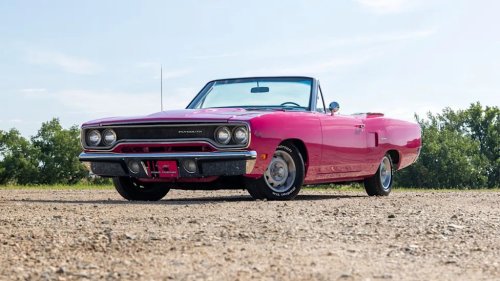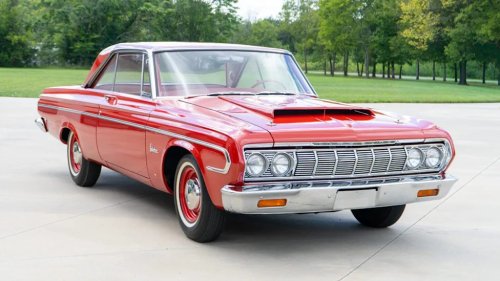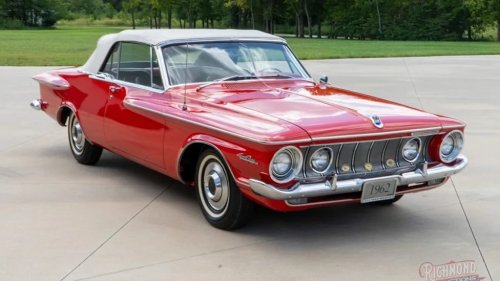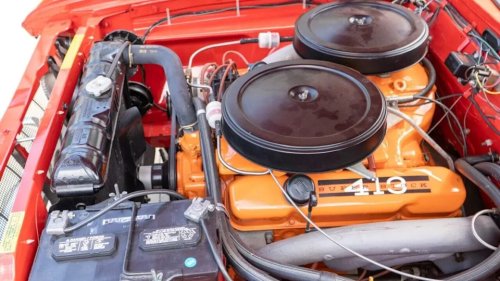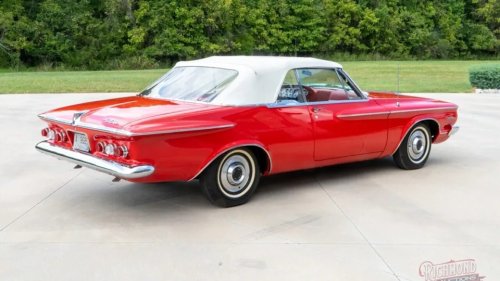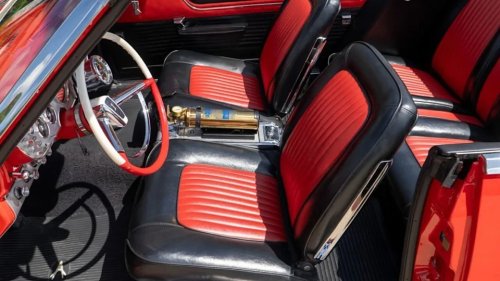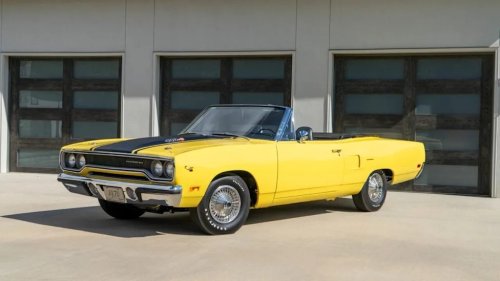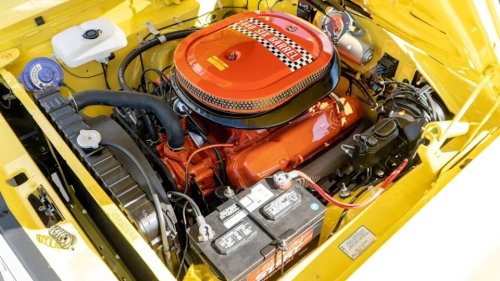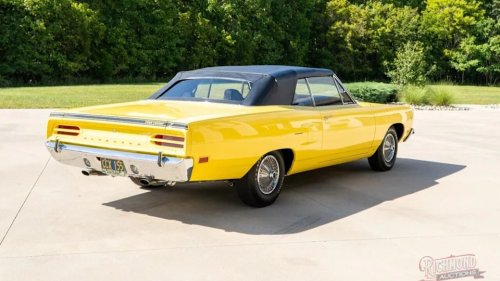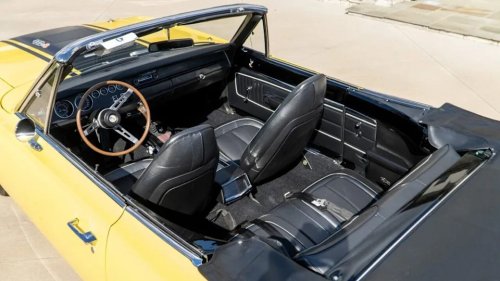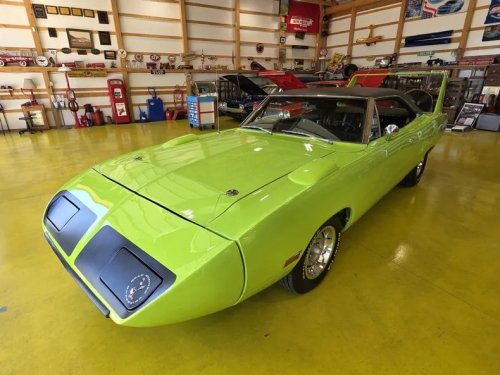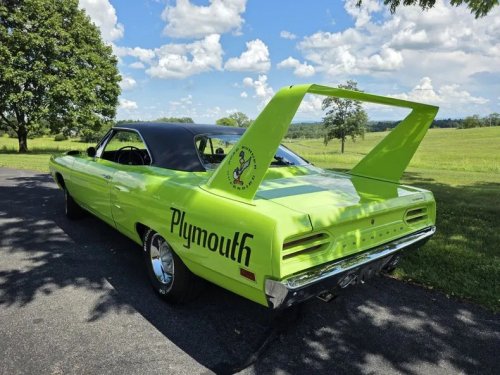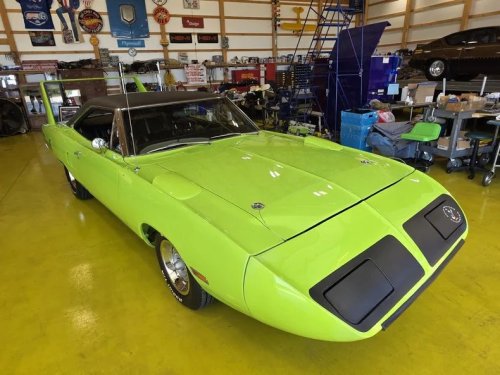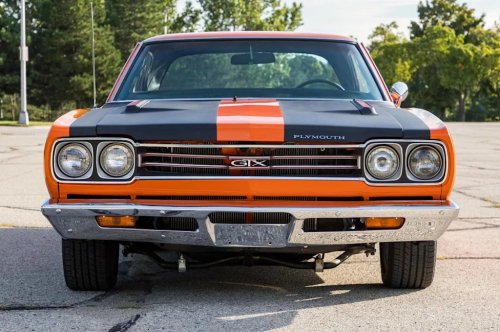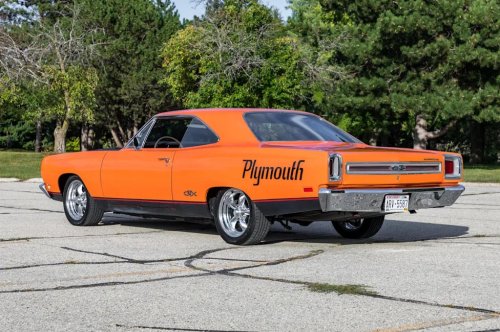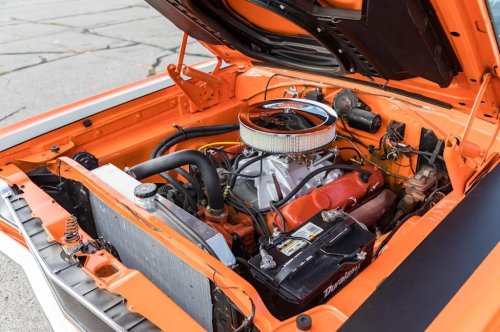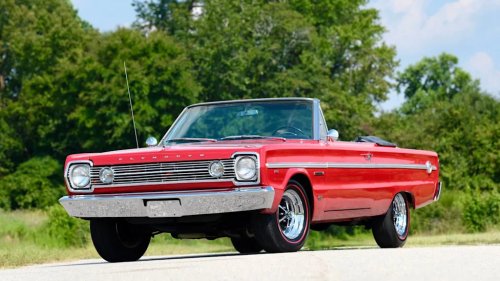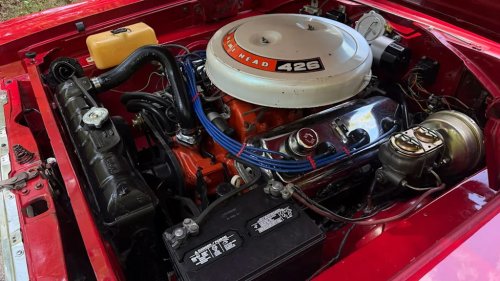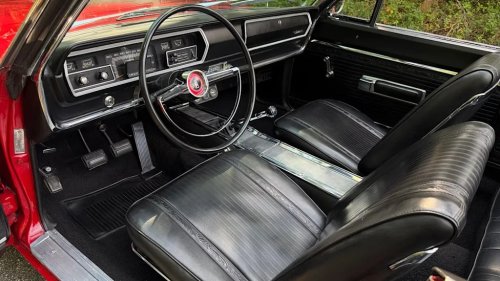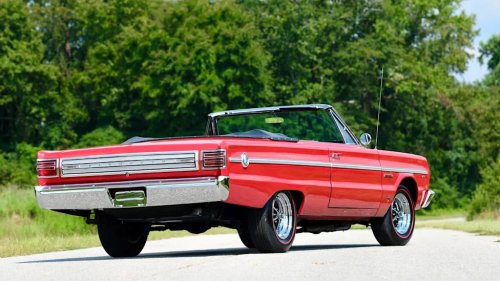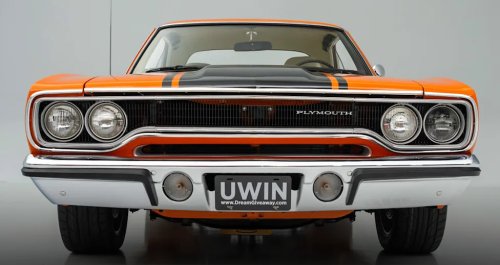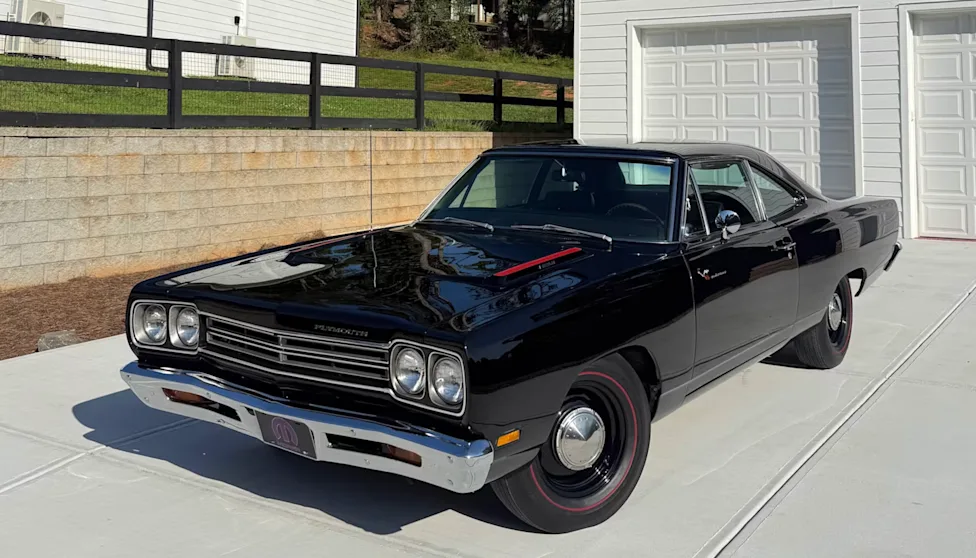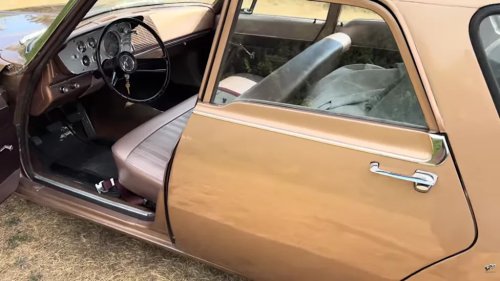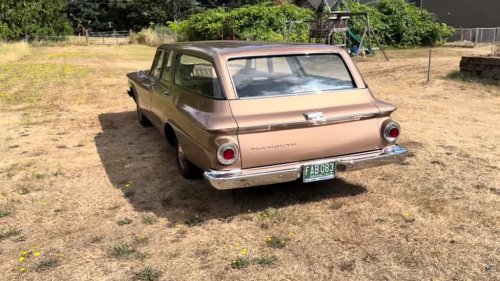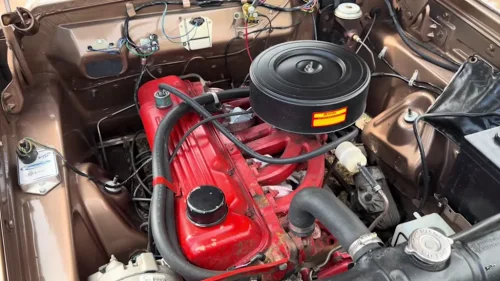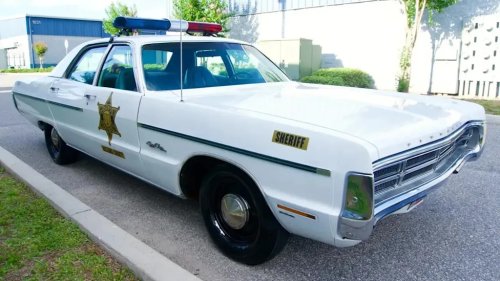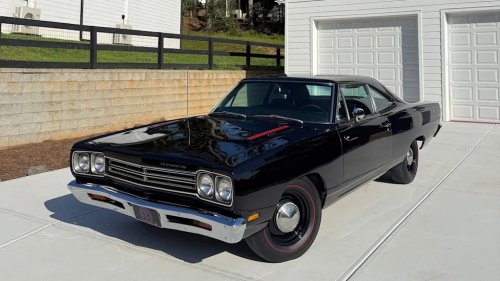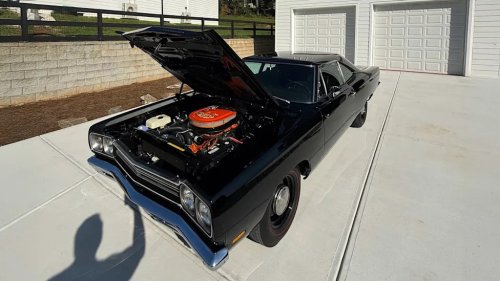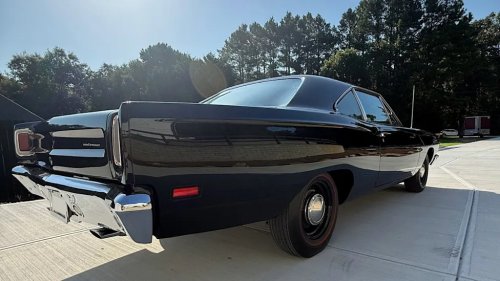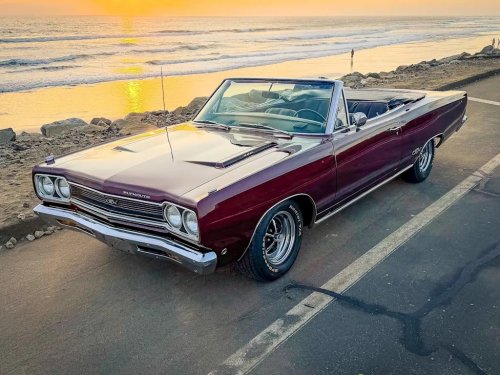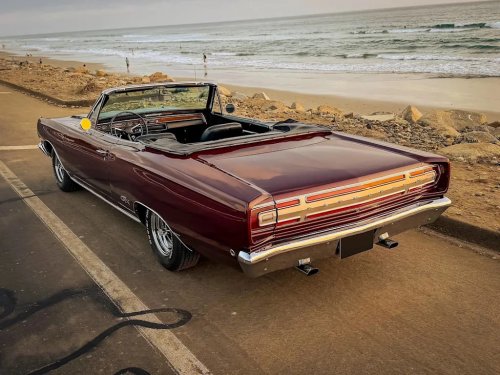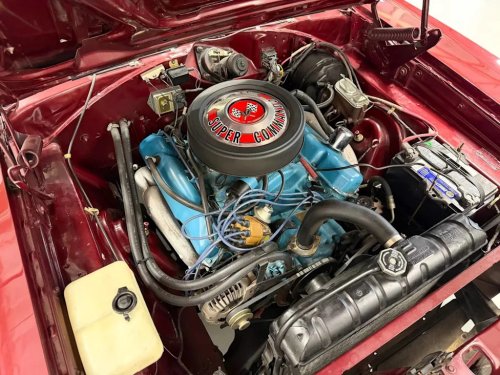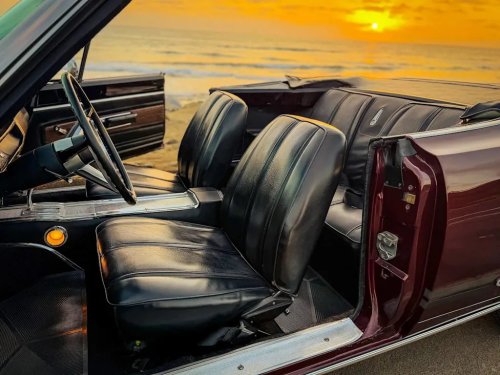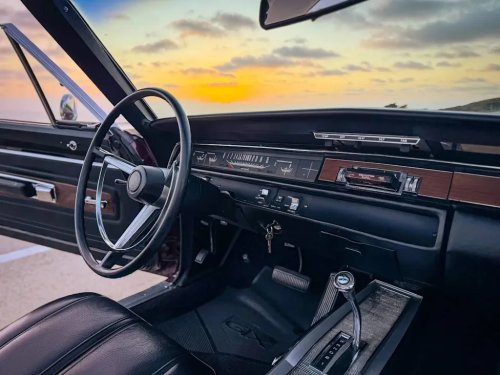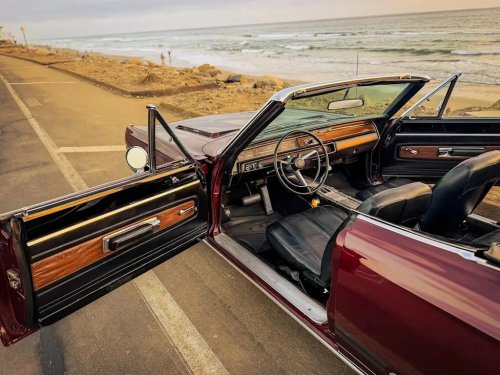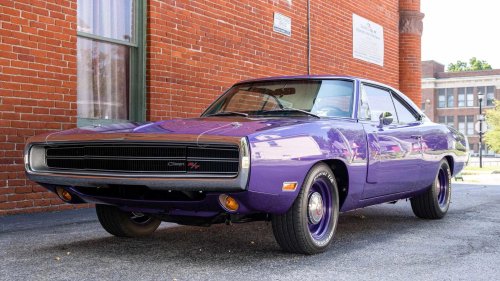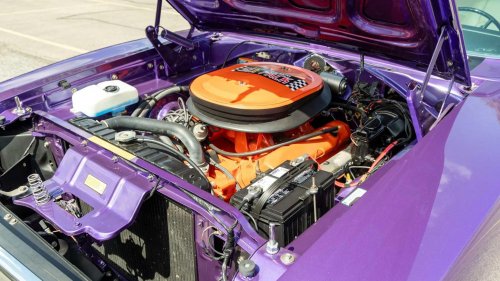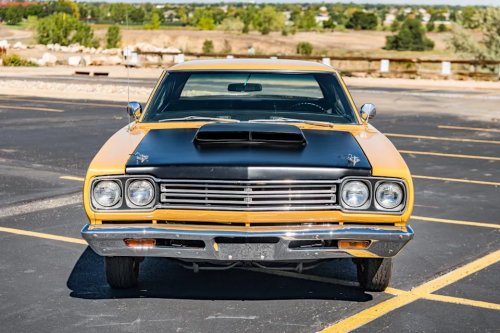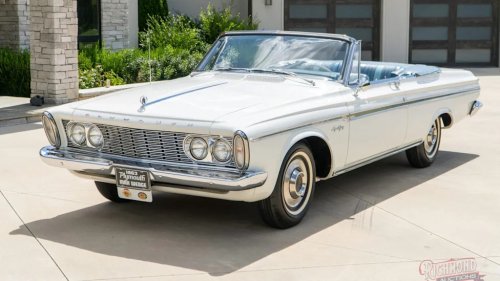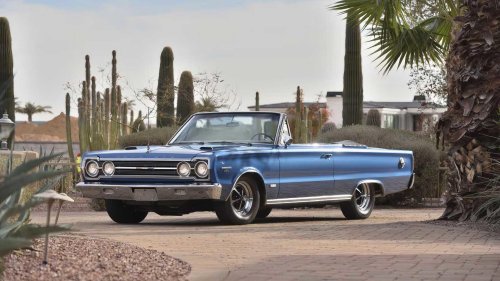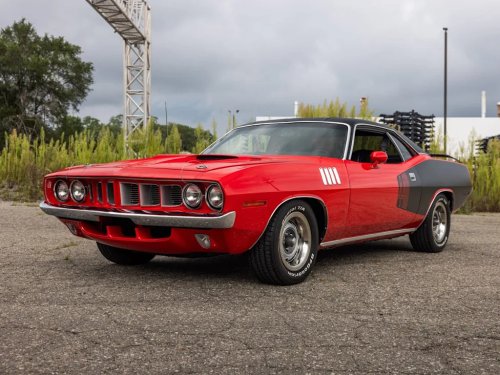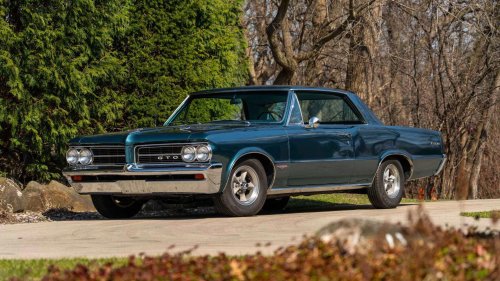
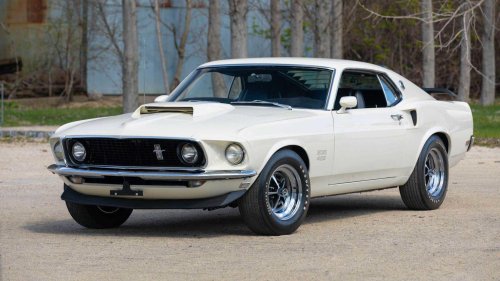
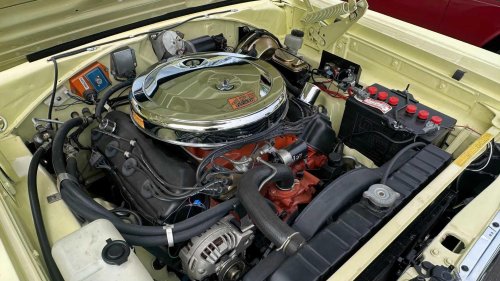
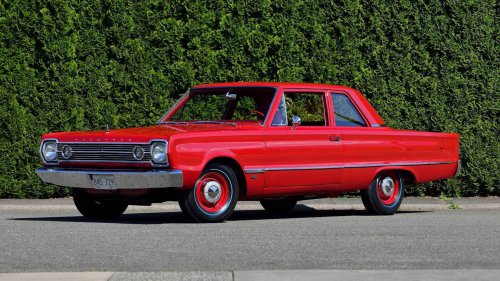
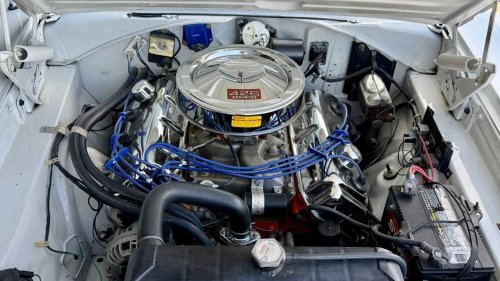
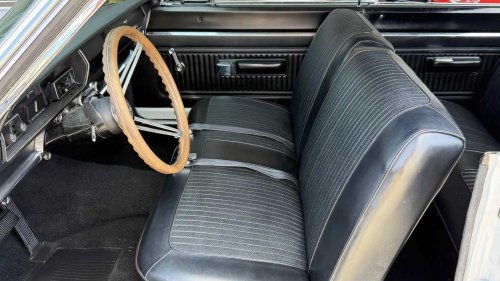
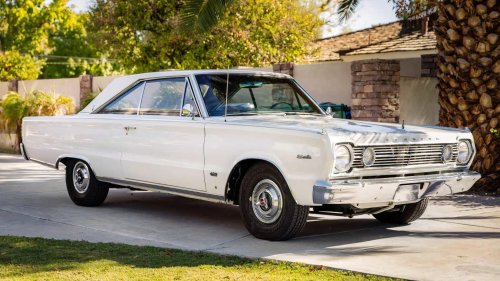



















It's easy to identify the fastest muscle cars of the '60s and early '70s. They were generally the ones with the stripes, hood scoops, and badges everywhere. But it wasn't always like that. While most of the muscle car heroes of the '60s rightfully get all the attention, there is one that had the most famous engine of all, but you probably wouldn't notice it parked on your street. This car combined muscle with a sleeper car aesthetic, but the problem was that hardly anyone bought it. If you want to escape the obvious when it comes to muscle cars, here is where to look. Muscle Cars Were Getting Wilder And Wilder In The '60s MecumThe Pontiac GTO started the whole muscle car revolution in 1964 and had 325 hp as standard. This kind of power figure (and the fact it could hit 60 mph in 7.7 seconds) were mind-blowing stuff in the mid '60s, making the GTO a true game changer. Within a couple of years, that would seem fairly tame, with outputs of top-flight muscle cars well exceeding 400 hp, not to mention monster torque figures better suited to a combine harvester. Manufacturers were bringing racing tech and engines to the streets. Everything from cars being drilled out (giving the Catalina Super Duty the Swiss Cheese nickname) to homologated racing engines was becoming the cutting edge of performance, and consumers with a need for speed were often the lucky recipients. Race Engines Were Making Their Way Into Street Cars MecumThe 1969 Ford Mustang Boss 429 was created to qualify Ford's massive NASCAR engine, while the 1969 Chevrolet Camaro ZL1 featured an all-aluminum 427 V8 designed for endurance racing. But the most famous of these race-to-road transactions was the Hemi. The 426 Chrysler unit was originally built for NASCAR, but rule changes meant that it had to be offered for the street before it could make its way back to the track again. This gave Chrysler's showroom Muscle Cars a new presence.The engine was famously offered in models like the Dodge Dart, Challenger, Charger, and Charger Daytona, as well as the wild Plymouth Road Runner and Superbird. It was, for many, the engine of the moment, and signified that your car meant business. But then there were a couple of models with a Hemi that everyone forgot... A Taxi Plain Plymouth Was Fitted With A Race Car Engine Bring A TrailerThe Belvedere was the intermediate-sized offering from Plymouth in 1965, with the line differentiated by three different subseries: Belvedere, Belvedere II, and Satellite. These cars were popular and sensible cars, with a variety of bodystyles, including two- and four-door sedans, a two-door hardtop, and a four-door station wagon. This is the kind of car you would see everyone driving around in, from middle-class families to taxi drivers to police officers. There were plenty of sensible engine options in Belvederes, including tough slant sixes and small dependable V8s.For 1964, the Belvedere had been offered in very limited numbers with a new big-block 426 Hemi race engine, but this wasn't really a viable option for a daily. The Hemi had been banned from NASCAR and the best way to get it back into competition was to offer a downtuned Street Hemi version for road cars. Arriving for 1966, the compression had been knocked down, with milder cam timing, iron exhaust manifolds, and a dual-plane aluminum intake manifold with tandem Carter AFBs. While this is the engine that put a lot of muscle cars on the map, it was also offered in the Belvedere, unknown to many. The 1966 Belvedere Hemi Terrorized Every Stop Light MecumThese early B-bodies were the true "sleepers" of the muscle car Golden Era, featuring minimal badging (small "426" emblems), standard hubcaps, and quiet exhausts that hid their performance capabilities to the casual observer. The Hemi was available in the two-door hardtop coupe, the convertible, and even, according to some reports, the four-door sedan.The 425 horsepower Street Hemi came with a number of enhancements to help handle the power. The suspension, steering, and shocks were all beefed up, and the cooling system had to be upgraded to keep the temperature down. Larger 11-inch drum brakes improved stopping power. The cars came fitted with 7.75-14 Goodyear Blue Streak four-ply tires. There was no three-speed option; buyers had a choice of either a four-speed or TorqueFlite transmission. Torque sat at an incredible 490 lb-ft at 4,000 rpm. The two-door car weighed in at 3,940 pounds. Period testing of the time measured a 1966 Belvedere II Hemi with a four-speed and a 3.54:1 rear axle ratio to 60 mph in 5.3 seconds. That car covered the quarter mile in 13.8 seconds. For comparison, a 1966 Ford Shelby Mustang GT350-H with 306 hp needed 15.2 seconds to cover the quarter. The Hemi Option Also Terrified Your Bank Balance Bring A Trailer The problem for the Hemi-powered Belvedere was that it wasn't exactly cheap. The Hemi option was eye-wateringly expensive for the time, adding roughly $1,000 to $1,105 to the base price of the car. That would be around ten grand for the engine upgrade in today's money. As a result, they remained rare sleeper cars that were more gentleman's hot rod than true attention-grabbing muscle car. In the end, it is estimated that just 844 Satellites left the factory with a 426 street Hemi in 1966. Plymouth built even fewer Hemi Belvedere IIs in 1966, says Hemmings, with just 531 units, including both four-speed and automatic-equipped models. The Road Runner And GTX Were The Flashy Successors To The Hemi Crown Bring A Trailer Plymouth didn't stay on the undercover Hemi flex for long. The Road Runner was based on Plymouth’s bog-standard midsize Belvedere trim, arriving for the 1968 model year. While it is credited as being one of the first budget muscle cars—its starting price of just $2,870 was around a grand less than a 1968 GTX—it knew how to get attention. The Road Runner was spartan, but Plymouth had secured a clever collaboration with the Warner Brothers cartoon of the same name. This meant that the Road Runner decals featured the iconic speedy bird and the horn mimicked its famous “Me-Meep” catchphrase.The public loved it, and Plymouth sold 44,599 Road Runners in the first year. Not all Road Runners were Hemis, with a 383 also offered. At the other end of the scale was the special, high-performance version of the Belvedere/Satellite, called the GTX. Introduced in 1967, these cars came with all the trimmings but were expensive. Buying A 1966 Belvedere II and Satellite Today Bring A TrailerThe notable thing about these Hemi sleepers is they don't just go unnoticed on the street—they sometimes fly under the radar in the secondhand market too. The Hemi Belvederes from 1966 are rare and fast — just like you want a muscle car to be. A 1966 Plymouth Belvedere II with a 425-hp Hemi is still quite desirable, coming in at $79,000 in good condition, according to Hagerty's Valuation Tools. This doesn't sound like a bargain, but it's actually cheap for a Hemi car from the golden age. Bare in mind that a '68 Road Runner with a Hemi under the hood can easily fetch twice as much. So, if you want a genuine 426-Hemi car without the high-dollar investment, the choice is clear. Sources: Hagerty, Hemmings