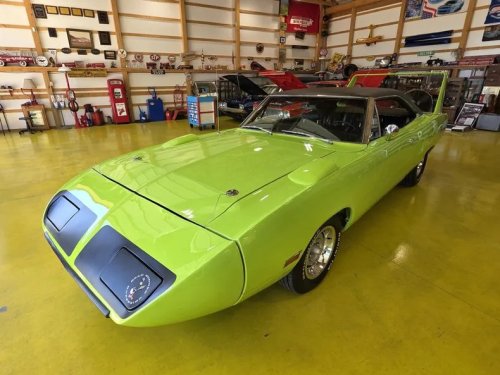
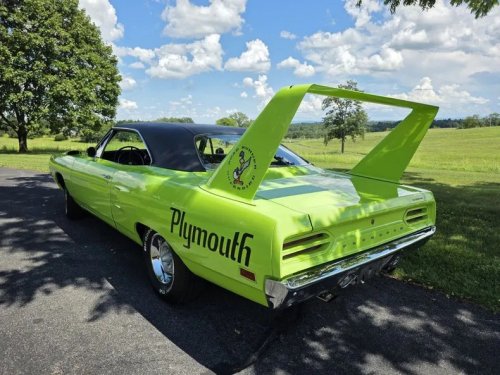
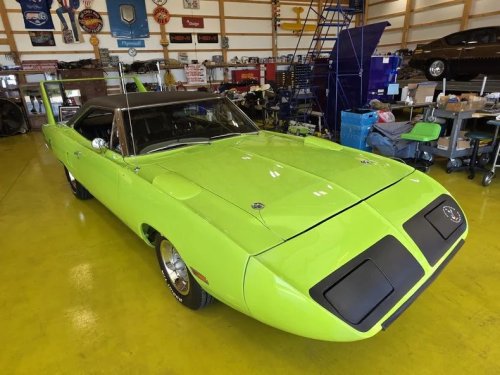
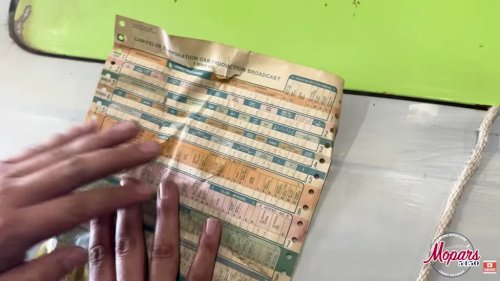
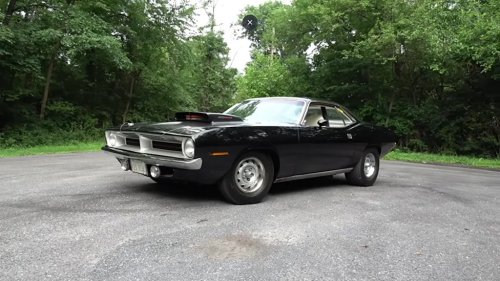
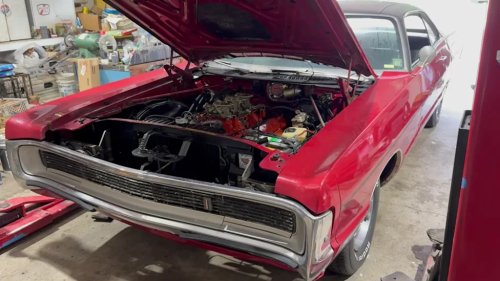
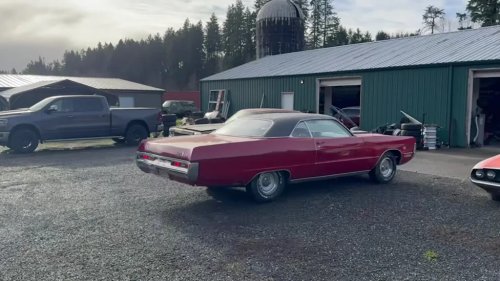
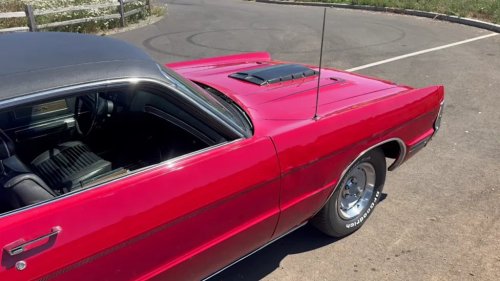
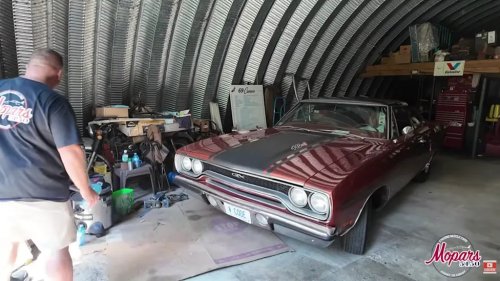
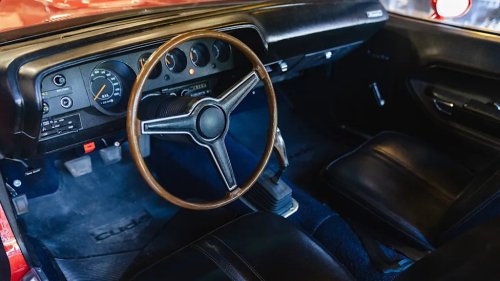
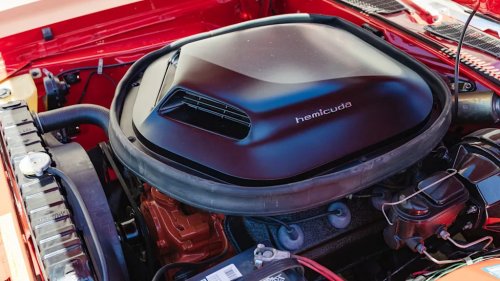
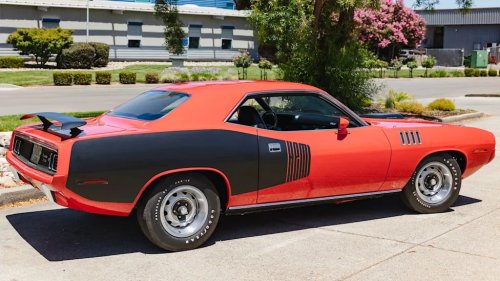
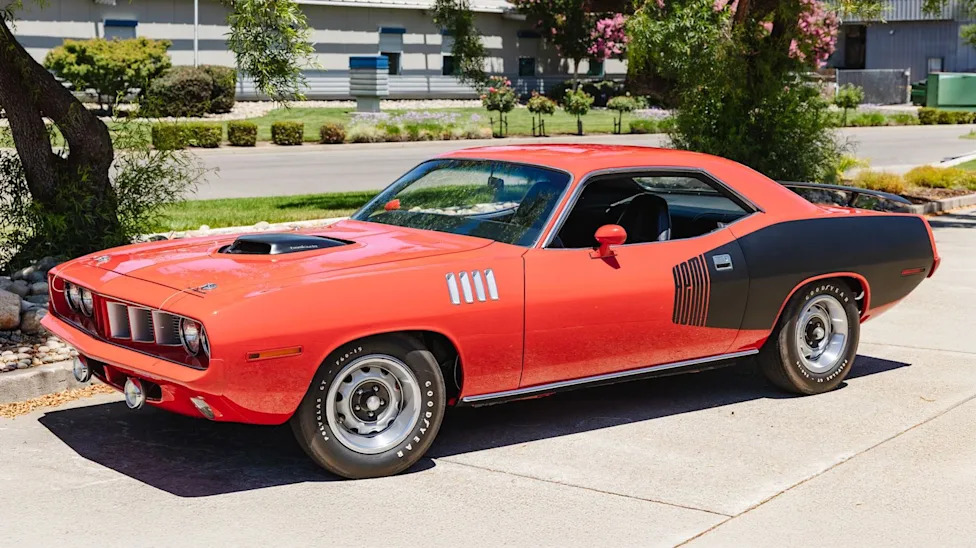
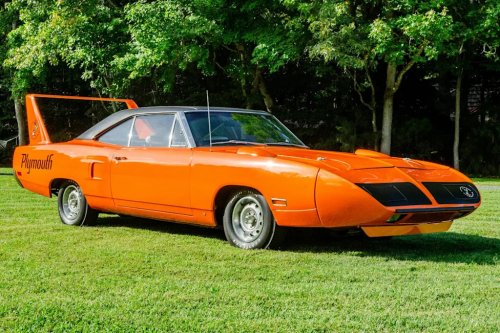
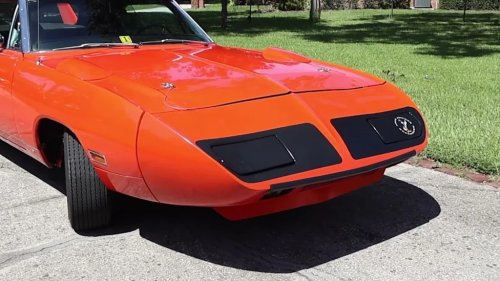
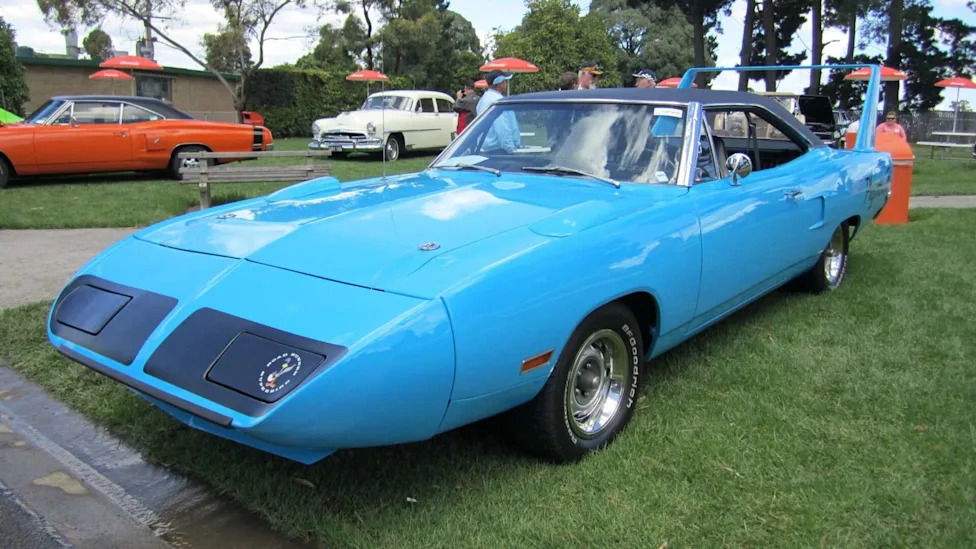
1970 Plymouth Superbird: Collector Spec SheetThe 1970 Plymouth Superbird exists because NASCAR wrote a rule. To race the winged car, a manufacturer had to sell it to the public, and Plymouth built just enough to comply. That origin explains almost everything a collector needs to know: why production is so small, why the Hemi cars are priced in a different universe, and why originality and documentation decide value more than any single option box. Below: the numbers, the tells, and the places where the sources argue with each other.Production and backgroundYears built: 1970 model year only.Total production: commonly cited as 1,935 cars shipped to U.S. dealers, per SCM's Superbird profile. Wikipedia's Superbird entry adds an estimated 34 to 47 for Canada and notes that published totals and the engine breakdown are disputed. Chrysler planned 1,920 to satisfy NASCAR's one-car-per-two-dealers homologation rule.Engine split: 1,084 with the 440 four-barrel, 716 with the 440 Six Barrel and 135 with the 426 Hemi, of which SCM says 58 had four-speed manuals.Survivors: SCM estimates more than 1,300 of the 1,935 survive, while Wikipedia says over 1,000 are believed to exist.Engine and drivetrain440 Super Commando, four-barrel: 375 hp, 480 lb-ft.440 Super Commando Six Barrel (three two-barrels): 390 hp, 490 lb-ft.426 Hemi (two four-barrels): 425 hp, 490 lb-ft.Transmissions: A833 four-speed manual or 727 TorqueFlite three-speed automatic.Dimensions and weight (Wikipedia): 115.8-inch wheelbase, 221 inches long, about 3,841 lb curb weight.Horsepower figures are factory ratings as reported by the sources above.Price when newThe Muscle Car Club's Superbird page lists base prices of $4,298 for the 440, $4,548 for the Six Barrel and $5,139 for the Hemi. SCM also gives the base list as $4,298.Special features and identifying detailsWhat makes a Superbird a Superbird is aerodynamic, and each of these items is something a buyer should see in person:Nose cone and wing: a fiberglass nose cone with pop-up headlights and a tall rear wing on vertical struts. SCM notes the Superbird shares no sheet metal with the Dodge Daytona.Decals: "Road Runner Superbird" decals on the outer edges of the wing struts, with a smaller version on the driver's side headlight door.Rear fender scoops: cosmetic "air extractors" on street cars (functional on the Daytona), according to Wikipedia.Roof and glass: a vinyl roof and a special rear window, per SCM.Chassis number: on the VIN plate on the driver's side of the instrument panel, behind the windshield (SCM).Engine number: on a pad on top of the block near the water pump (SCM).Because the car is highly cloned, the most important identifier is paperwork: the fender tag, any original broadcast sheet and window sticker, and a marque specialist's read of all three against the VIN. SCM lists the Daytona-Superbird Auto Club (superbirdclub.com) as a resource.Common weaknessesThe sources above do not publish a general failure list, so this section combines SCM's inspection notes on a restored example with widely shared collector-market cautions. Treat the second group as questions to ask, not findings.From SCM's inspection of a restored car: a left front valance that did not line up with the wheel opening, headlight trim that was painted instead of decaled, hood pins turned 90 degrees, a modern battery, a missing jack and spare, and incorrect radio knobs. The correct "day one" tire is the Goodyear Polyglas GT.Cautions to verify: corrosion on a unibody Mopar, especially around the vinyl roof and rear window, and the cowl and trunk floor; cracks or poor fit in the fiberglass nose; wing and strut alignment; and reproduction parts, since Wikipedia notes that conversion kits exist for unproduced 1971 and 1972 Superbird bodies.Current value rangeValues vary enormously by engine, gearbox and condition, and published ranges are not consistent:SCM's valuations (a 2017 article, so dated): a median of $152,600 for the 440 four-barrel, $170,500 for the Six Barrel and $330,000 for the Hemi.Recent ranges: Wikipedia says recent values have run from about $200,000 to $450,000 depending on engine, gearbox and options, and the Muscle Car Club says base 440 cars reportedly sell for more than $200,000 and Hemi cars have topped $2 million.A fresh data point: a 1970 Superbird brought $275,400 with fees at the Fall Carlisle sale on October 1 and 2, according to Old Cars Weekly; that report does not name its engine. We examined what the Carlisle results said about proof in Fall Carlisle's six-figure cars paid for proof, not horsepower.Check a current valuation tool and recent auction results before pricing a car, because the gap between a four-barrel automatic and a four-speed Hemi is larger than any single range.What separates a good example from an average oneEngine and gearbox: the Hemi and the Six Barrel carry the premium, and the four-speed Hemi cars, 58 by SCM's count, make the rest look common.Documentation: fender tag, broadcast sheet, window sticker and ownership history. Our analysis of a documented 440 Superbird looks at what buyers pay for it.Matching drivetrain: original engine and transmission, confirmed against the pad and VIN.Correct details: wing, decals, vinyl roof, scoops, nose cone and small items such as hood pins and tires, which SCM's checklist shows are where restorations slip.Structure: a straight, rust-free body that has not been rebuilt around reproduction panels.Where it fitsThe Superbird sits in the wing-car family with the Dodge Daytona, Ford Talladega and Mercury Cyclone Spoiler II, all named by SCM as alternatives. For a wider look at the segment's value logic, read our guide on whether pre-1973 American muscle is a good investment.If the budget stops short of a Hemi, would you take a fully documented 440 Superbird or a Hemi with a thinner file?Figures are reported by the sources linked above, several of which disagree. This sheet is a research aid, not a valuation or investment advice.⚡ Read the full article on Modern Car CollectorSign up for the Collector Car Market Brief. For the latest news, follow us on Facebook and Instagram.



















 +13 others