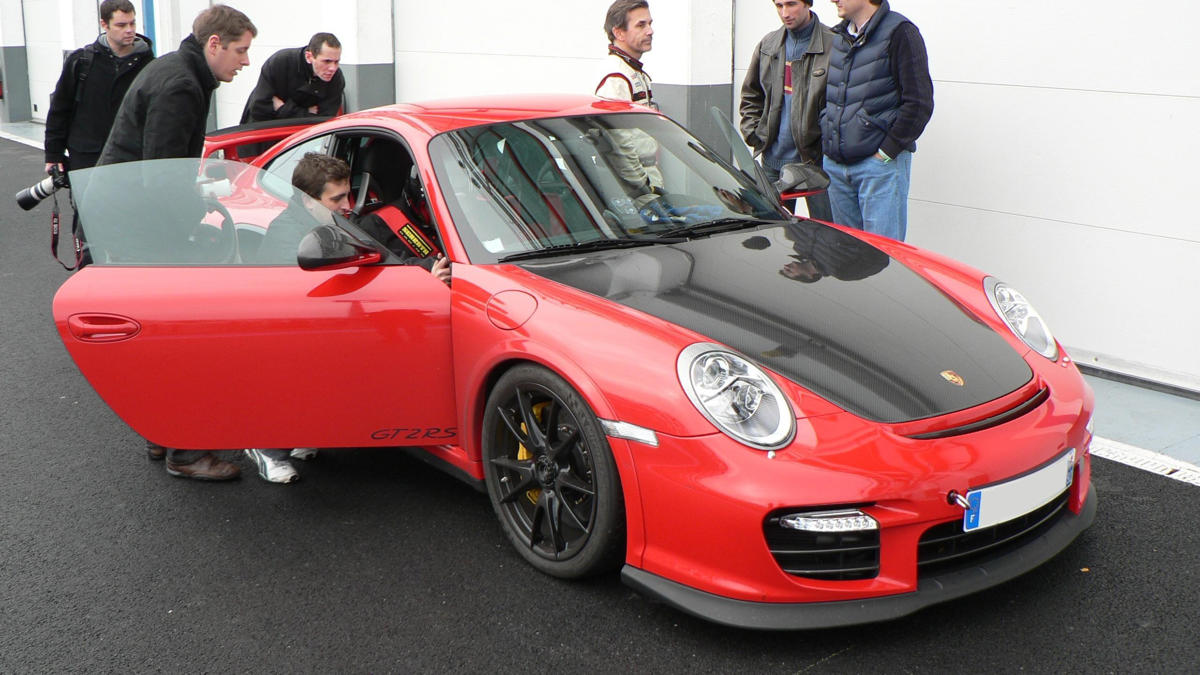
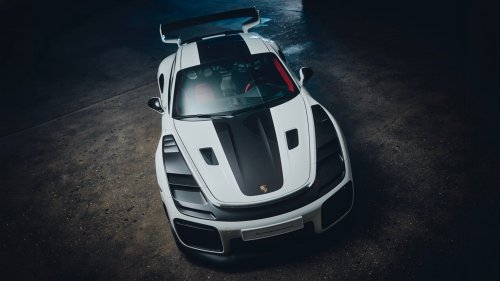
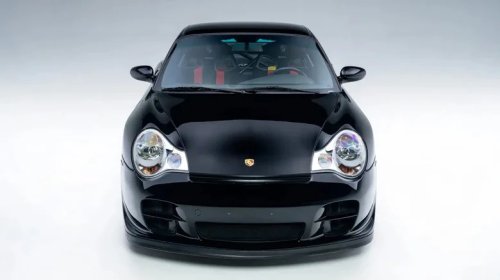
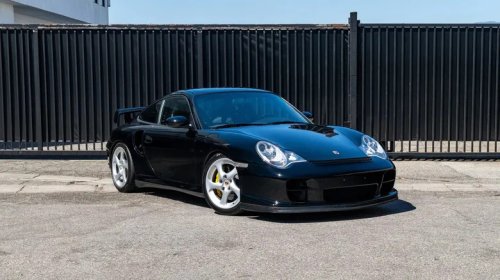
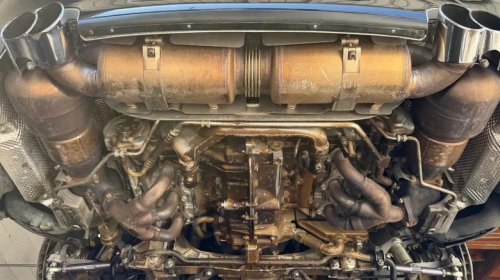
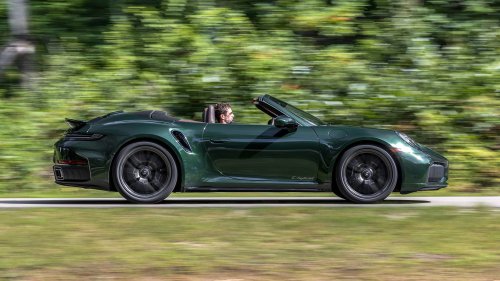
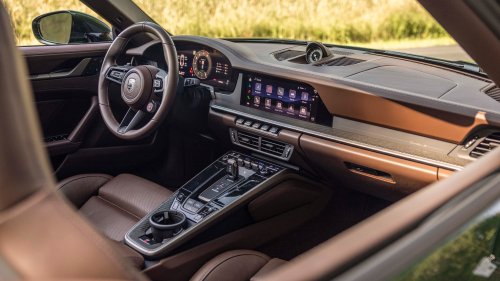
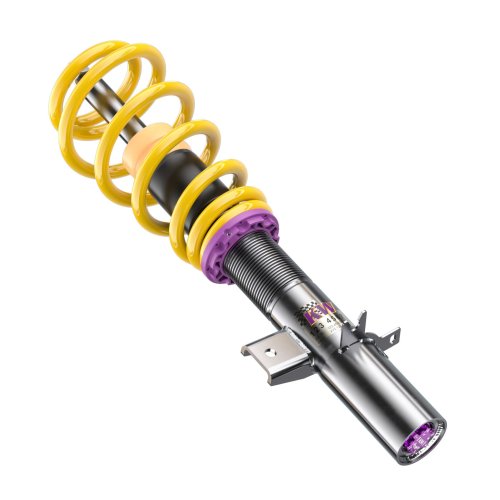
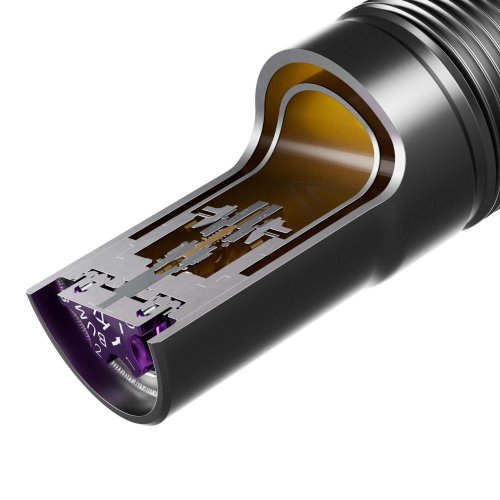
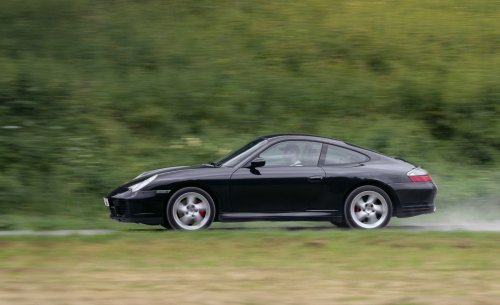
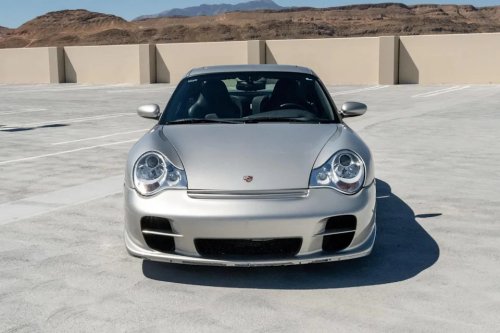
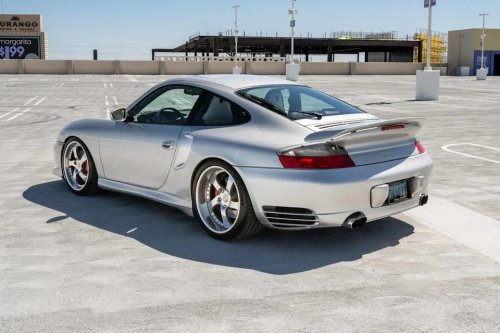
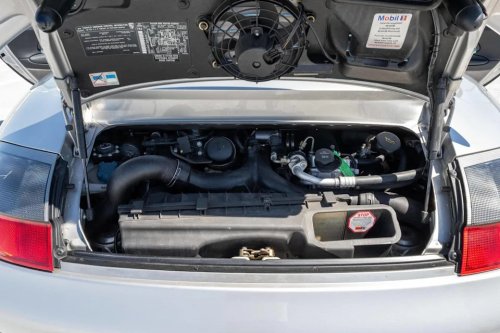
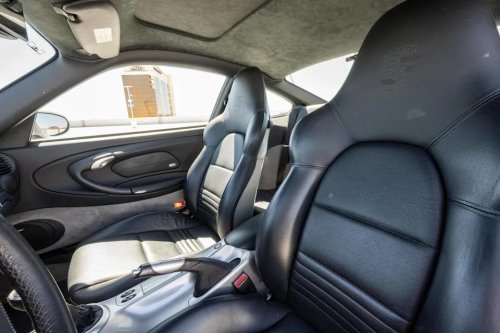
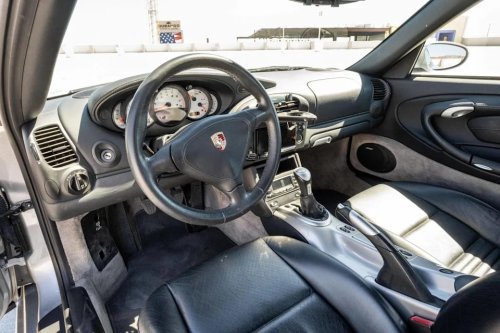
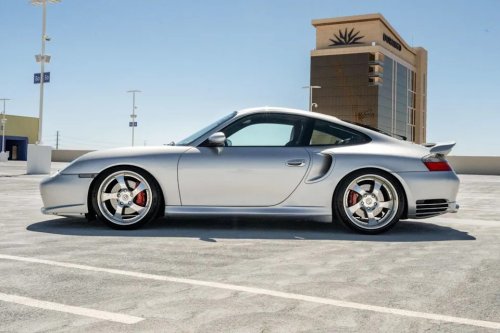
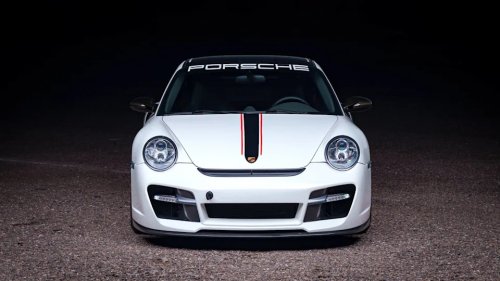
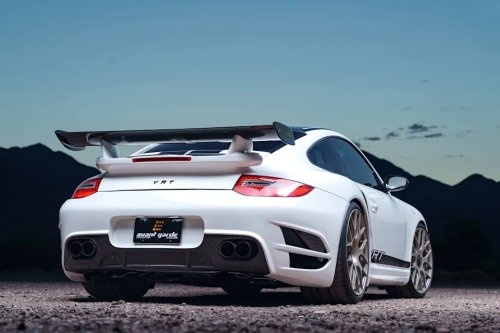
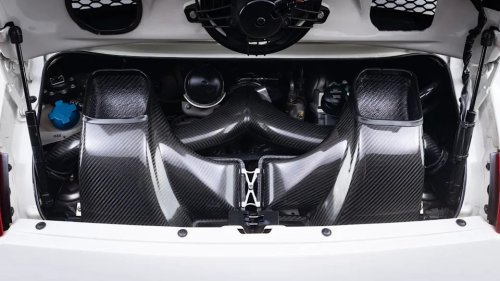
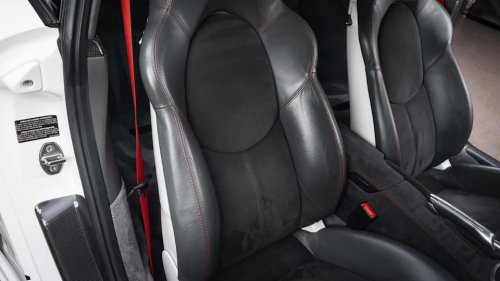
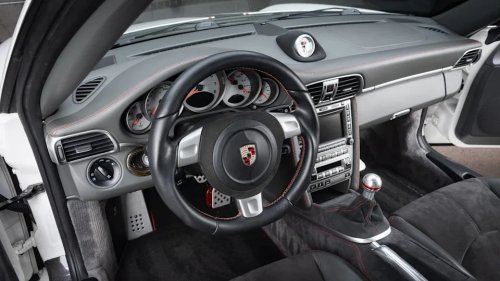
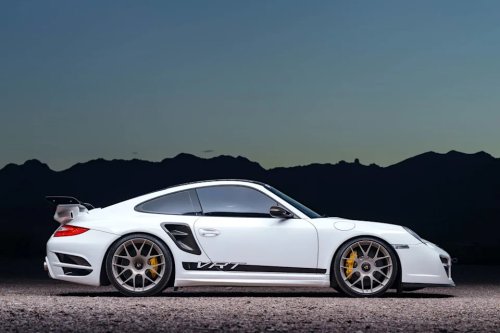
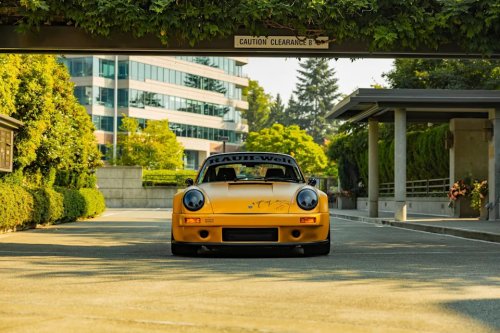
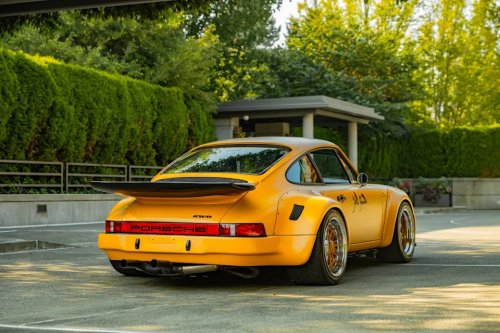
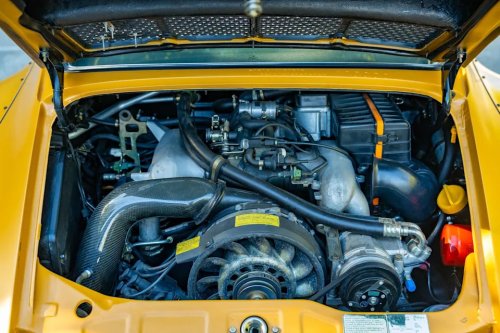
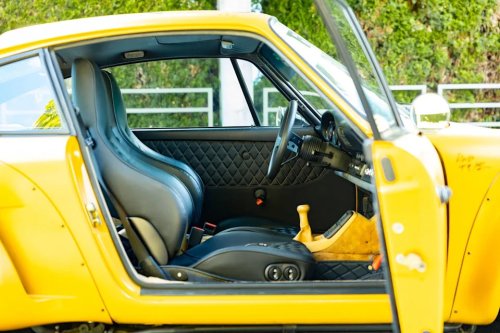
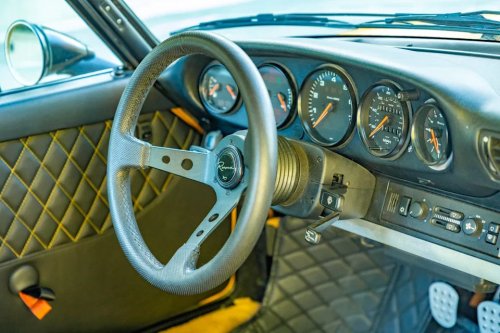
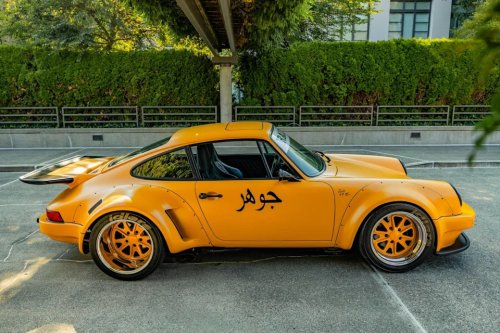
The 2011 Porsche 911 GT2 RS delivered performance that bordered on extremeThe 2011 Porsche 911 GT2 RS arrived as the most extreme road‑going 911 of its era, a rear‑drive missile with 620 horsepower and a reputation for punishing mistakes. Built in tiny numbers, it pushed the familiar 997 platform to its mechanical limit and reset expectations for what a street‑legal 911 could do. Years later, the GT2 RS still stands as a reference point for raw, unfiltered performance. Its numbers are startling, but the car’s real legacy lies in how it blended that output with old‑school driver involvement and a level of risk that modern electronics have largely filtered out. From Turbo to Track Weapon The starting point for the 2011 GT2 RS was the 997‑generation 911 Turbo, with its rear‑engined layout and twin‑turbocharged flat‑six. Porsche engineers stripped away all‑wheel drive, removed weight wherever possible, and then turned up the boost. The result was a car that shared basic architecture with the Turbo but felt closer in spirit to a racing special than a grand tourer. Official figures put the GT2 RS at 620 horsepower and 516 pound‑feet of torque from a 3.6‑liter twin‑turbo flat‑six. That output went exclusively to the rear wheels through a six‑speed manual gearbox, a combination that made the car both brutally fast and inherently demanding. According to factory data compiled on GT2 RS specifications, the car could sprint from 0 to 100 km/h in around 3.5 seconds and reach a top speed well beyond 300 km/h, figures that placed it at the sharp end of supercar performance at the time. The transformation from Turbo to GT2 RS was not only about power. Porsche replaced steel panels with carbon fiber for the front hood and rear wing, fitted lightweight bucket seats, and pared back sound insulation. The car sat lower on stiffer springs and adjustable dampers, with wider tracks and aggressive alignment settings that favored grip and response over ride comfort. Ceramic composite brakes were standard, a recognition that the car’s speed demanded serious stopping power. 620 Horsepower in Context In the early 2010s, 620 horsepower in a street‑legal 911 was more than a headline figure. It was a statement that Porsche was willing to push its traditional rear‑engine layout into territory that many considered marginal. The GT2 RS comfortably outgunned the contemporary 911 Turbo and 911 GT3, and it landed in performance territory usually reserved for mid‑engined exotics. That output also made the GT2 RS the most powerful production 911 of its generation. Among enthusiasts and historians, it quickly joined shortlists of the most significant 911 variants. Lists of the greatest Porsche 911s consistently place the 2011 GT2 RS alongside icons such as the original Carrera RS 2.7 and the 993‑generation GT2, highlighting how its power and rarity elevated it beyond a simple performance upgrade. What set the GT2 RS apart from other high‑output cars was the way that power arrived. The twin turbos delivered a surge of torque that came in hard, especially in lower gears, and the rear‑drive layout had to manage that with no safety net from front‑axle traction. On dry pavement with warm tires, the car could deploy its power with shocking efficiency. On cold or damp roads, the same output demanded restraint and skill. Chassis, Grip, and the Edge of Control The GT2 RS chassis was tuned for drivers who wanted a track‑ready car that still carried a license plate. Stiffer springs and anti‑roll bars, combined with a lower ride height, sharpened responses and reduced body movement. The car rode on wide, low‑profile tires that provided huge grip once up to temperature, though they also made the car more sensitive to surface changes and camber. Weight reduction played a major role in how the GT2 RS behaved. With a curb weight significantly lower than the standard Turbo, the car felt more immediate in every input. Steering was hydraulic and heavy by modern standards, with clear feedback that communicated what the front tires were doing. On a smooth circuit, the car felt locked down and precise, able to carry astonishing speed through fast corners. At the same time, the 911’s rear‑engine balance meant that the GT2 RS could transition from planted to sliding quickly if a driver lifted off the throttle mid‑corner or applied power too abruptly. That characteristic had always been part of the 911 story, but with 620 horsepower and rear‑wheel drive, the consequences became more dramatic. The car rewarded smooth, committed driving and punished hesitation. The “Widowmaker” Reputation Long before the GT2 RS, certain 911s had earned a reputation for being unforgiving when pushed. The 2011 car inherited and amplified that image. Enthusiasts and photographers alike highlighted its intimidating side, with some coverage referring to the GT2 RS as a modern “widow‑making” 911. The nickname captured how the car’s performance could overwhelm drivers who treated it like a typical sports car rather than a near‑race machine. The ingredients behind that reputation were clear. There was no all‑wheel‑drive safety net, no dual‑clutch gearbox to smooth shifts, and far fewer electronic interventions than in later high‑performance 911s. Stability control could be relaxed or switched off, and many owners on track days chose to run the car in its most permissive settings to enjoy its full character. That choice came with risk, especially in high‑speed corners or on circuits with limited runoff. On the road, the GT2 RS demanded respect even at moderate speeds. Turbo lag followed by a brutal torque hit could unsettle the rear tires if the driver was careless with the throttle. Combined with stiff suspension and a low ride height, the car reacted sharply to bumps and cambers. For experienced drivers, that directness was part of the appeal. For others, it reinforced the sense that this 911 sat on the edge of what was reasonable for public roads. Design Details That Signaled Intent Visually, the 2011 GT2 RS announced its purpose. The front bumper featured large air intakes to feed the radiators and brakes, while vents and cutouts helped manage airflow around the wheels. The fixed rear wing, made from carbon fiber, generated significant downforce at speed and gave the car a distinctive profile compared with the retractable spoiler on the standard Turbo. Carbon fiber elements extended to the front hood and mirror caps, and the wheels were lightweight center‑lock units that saved unsprung mass. Red brake calipers behind those wheels signaled the presence of ceramic composite discs. Inside, the cabin mixed Alcantara, carbon trim, and lightweight bucket seats with minimal adjustment, all in service of saving weight and supporting the driver during high‑g maneuvers. Despite its stripped character, the GT2 RS retained enough comfort features to be usable on the street. Air conditioning and basic audio remained, though many buyers accepted a more spartan environment in exchange for performance. The car’s limited production run also meant that each example carried a sense of occasion, with numbered plaques and unique trim combinations that reinforced its special status. How the 2011 GT2 RS Shaped Later 911s The impact of the 2011 GT2 RS extended far beyond its own model year. It served as a proof of concept that a 911 could carry supercar‑level power and still function as a coherent driving tool rather than a straight‑line curiosity. That lesson influenced later generations, including the 991‑based GT2 RS that followed several years later. By the time the newer GT2 RS arrived, power had climbed even higher, and technology had advanced. Reviews of the more recent car described a machine that was even quicker yet more approachable, with a dual‑clutch gearbox and sophisticated electronics that helped drivers manage its output. Testers who sampled the 2018 GT2 RS highlighted that it delivered staggering performance while being less intimidating than the 2011 manual car, particularly on track, where stability systems could subtly correct mistakes. The contrast between the two generations illustrates how Porsche used the first GT2 RS as a benchmark. The 2011 car established the ceiling for what a rear‑drive 911 could handle mechanically. Later models layered on more sophisticated aerodynamics, wider tires, and advanced traction systems to make that performance more accessible. Yet among purists, the earlier GT2 RS retains a special status precisely because it arrived before those electronic aids became central to the experience. Technology Marches On, Character Remains Modern high‑performance 911s integrate extensive data logging, adaptive dampers, and multiple driving modes that reshape the car at the touch of a button. The latest GT2 RS variants, for example, combine active aerodynamics with advanced traction control to unlock lap times that rival dedicated race cars. Coverage of the newer car’s hardware, including its detailed technical specifications, shows how far the platform has evolved in terms of computing power and integration. Set against that backdrop, the 2011 GT2 RS feels almost analog. It lacks the layered driving modes and extensive real‑time adjustments of its successors. Instead, it relies on fixed suspension settings, mechanical grip, and driver judgment. That simplicity is part of its appeal to collectors and track enthusiasts who value a direct link between input and response. Yet the core character remains consistent across generations. Whether in 2011 or in more recent models, the GT2 RS badge signals a 911 that prioritizes lap times and driver engagement over comfort and ease of use. The early car’s 620-horsepower performance established that template and gave later engineers a clear target to surpass. Reception Among Enthusiasts and Media When the 2011 GT2 RS was unveiled, reaction from the performance community mixed admiration with a touch of disbelief. Some early coverage framed it as a car that stretched the limits of what a rear‑engined, rear‑drive platform could safely handle. First looks at the limited‑run model focused on its power and weight figures, as well as its role as the most extreme 911 yet offered for public roads. Track impressions reinforced that sense of extremity. Video features that followed the car around circuits showed how quickly it devoured straights and how carefully drivers had to manage throttle inputs on corner exit. In one widely shared example, a GT2 RS demonstrated both its towering speed and the level of concentration required to keep it tidy, especially when stability systems were relaxed. Over time, that initial shock gave way to respect. As more owners took their cars to track days and shared data and experiences, the GT2 RS developed a reputation as a car that rewarded preparation and skill. Proper tire choice, careful warm‑up laps, and methodical setup adjustments could unlock its full potential, while casual approaches often ended with drivers backing off or spinning. Why the 2011 GT2 RS Still Matters In an era where many performance cars lean on all‑wheel drive and automated gearboxes, the 2011 GT2 RS stands out as a snapshot of a different philosophy. It combined supercar power with a manual transmission and minimal electronic filtering, then handed the result to customers who were expected to rise to its level. That approach would be difficult to replicate today, given tightening safety expectations and the shift toward broader usability. More from Fast Lane Only Unboxing the WWII Jeep in a Crate 15 rare Chevys collectors are quietly buying 10 underrated V8s still worth hunting down Police notice this before you even roll window down