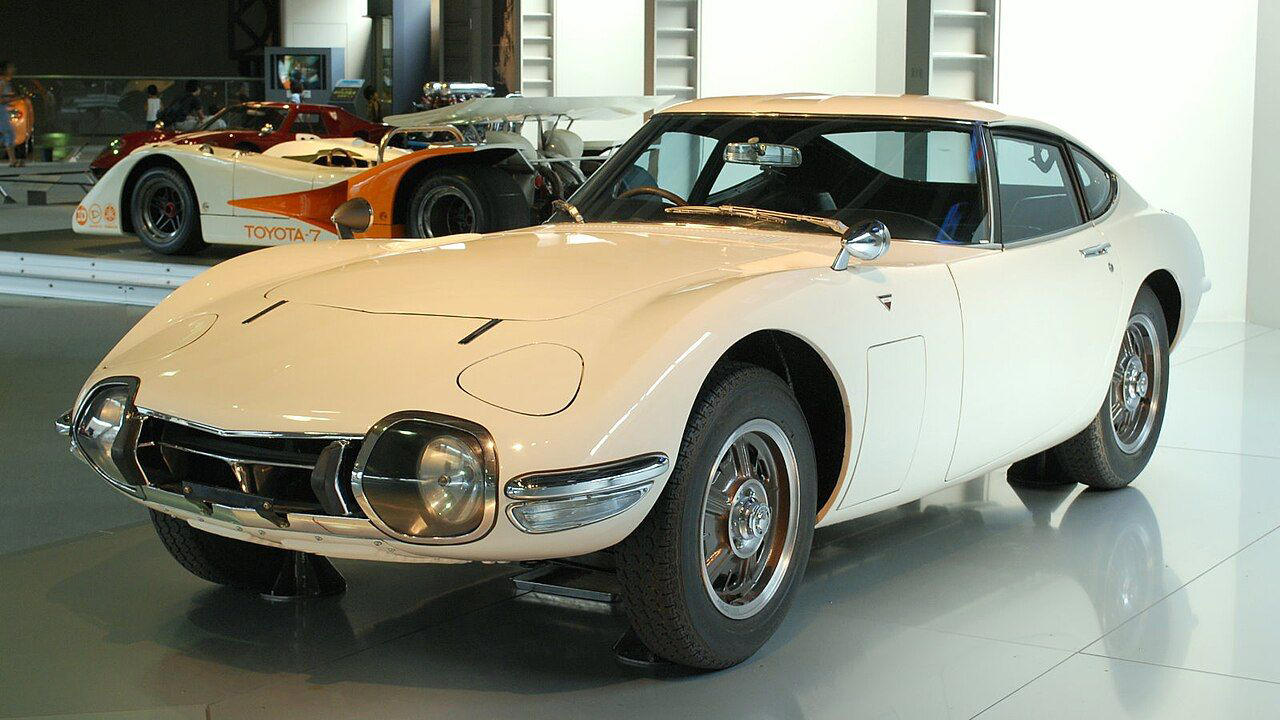
The 1967 Toyota 2000GT proved Japan could build a true world-class sports carThe 1967 Toyota 2000GT marks a pivotal moment in automotive history, showcasing Japan’s ability to produce a world-class sports car that could stand toe-to-toe with established European competitors. This sleek coupe not only redefined Japanese engineering but also captivated enthusiasts and collectors alike. Historical Context In the 1960s, Japan’s automotive industry was in its infancy, emerging from the shadows of World War II with an ambitious drive to make a name on the global stage. The post-war economic boom laid the groundwork for a surge in car manufacturing, as companies like Toyota, Nissan, and Honda began to innovate and expand. This era was defined by a growing demand for personal vehicles and a burgeoning middle class eager to embrace the automobile culture. As the world witnessed the rise of the sports car culture, Japan found itself at a crossroads. European manufacturers like Ferrari and Jaguar dominated the sports car segment, but Japanese brands were determined to challenge this status quo. The mid-60s saw a wave of innovation and passion for performance among Japanese automakers, culminating in the birth of the 2000GT, a car that would signal Japan’s entry into the elite ranks of sports car manufacturing. Design and Engineering The design of the Toyota 2000GT is a testament to the influence of Italian automotive artistry. With its curvaceous lines and low-slung profile, the 2000GT draws comparisons to the legendary Ferrari models of the era. The collaboration with Yamaha, particularly in the realm of design and engineering, was pivotal. Yamaha’s expertise in crafting musical instruments translated into a keen attention to detail in the car’s aesthetics and mechanical components. One of the standout features of the 2000GT is its lightweight aluminum body, which not only enhances performance but also contributes to its stunning looks. The independent suspension system, a novel feature at the time, offered improved handling and ride quality, making it a joy to drive. The synergy between design and engineering in the 2000GT exemplifies Japan’s ability to blend functionality with beauty, setting a new standard for sports cars. Performance Metrics Under the hood, the Toyota 2000GT is powered by a robust 2.0-liter inline-six engine, delivering an impressive output of approximately 150 horsepower. This power translates to exhilarating performance, allowing the car to accelerate from 0 to 60 mph in a mere 7.6 seconds. When compared to contemporaries like the Jaguar E-Type, the 2000GT holds its ground remarkably well, showcasing not just speed but also agility in handling. In addition to its impressive specifications, the 2000GT also made a name for itself in various motorsport events, highlighting its capabilities beyond mere street performance. The car’s well-balanced chassis and advanced engineering contributed to its success on the track, reinforcing the notion that Japan could produce not just reliable vehicles but also competitive sports cars. The recognition received from both critics and enthusiasts alike only amplified its status in the automotive world. Cultural Impact and Iconography The Toyota 2000GT’s cultural significance extends far beyond its technical specifications. Its appearance in the iconic James Bond film “You Only Live Twice” cemented its status as a symbol of cool, cutting-edge engineering. The film showcased the 2000GT as a vehicle of choice for the suave secret agent, introducing it to a global audience and elevating its profile to legendary status. Such exposure played a crucial role in shaping the perception of Japanese cars in Western markets. Moreover, the 2000GT contributed significantly to the burgeoning Japanese automotive identity. As the country sought to shed its post-war image, the 2000GT emerged as a source of national pride, demonstrating that Japan could compete with the best in the world. In collector circles, the 2000GT is revered not just as a car but as a piece of history, representing a turning point in Japanese automotive design and engineering. Production and Limited Availability Despite its acclaim, the Toyota 2000GT was produced in limited numbers, with only around 351 units manufactured between 1967 and 1970. This scarcity adds to its allure among collectors and enthusiasts, making it one of the most sought-after classic cars today. The production challenges were multifaceted, including high manufacturing costs and the complexities involved in crafting such an advanced vehicle. When comparing the 2000GT to other iconic sports cars of the era, such as the Porsche 911 and the Datsun 240Z, its exclusivity becomes even more pronounced. While the Porsche 911 would go on to achieve a long and storied production run, the limited availability of the 2000GT has resulted in its status as a hidden treasure among classic car aficionados. The combination of rarity and performance has made it a prized possession for collectors globally. Technological Innovations The 2000GT was not just a pretty face; it introduced several technological advancements that were ahead of its time. Among these was the incorporation of a 5-speed manual transmission, which provided a sportier driving experience compared to the standard 4-speed found in many contemporary cars. This feature allowed for better acceleration and top-speed performance, making it a favorite among driving enthusiasts. Unique design elements, such as the pop-up headlights, also set the 2000GT apart from its competitors. These features not only contributed to the car’s sleek aesthetic but also showcased the innovative spirit that Toyota and Yamaha brought to the project. The impact of the 2000GT can be seen in subsequent Toyota models, influencing designs and technologies that would become staples in the brand’s future offerings. Legacy and Recognition The legacy of the Toyota 2000GT can be seen in the lineage of Toyota’s subsequent sports cars, most notably the Supra and MR2. These models, which embraced the spirit of performance and innovation established by the 2000GT, have continued the tradition of excellence that began in the late 1960s. The 2000GT’s impact on Toyota’s branding cannot be overstated; it helped to lay the foundation for the company’s reputation as a manufacturer of high-quality, performance-oriented vehicles. Over the years, the 2000GT has garnered numerous awards and accolades, further solidifying its place in automotive history. Its recognition extends beyond just car shows and exhibitions; it has been celebrated in books and documentaries, showcasing its profound influence on the global automotive market. The story of the 2000GT is one of ambition, craftsmanship, and a relentless drive for excellence, making it a cherished icon in the annals of automotive history. Collector’s Market and Valuation The collector’s market for the Toyota 2000GT has seen significant growth in recent years, with auction results reflecting its increasing desirability. Prices for well-preserved models can soar well into the six-figure range, driven by the car’s historical significance and limited availability. Factors influencing its valuation include condition, provenance, and documentation, with well-documented ownership history often commanding premium prices. As the market for classic cars continues to evolve, the 2000GT remains a coveted prize among collectors. Awareness of its history and significance has grown, leading to a surge in interest not just in Japan but worldwide. Enthusiasts and collectors alike recognize the importance of provenance, making thorough documentation and maintenance history crucial components of a car’s value in collector circles. The 2000GT Today Today, the Toyota 2000GT continues to capture the hearts of car enthusiasts and collectors alike. Modern restorations are becoming increasingly common, as owners seek to preserve the integrity of this iconic vehicle while also making it roadworthy for contemporary driving conditions. However, these restorations come with their own set of challenges, as sourcing original parts can be difficult and costly. Vintage car shows and events celebrate the 2000GT, providing a platform for owners to showcase their prized possessions. The car’s historical significance is often highlighted in discussions surrounding Japanese automotive heritage, reinforcing its role as a pioneer in a country that has become a powerhouse in car manufacturing. The 2000GT stands as a reminder of Japan’s evolution in the automotive industry and its ongoing commitment to innovation and excellence. More from Fast Lane OnlyUnboxing the WWII Jeep in a Crate15 rare Chevys collectors are quietly buying10 underrated V8s still worth hunting downPolice notice this before you even roll window down



























































![Toyota, Toyota's $15,000 Chinese EV spotted overseas in RHD [Images]](https://cdn.topcarnews.net/thumb/id/aHR0cHM6Ly9pMC53cC5jb20vZWxlY3Ry-ZWsuY28vd3AtY29udGVudC91cGxvYWRz-L3NpdGVzLzMvMjAyNi8wOS9Ub3lvdGEt-YlozWC1FVi1SSEQuanBlZz93PTE1MDAm-YW1wO3F1YWxpdHk9ODImYW1wO3N0cmlw-PWFsbCZhbXA7c3NsPTE/3fdd3b5d03bdc27308f0c99caa99667e.jpeg?t=20260926&post_id=64756)
![Toyota, Toyota's $15,000 Chinese EV spotted overseas in RHD [Images]](https://cdn.topcarnews.net/thumb/id/aHR0cHM6Ly9lbGVjdHJlay5jby93cC1j-b250ZW50L3VwbG9hZHMvc2l0ZXMvMy8y-MDI1LzEyL1RveW90YS0xNTAwMC1lbGVj-dHJpYy1TVVYtMi5qcGVn/8219e8e9bd18568eaf6e5271753403d8.jpeg?t=20260926&post_id=64756)
![Toyota, Toyota's $15,000 Chinese EV spotted overseas in RHD [Images]](https://cdn.topcarnews.net/thumb/id/aHR0cHM6Ly9lbGVjdHJlay5jby93cC1j-b250ZW50L3VwbG9hZHMvc2l0ZXMvMy8y-MDI2LzAzL1RveW90YS1iWjNYLUVWLWlu-dGVyaW9yLTcuanBnP3N0cmlwPWluZm8m-YW1wO3c9MTkyMA/e40c0b720b4826f1bf2a5f18a1e13212.jpg?t=20260926&post_id=64756)
![Toyota, Toyota's $15,000 Chinese EV spotted overseas in RHD [Images]](https://cdn.topcarnews.net/thumb/id/aHR0cHM6Ly9lbGVjdHJlay5jby93cC1j-b250ZW50L3VwbG9hZHMvc2l0ZXMvMy8y-MDI2LzAzL1RveW90YS1iWjNYLUVWLWlu-dGVyaW9yLTUuanBnP3N0cmlwPWluZm8m-YW1wO3c9MTkyMA/dc60262a877c7e2cef1e74da54ca75ab.jpg?t=20260926&post_id=64756)
![Toyota, Toyota's $15,000 Chinese EV spotted overseas in RHD [Images]](https://cdn.topcarnews.net/thumb/id/aHR0cHM6Ly9lbGVjdHJlay5jby93cC1j-b250ZW50L3VwbG9hZHMvc2l0ZXMvMy8y-MDI2LzAzL1RveW90YS1iWjNYLUVWLWlu-dGVyaW9yLTYuanBnP3N0cmlwPWluZm8m-YW1wO3c9MTkyMA/ad5c9fdfd72ede2f92d0ae9b095b9e83.jpg?t=20260926&post_id=64756)