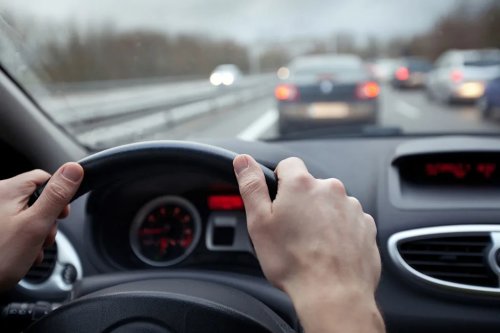














Photo Credit: iStockFederal rules require Tesla to submit reports on crashes involving Autopilot and its Full Self-Driving software. Yet in most of those filings, the company blacks out the information that would show what occurred before the collision.As a result, drivers, prospective buyers, and the wider public get only a limited view of how those systems perform in serious wrecks.Here's what to knowAccording to an investigation by Electrek, Tesla has hidden the crash narratives in 99.9% of the federal reports it has filed since 2019, usually marking the withheld material as "confidential business information."AdvertisementAdvertisementThose reports stem from a 2021 Standing General Order issued by the National Highway Traffic Safety Administration. The requirement applies when a Level 2 driver-assistance system was used within 30 seconds of a crash that injured or killed someone or left the vehicle needing a tow.Tesla makes up about 85% of all such filings across the industry, totaling nearly 4,000 crashes. Heavier use of advanced driver-assistance systems may explain some of that volume, but the monthly totals have still been setting new records.Tesla commonly removes the written account of the crash, the software version, and the field showing whether the road was within the system's permitted operating area. The outlet said other major automakers, including GM, Ford, Honda, and Toyota, generally leave their crash narratives unredacted.Even with those omissions, Electrek said the remaining public fields — such as city, state, month, vehicle type, road, speed, and UTC timestamp — allowed it to connect several fatal crashes to Tesla reports that had not publicly disclosed Autopilot or FSD use.More backgroundOne case Electrek identified was in Clute, Texas, where 23-year-old Steven Alvarez died after his Model 3 left the roadway and crashed into a park pool. Another was in Batavia, Illinois, where 37-year-old Maggie Espinosa, a teacher and mother of five, was killed while riding in a Model Y that struck a pickup during a left turn.AdvertisementAdvertisementThe outlet also highlighted two fatal rear-end crashes involving 2020 Model 3 sedans that had been stopped in travel lanes beforehand: one in Lake Mary, Florida, and the other in Mesa, Arizona. In both incidents, Tesla's federal filings indicated that driver-assistance use had been verified.Tesla sells "Full Self-Driving" under a name that can imply capabilities beyond what the technology is legally permitted to provide.Legally, though, these remain Level 2 systems, which means the person behind the wheel must stay attentive and remain responsible for the vehicle at all times.What's being done?Electrek said its investigation is ongoing: it is cross-referencing Tesla's redacted federal filings with local crash records and submitting public records requests to investigative agencies. Among the questions it is pursuing is whether police were given raw vehicle telemetry or only Tesla's characterization of that data.AdvertisementAdvertisementThe investigation also says NHTSA is already scrutinizing how Tesla reports these crashes.More broadly, Tesla's handling of the filings has become a test of how much information the public should be able to see about severe crashes involving new vehicle software.Electrek says the detail most often withheld is also one of the most important: what the vehicle did before impact.Where can I learn more?Tesla's redacted crash filings are part of a wider conversation over how the company presents its driver-assistance technology to regulators and to the people buying its cars. The articles here show why questions about Autopilot, Full Self-Driving, and consumer trust keep surfacing in investigations, owner complaints, and product decisions.AdvertisementAdvertisement• At NHTSA, regulators opened a probe into Tesla's crash-reporting practices as safety questions intensified.• Across Tesla owner forums, drivers described alleged Autopilot safety issues serious enough to stop using it.• In Europe, early testers said Tesla's Full Self-Driving still behaved unevenly across roads and languages.• Tesla left buyers uneasy by putting basic Autopilot behind a paywall for some drivers.All of it points back to the same problem: When key crash details remain hidden, assessing the real-world risk of these systems becomes much harder. That uncertainty also makes it tougher for drivers to know how much faith to put in the way Tesla markets them.AdvertisementAdvertisementGet TCD's free newsletters for easy tips, smart advice, and a chance to earn $5,000 toward home upgrades. To see more stories like this one, change your Google preferences here.