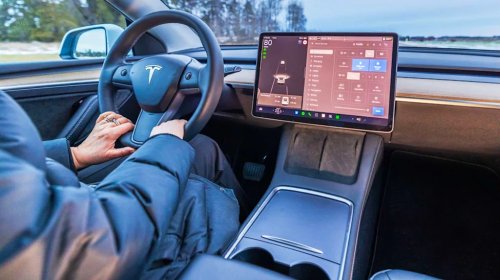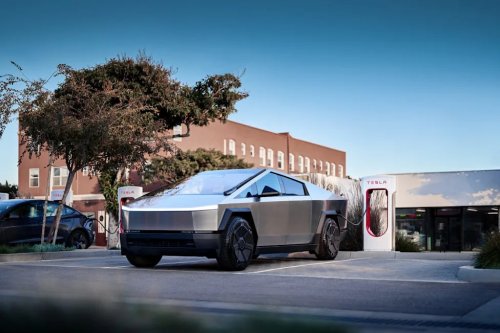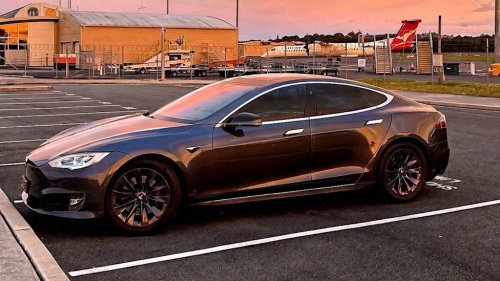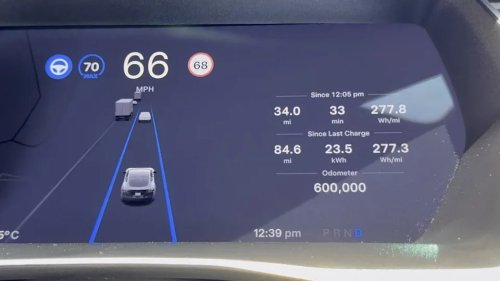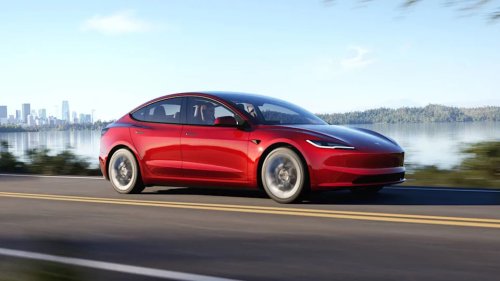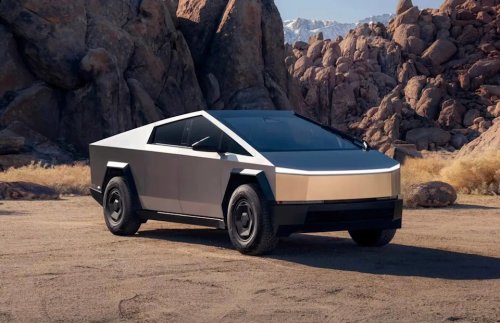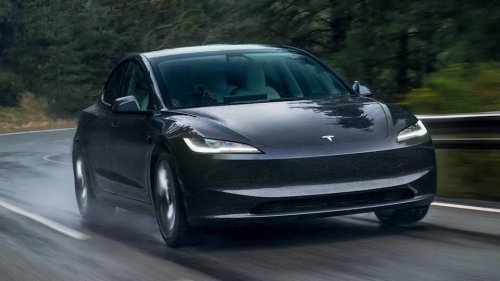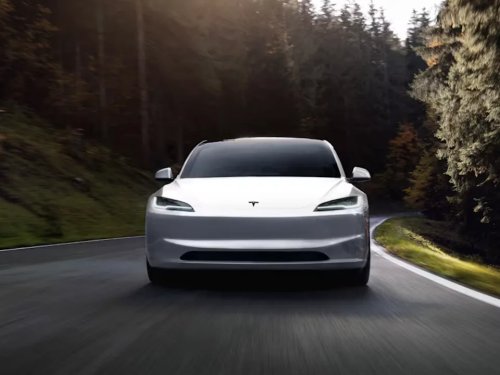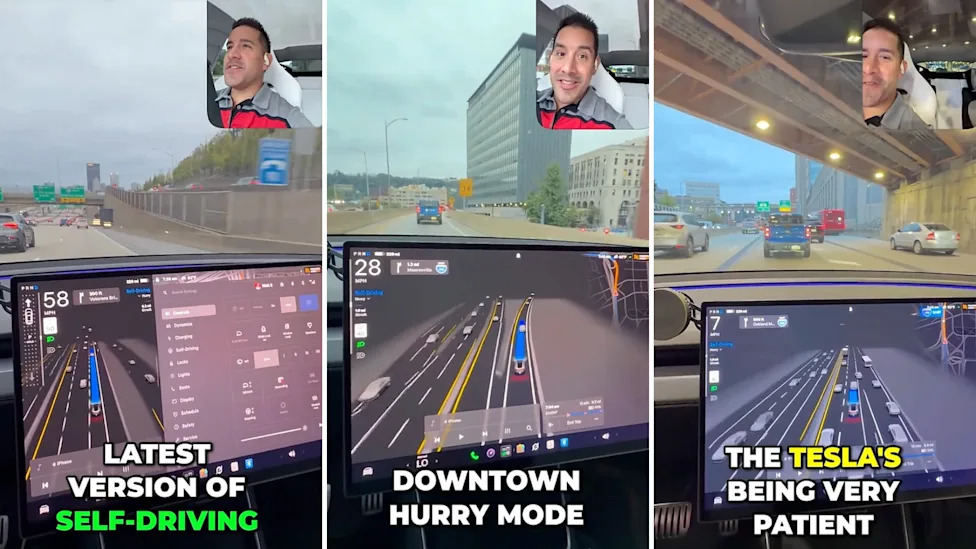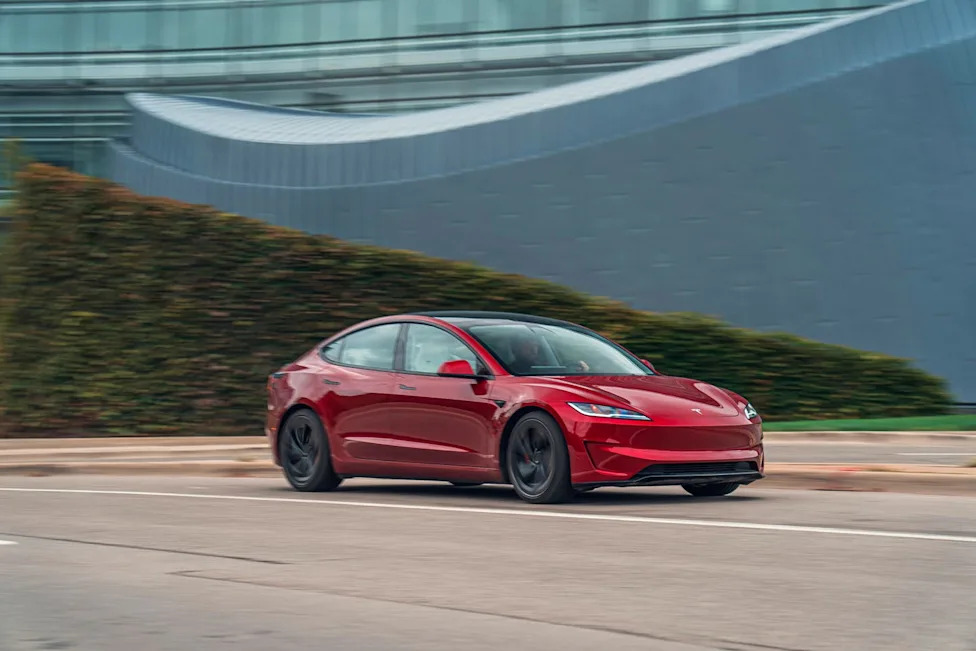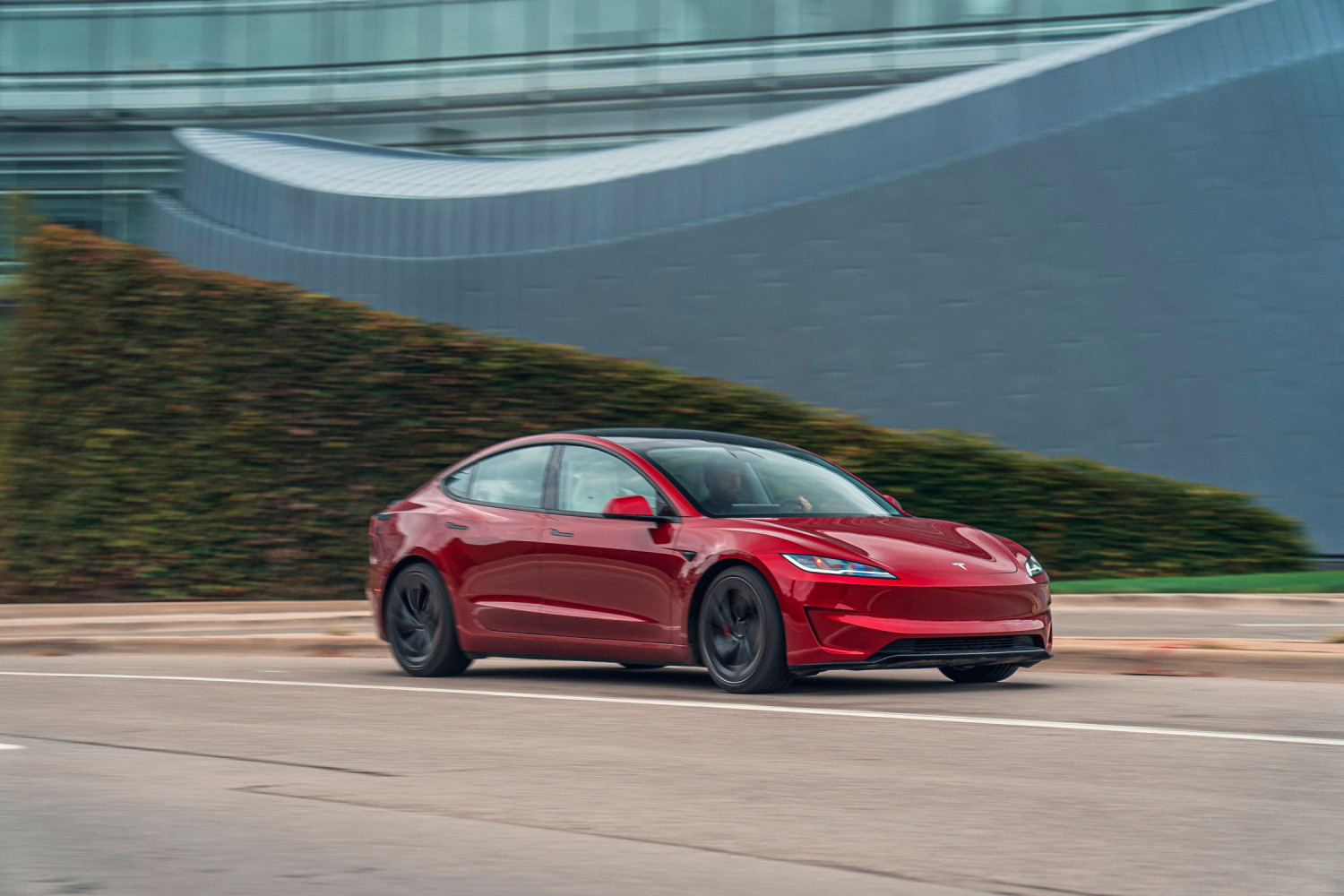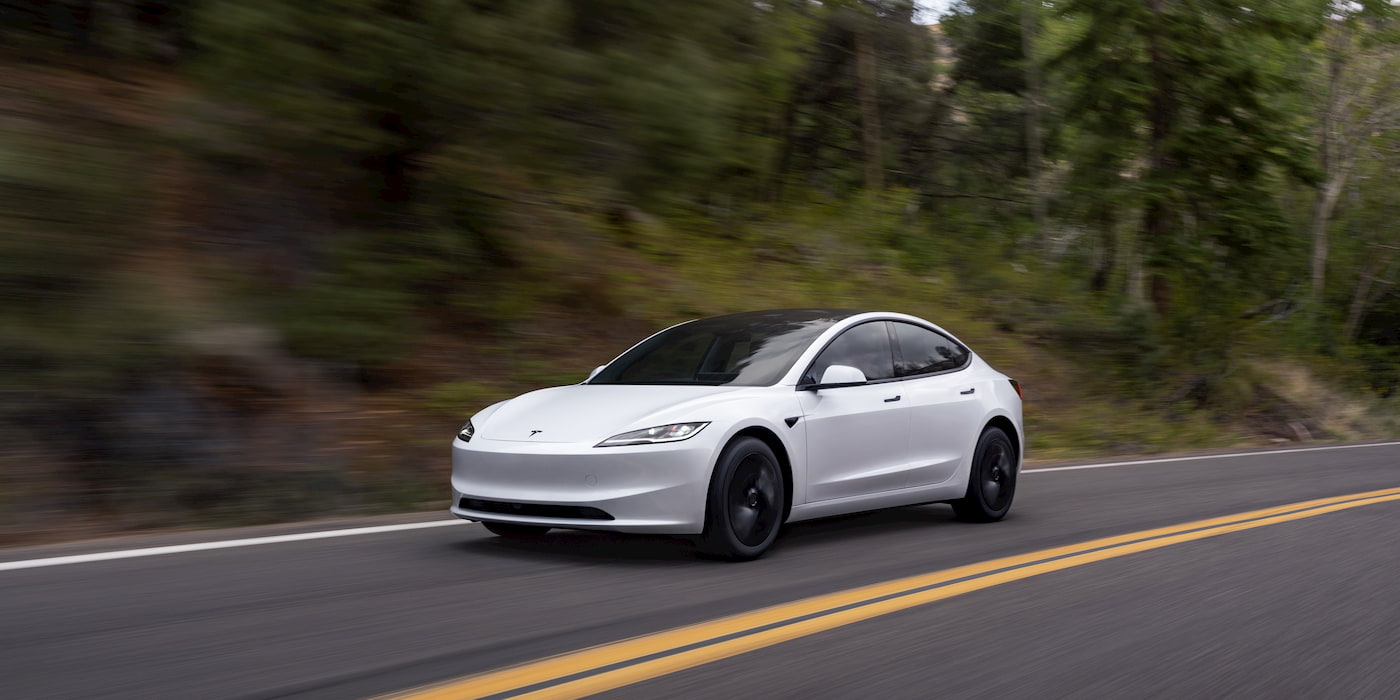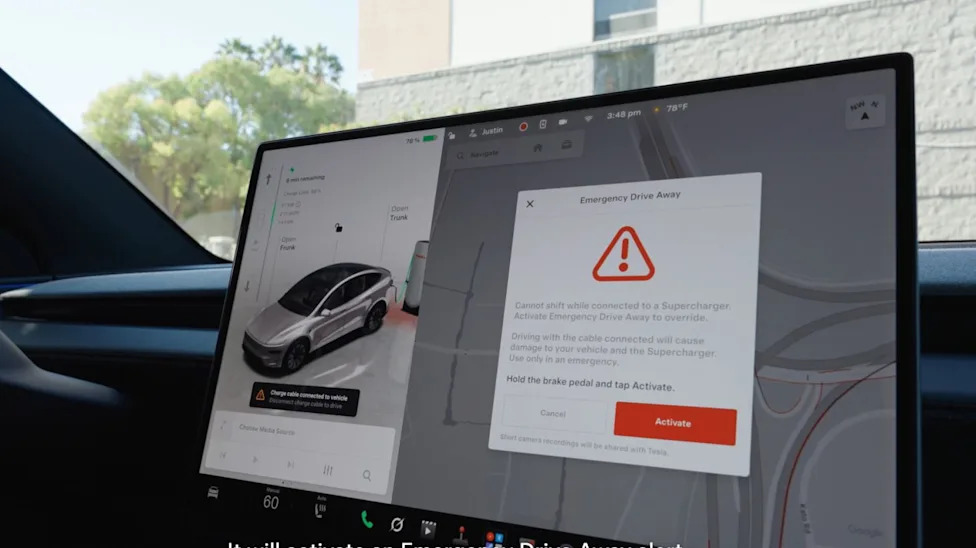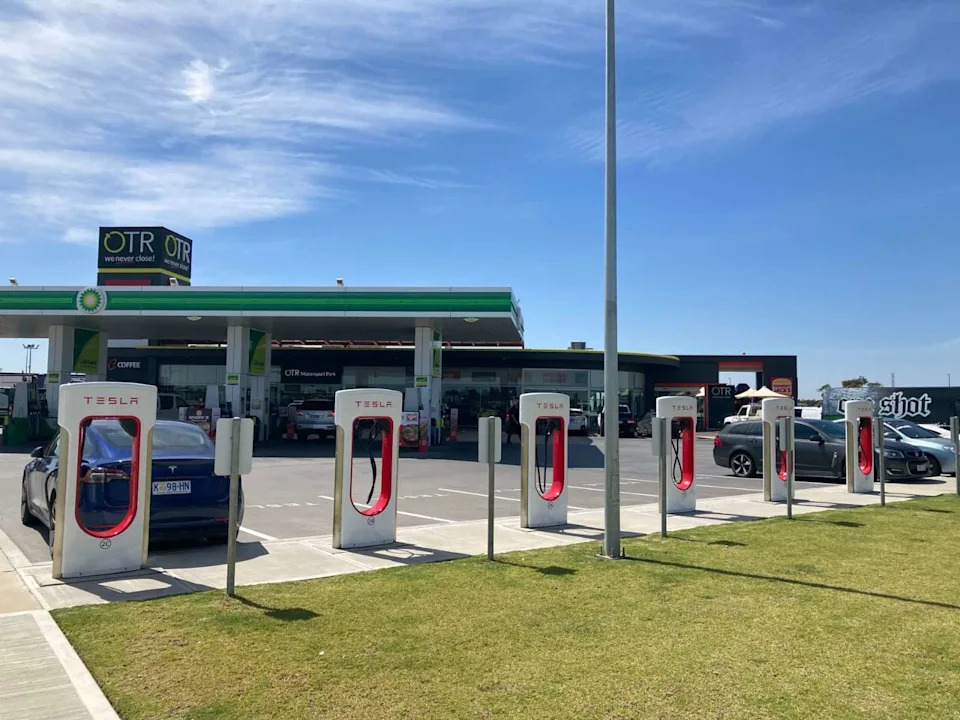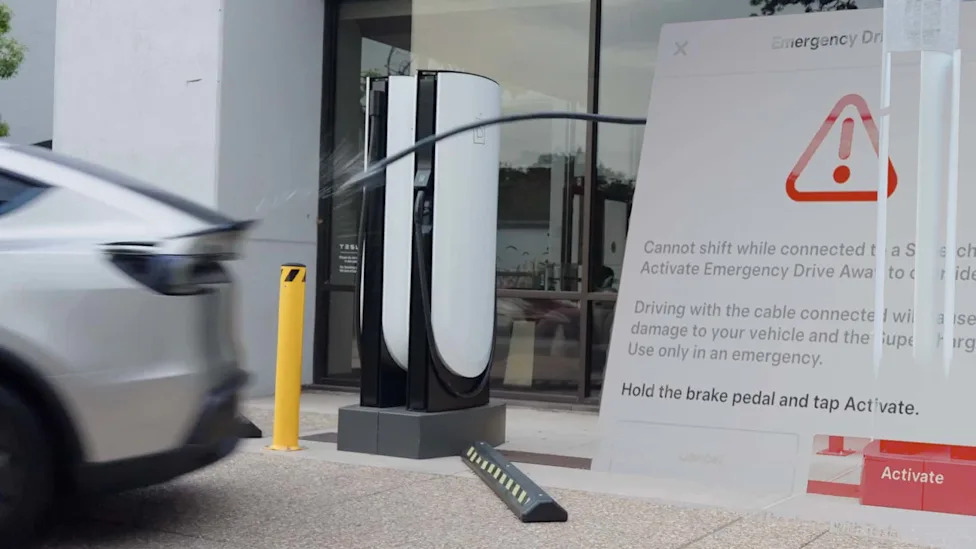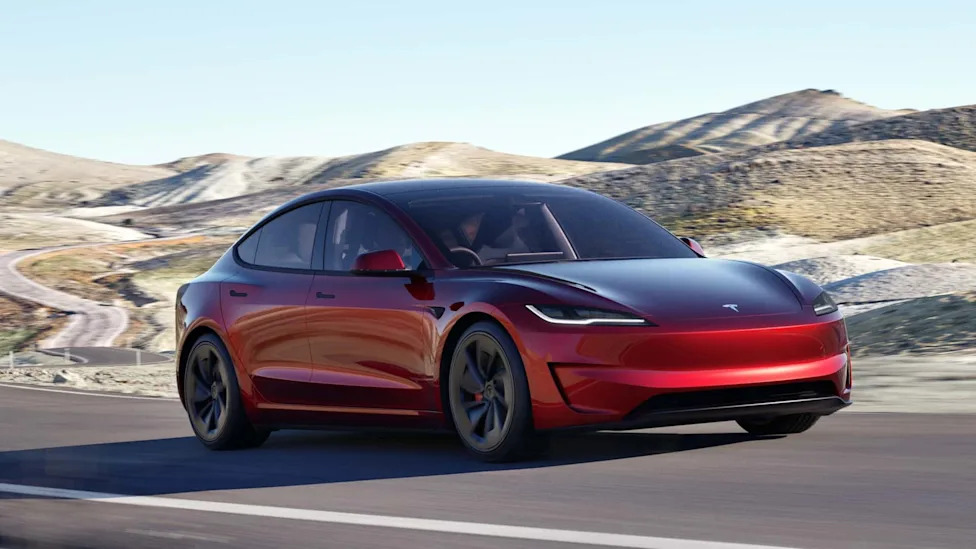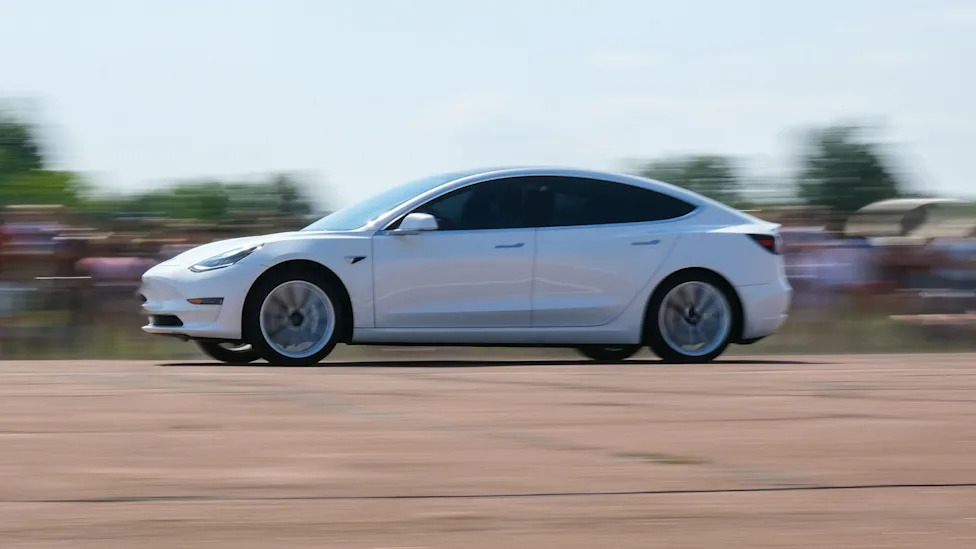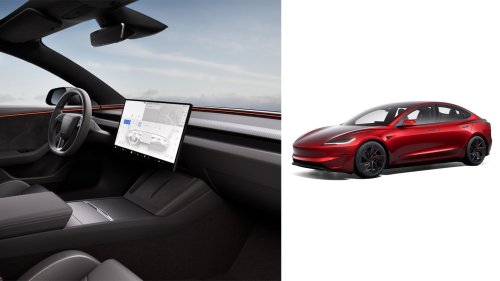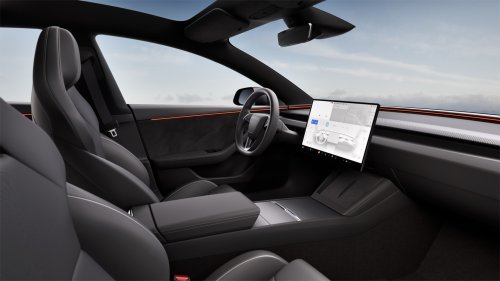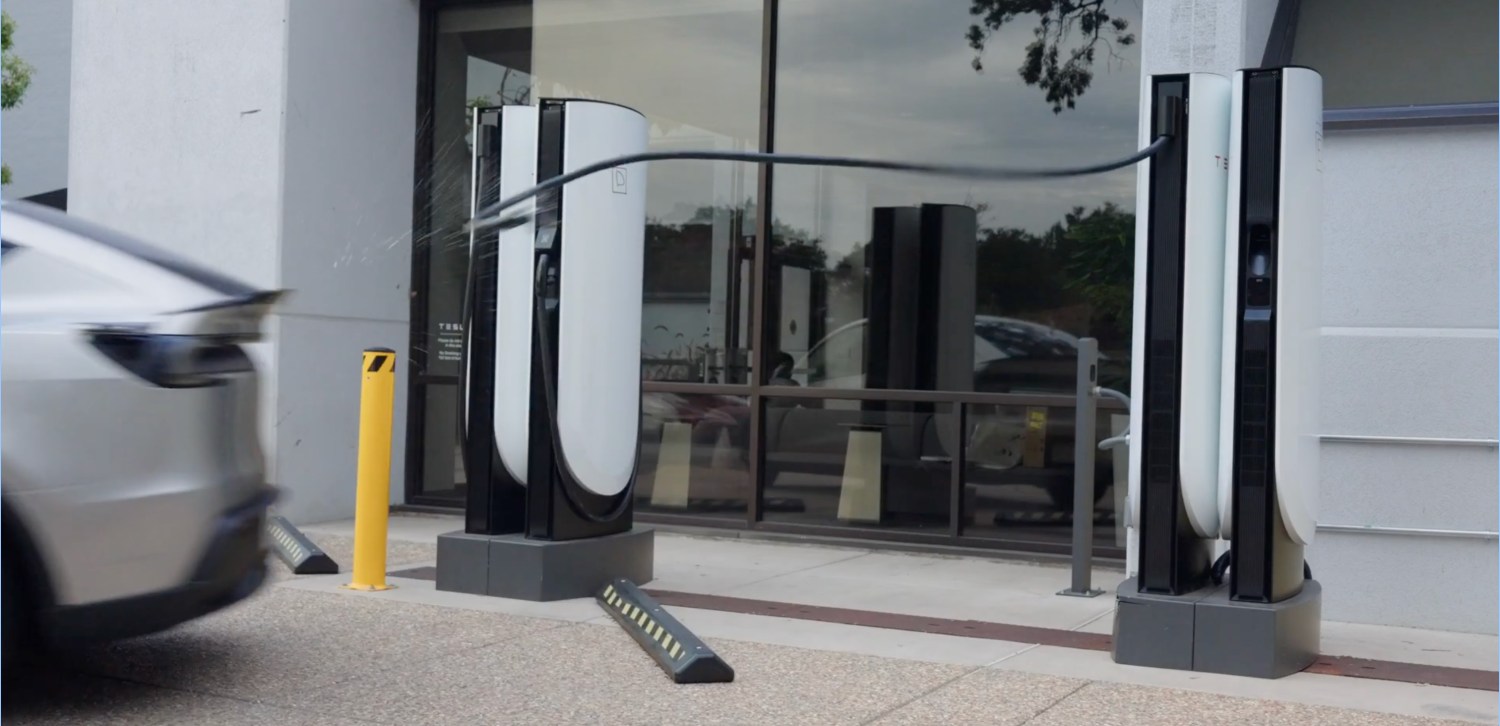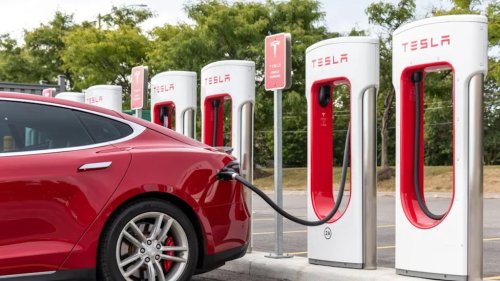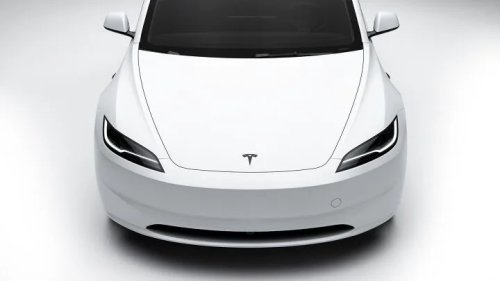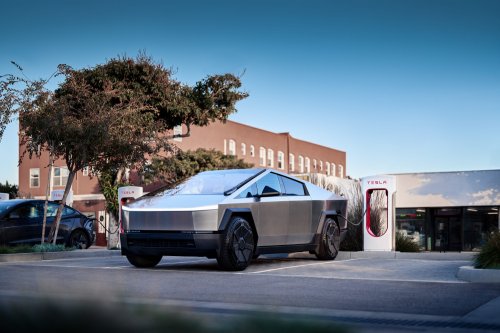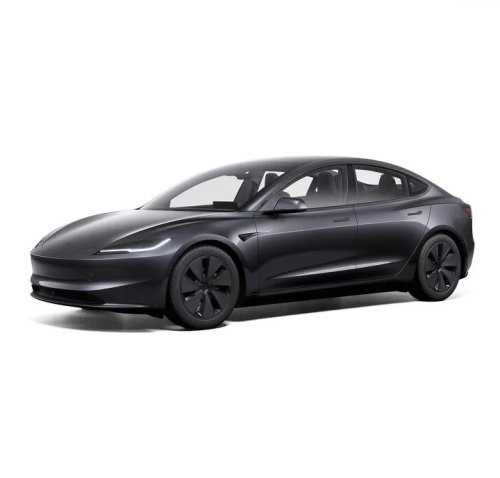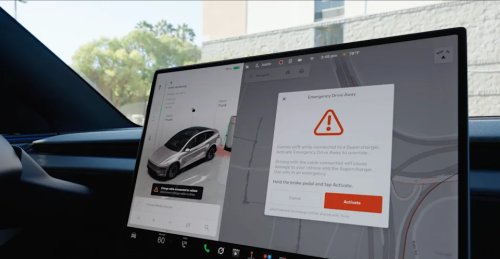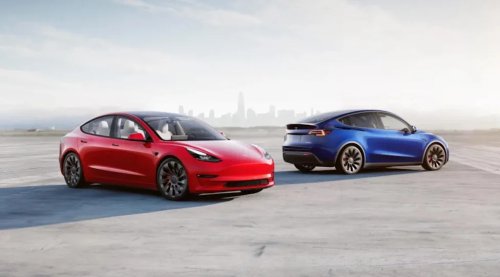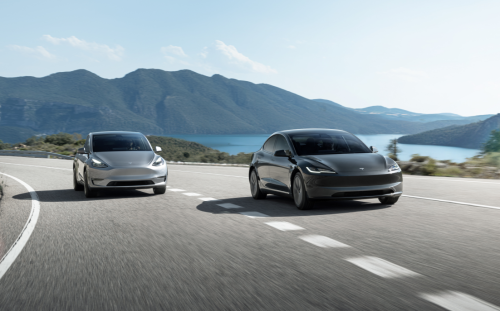
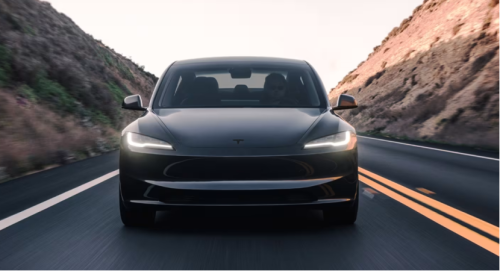
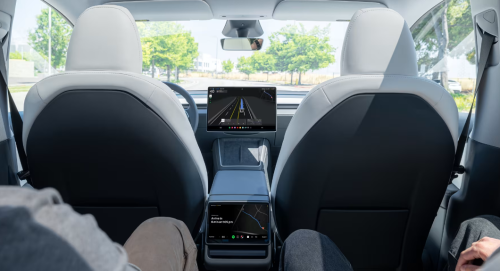
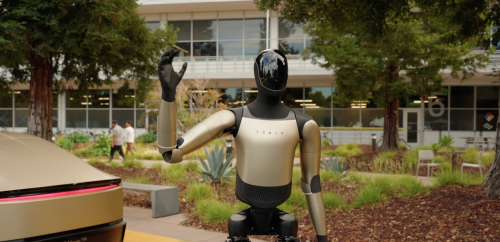


















Gasgoo Munich-Seven years ago, Tesla burst into China like a "catfish," viewed as the catalyst needed to awaken the entire electric vehicle industry.Seven years on, the catfish is still swimming, but the pond is no longer theirs alone to rule. The 200,000-yuan market has shifted from one-player dominance to a free-for-all, with Li Auto, Xiaomi, and Huawei making moves one after another. The list of rivals keeps lengthening. Meanwhile, Tesla’s lineup still rests on the aging faces of the Model 3 and Model Y; Full Self-Driving’s (FSD) entry into China has been delayed again and again, and new models remain nowhere in sight.In the quarter just passed, Tesla’s global deliveries jumped 25% year-on-year, marking its best second-quarter performance on record. Yet that report card failed to impress the market — shares instead tumbled 7.49%.When a sales rebound relies on discounts and promotions, and when the brand’s halo dims under the siege of "NIO, XPENG, Li Auto, Xiaomi, and Huawei," a more fundamental question surfaces: Can this catfish still keep swimming?Record Q2 Sales, So Why Is the Market Unconvinced?In the second quarter of 2026, Tesla delivered results that far exceeded expectations.A report released on July 2 shows global deliveries hit 480,126 units for the quarter — a roughly 25% annual increase and a 34% sequential rise — setting a company record for the second quarter. Of that total, the Model 3 and Model Y accounted for 467,762 units, or more than 97% of the mix.Image Source: TeslaThe Chinese market has been the key engine driving this rebound.Tesla’s Shanghai Gigafactory delivered 89,091 vehicles in June, a 24.4% surge from a year ago and the highest level so far this year. Cumulative deliveries for the first half reached nearly 468,000 units, up 28.4%. Data from the China Passenger Car Association (CPCA) shows Tesla’s retail sales in China hit 85,982 units in May, marking consecutive months of year-on-year growth.The market, however, isn't buying it.On the day delivery data dropped, Tesla shares drifted lower all session, closing at $393.45 after plunging 7.49%.The reason robust sales failed to lift the stock is that capital markets are re-evaluating Tesla’s core narrative. As growth becomes driven by discounts and promotions, and as the recovery in Europe benefits partly from tariff advantages, Tesla’s story is sliding from "tech disruptor" to the logic of a traditional automaker.Cao Guangping, a partner at Chifu Consulting, said in an interview that Tesla’s current position in China is not that of a "trapped beast" but rather a "defender in transition." Thanks to its powertrain technology, cost control, and brand reputation, the company retains strong market resilience, maintaining steady sales in the 200,000 to 300,000-yuan mainstream segment with its two blockbuster models, the Model 3 and Model Y. Yet its reliance on a limited lineup leaves it increasingly passive against the siege of local rivals like NIO, XPENG, Li Auto, Xiaomi, and Huawei.Notably, the 200,000 to 300,000-yuan price band — Tesla’s core territory — is becoming the most brutal battlefield.In sedans, the Xiaomi SU7 continues to erode Model 3’s share with a superior intelligent driving experience, leading the Model 3 by nearly 60,000 units in full-year retail sales for 2025. In SUVs, while the Model Y remains the segment leader, new entrants like the Li Auto L6, Xiaomi YU7, and AITO M6 have formed a pincer movement, severely compressing the Model Y’s room for growth.Furthermore, the rapid iteration of Chinese automakers — "a refresh every year, a redesign every two" — stands in stark contrast to Tesla’s three-to-five-year product cycle. When rivals launch an upgraded product every six months, the era of ruling the market with two veterans is gone for good.The price war has further exposed Tesla’s cost dilemma.At the start of 2026, Tesla pioneered a financing policy offering five years of interest-free payments followed by seven years of low interest, triggering a collective response from brands like NIO, Xiaomi, and Li Auto. Yet against the cost advantages Chinese brands derive from vertical integration, Tesla’s room to cut prices is narrowing.The double decline in Tesla’s revenue and net profit in 2025 was a direct reflection of the price war’s backlash. Reports indicate the Model 3 has seen cumulative price cuts of 30,000 to 40,000 yuan since the start of 2025.In the first quarter of 2026, wholesale deliveries from Tesla’s Shanghai plant climbed 23.5% to 213,398 units, but that figure includes heavy exports. Retail sales in China totaled just 112,798 units, a 16.2% drop. The massive gap between wholesale and retail figures suggests Tesla is relying increasingly on overseas markets to absorb the Shanghai factory’s capacity.Globally, Tesla delivered 1.636 million vehicles in 2025, overtaken by BYD’s 2.26 million and losing its crown as the world’s top seller of pure electric vehicles. Two straight years of declining deliveries have led Wall Street to fundamentally question Tesla’s growth story.FSD in China: The Priciest Autonomy, The Slowest RolloutA sales rebound can’t mask the encirclement; Tesla needs a new card to play.That card is FSD.As early as May of this year, Tesla announced via overseas social media that the supervised version of FSD was officially available for use in China. The news triggered a collective rally in A-share autonomous driving stocks, with Desay SV, Zhejiang Shibao, and others hitting limit-up. Capital markets voted with real money on their expectations for the "smart driving catfish" entering China.However, a significant gap remains between "officially available" and "truly usable."Image Source: TeslaThis isn’t the first time FSD has been announced as "entering China." In February 2025, Tesla pushed a "City Autopilot" feature to Chinese owners, only to suspend it a month later due to regulatory issues. In November 2025, Musk optimistically predicted FSD could be approved by February or March 2026. By the first-quarter 2026 earnings call, Tesla’s CFO had pushed the timeline back to the "third quarter."Over five years, rumors of FSD’s entry have surfaced repeatedly, only to be shelved multiple times due to regulatory approvals, data security, and algorithm adaptation issues.By the end of May 2026, the supervised version of FSD had completed a gray-scale rollout to only about 5,000 vehicles in China — a limited technical verification restricted to models equipped with HW4.0 hardware. Early HW3.0 owners have been excluded, with Tesla planning to push a stripped-down "FSD V14 Lite" version to those users.Legally, the supervised version of FSD entering China is strictly defined as a Level 2 advanced driver-assistance system. Drivers must remain fully attentive and ready to take over at all times, bearing full legal responsibility.The term "supervised" means one thing: this isn’t autonomous driving, but a conditional compliance exercise in driver assistance.An even bigger challenge lies in pricing.In the Chinese market, Tesla’s upfront purchase price for FSD has long been locked at 64,000 yuan. By comparison, Huawei’s ADS 4.0 costs 36,000 yuan upfront (with users paying only 12,000 yuan after manufacturer subsidies), while XPENG’s XNGP 4.0 and Li Auto’s AD Max 3.0 are priced in the 30,000 to 36,000 yuan range.That makes Tesla’s FSD nearly two to five times the price of local competitors, yet its functionality lags far behind the North American version.Industry predictions suggest that if a subscription model launches in the mainland, monthly fees could range between 499 and 699 yuan. Yet for the average Chinese driver who changes cars every three to five years, subscribing at 699 yuan a month for four years means spending over 33,000 yuan — still not cheap. And whether the experience matches the price remains an open question.Moreover, FSD is entering a market that is no longer a blank slate.Over the past five years, Chinese autonomous driving companies have bridged the gap from playing catch-up to a head-on confrontation.According to CCTV.com, cumulative sales of passenger cars equipped with city NOA functions reached 3.129 million units from January to November 2025, accounting for 15.1% of insured passenger vehicles. Domestic brands contributed 2.5373 million of those sales, or 81.1% — meaning four out of every five city NOA vehicles come from Chinese brands.Huawei’s Qiankun ADS has accumulated 10.47 billion kilometers of assisted driving, with a city NOA activation rate of 92%; XPENG’s XNGP has built a reputation for handling complex scenarios like unprotected left turns; while Li Auto’s AD Max city NOA is rapidly expanding."If FSD had entered China in 2023, it would have been a generational leap," said Zhu Xichan, a former professor at Tongji University’s School of Automotive Studies. "But now, the smart driving technology of domestic leaders like Huawei, XPENG, and Li Auto is no worse than Tesla’s."Image Source: TeslaThe competition between FSD and local Chinese offerings has shifted from "technical domination" to a head-to-head battle across algorithms, user experience, and value for money.Tesla’s pure vision approach faces a sterner test against the complex road conditions in China.Cao Guangping notes that FSD’s arrival in supervised form places it in a complex state where "mass-market transition intersects with smart driving barriers."He believes FSD’s entry will force the domestic industry to improve its experience and open a new software-based revenue stream for Tesla. But it also faces a triple threat: data compliance barriers that limit local model iteration, the need for extensive verification to tune algorithms for China’s complex roads, and the challenge of market acceptance at a high price point.Musk recently revealed he hopes the full version of FSD will enter China as soon as February 2027. That means at least another six months of waiting — and Chinese competitors won’t be sitting idly by.Optimus Production Imminent: The Most Distant Story, The Most Attractive CardIf FSD is the card closest to Tesla’s hand, the Optimus humanoid robot is the most distant — yet the most attractive — one in the deck.On July 1, Musk posted a group photo with the caption: "Touring the Optimus robot production line at the Fremont factory." According to Tesla executives, installation has begun on the first official production line for Optimus, with engineers planning to gradually expand to 40 lines.The year 2026 is widely recognized in the industry as "Year One" for humanoid robot mass production. Institutional data projects global shipments will top 50,000 units in 2026, a surge of over 700%. Goldman Sachs estimates the global market will grow from roughly 20,000 units in 2025 to 1.4 million by 2035.Amid this fervor, Chinese players have already taken the lead. In the first half of 2026, more than 20 new humanoid robots were launched globally — 18 of them Chinese.Image Source: TeslaYet on this track, Tesla’s Optimus remains the biggest wildcard.As early as January of this year, Tesla announced it would halt production of the Model S and Model X at its Fremont, California plant to convert the facility into a manufacturing base for the Optimus robot. On May 10, the last Model S and Model X rolled off the line. In just four months, the old production lines were dismantled and new modular equipment installed.Tesla’s timeline for Optimus is now relatively clear: mass production of the Optimus V3 is targeted for late July to early August 2026. The production ramp-up calls for dozens of units per week in June, 100 to 150 in July, about 300 in August, and hitting 1,000 units per week by September.The line is designed with an annual capacity of 1 million units, spread across roughly 40 sub-lines. The new third-generation robot hand boasts 22 degrees of freedom, offering dexterity remarkably close to a human hand.If this target is met on schedule, Optimus will become the world’s first humanoid robot to enter mass production.Musk himself, however, has tempered expectations. He warned on the first-quarter earnings call that constrained by supply chains and other factors, the initial production speed for Optimus will be "extremely slow," with capacity ramping up more like a crawl than a sprint. Current plans target production of 50,000 to 100,000 units in 2026, potentially rising to 500,000 to 1 million in 2027.Cao Guangping cautions that humanoid robots are still in the R&D and early testing phase, with a long cycle before large-scale commercialization and profitability. In the short term, they are unlikely to offset the growth pressure of the core auto business. Moreover, competition in this space is global and requires marshaling massive technological resources.Strategically, the humanoid robot represents the embodiment of Tesla’s AI technology. If it achieves mass production, it will open an entirely new industrial track.But unlike FSD, the Optimus story is more distant — so distant that even Musk can’t say when it will contribute meaningful revenue. Yet for that very reason, it may be the card that brings Tesla closest to its essence as a "technology company."Looking back at the catfish released into the Chinese market in 2019, it did indeed stir up the entire pond. China’s new energy supply chain accelerated its evolution with Tesla’s entry, and local brands made the leap from followers to peers, and finally to leaders.Musk has never been one to rest on his laurels. The short-term boost from Q2 sales, the incremental progress of FSD in China, and the forward-looking layout for Optimus mass production — a three-pronged offensive is his counterattack against the encirclement.Only this time, he is no longer facing a sleeping market that needs awakening. He faces a vibrant, fiercely competitive Chinese EV ecosystem where local brands have already built formidable barriers.Seven years later, the catfish remains, but the pond is no longer the one it used to be.Whether the besieged company can break out may be answered soon. But whatever the outcome, this game itself has profoundly reshaped the power structure of the global auto industry.