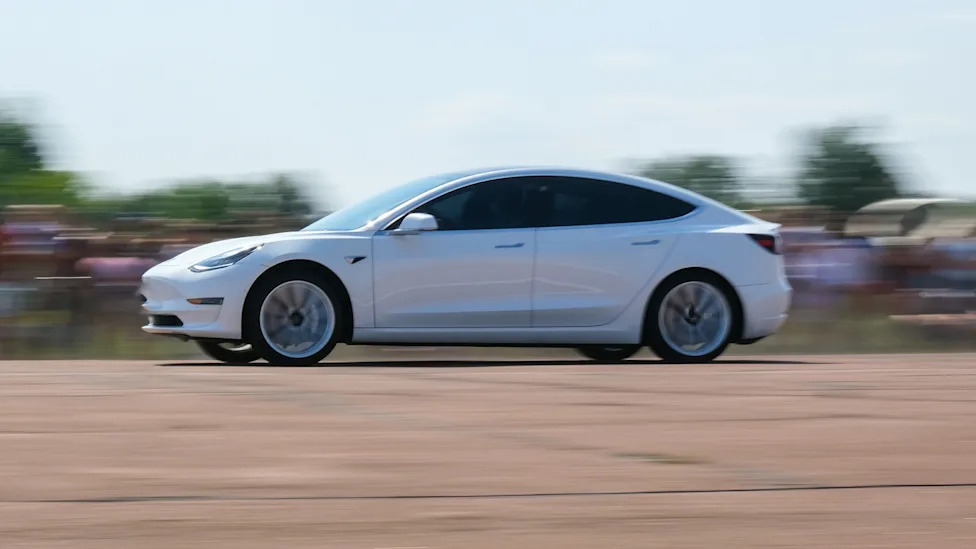
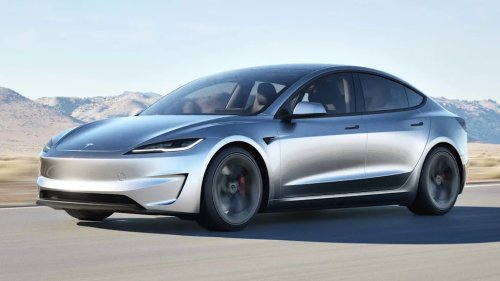
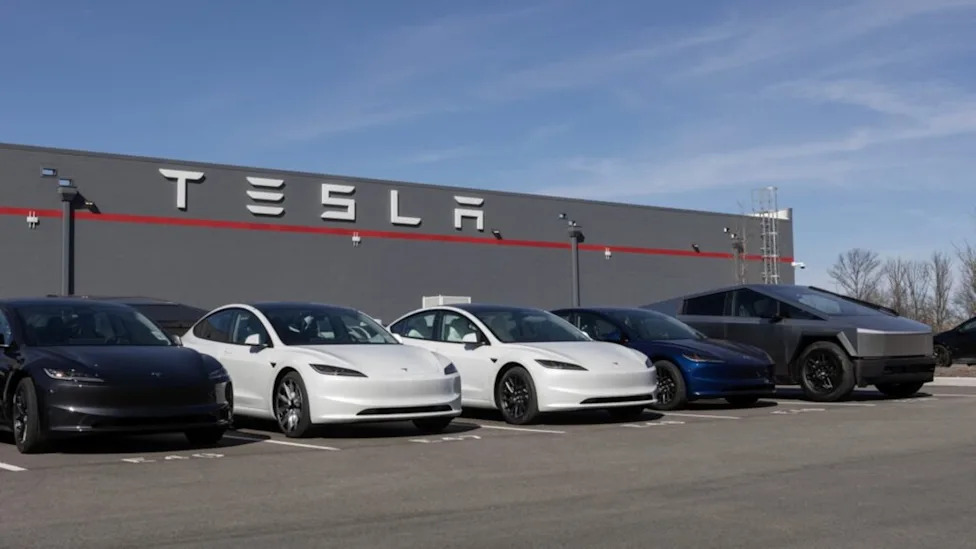
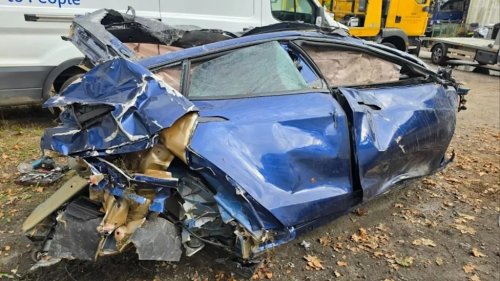
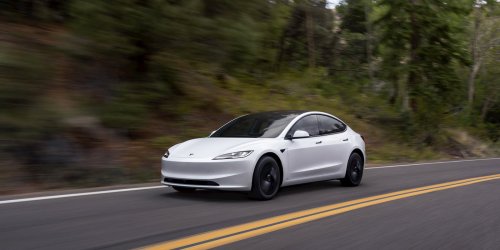
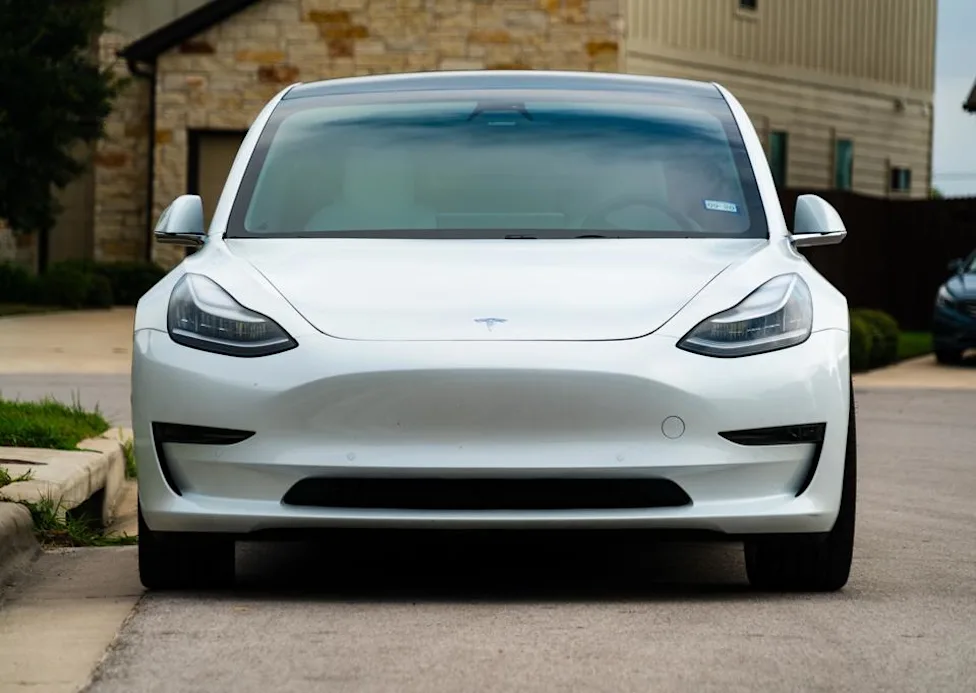
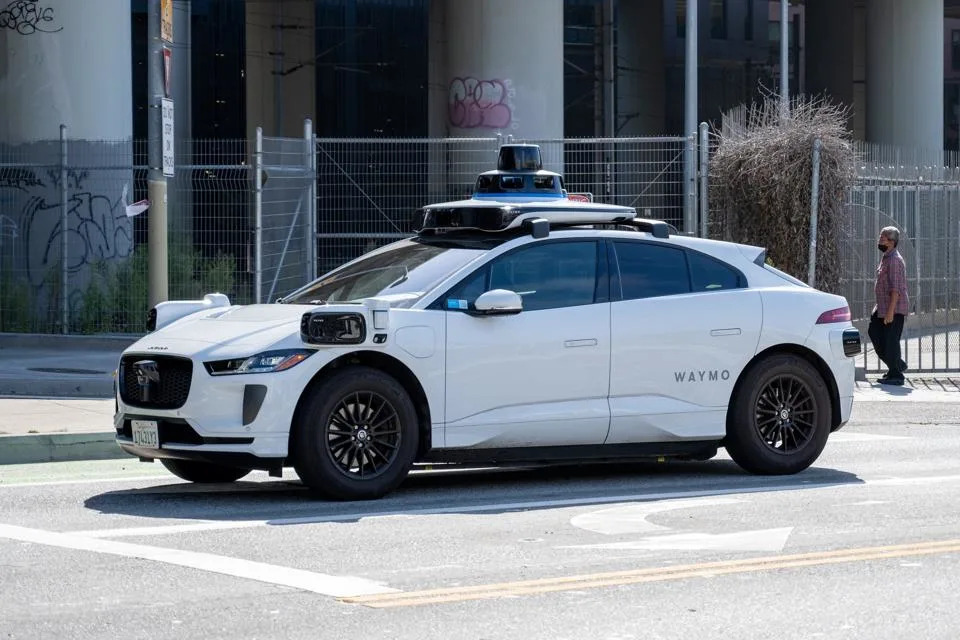
Austin, TX, USA - September 15, 2020: front view of a White Tesla Model 3 The American Made Electric sports cargettyTesla has spent years selling the future in a very particular tone - bold, certain, inevitable. Full Self-Driving is coming. Robotaxis are coming. Human driving will be a thing of the past.But Tesla's Full Self-Driving system (FSD), despite its name, is still not a fully autonomous system. Tesla even warns that the currently enabled features "require active driver supervision and do not make the vehicle autonomous."For years, the company has faced federal investigations and lawsuits involving crashes, including fatal crashes, that drivers or regulators have blamed on failures of FSD or the company's older Autopilot system.NHTSA InvestigatesThe National Highway Traffic Safety Administration opened an investigation into Autopilot in 2021 after Teslas collided with emergency vehicles. That investigation led to a 2023 recall requiring software changes meant to better detect inattentive drivers and warn them.AdvertisementAdvertisementNHTSA still has multiple active investigations into FSD and Autopilot, including cases where vehicles using FSD allegedly failed to stop for red lights or turned into oncoming traffic. Another investigation is looking at whether Tesla's 2023 Autopilot upgrades actually fixed the original safety problems. The agency is also examining incidents where FSD reportedly failed in reduced visibility, including fog and sun glare.Tesla has claimed that vehicles using FSD or Autopilot travel far longer between crashes than ordinary human-driven cars. But a recent Reuters article found that Tesla's comparison was flawed. The company counted Tesla crashes involving airbag deployments, then compared that number with broader federal crash data involving tow-away crashes.But a tow-away crash does not necessarily involve airbags. When researchers made the cleaner comparison, looking at airbag-involved crashes on both sides, Tesla's advantage shrank dramatically.There's also the advantage Tesla has because they are newer on average than the overall U.S. vehicle fleet, and newer cars generally have better safety technology. Tesla also counts crashes only when FSD is active or within five seconds of being turned off, while federal reporting rules use a 30-second window for advanced driver-assistance systems.AdvertisementAdvertisementThat matters because drivers can turn FSD off when they see trouble coming. If a human happens to disable it right before a fender-bender, the statistics look better.This is where Waymo looks like the more accurate measure, not because it doesn't brag as much but because its methodology is smaller. Waymo compares its fully driverless robotaxis to human-driven vehicles in similar conditions, in the same markets, on the same kinds of roads. It breaks out specific crash categories, such as airbag deployments or serious injuries. It also works with outside researchers and publishes safety studies in peer-reviewed journals.Waymo autonomous Jaguar I-Pace with roof-mounted lidar and sensors on an urban street near an overpass and construction fencing, San Francisco, California, September 18, 2025. (Photo by Smith Collection/Gado/Getty Images)Gado via Getty ImagesTesla Mum on Crash DataTesla, by contrast, keeps its underlying crash data private and publishes top-line claims.Waymo's approach uses mapping, limited operating areas and careful city-by-city rollouts. Elon Musk has mocked that kind of localized strategy as fragile and slow. But slow and careful is exactly what self-driving needs. One life lost is one life too many.AdvertisementAdvertisementTesla's robotaxi displays and limited Austin rollout suggest a company still working inside controlled zones while talking as though national scale is imminent, but it's typical of them to do things in a big way, appearance-wise, anyhow.This article was originally published on Forbes.com

















 +58 others