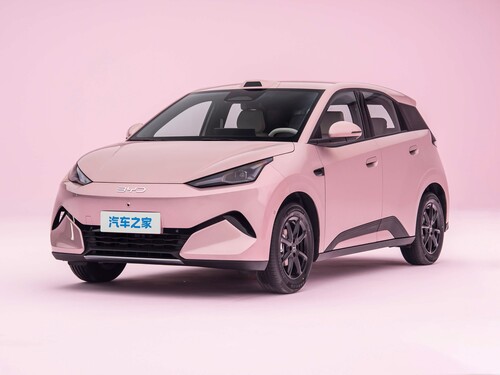
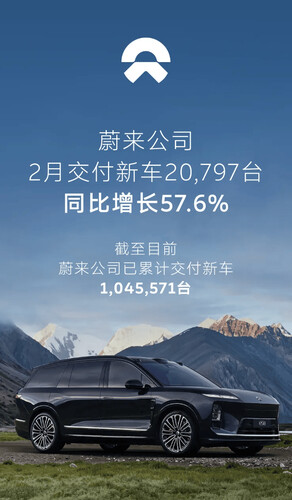
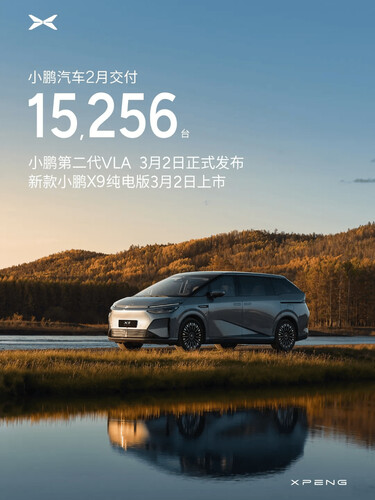
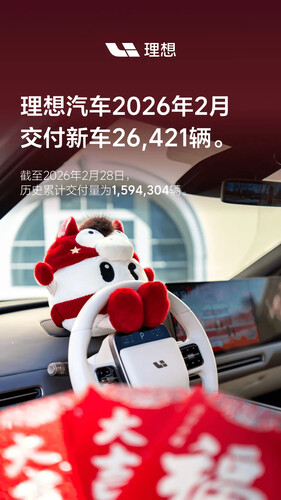
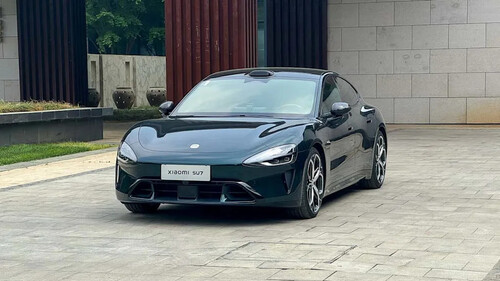
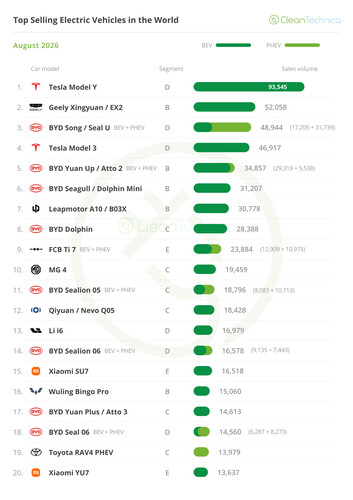
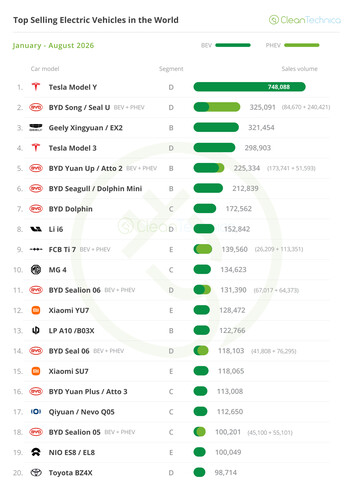
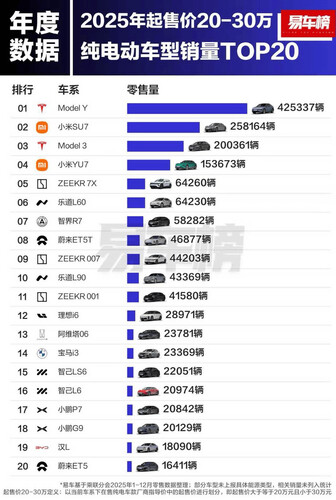
Tesla’s actual retail sales in China crashed 16% year-over-year in Q1 2026, with March alone plunging 24% — despite several media outlets reporting that Tesla’s China numbers were up for the quarter. The discrepancy comes down to the difference between wholesale and retail numbers. Tesla’s wholesale figures include vehicles produced at Giga Shanghai and exported to other markets, masking a significant decline in actual Chinese consumer demand. The wholesale vs. retail distinction matters Tesla Giga Shanghai: Wholesale vs. Retail Sales Q1 2025 vs Q1 2026 — Wholesale includes exports, retail = actual Chinese consumer sales Source: CPCA / Electrek Several outlets reported Tesla’s Q1 2026 China numbers as a success story. Tesla’s wholesale deliveries from Giga Shanghai totaled 213,398 vehicles in Q1 2026, up 23.5% from 172,754 in Q1 2025. On the surface, that looks like a strong rebound. The problem is that wholesale numbers include everything Tesla produces at Giga Shanghai — including vehicles shipped to Europe, Asia-Pacific, and other markets. The number that actually reflects Chinese consumer demand is retail sales, and that figure tells a very different story. Advertisement - scroll for more content Tesla’s retail sales in China totaled just 112,798 vehicles in Q1 2026, down 16.2% from 134,607 in Q1 2025. March was particularly brutal: 56,107 retail units, a 24.3% decline from the 74,127 vehicles Tesla sold to Chinese consumers in March 2025. Giga Shanghai Exports: Filling the Gap Left by Falling Domestic Sales Vehicles exported from Shanghai factory — Q1 and March year-over-year Source: CPCA / Electrek Where did the rest go? Exports. Tesla shipped 100,600 vehicles from Giga Shanghai to overseas markets in Q1 2026, a 163.7% surge from just 38,147 exports in Q1 2025. March exports alone hit 29,563 units — a 529% increase from the 4,701 vehicles exported in March 2025. That March export number is worth pausing on. Tesla typically exports between 10,000 and 30,000 vehicles from Shanghai in any given month, but the March 2025 figure was unusually low at just 4,701 units. The massive year-over-year percentage increase reflects that anomaly. But even against more typical months, March 2026 exports were elevated — and this surge in exports conveniently fills the gap left by falling domestic demand. The question is: why the export surge? Tesla’s Accelerating China Decline Year-over-year sales change (%) — the trend is getting worse, not better Source: CPCA / Electrek There are two possible explanations for Tesla ramping exports from Shanghai so aggressively in Q1 2026. The charitable reading is that Tesla needed more vehicles in other markets to meet strong demand elsewhere. The less charitable — and more likely — explanation is that Tesla couldn’t sell these vehicles in China and redirected them. Tesla’s global Q1 2026 deliveries of 358,023 vehicles missed analyst expectations and represented a decline from Q1 2025. If demand in Tesla’s other markets was genuinely surging, you’d expect to see that reflected in the global total. It wasn’t. This follows the pattern we’ve been tracking since last year. As we reported in January, Tesla confirmed its first full year of sales decline in China in 2025, with retail sales falling roughly 5% year-over-year. The decline is accelerating: from a 3.2% wholesale drop in 2023-2024 to a 7% decline in 2024-2025, and now a 16% retail crash in Q1 2026. In January, the situation was even more alarming. Tesla’s domestic retail sales collapsed 45% year-over-year to just 18,485 units — the lowest monthly figure since November 2022. February and March improved from that dismal floor, but the quarterly trend remains sharply negative. Competitors are gaining ground Q1 2026: China EV Deliveries Comparison Estimated China domestic deliveries — Tesla’s 112,798 retail units vs. key competitors Source: Company reports, CPCA / Electrek. *BYD China domestic estimated from global share. NIO/Xpeng/Li Auto/Xiaomi are primarily China sales. BYD sold 300,222 NEVs globally in March, with roughly 194,000 of those going to Chinese consumers — still more than three times Tesla’s 56,107 domestic retail units. Globally, BYD moved 700,463 NEVs in Q1 2026, though like Tesla, an increasing share is going to exports as the domestic market gets tougher. NIO delivered 83,465 vehicles in Q1 2026, surging 98.3% year-over-year. Xpeng posted 62,682 deliveries for the quarter. Li Auto hit 95,142 units. Even Xiaomi, which only entered the EV market in 2024, delivered roughly 80,000 vehicles in Q1 2026 and has set an ambitious 550,000-unit target for the full year. Tesla’s Shrinking China Market Share — March 2026 Tesla’s share of the BEV and broader NEV markets, down from ~10% NEV share in 2024 BEV Market (pure electric) NEV Market (BEV + PHEV) Source: CPCA / Electrek Tesla’s market share in China has been steadily eroding. In March, the company captured just 9.88% of the BEV market and 6.62% of the broader NEV market, down from roughly 10% NEV share in 2024. The competition isn’t just catching up — it has caught up, and it’s pulling ahead. The hiring dynamics tell the same story. Xiaomi recently hired Tesla’s former head of sales in China, Kong Yanshuang, to lead its own auto retail push. When your top sales executive leaves for a competitor that’s outselling you in your own categories, that’s not a good sign. Electrek’s Take The narrative that Tesla’s China numbers are recovering is misleading, and it’s important to be precise about what the data actually shows. Wholesale figures from Giga Shanghai include exports — and Tesla has dramatically ramped exports in Q1 2026, likely because it couldn’t move enough vehicles domestically. Although a surge in demand from Korea in March can partly explain Tesla’s increasing Chinese exports. We’ve been highlighting the wholesale-vs-retail distinction for months now, and Q1 2026 makes the case more clearly than ever. Tesla’s actual sales to Chinese consumers fell 16% in the quarter and 24% in March. That’s not a recovery. That’s an acceleration of the decline we’ve been tracking since mid-2025. The fundamental problem hasn’t changed: Tesla is competing in the world’s most competitive EV market with an aging lineup against rivals launching new models at an aggressive pace. BYD, Xiaomi, NIO, and Xpeng are all taking share from Tesla, and promotional tactics like ultra-low financing rates are not enough to reverse the trend. Until Tesla launches genuinely new products for the Chinese market, not refreshes, but new vehicles that compete with what BYD, Xiaomi, and others are offering at similar or lower price points, we expect this decline to continue. The wholesale numbers will continue to mask it as long as Tesla keeps ramping exports, but the domestic sales data doesn’t lie. Stay up to date with the latest content by subscribing to Electrek on Google News. You’re reading Electrek— experts who break news about Tesla, electric vehicles, and green energy, day after day. Be sure to check out our homepage for all the latest news, and follow Electrek on Twitter, Facebook, and LinkedIn to stay in the loop. Don’t know where to start? Check out our YouTube channel for the latest reviews.