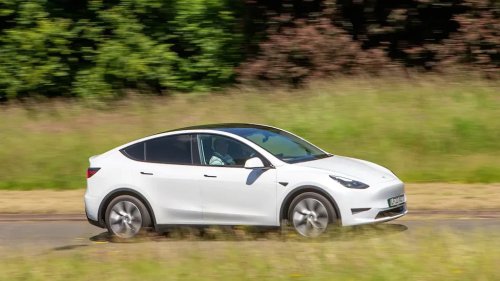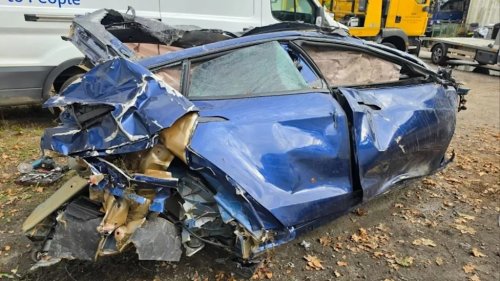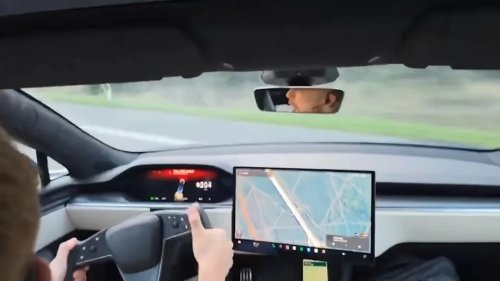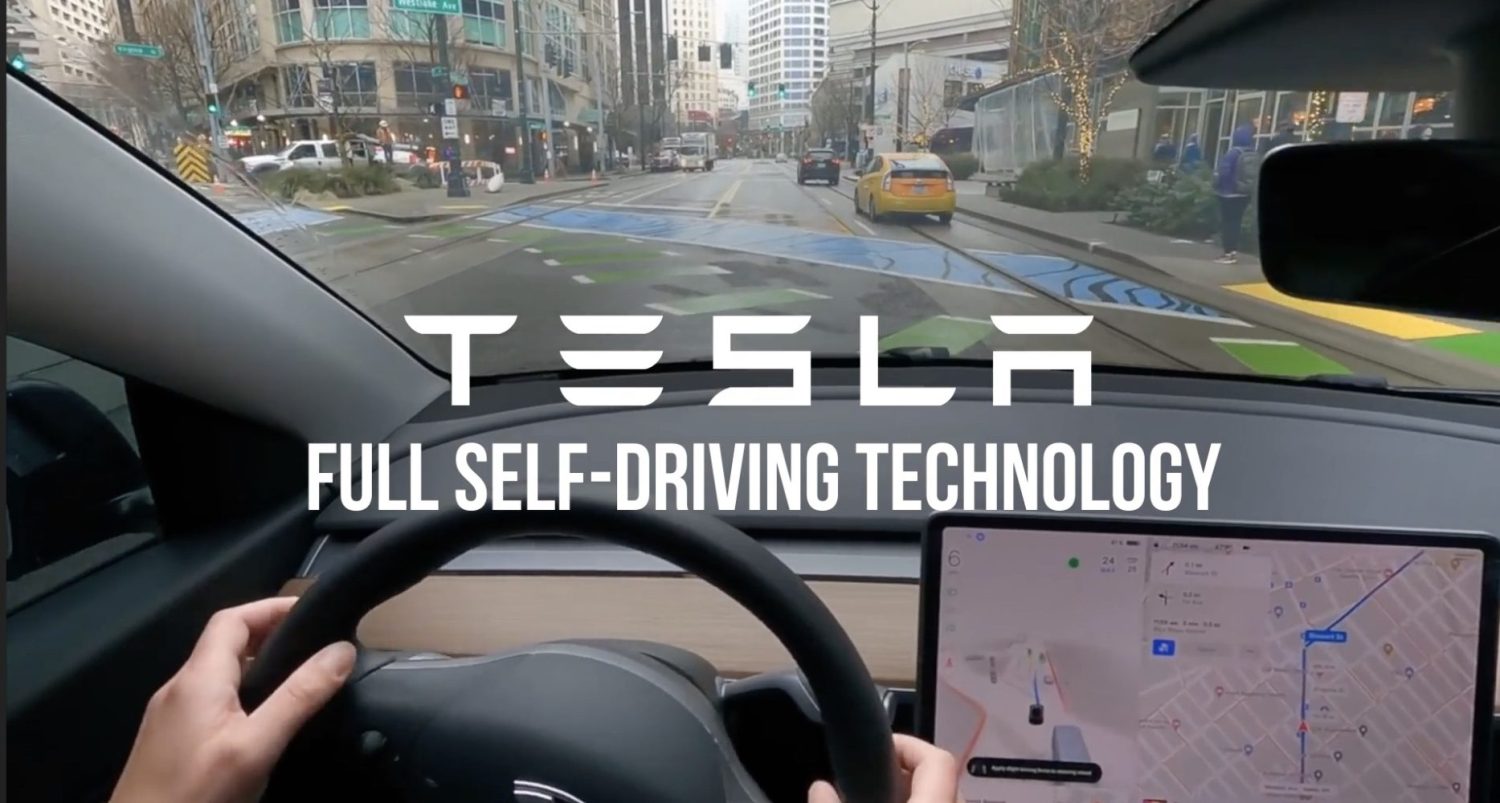



Tesla has quietly settled the lawsuit brought by the family of a pedestrian killed by a Model Y running “Full Self-Driving,” according to Bloomberg. The terms were not disclosed. It’s the first known pedestrian death tied to FSD — and the same crash that triggered the federal investigation now hanging over 3.2 million Tesla vehicles. The crash behind the settlement The collision happened on November 28, 2023, on an Arizona highway between Flagstaff and Phoenix. Johna Story, a 71-year-old grandmother, had stepped out of her vehicle to help direct traffic around an earlier accident where drivers’ vision was impaired by sun glare. Story was then struck and killed by a Tesla Model Y traveling at high speed in FSD mode. Her death is the first pedestrian fatality linked to Tesla’s driving system, and it put a spotlight on exactly what FSD does when its cameras can’t see — glare, fog, or airborne dust. Advertisement - scroll for more content Tesla settled with Story’s family on undisclosed terms, Bloomberg reported. The company did not detail timing or amount. The crash that launched a recall-track probe This is not just another settlement. This specific crash is the foundation of the most serious regulatory threat to FSD to date. NHTSA opened a preliminary evaluation in October 2024 after identifying four FSD crashes in reduced-visibility conditions, including the one that killed Story. In March 2026, the agency upgraded that probe to an Engineering Analysis covering an estimated 3.2 million vehicles — the step that typically precedes a forced recall. NHTSA’s core finding is damning for Tesla’s camera-only approach: in the crashes it reviewed, FSD “did not detect common roadway conditions that impaired camera visibility” until immediately before impact, giving drivers little time to react. The scope has since grown to nine incidents with one fatality and one injury. By Tesla’s own analysis, its updated software fix “may have affected” only 3 of those 9 crashes — meaning the company concedes its own remedy wouldn’t have helped in the majority of cases. Tesla says the cameras are fixed Asked about the visibility issue on the company’s first-quarter 2026 earnings call, VP of Vehicle Engineering Lars Moravy said Tesla changed the cameras “some months ago,” and AI chief Ashok Elluswamy said the company “implemented stricter measures for the visibility of the camera.” “So in recent software builds, if the camera is not able to see things clearly because of residue buildup, or what have you, then the FSD won’t be available for those cars,” Elluswamy said. There’s a catch to that timeline. Tesla only began developing the degradation-detection update on June 28, 2024 — the day after it filed the required crash report for the fatal Arizona collision, and seven months after Story was killed. Another case off the docket The Story settlement fits a clear pattern. Tesla is staring down up to $14.5 billion in lawsuits tied to Autopilot and FSD, and it has every incentive to keep the worst cases out of open court. We’ve seen what a trial can produce. In the landmark Florida Autopilot case, a Miami jury found Tesla 33% liable for a fatal crash and landed a $243 million judgment — after an independent researcher recovered crash data that Tesla had told plaintiffs didn’t exist. Just this week, Tesla admitted FSD was engaged in a fatal Texas crash while blaming the driver. A dead pedestrian, a Good Samaritan directing traffic, and a documented camera-visibility flaw is exactly the kind of case Tesla would not want in front of a jury. Electrek’s Take A quiet, undisclosed settlement is bad timing for Tesla right now, as there’s a focus on fatal crashes related to FSD after another woman died in her own home last week after a Tesla crashed into it. While most companies can always claim that they settled to avoid further litigation, Tesla doesn’t really have that exit strategy, thanks to this famous quote from Elon Musk: “We will never seek victory in a just case against us, even if we will probably win, and we will never surrender/settle an unjust case against us, even if we will probably lose. The legal pressure on Tesla’s FSD has been mounting since last year’s verdict in Florida. Tesla refused a $60 million settlement offer before the trial, and since the $243 million verdict, the company has settled 6 known lawsuits related to FSD/Autopilot crashes. I would expect that most of these have settled in the 8-figure range. What is most worrying is that Tesla doesn’t appear to change course in its marketing and misrepresentation of FSD, despite this unsustainable business model of letting drivers misuse its overhyped ADAS system and then settling lawsuits after people die in Autopilot- and FSD-related crashes. If you’re a Tesla owner, powering your EV with home solar is one of the smartest ways to lock in low fuel costs. With electricity rates climbing nearly 10% last year, home solar protects you against future rate increases. And with lease and PPA options, you can go solar with zero upfront cost and start saving immediately. If you want to find the best deal, check out EnergySage. It’s a free service with hundreds of pre-vetted installers competing for your business, so you save 20 to 30% compared to going it alone. No sales calls until you pick an installer. Get your free quotes here. Stay up to date with the latest content by subscribing to Electrek on Google News. You’re reading Electrek— experts who break news about Tesla, electric vehicles, and green energy, day after day. Be sure to check out our homepage for all the latest news, and follow Electrek on Twitter, Facebook, and LinkedIn to stay in the loop. Don’t know where to start? Check out our YouTube channel for the latest reviews.