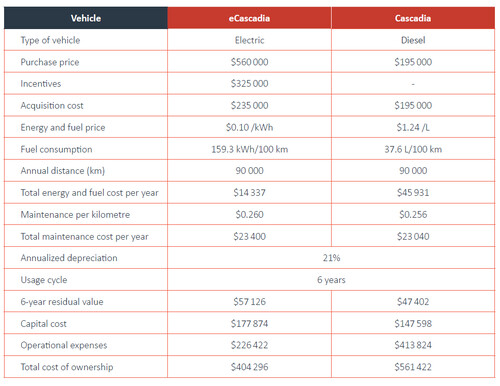
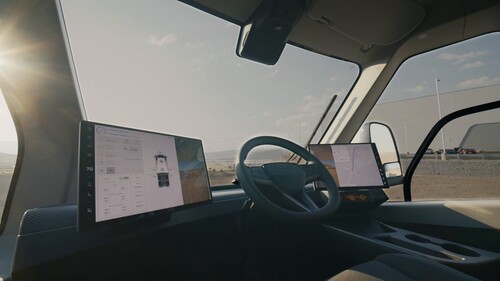
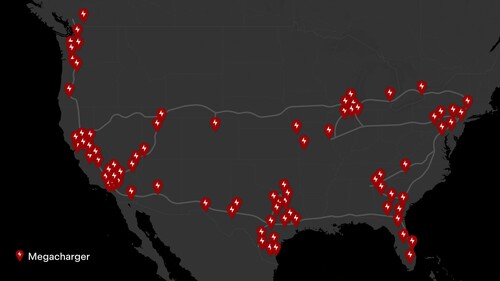
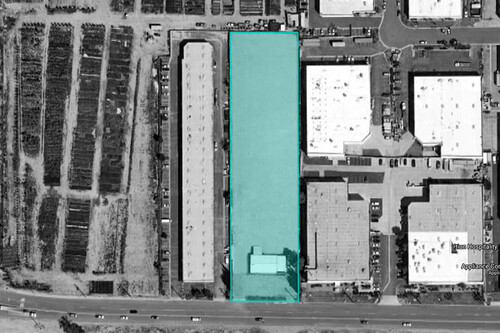
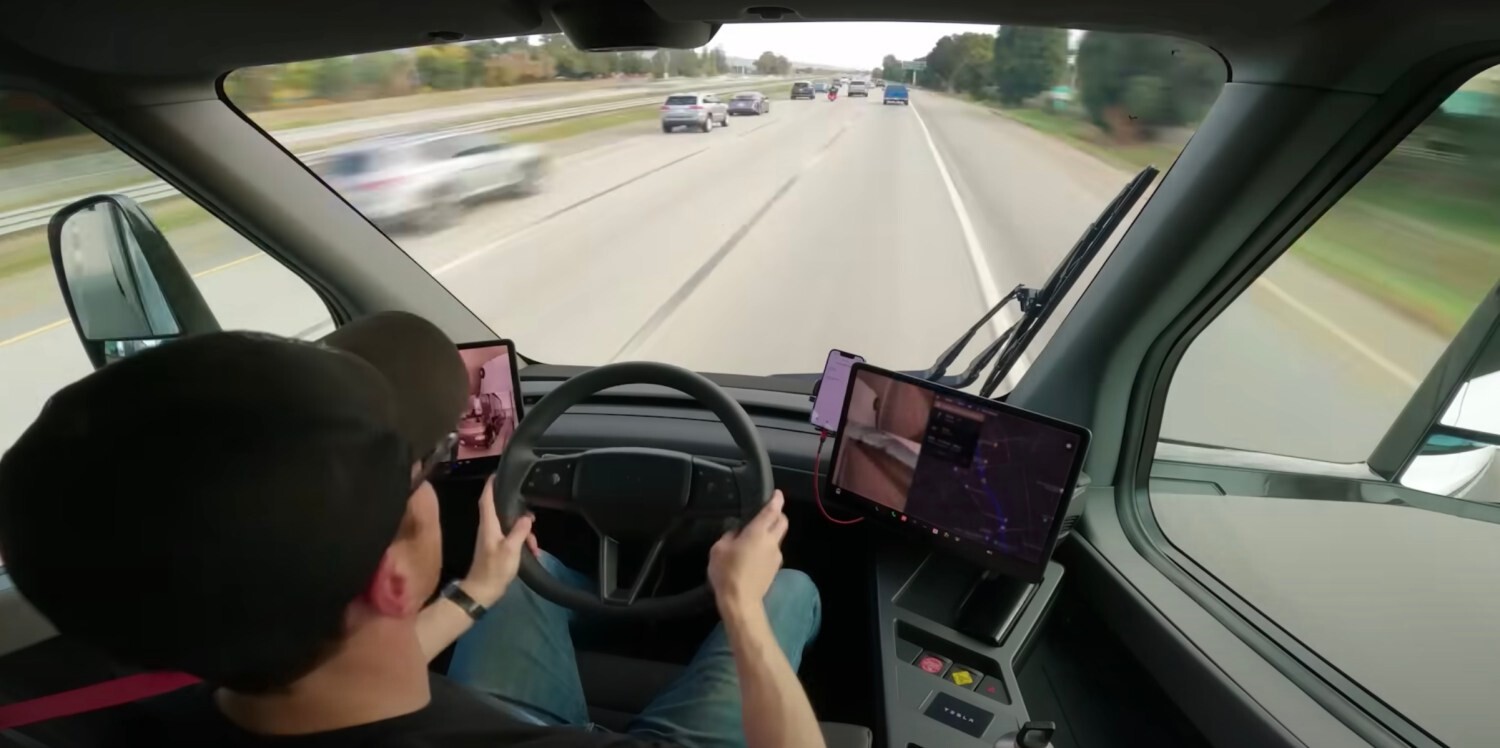
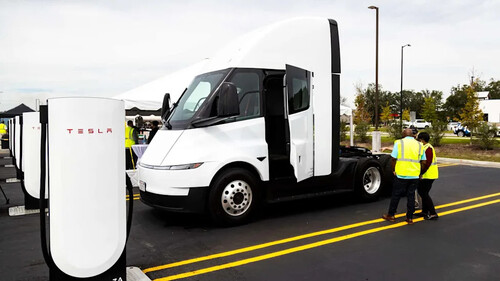
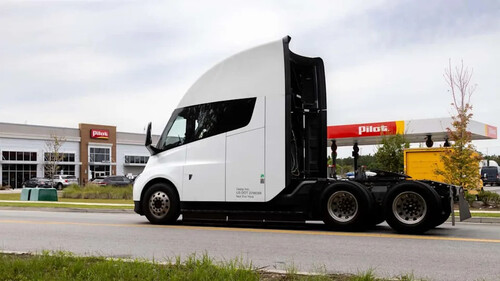
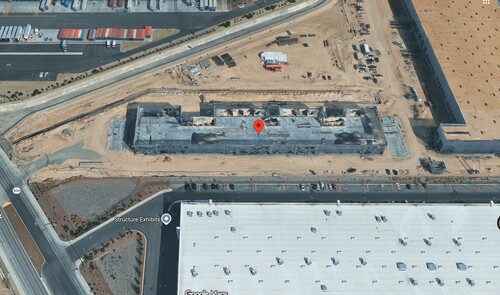
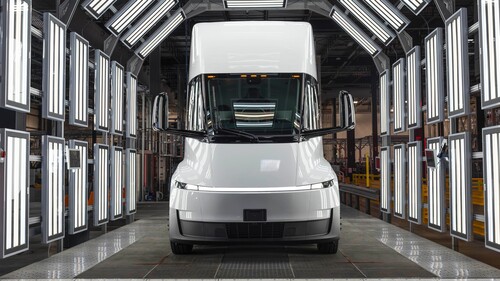
Paper Transport (PTI) announced today that it is evaluating the Tesla Semi Long Range in dedicated operations in the Chicago market, becoming the latest fleet to put Tesla’s electric Class 8 truck to work in daily freight. The Wisconsin-based carrier, which has logged more than 87 million miles on compressed and renewable natural gas, is adding battery-electric to a sustainability push it has been running for over 15 years. A pilot, not a fleet order — yet To be clear about what this is: PTI is evaluating the Semi, not rolling out a fleet. The company says it is testing the truck within its “dedicated operating model, where predictable routes and consistent mileage provide an ideal environment for assessing battery-electric performance.” That framing matters. Dedicated lanes — the same route, the same mileage, day after day — are the easiest possible proving ground for an electric truck, because range and charging can be planned around a known duty cycle. It’s where every early Semi operator has started. Advertisement - scroll for more content “Our partnership with Tesla expands our portfolio alongside renewable natural gas and intermodal, giving customers more ways to reduce Scope 3 emissions without compromising service or economics,” said PTI CEO Tyler Ellison. Bryan Ellen, PTI’s VP of Maintenance, added that the company is “bullish in our estimation of the parallels available between our dedicated model and the efficiency of their fully electric Class 8 tractor.” Why the timing matters PTI’s evaluation lands less than three months after Tesla rolled the first Semi off its new high-volume production line at Gigafactory Nevada on April 29. That factory, a dedicated 1.7-million-square-foot building next to the main Nevada plant, is designed for 50,000 trucks a year, though Tesla is ramping gradually. After nine years of delays, the shift from hand-building a few dozen units for PepsiCo to a real production line is what turned the Semi from a perpetual “coming soon” into something fleets can actually order. Tesla revealed final specs in February for two trims: a Standard Range at 325 miles and the Long Range — the version PTI is testing — at 500 miles. Both use an 800-kW tri-motor drivetrain rated at 1,072 hp and support 1.2-MW Megacharger speeds that restore 60% of range in roughly 30 minutes. Earlier this year, Tesla was quoting $290,000 for the Long Range Semi and about $260,000 for the Standard Range, making it the lowest-priced Class 8 battery-electric tractor on the market. For context, CARB data pegged the average zero-emission Class 8 truck at $435,000 in 2024 — Tesla is undercutting the field by roughly $145,000. The adoption picture since production started PTI is not an outlier. It’s a data point in a pattern that has been building since the Nevada line came online. The clearest demand signal is in California, where the Semi accounted for 965 of 1,067 applications to the state’s Clean Truck & Bus Voucher program between January 2025 and February 2026. Daimler, PACCAR, and Volvo — the incumbents — combined for fewer than 100. The real-world testing is where it gets more concrete. In June, less-than-truckload carrier ArcBest bought Tesla Semis for its ABF Freight fleet after a 2025 pilot in which the truck averaged 1.55 kWh per mile — about 9% better than earlier figures reported by DHL and Saia. A drayage operator, MDB, ran a freight pilot moving containers at Southern California ports. PepsiCo, the original Semi customer, now runs close to 100 trucks out of depots in Modesto, Sacramento, and Fresno. Beyond the operators already running trucks, Tesla is sitting on reservations from Walmart, Sysco, Anheuser-Busch, UPS, DHL, and J.B. Hunt. Walmart Canada alone has reserved 130 Semis. The bottleneck now is charging, not demand. Tesla opened its first Megacharger station in Ontario, California, and has mapped 66 Megacharger locations across 15 states. A Chicago-market operation like PTI’s will need that network to expand east before an evaluation turns into a fleet. Electrek’s Take I’m curious to see when or if Tesla will start releasing Tesla Semi production and delivery numbers.It feels like demand could really surge as more transporters do the math and realize the total cost of ownership of electric semi trucks is already competitive with diesel for a large percentage of routes.I think a couple more years of validations, and then we will see a massive wave shift in North America, like it is already happening in Europe and Asia. If you’re weighing the cost of powering an electric fleet — or just your home — locking in low energy costs with solar has never made more sense. With electricity rates climbing nearly 10% last year, home solar protects you against future rate increases. And with lease and PPA options, you can go solar with zero upfront cost and start saving immediately. If you want to find the best deal, check out EnergySage. It’s a free service with hundreds of pre-vetted installers competing for your business, so you save 20 to 30% compared to going it alone. No sales calls until you pick an installer. Get your free quotes here. Stay up to date with the latest content by subscribing to Electrek on Google News. You’re reading Electrek— experts who break news about Tesla, electric vehicles, and green energy, day after day. Be sure to check out our homepage for all the latest news, and follow Electrek on Twitter, Facebook, and LinkedIn to stay in the loop. Don’t know where to start? Check out our YouTube channel for the latest reviews.