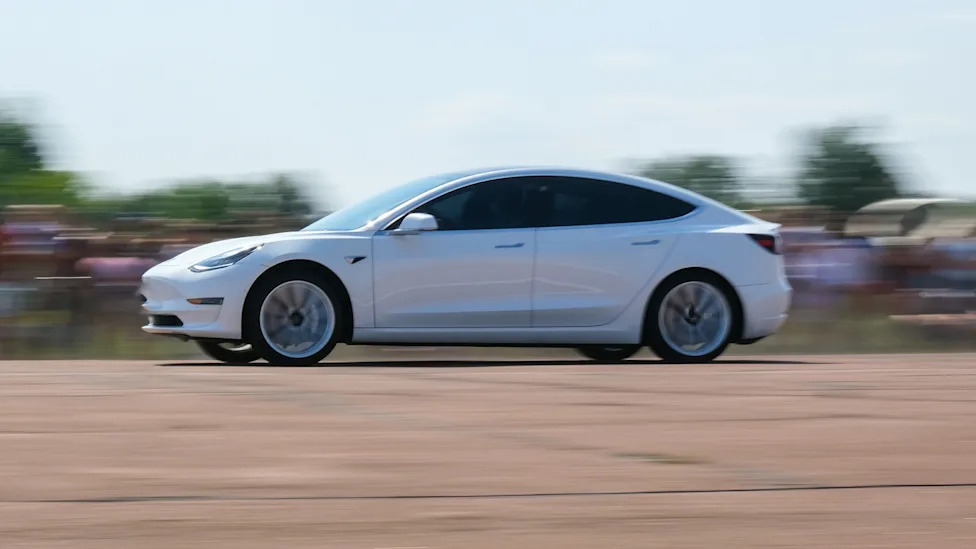
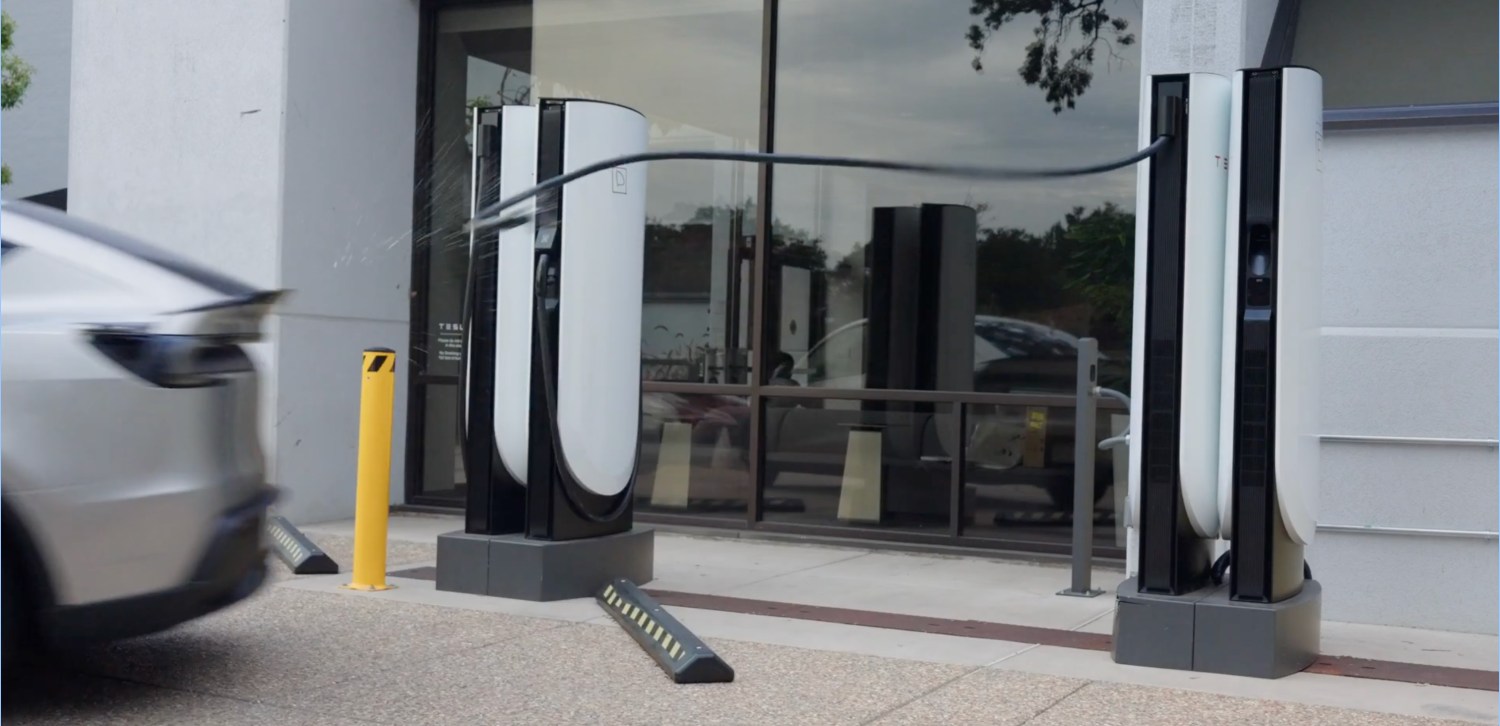
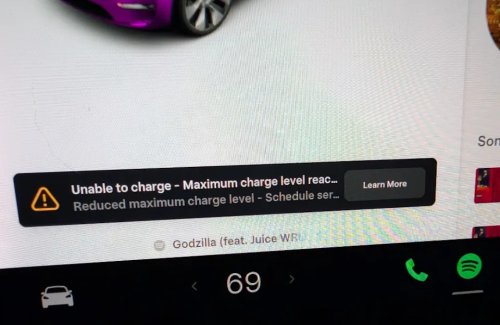
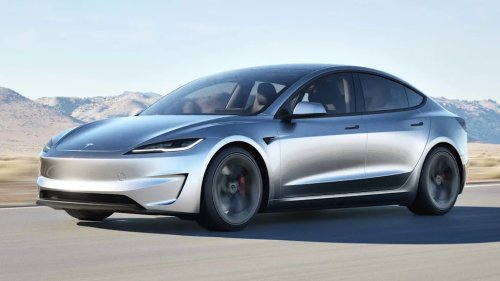
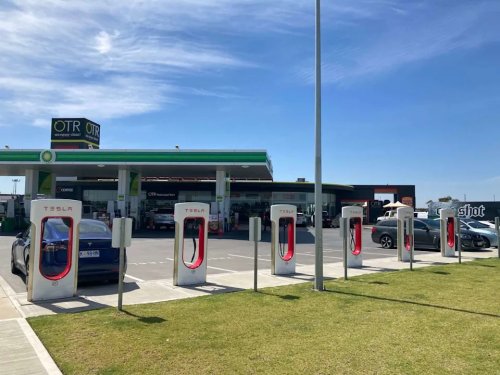
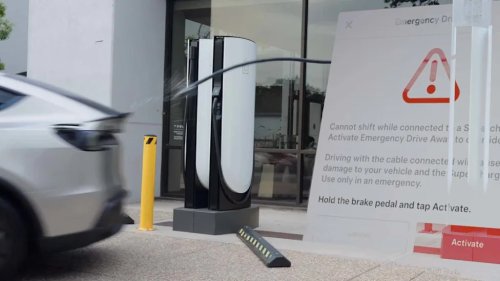
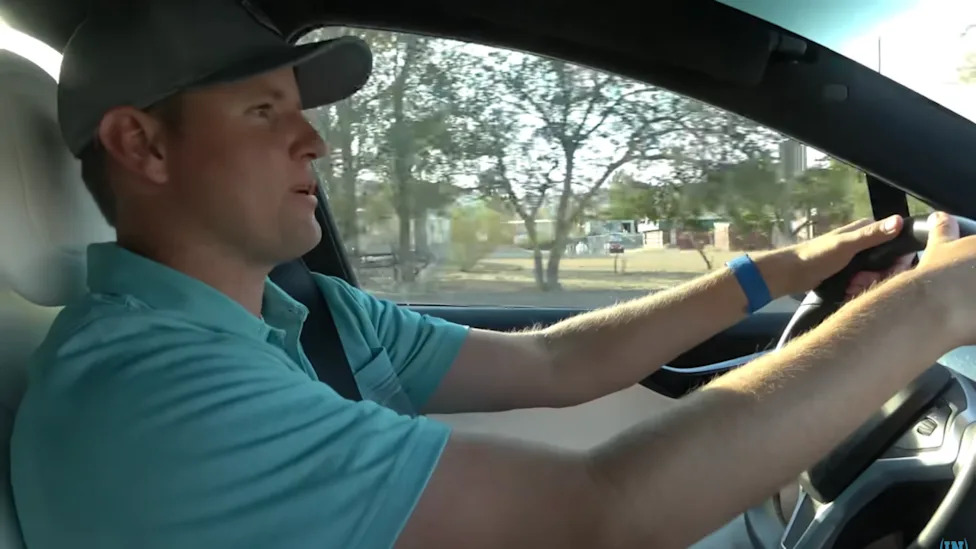
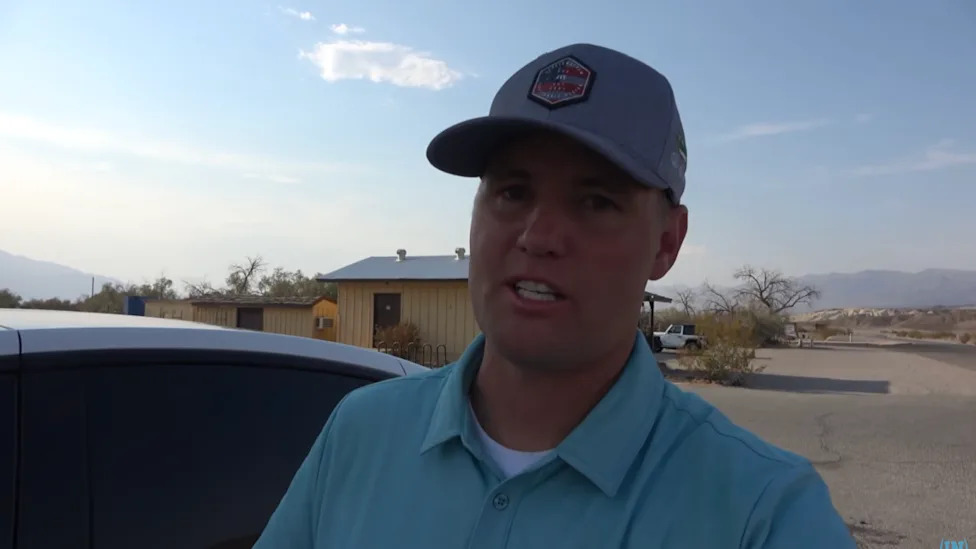
Image Credit: WHAT'S INSIDE? FAMILY/YouTube.For many Tesla owners, range anxiety is a familiar concern. But one American driver discovered that the fear becomes much more real when temperatures climb to a scorching 131°F.The YouTuber behind the WHAT'S INSIDE? FAMILY channel decided to put his Tesla Model 3 Long Range to the ultimate test by driving through California's Death Valley on his way to Las Vegas. While the electric sedan is normally capable of traveling around 260 to 270 miles on a charge, the brutal desert heat created conditions unlike anything he had experienced before.What began as a road trip quickly turned into a lesson about how extreme weather can affect electric vehicles and their batteries.Air Conditioning Became the Biggest EnemyAs temperatures soared, simply keeping the cabin cool became a major drain on the car's battery.AdvertisementAdvertisementThe Tesla was losing precious miles of range even while sitting still with the air conditioning running. The driver explained that operating an EV in such extreme heat was far from glamorous, especially in a place where charging stations are limited.Image Credit: WHAT'S INSIDE? FAMILY/YouTube."It is not the easiest life with a Tesla if you're in extreme temperature," he said, noting that the lack of a robust charging network in the area only added to the stress.Adding to the challenge were surface temperatures that were even hotter than the air itself. Door handles reportedly reached 185°F, while the road beneath the car was estimated to be approaching 200°F.Those conditions raised concerns about the effect such intense heat could have on the vehicle's battery system and overall efficiency.A Critical Decision on the Road to Las VegasEventually, the driver faced a difficult choice.AdvertisementAdvertisementHe could stop overnight at a resort and slowly recharge the Tesla, or he could make a detour to Beatty, Nevada, where a Supercharger station was available.Despite the extra distance, he opted for the second option. Thankfully, he arrived with 63 miles of range remaining and was able to recharge before continuing toward Las Vegas.Image Credit: WHAT'S INSIDE? FAMILY/YouTube.The experience left him relieved but also convinced that he wouldn't repeat the experiment."Don't take a Tesla on a road trip to 131-degree temperatures," he warned, adding that he couldn't recommend subjecting the car to those conditions.Extreme Temperatures Remain a Challenge for EVsThe Death Valley adventure highlights a well-known issue facing electric vehicles. While modern EVs have become increasingly capable, both extreme heat and freezing temperatures can have a noticeable impact on battery performance and driving range.AdvertisementAdvertisementManufacturers continue to improve battery technology and thermal management systems, and newer models are becoming better equipped to deal with harsh climates. However, this journey proved that even advanced electric cars can struggle when pushed to the limits.For this Tesla owner, the lesson was simple: some road trips are worth taking only once.And when temperatures are high enough to make a door handle nearly too hot to touch, it might be wiser to choose a cooler destination altogether.




















 +31 others