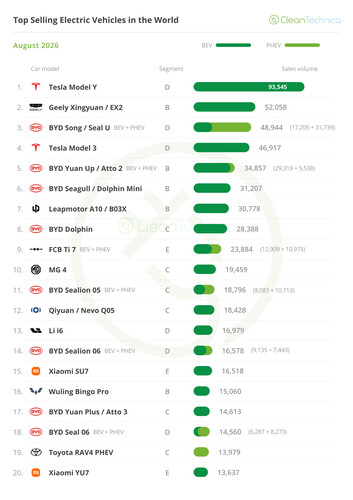
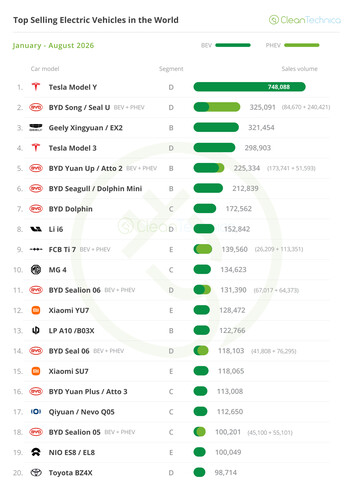
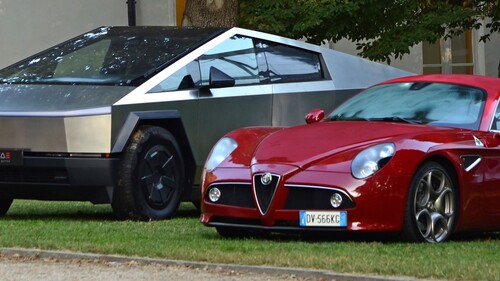
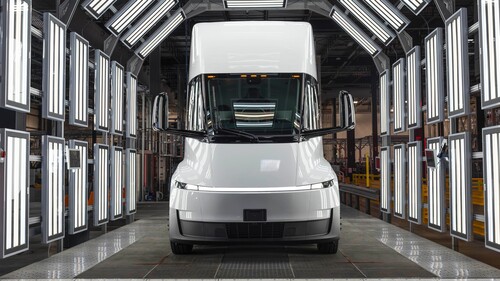
Connor Young · 4 months ago@connoryoung51Tesla Cybertruck Seized by UK Police After Driver Takes Illegal Vehicle on Public Roads Liked by+35 othersPost commentRelated PostsTop Selling Electric Vehicles in the World — 27% EV Share in August!Alexander Mitchell · 19 days agoAustralian Plugin Vehicle Sales, September Update — Are Mainstream Media Finally Waking Up?Jackson Labelle · 11 days agoThe Beauty And The Stainless Beast: Alfa Romeo 8C Hangs Out With Tesla CybertruckAiden Leblanc · 20 days agoStudy Finds Many New Cars Share Your Data With Third-Party CompaniesAdam Turner · 11 days agoTesla Semi: Diesel Killer or Giant Cybertruck?Emily Mitchell · 21 days agoAll the Great Car Names Have Been TakenAva Labelle · 12 days agoYouTuber Turns a Tesla Cybertruck Into 24K Solid Gold—And It Cost a FortuneAudrey Wright · 21 days agoBack in the real world: electric equipment is saving job sites BIG MONEYMia Walker · 12 days agoCybertruck Coated in $60,000 Worth of 24-Karat Gold Sold for Shockingly Low Amount at AuctionZoë Labelle · 21 days agoAs electric semi truck race heats up, SoCal is getting another charging hubAudrey Wilson · 12 days agoMan Surprised After His Gold-Plated Tesla Cybertruck Sells For a Lot Less Than ExpectedRyan Anderson · 22 days agoTesla owner drove 1,857 miles in 31 days, says charging cost $136 and saved $235 on gasClaire Fortin · 12 days agoThe Tesla Model 3 Gets A Big Upgrade, But The U.S. Is Left OutAmélie Turner · 22 days ago6 New Cars With Payments That Cost Less Than $500 Per MonthOliver Lewis · 12 days agoElon Musk's Car Collection: A Crashed McLaren, a Bond Submarine and a Roadster in Deep Space 13 · Charlotte White · 23 days agoKia Bets the $30,000 EV3 Becomes Its Top U.S. SellerJenna Carter · 12 days agoYour Car Is Sharing More Private Data Than Your Smartphone. Who’s Getting It? 93 · Amélie Green · 23 days agoThe GAC Aion V Looks Odd But Is Incredible Value | ReviewAudrey Nelson · 12 days agoHe Turned a Dumpster Into a Drivable Fake Cybertruck and Camped Outside a Tesla Dealership 88 · Madeleine Martin · 23 days agoHonda Is Burying 150-kW Wireless Chargers Under Japanese Highways, and Big Rigs Are the TargetKaitlyn Moreau · 13 days ago


 +35 others+35 others
 +35 others