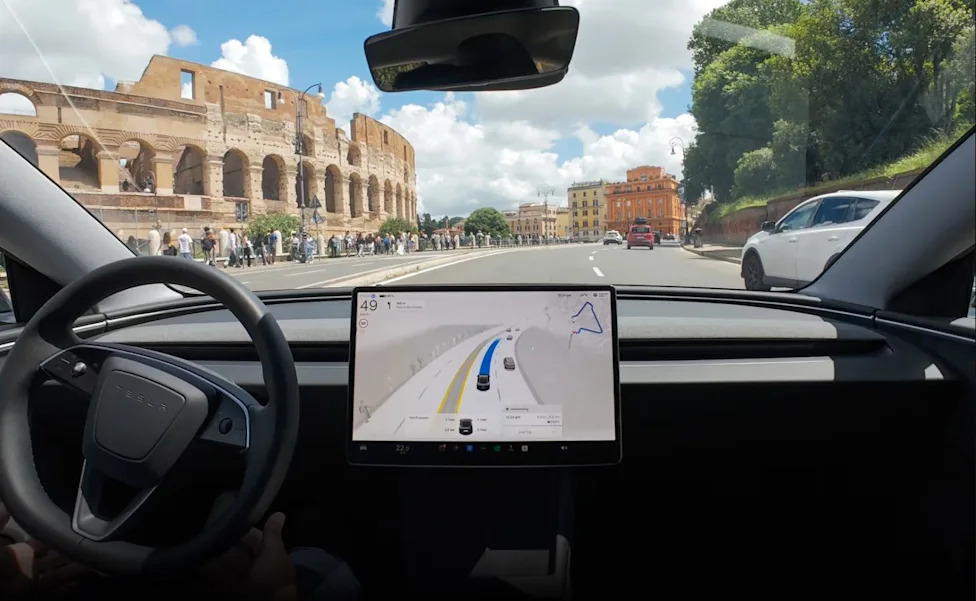
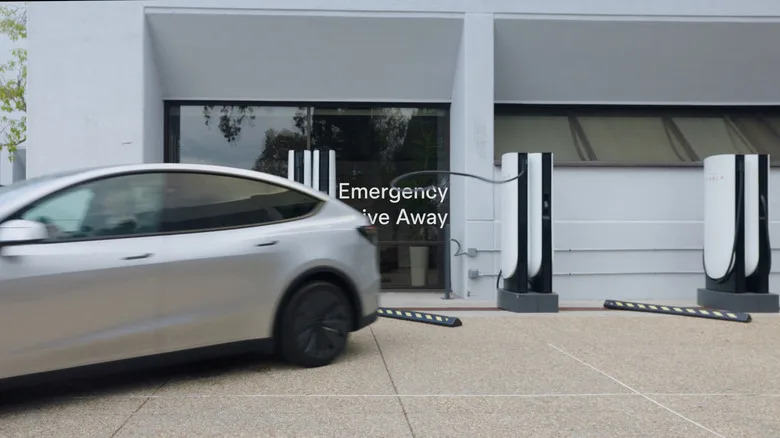
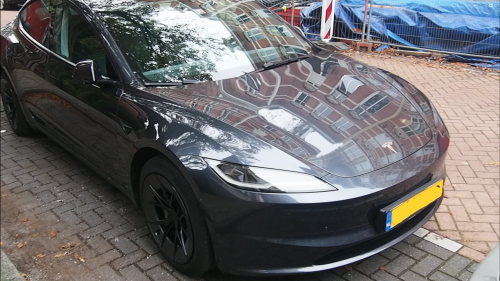
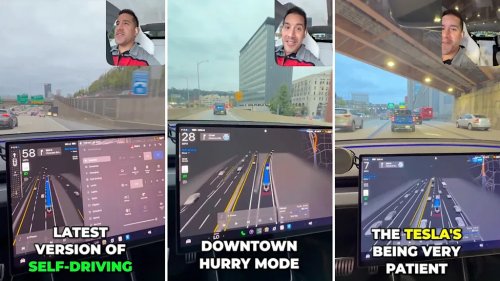
Image: TeslaWhen a company submits its own safety statistics to regulators, the credibility of those numbers depends entirely on methodology — and Tesla's reportedly don't hold up to scrutiny. A Reuters investigation published June 15, 2026, found that Tesla submitted self-produced FSD safety figures to regulators in Sweden and the Netherlands while seeking European approval for its Full Self-Driving software. Those numbers relied on the same methodological sleight of hand that independent experts had been flagging for months. Dutch regulator RDW approved FSD (Supervised) anyway, back in April. For broader context on Tesla Under Investigation for regulatory scrutiny, the pattern runs deeper than a single approval.The Numbers Tesla PitchedA "7x safer" claim that crumbles once you read the fine print.Tesla policy manager Ivan Komusanac told Swedish regulators that FSD-equipped Teslas drive more than seven times farther between crashes than the average U.S. driver. A companion slide projected that widespread FSD adoption could have saved 32,000 lives and prevented 1.9 million injuries. Staggering figures — until you look at how they were built:AdvertisementAdvertisementCrash-category mismatch: Tesla counts only severe airbag-deployment crashes in its own fleet, then compares that figure against the broader U.S. crash rate, which includes minor fender-benders. Reuters calculated this comparison alone inflates the claimed safety advantage by roughly 3x.Fleet age bias: The average U.S. vehicle is about 12.8 years old. The average Tesla is around 4.1 years old. Newer cars crash less often regardless of what software runs on them.Fantasy modeling: The 32,000 lives-saved figure assumes every U.S. vehicle — freight trucks, motorcycles, your neighbor's aging sedan — gets replaced by an FSD-equipped Tesla. Researchers told Reuters this transforms empirical data into speculative marketing.That last one is essentially comparing your Duolingo streak to native-speaker fluency and calling it proof of mastery."Full of marketing puffery, and not a serious safety analysis," said Phil Koopman, a Carnegie Mellon University professor who reviewed the data. Ten of eleven independent traffic-safety researchers consulted by Reuters reached the same conclusion. The Insurance Institute for Highway Safety classifies systems like FSD as convenience features, not proven safety tools. Tesla did not respond to Reuters' request for comment.Who's Actually Checking the Math?European regulators face hard questions about vetting safety-critical AI using data they cannot independently verify.AdvertisementAdvertisement"Give the data to a university, have it independently verified by a qualified researcher, and then let's talk," Dudley Curtis of the European Transport Safety Council told Reuters. His concern is well-founded. A Norwegian Public Roads Administration official noted Tesla's figures are "self-produced," making them nearly impossible to cross-reference with official accident statistics.Key methodology details remain redacted even in Tesla's filings to NHTSA — an opacity Koopman says no other company in the autonomous-vehicle space practices. RDW says it conducted its own road and track tests before approving FSD in the Netherlands, but the regulator has not published an independent crash-rate analysis. It is now pursuing broader EU-wide authorization.European regulators now face a clear test case: whether self-certified safety data can meet the evidentiary bar required for approving AI-driven vehicle systems. For Tesla's safety claims to carry weight across Europe, independent academic verification isn't a courtesy request — it's the price of admission.From the coolest cars to the must-have gadgets, GadgetReview's daily newsletter keeps you in the know. Subscribe - it's fun, fast, and free.