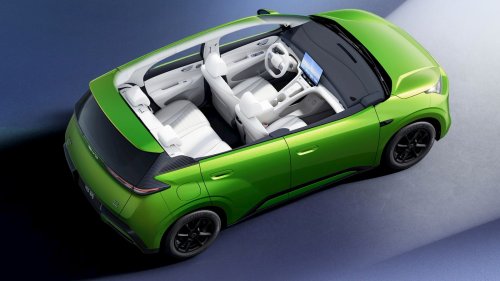
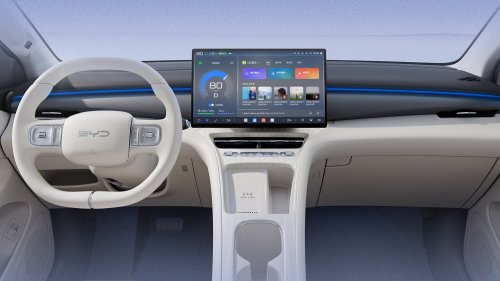
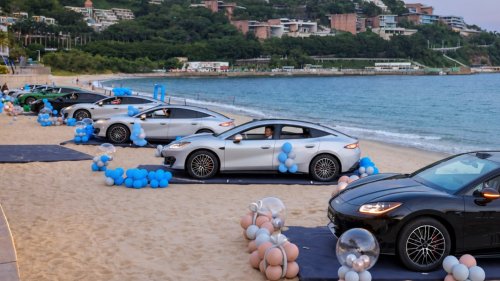
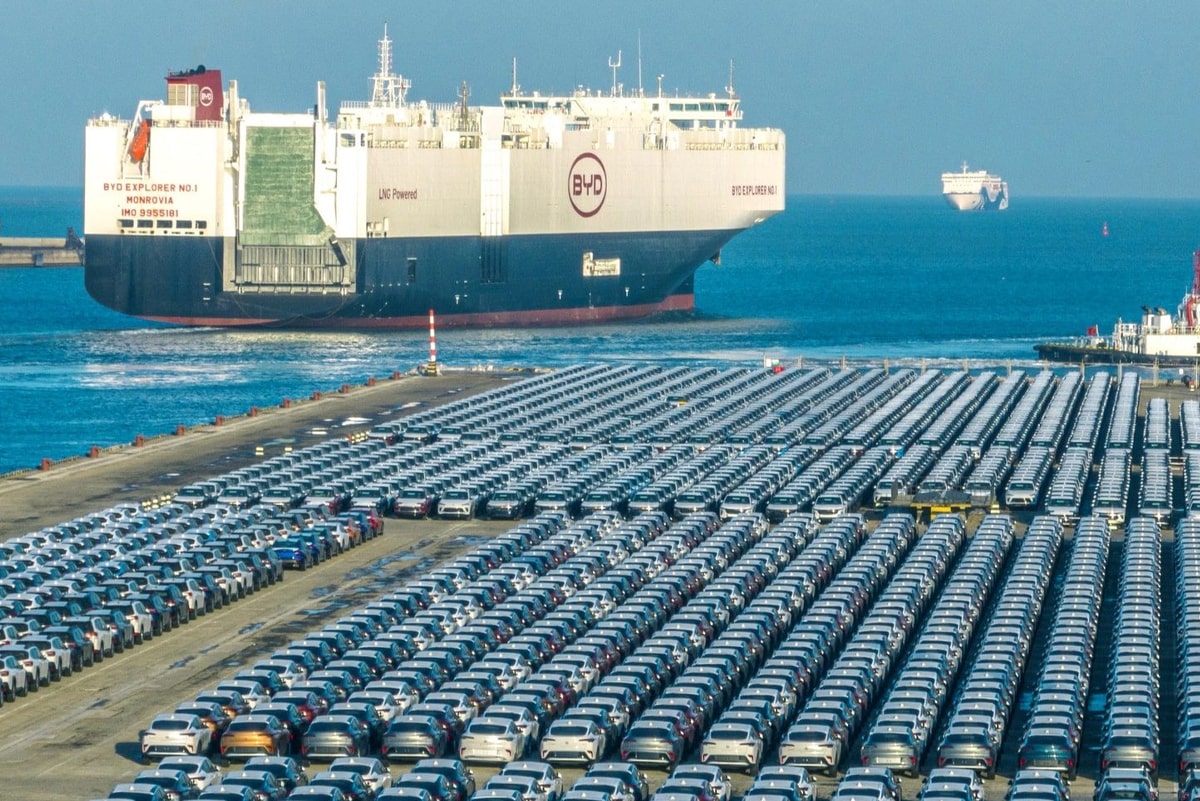
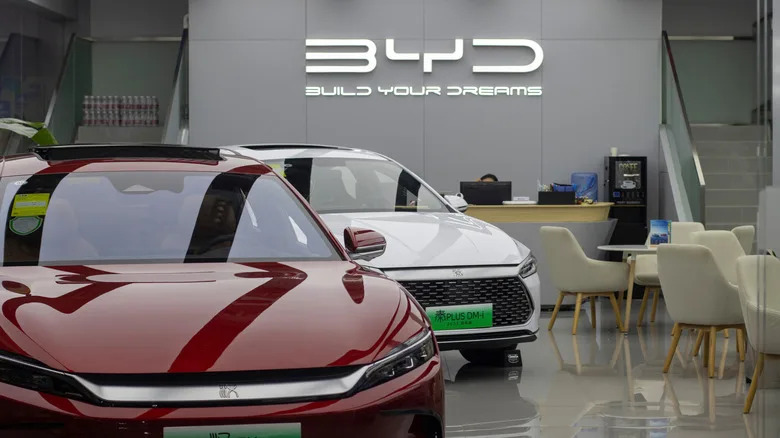
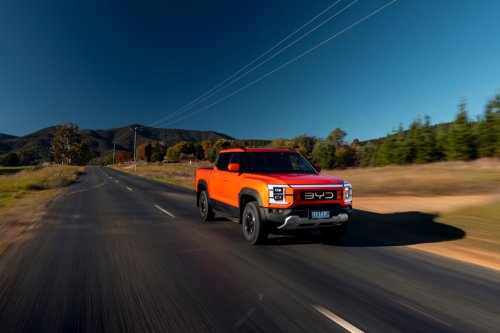
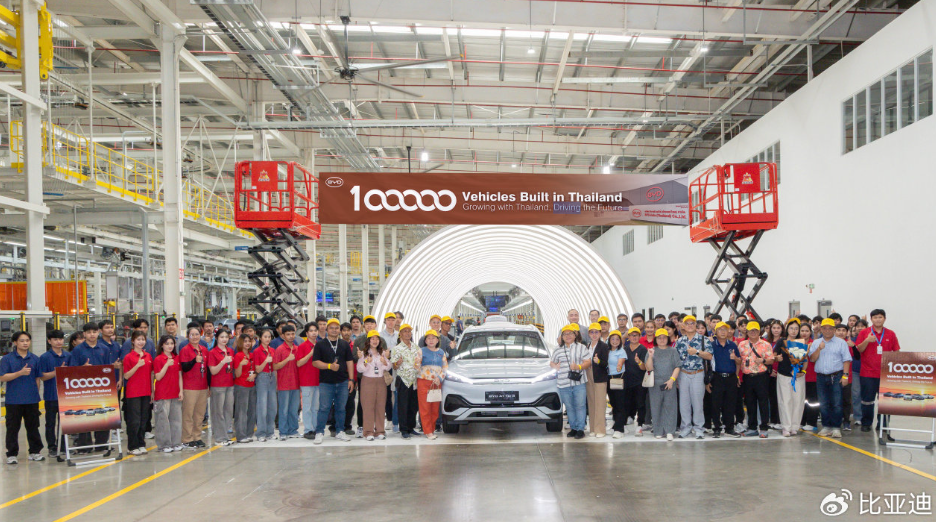
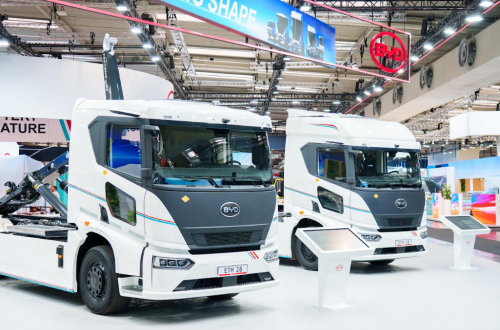
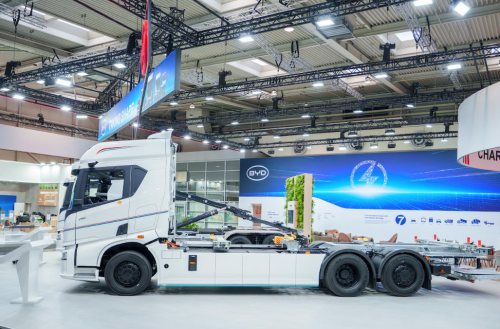
Image: BYDThe impact of EU tariffs on electric vehicles from China is clearly measurable, according to a T&E analysis. In the first quarter of 2026, 17 per cent of battery-electric vehicles in the EU market originated from China, down from a peak of 22 per cent in 2024, when the tariffs were introduced. In other words, the EU market share of electric vehicles manufactured in China has declined. However, a closer look reveals a more nuanced picture. T&E notes that this decline is primarily due to Western brands producing fewer vehicles in China—and consequently importing fewer into the EU. Meanwhile, imports of Chinese-branded vehicles into the EU “continue to rise”.The organisation states verbatim: “The decline is primarily due to Western brands such as Tesla, BMW, and Volvo shifting their production from China to Europe. The share of European manufacturers in Chinese battery-electric vehicle imports fell from 38 per cent in 2024 to 23 per cent in the first quarter of 2026.” During the same period, Tesla’s share, for example, dropped from 26 per cent to 19 per cent. Chinese automakers, in contrast, now account for ‘more than half of China’s battery-electric vehicle imports’.Chinese brands respond differentlyMeanwhile, the EU tariffs on Chinese brands have not been without effect. Chinese battery-electric vehicle manufacturers have adapted to the tariffs, albeit with varying results depending on the duty rate, according to the T&E study. Battery-electric vehicle imports from SAIC, which faces a tariff rate of 35 per cent (plus a 10 per cent base duty), nearly halved between 2023 and 2025. In this case, the desired effect has been achieved. However, manufacturers like BYD, subject to a 17 per cent tariff (plus a 10 per cent base duty), have more than doubled their battery-electric vehicle imports into the EU. © T&EFurthermore, despite the tariffs, battery-electric vehicles from Chinese brands remain 21 per cent cheaper than those from European manufacturers, according to the T&E analysis. In response to the tariffs, Chinese manufacturers are also shifting a larger portion of their battery-electric vehicle production to Europe. “Since the Commission President announced an anti-subsidy investigation in September 2023, 10 planned production sites have been announced,” the report states.Additionally, Chinese manufacturers have shifted their exports towards plug-in hybrids as another response to the tariffs. This trend has been observed for some time, but T&E now provides further evidence: Chinese brands now hold a 13 per cent share of the EU’s plug-in hybrid market, up from 3 per cent in 2024.Battery imports have septupled since 2020Meanwhile, Chinese battery imports—which face virtually no tariffs—have surged. According to T&E, they have septupled between 2020 and 2025. Moreover, less than a quarter of batteries produced within the EU come from European manufacturers. “Their future is uncertain, as they compete with cheaper imported batteries and for access to the necessary raw materials,” the study’s authors summarise. Asian manufacturers also hold a technological lead in many areas of battery production.Lucien Mathieu, Cars Director at T&E, said: “The EU tariffs worked up to a point. Western carmakers moved production to Europe and Chinese manufacturers started to onshore. But European companies’ competitiveness in EV and battery technology is still at stake. The car CO2 standards are the key to building the market for EVs in Europe, but if the EU wants to build a strong domestic battery supply chain, a combination of incentives and protection will be needed.”T&E recommends higher tariffs on batteries from ChinaThe background is that batteries manufactured in China and imported into the EU are currently subject to ‘an extremely low tariff rate’, as T&E puts it. Additional trade barriers would help European battery manufacturers succeed in the domestic market without slowing the transition to battery-electric vehicles, according to the analysts. “A 20 per cent tariff on Chinese batteries would increase the price of EU-manufactured battery-electric vehicles by an average of only 2.8 per cent.”T&E further advocates for Germany to support two EU initiatives: the Industrial Accelerator Act and the regulation for corporate fleets (‘Clean Corporate Vehicles Regulation’). The organisation describes both as pillars ‘to create a strong market for EU-manufactured battery-electric vehicles and batteries.’ A critical factor is maintaining planning security for the EU automotive sector and advocating for the retention of fleet limits. The European Commission, however, intends to weaken these. Seven EU member states are resisting this move, while Germany, Italy, and the Czech Republic are among those in favour of weakening the targets.transportenvironment.org

















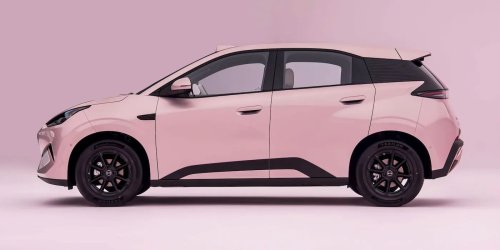
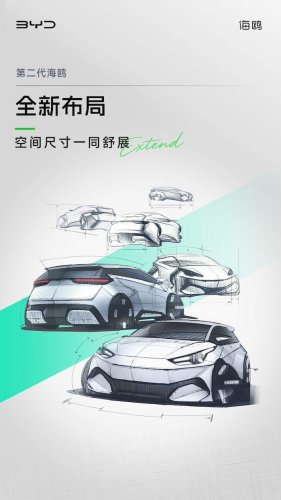
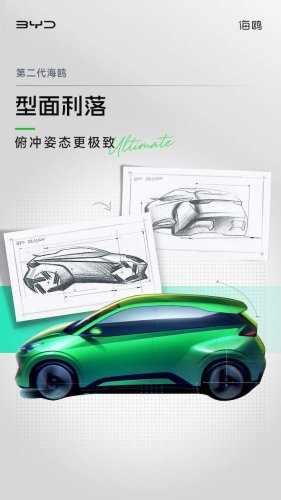
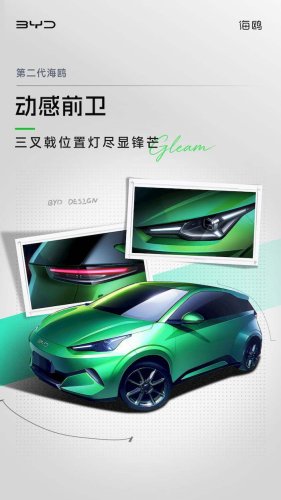
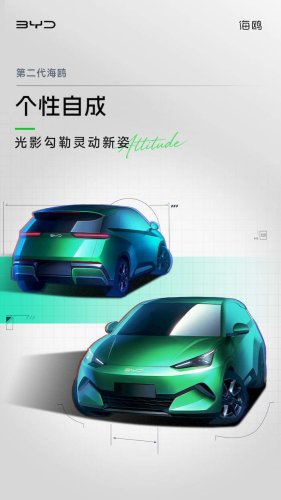
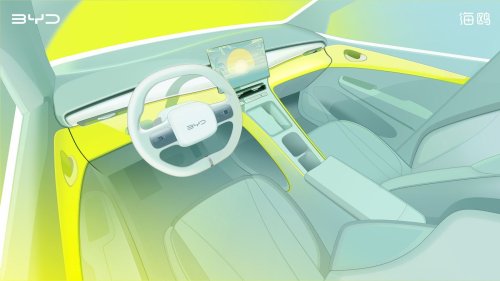



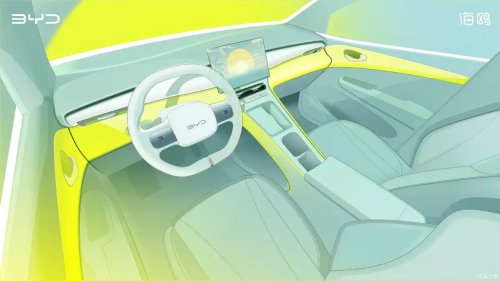
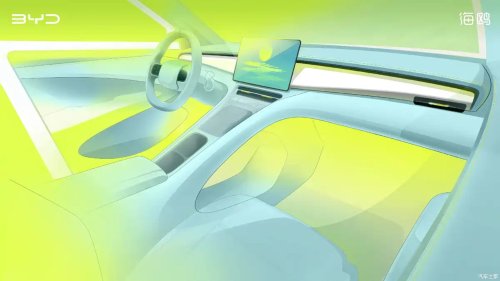
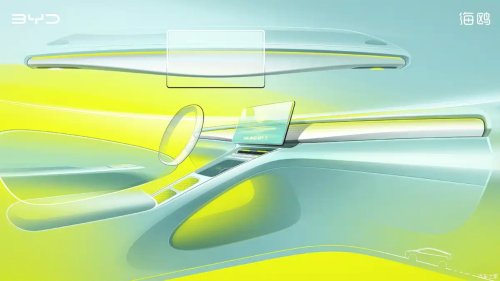
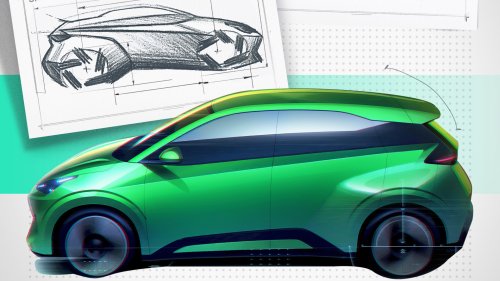
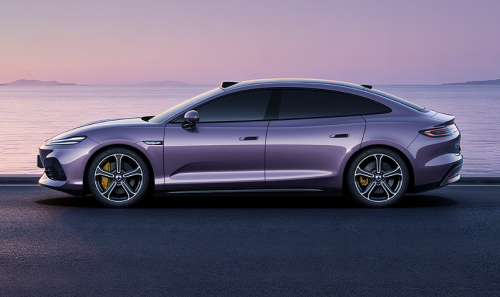
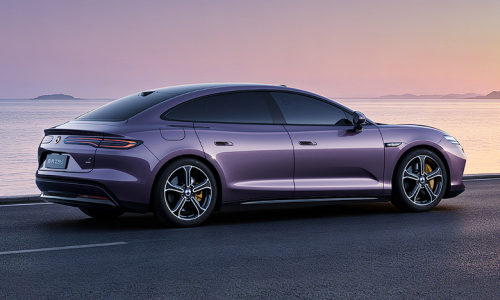
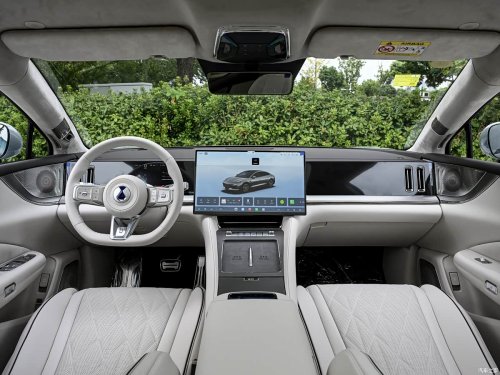
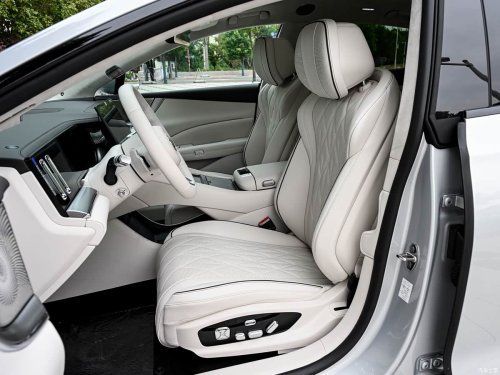
![BYD, BYD Seagull, BYD offers a closer look at the new Seagull EV [Images]](https://cdn.topcarnews.net/thumb/id/aHR0cHM6Ly9pMC53cC5jb20vZWxlY3Ry-ZWsuY28vd3AtY29udGVudC91cGxvYWRz-L3NpdGVzLzMvMjAyNi8wOS9CWUQtbmV3-LVNlYWd1bGwtRVYtdXBkYXRlLmpwZWc_-dz0xNTAwJmFtcDtxdWFsaXR5PTgyJmFt-cDtzdHJpcD1hbGwmYW1wO3NzbD0x/9c0b758dc4a218f611566b2a03c52e8a.jpeg?t=20261005&post_id=64651)
![BYD, BYD Seagull, BYD offers a closer look at the new Seagull EV [Images]](https://cdn.topcarnews.net/thumb/id/aHR0cHM6Ly9lbGVjdHJlay5jby93cC1j-b250ZW50L3VwbG9hZHMvc2l0ZXMvMy8y-MDI2LzA5L0JZRC1uZXctU2VhZ3VsbC1F-Vi0xLmpwZWc_c3RyaXA9aW5mbyZhbXA7-dz03MDA/9f44752c6c4b6208b3a29d7e2ceaf455.jpeg?t=20261005&post_id=64651)
![BYD, BYD Seagull, BYD offers a closer look at the new Seagull EV [Images]](https://cdn.topcarnews.net/thumb/id/aHR0cHM6Ly9lbGVjdHJlay5jby93cC1j-b250ZW50L3VwbG9hZHMvc2l0ZXMvMy8y-MDI2LzA5L0JZRC1uZXctU2VhZ3VsbC1F-Vi0zLmpwZWc_c3RyaXA9aW5mbyZhbXA7-dz03MDA/53e754be2aacba076b7b389ef9413f41.jpeg?t=20261005&post_id=64651)
![BYD, BYD Seagull, BYD offers a closer look at the new Seagull EV [Images]](https://cdn.topcarnews.net/thumb/id/aHR0cHM6Ly9lbGVjdHJlay5jby93cC1j-b250ZW50L3VwbG9hZHMvc2l0ZXMvMy8y-MDI2LzA5L0JZRC1uZXctU2VhZ3VsbC1F-Vi5qcGVnP3N0cmlwPWluZm8mYW1wO3c9-NzAw/3b0cb7f441d090c464769d93120d8543.jpeg?t=20261005&post_id=64651)
![BYD, BYD Seagull, BYD offers a closer look at the new Seagull EV [Images]](https://cdn.topcarnews.net/thumb/id/aHR0cHM6Ly9lbGVjdHJlay5jby93cC1j-b250ZW50L3VwbG9hZHMvc2l0ZXMvMy8y-MDI2LzA5L0JZRC1uZXctU2VhZ3VsbC1F-Vi0yLmpwZWc_c3RyaXA9aW5mbyZhbXA7-dz03MDA/ea2b4ebf38c4e9bf732d179d639b1562.jpeg?t=20261005&post_id=64651)
![BYD, BYD Seagull, BYD offers a closer look at the new Seagull EV [Images]](https://cdn.topcarnews.net/thumb/id/aHR0cHM6Ly9lbGVjdHJlay5jby93cC1j-b250ZW50L3VwbG9hZHMvc2l0ZXMvMy8y-MDI2LzA3L0JZRC1TZWFndWxsLUVWLXVw-ZGF0ZS0zLmpwZWc_c3RyaXA9aW5mbyZh-bXA7dz0xNDAw/02a0f7b5011767092a1ea11a79495fc7.jpeg?t=20261005&post_id=64651)