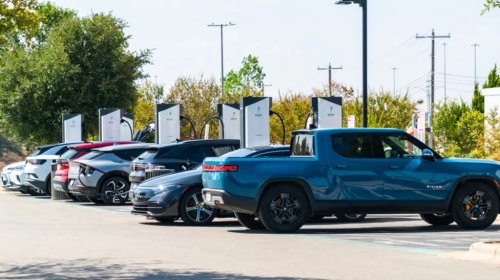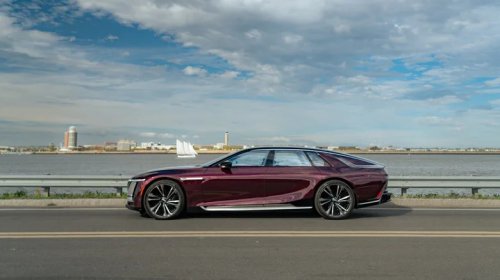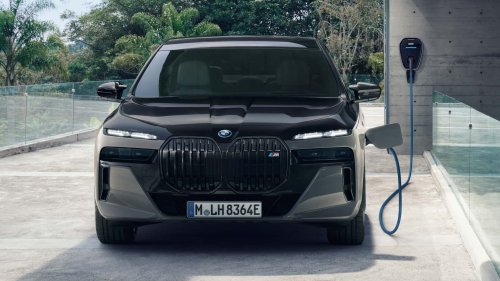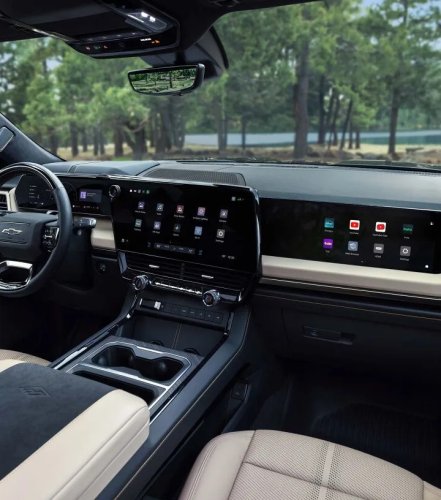

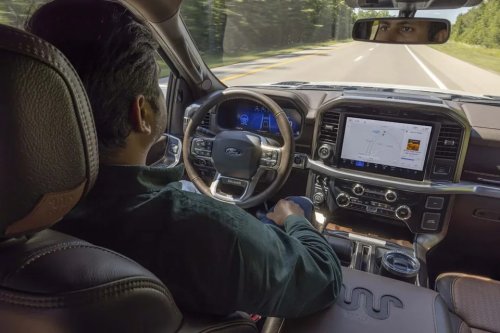
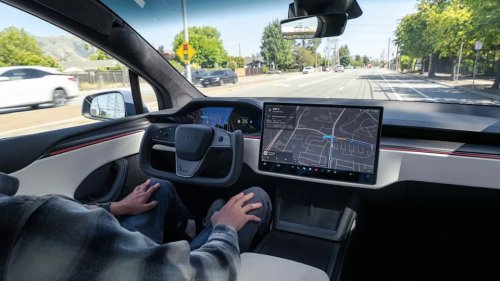
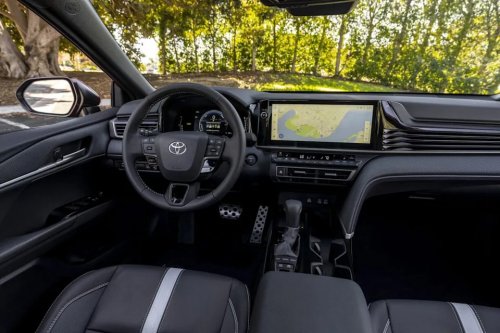



















study says connected cars are absolutely selling your personal dataIf you've bought a new car in the last decade, you've probably noticed your dashboard turning into a glorified, rolling iPad. Between giant touchscreen displays, over-the-air updates, and slick companion smartphone apps, modern vehicles are constantly connected. But while your car is downloading traffic updates and weather reports, it's also broadcasting an impressive amount of your personal data back out to the world-and straight into the hands of third-party advertisers.According to a comprehensive joint study by Northeastern University and Consumer Reports, nearly every major automaker selling vehicles in the United States is actively sharing owner data with outside tracking and advertising companies.The researchers tested 21 late-model vehicles from 13 major automakers-including General Motors, Ford, Tesla, Stellantis, Toyota, and Rivian-alongside 30 companion mobile apps. Using a specialized Wi-Fi access point to intercept and analyze outbound data traffic, the team discovered that 19 of the 21 cars tested were actively sending data off to third-party domains.Related Videostudy says connected cars are absolutely selling your personal dataFrom Your Garage Straight to Big TechThe study put vehicles through static idling tests, dynamic driving runs, and even sealed 11 electric vehicles inside a massive Faraday tent to block cellular signals and force data through Wi-Fi.What they found wasn't just basic diagnostic data going back to the factory floor. The vehicles-and especially their companion apps-were pinging a web of tracking and advertising companies. Seven of the 30 tested mobile apps transmitted sensitive identifiers, including precise GPS locations, vehicle identification numbers (VINs), phone numbers, and email addresses directly to third parties. On average, using a car's companion app roughly doubled an owner's exposure to advertising trackers.Vehicles from Tesla and General Motors, such as the Cybertruck and Cadillac Lyriq, shared data with third parties at significantly higher rates than rivals. Among the top corporate recipients of this vehicle-generated data were tech giants like Alphabet, Meta, Amazon, Microsoft, Pinterest, and Reddit."We found that vehicles, under a variety of real-world settings, contact not only a wide range of first parties (i.e., manufacturer domains) and car-specific support parties, but also third parties that are known to provide advertising and tracking services," the study's authors concluded.study says connected cars are absolutely selling your personal dataPassing the Buck to the DriverWhen researchers reached out to 17 automakers to confront them with the findings, the responses were predictably corporate.Of the 14 manufacturers that replied, most hid behind broad third-party service contracts, claiming all data flows complied with existing agreements. Seven automakers went a step further, laying the blame squarely on the consumer. Their argument? It's up to individual drivers to read through dozens of pages of fine-print terms and conditions for every third-party service integrated into their dashboard.Of course, opting out isn't as simple as clicking "decline." If a driver refuses to sign those expansive data-sharing agreements, automakers frequently disable core features-including integrated navigation, advanced driver-assistance systems, or even critical over-the-air safety updates.Honda stood out as the lone bright spot among the group, actively adjusting its data practices during the study to stop sending precise GPS location data to third-party tracking companies.study says connected cars are absolutely selling your personal dataWhy Your Data Matters at the Pump and the BankThe gap between what automakers claim they collect and what actually leaves the vehicle over the airwaves remains massive. And the real-world consequences for drivers go far beyond targeted banner ads.As separate reporting from Consumer Reports highlights, this aggregated vehicle data is increasingly bought and sold by banks, insurance companies, lenders, and retailers. That information is used to build detailed consumer profiles-tracking where you drive, where you shop, and how you behave behind the wheel-often without your explicit knowledge or consent.For now, unless you're driving a stripped-back, analog weekend cruiser, simply turning the key means accepting that your car is watching you just as closely as you're watching the road.Become an AutoGuide insider. Get the latest from the automotive world first by subscribing to our newsletter.