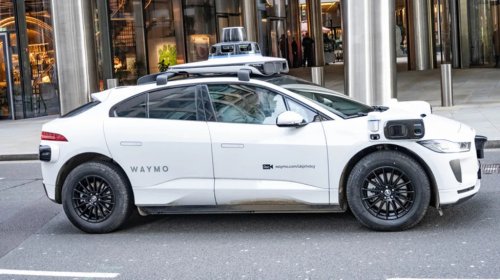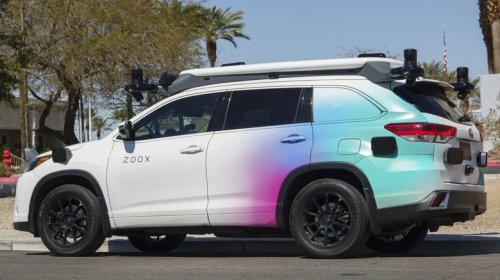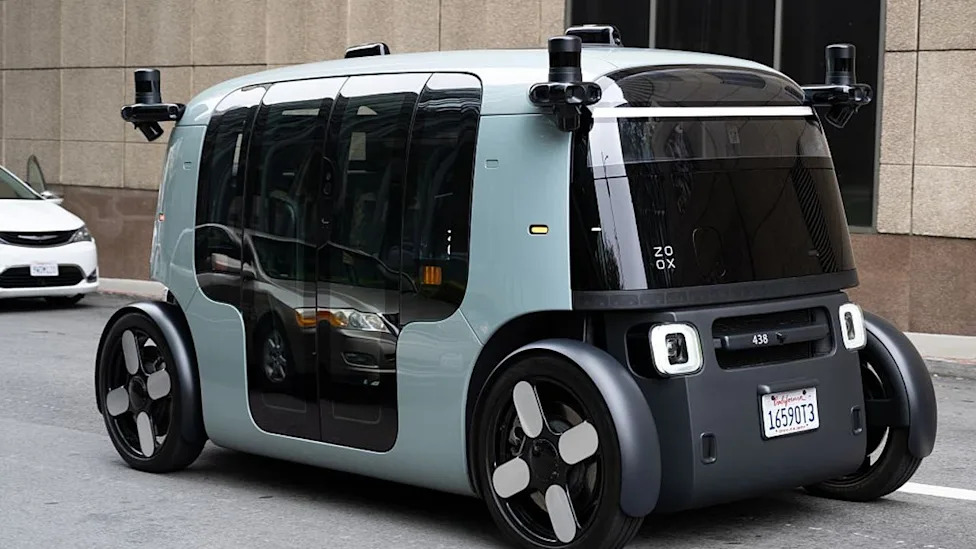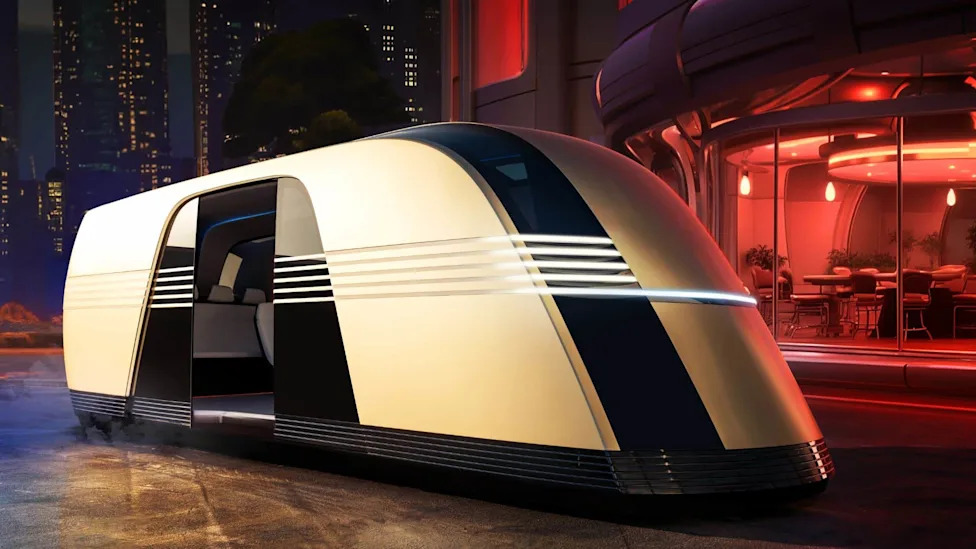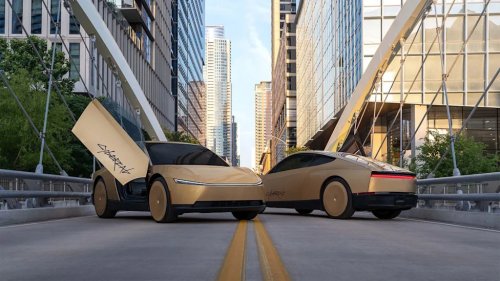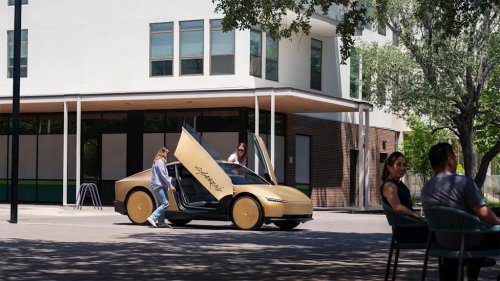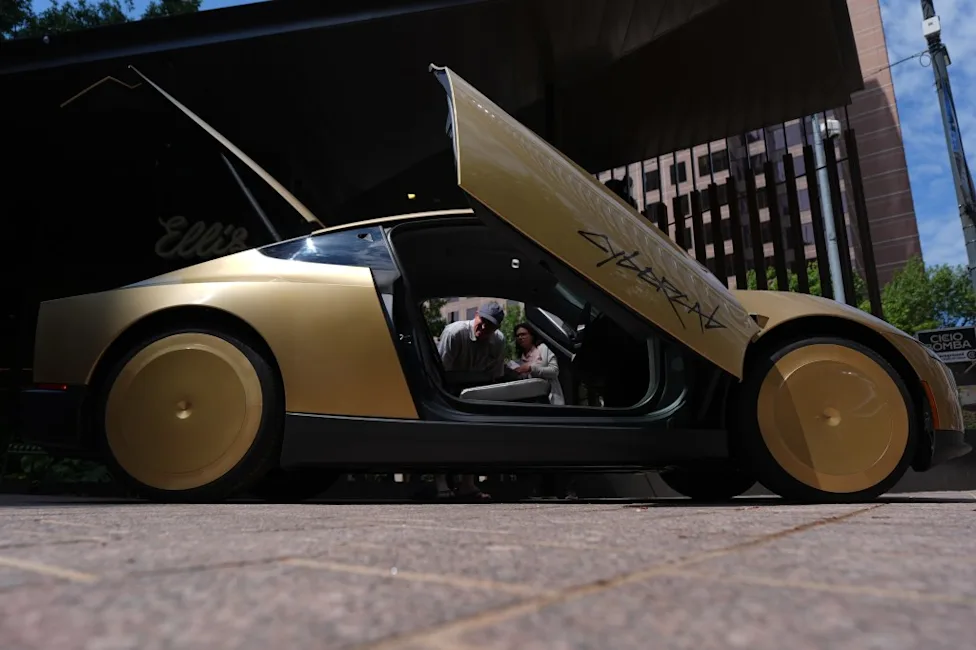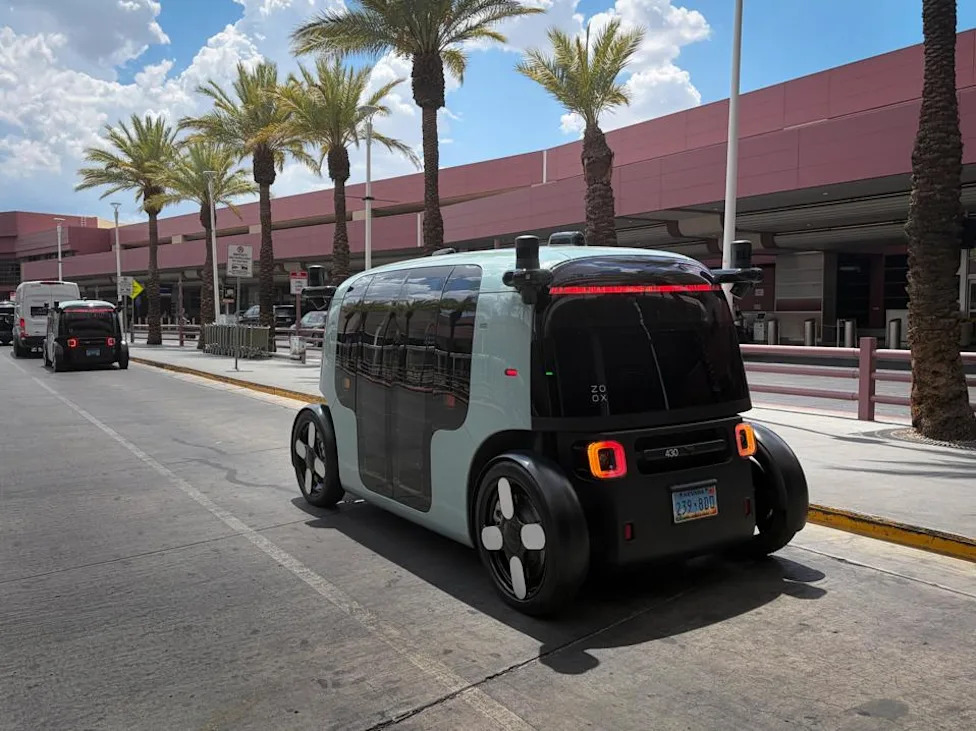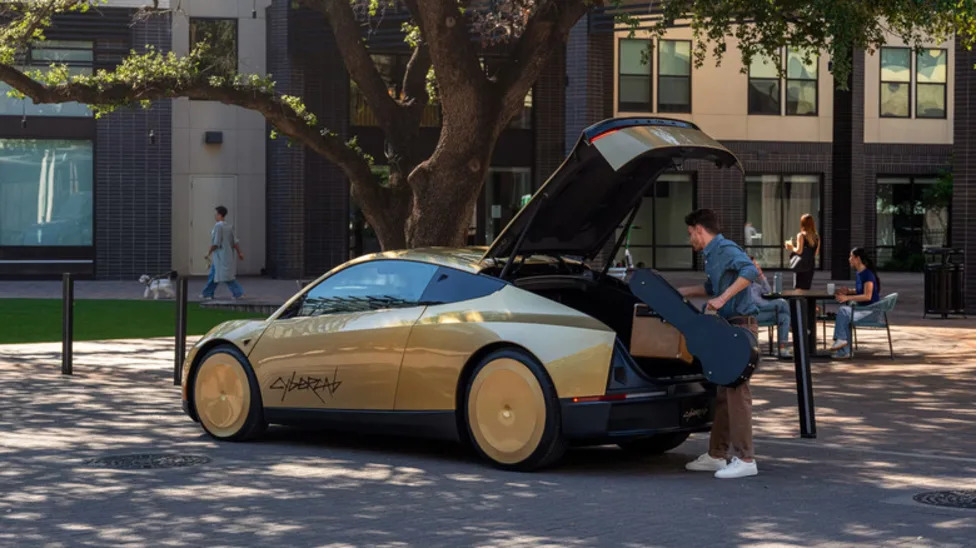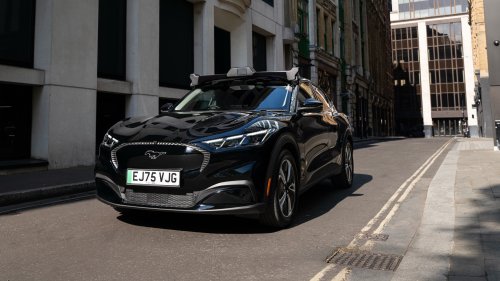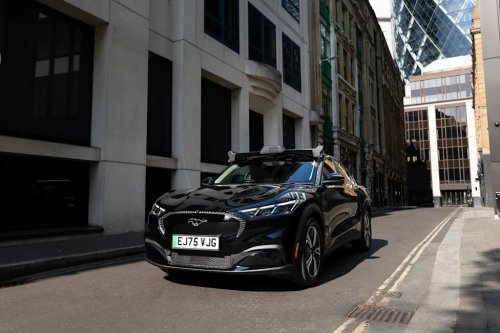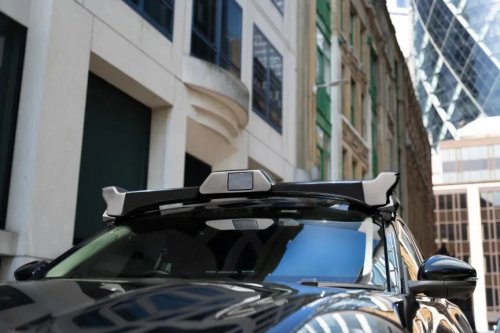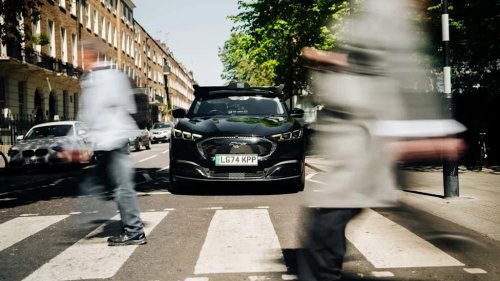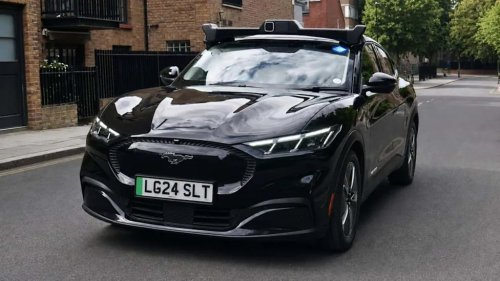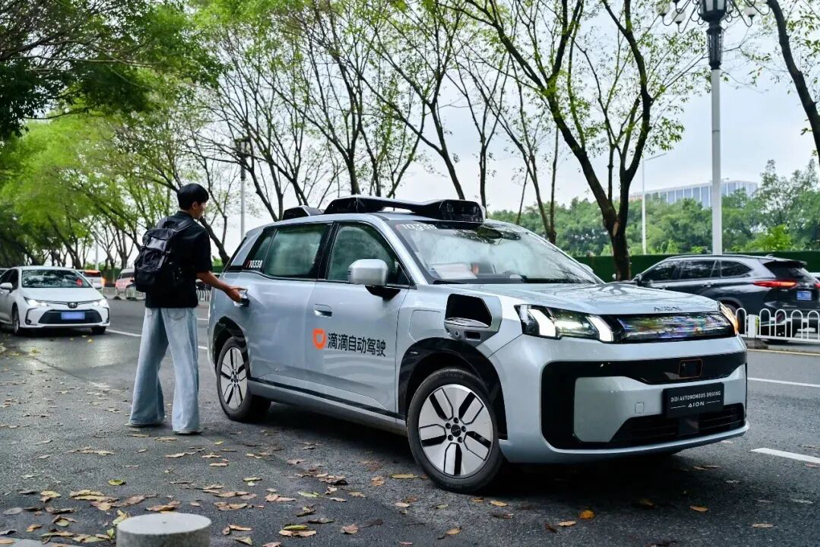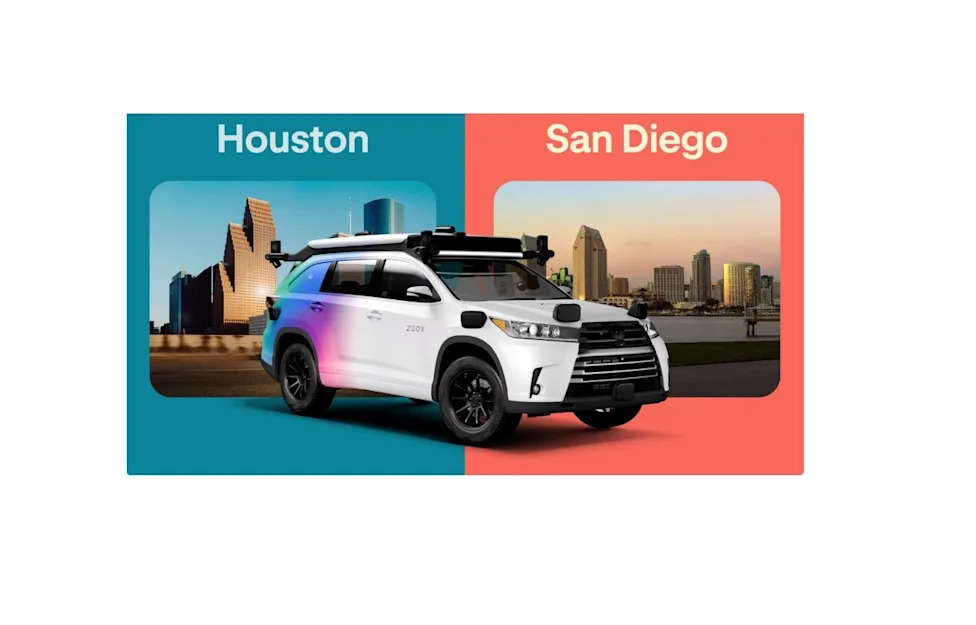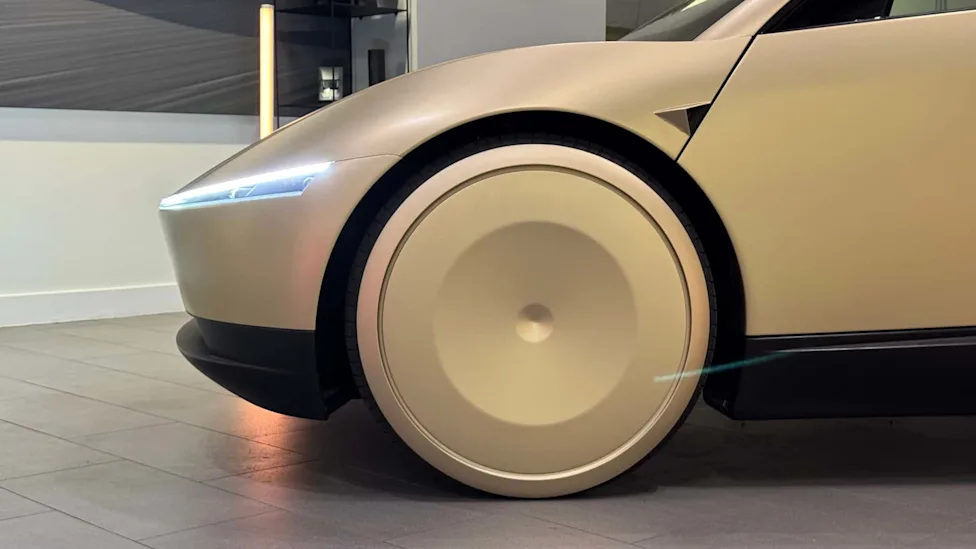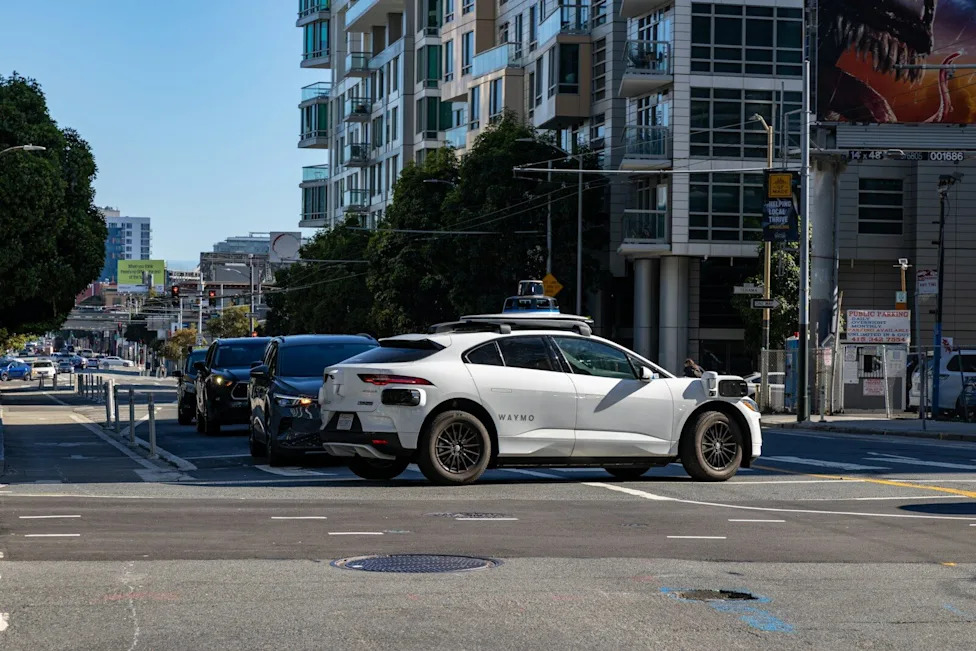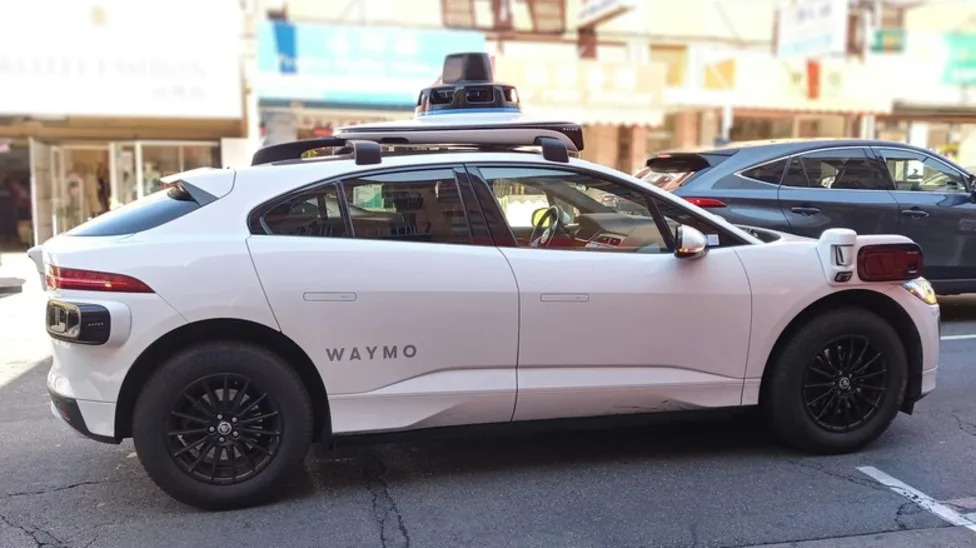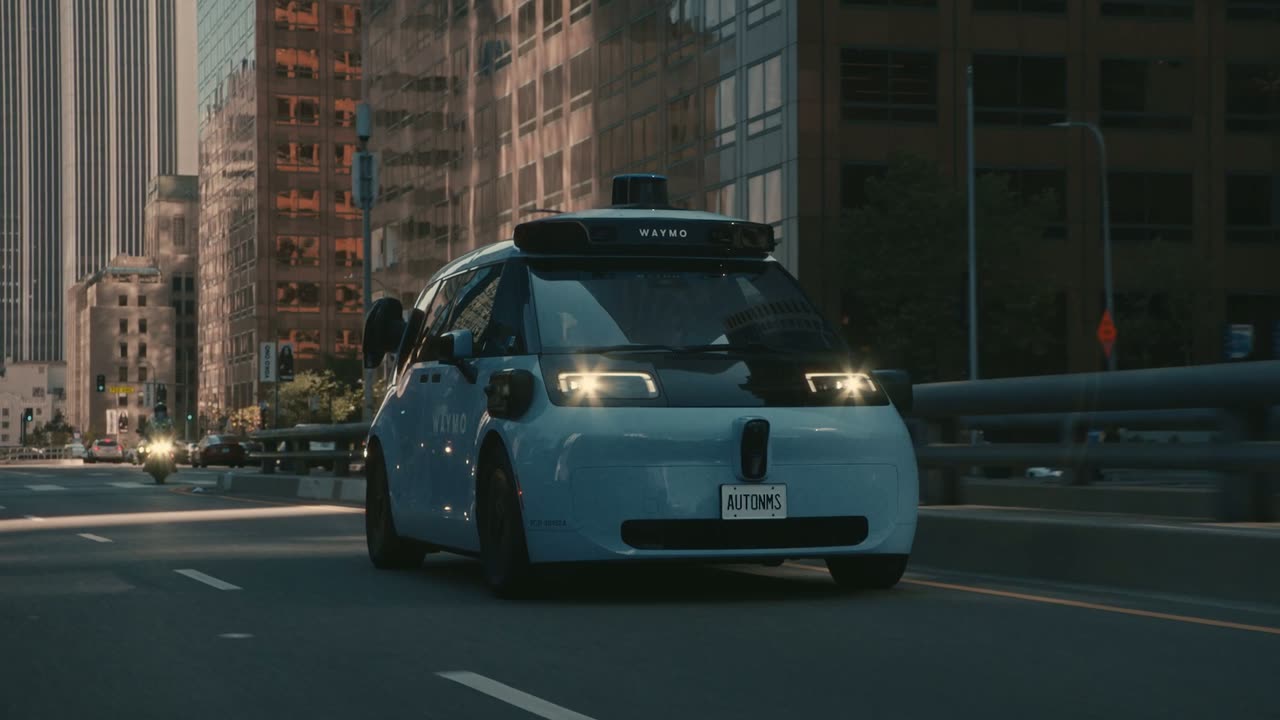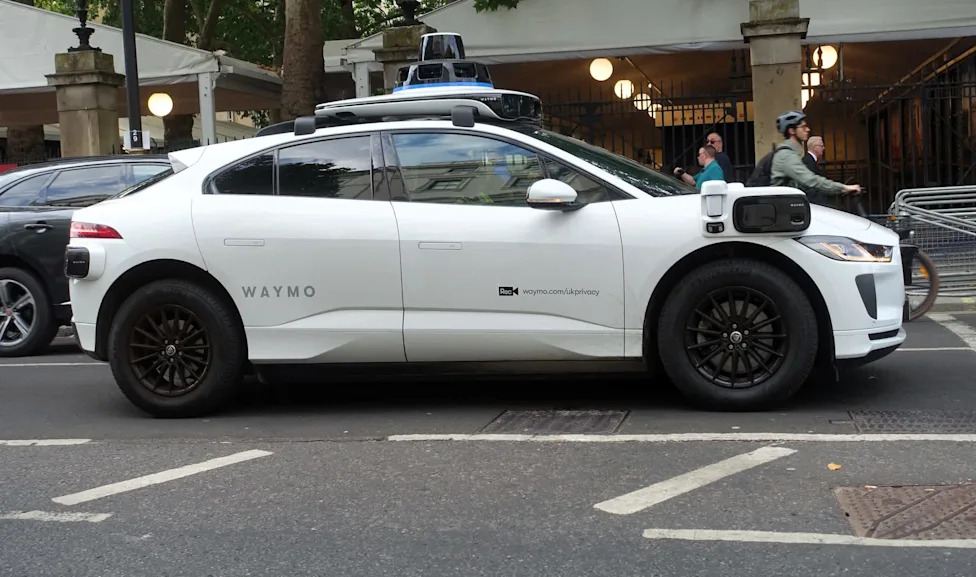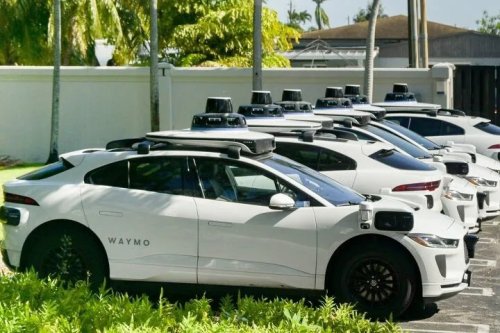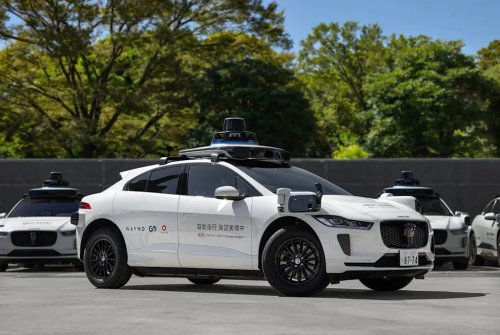



















Robotaxis Are About to Be Absolutely EverywhereAutoGuide.comColum WoodWed, September 16, 2026 at 6:47 PM UTCAdd us on Googlerobotaxis are about to be absolutely everywhereThe era of autonomous ride-hailing has officially crossed over from science-fiction prototype to the single largest catalyst shaping the future of global energy and transportation.According to data highlighted in ChargePoint's Charging Forward - 2026 Industry Report and BloombergNEF's Electric Vehicle Outlook 2026, autonomous vehicles are rapidly transitioning from early urban pilots into an overwhelming commercial presence. The build-out is no longer a distant projection. It is happening right now, on city streets and it is on track to rewrite the entire economics of electric vehicle charging.The Unprecedented Surge: By the NumbersWhen autonomous ride-hailing scales, its energy footprint scales exponentially. Because robotaxis operate nearly around the clock (unlike private passenger vehicles that sit idle for 95% of the day) their demand for power will dwarf almost every other sector of mobility.AdvertisementAdvertisementBy 2040, North America is projected to become the world's largest robotaxi market, with an estimated eight million autonomous taxis in operation. Yes, 8 million! This expansion will significantly impact the energy sector, as robotaxis alone are expected to account for more than 35% of all EV electricity demand in North America (outstripping private passenger cars, commercial fleets, and every other vehicle category) while representing roughly 12% of total global EV electricity consumption.A Market Accelerating Beyond PredictionsIn a letter to industry leaders, ChargePoint President and CEO Rick Wilmer framed this rapid expansion not as a distant milestone, but as proof of runaway momentum."ChargePoint is 18 years old, yet nearly 60% of the 19.3 billion electric miles we've enabled have been driven in just the past two years," said Wilmer. "That's not the arc of a maturing market. That's the beginning of one. We're closing in on half a billion charging sessions, with a billion already in sight. I don't see that as a milestone. I see it as proof of the momentum ahead."Wilmer emphasizes that the real inflection point extends far beyond traditional chargers or consumer plug-ins. "Autonomous vehicles are already on city streets, and robotaxis are projected to become a significant 35% of charging demand in North America by 2040. Megawatt charging is about to reach commercial trucking, a shift that could rewrite the economics of freight itself. Neither of those is a hypothetical scenario. Both are already underway."The Infrastructure Challenge: Powering Autonomous FleetsBecause an autonomous fleet cannot afford downtime, serving millions of robotaxis requires a fundamental overhaul of grid integration and energy deployment.AdvertisementAdvertisementTo prepare for this massive shift, the industry is moving beyond standard plug points toward intelligent, high-throughput energy ecosystems:Integrated Hardware & Software: ChargePoint is embedding its charging architecture directly into vehicle software alongside major auto manufacturers, ensuring autonomous vehicles can navigate, dock, and charge seamlessly.Extreme Fast-Charging Depots: Combining ultra-fast DC charging with high-output AC infrastructure ensures robotaxis spend maximum time generating revenue on the road rather than sitting at a depot.Smart Grid Integration & V2X: Partnering with power management leaders like Eaton, ChargePoint is building bidirectional vehicle-to-everything (V2X) capabilities. This allows robotaxi fleets to double as mobile energy storage units, feeding power back into local homes, businesses, and municipal grids during peak demand hours.As CEO Rick Wilmer notes, "Half a billion charges took 18 years. A billion will take a fraction of that. The infrastructure we build now is what determines the future of eMobility." With robotaxis leading the charge, that future is arriving far faster than anyone anticipated.