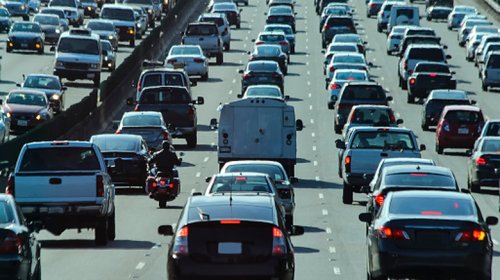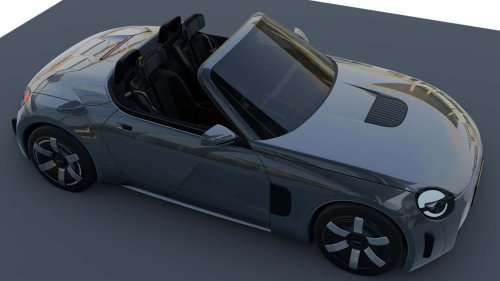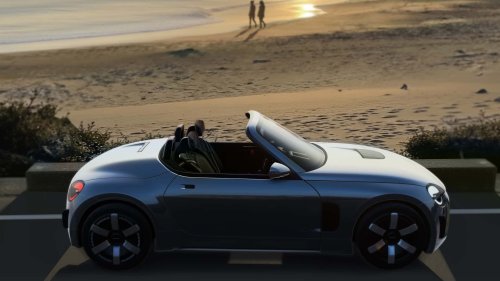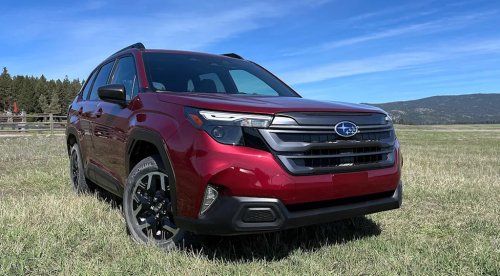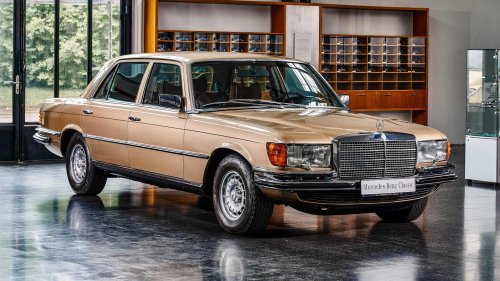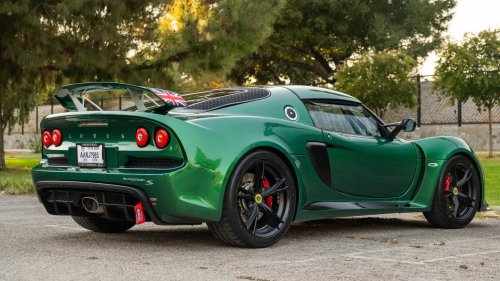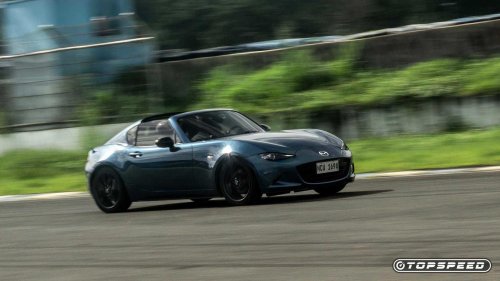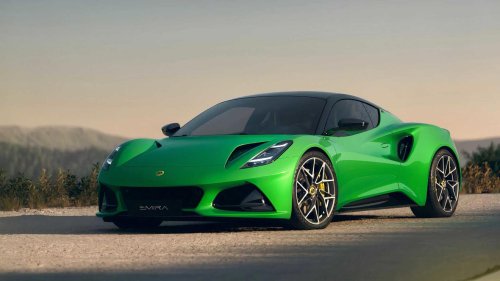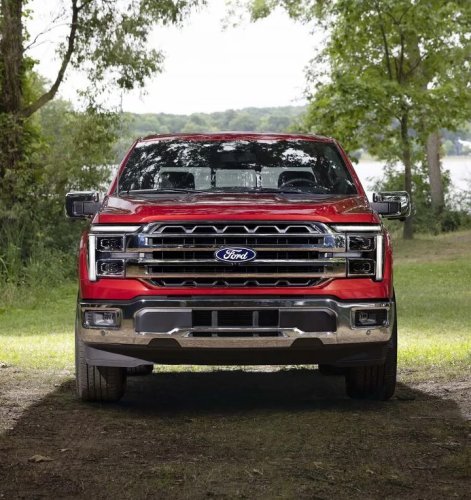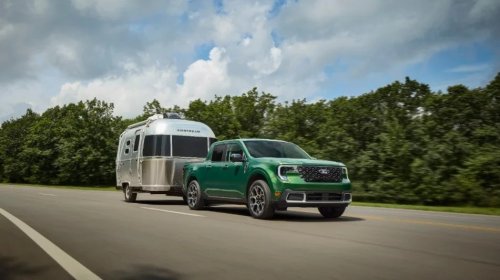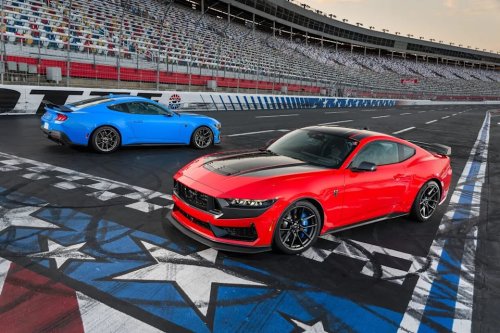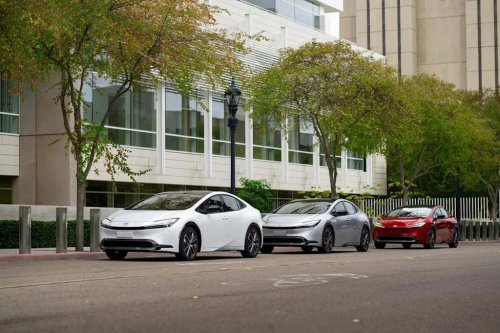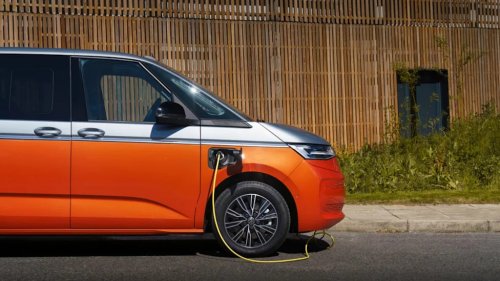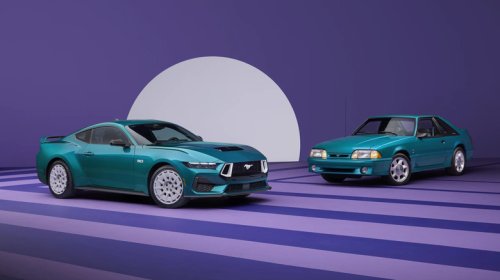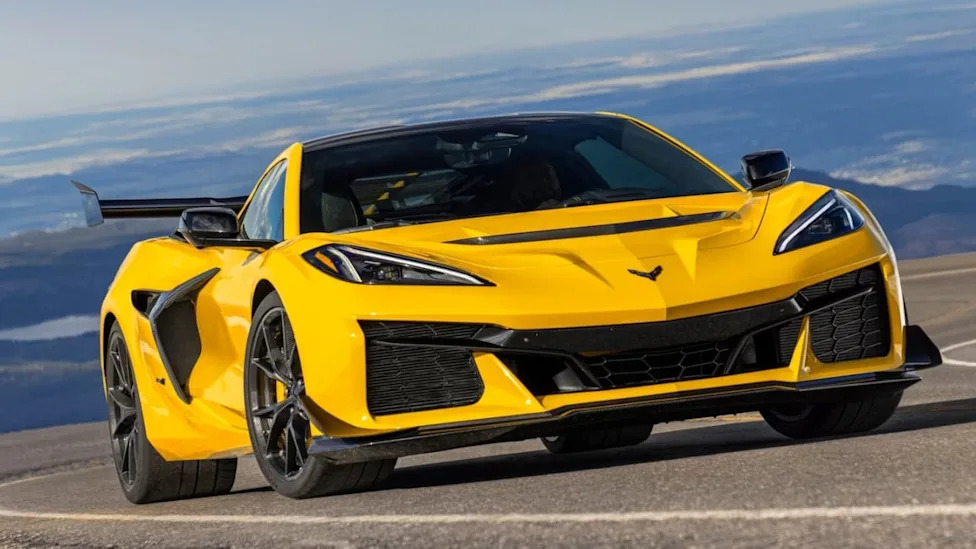


















Image Credit: ChevroletTake a walk through almost any parking lot today, and one trend quickly becomes obvious. White, black, gray, and silver vehicles dominate American roads, leaving colorful paint finishes increasingly difficult to find.A new study from iSeeCars suggests this has been building for decades. After analyzing more than 22 million used vehicles spanning model years from 1996 through 2025, researchers found that grayscale colors now account for more than four out of every five vehicles on the road.Despite that overwhelming trend, one group of buyers continues to stand apart. Sports car owners are choosing vibrant paint colors far more often than buyers of trucks, SUVs, or conventional passenger cars, helping preserve at least some variety in today's automotive landscape.AdvertisementAdvertisementThe findings suggest that while practicality and resale value continue to influence mainstream buyers, enthusiasts purchasing performance cars still view color as an important part of the ownership experience.Grayscale Now Rules The American Car MarketPhoto Courtesy: GM.According to the study, white remains America's most popular vehicle color, with a 25.7% market share. Black follows closely at 23.4%, while gray has climbed to 22.9%, making those three colors responsible for nearly three-quarters of all vehicles sold.Including silver, grayscale finishes now represent 80.4% of the market, compared with just 47.3% in 1996. Gray has experienced the most dramatic rise, increasing by more than 500% over the past three decades.That growth came largely at the expense of brighter colors. Red has fallen from 20.1% of the market to just 7%, while green has dropped even more sharply, declining from 13.4% to only 2.2%.AdvertisementAdvertisementThe study notes that grayscale's rapid expansion appears to have leveled off around the 2020 model year. While neutral colors continue to dominate, their market share has stabilized near 80%, suggesting colorful finishes may have reached a floor rather than disappearing entirely.Sports Cars Continue To Stand OutImage Credit: ChevroletAmong all vehicle categories, sports cars remain the most colorful. Non-grayscale finishes account for 36.2% of the segment, nearly double the overall market average of 19.6%.Blue is especially popular among sports car buyers, representing 15.5% of the category. Red also remains far more common than in other vehicle segments, while green, yellow, purple, and orange all maintain stronger representation than they do across the broader market.Yellow has been one of the biggest surprises. Although still relatively uncommon, yellow sports cars have increased their share by more than 140% compared with 1996, making them one of the few colorful finishes to gain popularity over time.AdvertisementAdvertisementThe findings reinforce the idea that sports car buyers often prioritize individuality alongside performance. Unlike family crossovers or work trucks, enthusiast vehicles are frequently purchased as emotional rather than purely practical decisions.Trucks And SUVs Have Gone The Opposite DirectionWhile sports cars continue embracing brighter colors, trucks have become the most monochromatic segment. Grayscale finishes now account for 83.5% of pickups, nearly doubling their share since the mid-1990s.SUVs and passenger cars tell a similar story. Both categories have steadily shifted toward neutral finishes as automakers increasingly prioritize colors that appeal to the widest range of buyers and often deliver stronger resale values.Several factors likely contribute to the trend, including consumer preferences, fleet sales, leasing, and manufacturers offering fewer bold paint options than they once did. Neutral colors also tend to be viewed as easier to maintain and less polarizing when vehicles change hands.AdvertisementAdvertisementEven so, the study offers a small reason for optimism if you're tired of seeing endless rows of white, gray, and black vehicles. As long as sports cars continue attracting buyers who want their vehicles to stand out as much as they perform, a splash of color should remain part of the automotive landscape, even if it has become much rarer than it was 30 years ago.If you want more stories like this, follow Guessing Headlights on Yahoo so you don't miss what's coming next.