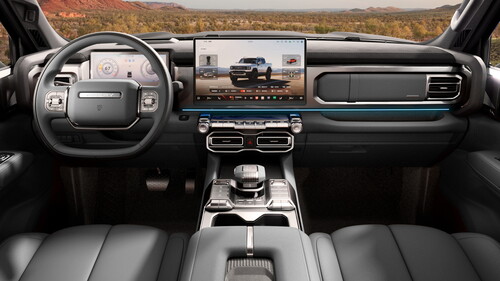
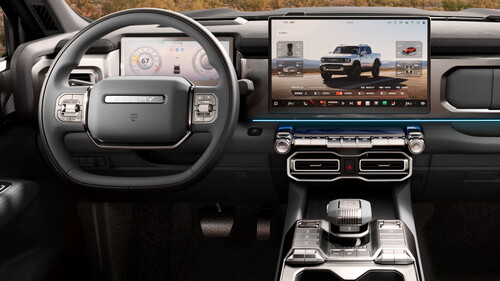
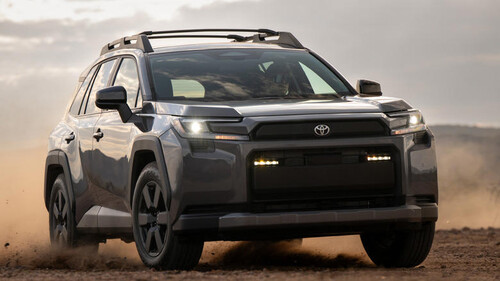
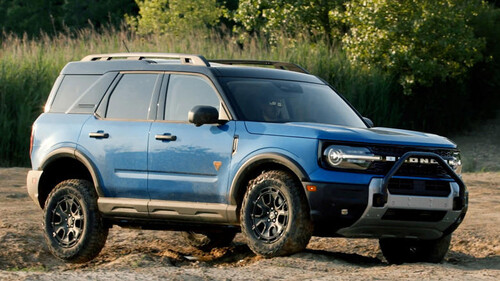
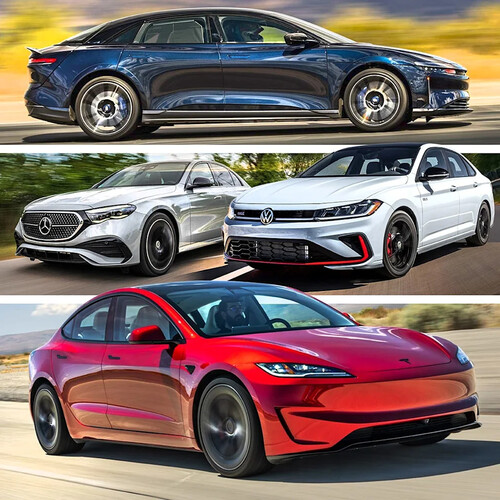
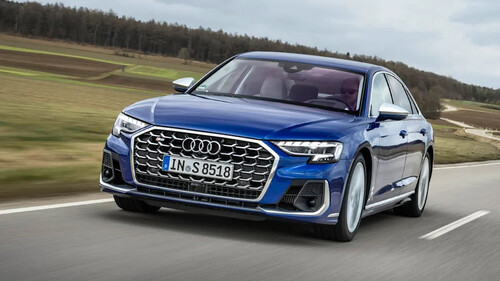
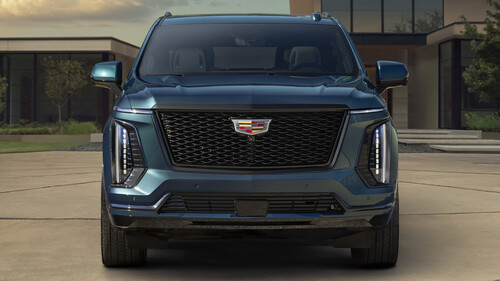
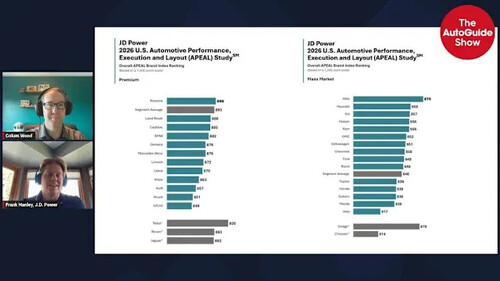
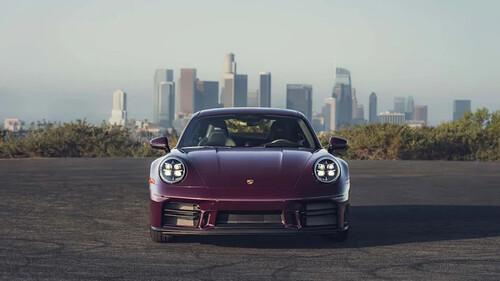
car buyers are happier than theyve been in yearsNew-vehicle owner satisfaction has achieved its sharpest year-over-year gain since 2018. According to the J.D. Power 2026 U.S. Automotive Performance, Execution and Layout (APEAL) Study, overall satisfaction among new-vehicle owners rose 7 points on a 1,000-point scale to an average score of 858.The 2026 results mark the third consecutive year of index gains. The data indicates that automakers are finding success not just by addressing mechanical flaws, but by refining interior ergonomics, cabin layout, and physical usability. The findings closely mirror those of the companion 2026 U.S. Initial Quality Study (IQS), reinforcing a clear link: as initial build quality improves, emotional attachment and vehicle appeal increase in tandem.Interior Usability and Everyday Ergonomics Drive ProgressThe primary catalyst behind this year's index gain stems from cabin design. The interior category recorded an 11-point increase year-over-year-the largest single category gain in the study. Survey respondents noted improved daily functionality, specifically citing better center console layouts, designated smartphone storage, and more practical cupholders.AdvertisementAdvertisementAdditional key driver attributes included higher scores for exterior aesthetics and ease of entry/exit, which both rose by 10 points. And perhaps most notably in the study battery electric vehicles (BEVs) registered a 22-point year-over-year gain in owner affinity, outperforming internal combustion engine (ICE) counterparts across nearly all evaluation categories, highlighted by a 109-point advantage in powertrain satisfaction specifically.The Diminishing Premium Advantage and "New Model" StagnationTwo broader industry trends emerged from the 2026 survey data:1. The Premium Gap Is ShrinkingThe historical divide in emotional satisfaction between luxury brands and mass-market nameplates continues to compress. Excluding Tesla, the gap between premium and mass-market scores dropped to 29 points-a notable contraction from the 66-point margin recorded in 2008.Features that historically defined luxury nameplates-such as advanced driver-assistance systems (ADAS), headlight performance, infotainment user interfaces, and tactile door-closing acoustics-have largely matured across mass-market lineups. Consequently, buyers are increasingly evaluating premium status based on total execution rather than badge prestige.2. Newly Launched Models Lack "Wow" FactorFor the fifth straight year, newly introduced or fully redesigned vehicles failed to generate significantly higher enthusiasm than existing, carryover models, outscoring them by a negligible margin of just 2 index points. While mass-market new launches outperformed carryover models by 12 points, new premium models actually scored 3 points lower than their established predecessors. J.D. Power attributes this drag to persistent friction with complex infotainment systems, unintuitive initial vehicle setup, and over-complicated technology interfaces.Brand RankingsPorsche secured the top position among luxury brands for the third consecutive year with a score of 896, standing as the sole premium brand to exceed the segment average. MINI, meanwhile, earned top honors among mainstream brands for the third year running, scoring 875. Hyundai placed second (858), followed closely by Kia (857).Corporate & Model Award HighlightsBMW AG earned the highest number of individual model segment awards with six, followed by Hyundai Motor Group with five, and General Motors with three.ManufacturerAward-Winning ModelsBMW AGBMW X2, BMW X6, BMW 2 Series, BMW 5 Series, BMW 7 Series, MINI CountrymanHyundai Motor GroupHyundai Palisade, Hyundai Santa Cruz, Kia Carnival, Kia K4, Kia K5General MotorsChevrolet Blazer, GMC Yukon, Cadillac EscaladeFord Motor Co.Ford Super Duty, Ford MustangJLRJaguar F-Pace, Land Rover DefenderNissan Motor Co.Nissan Murano, Nissan ArmadaToyota Motor Corp.Toyota RAV4, Toyota Crown SigniaMercedes-Benz GroupMercedes-Benz C-ClassStellantisRam 1500Volkswagen AGPorsche 911Among individual vehicles, the BMW X6 (winning for a second consecutive year) and the BMW 7 Series tied for the highest overall score among all evaluated models. Notably, the Kia K5 secured its segment award for a sixth consecutive year, while the MINI Countryman won for its fourth straight year.Study MethodologyNow in its 31st year, the J.D. Power U.S. APEAL Study evaluates owner emotional attachment and excitement across 37 distinct vehicle attributes after 90 days of ownership. The 2026 study is based on responses gathered from 78,514 verified owners of 2026 model-year vehicles registered between March 2025 and February 2026. Fieldwork was conducted from June 2025 through May 2026.