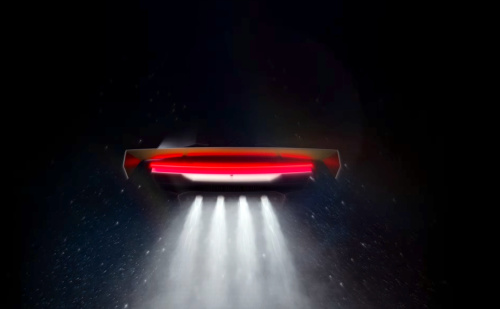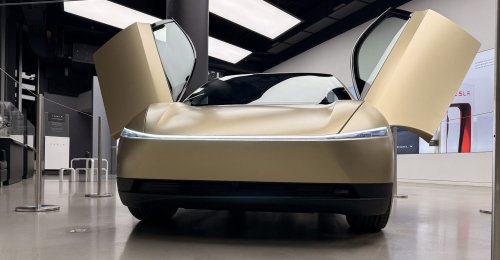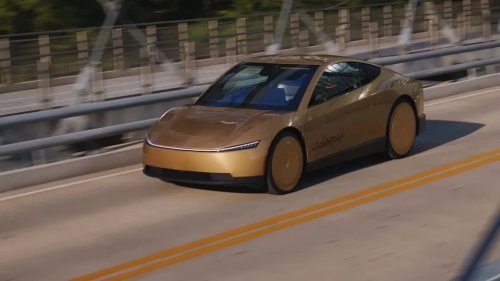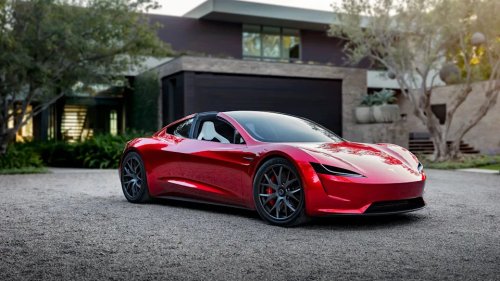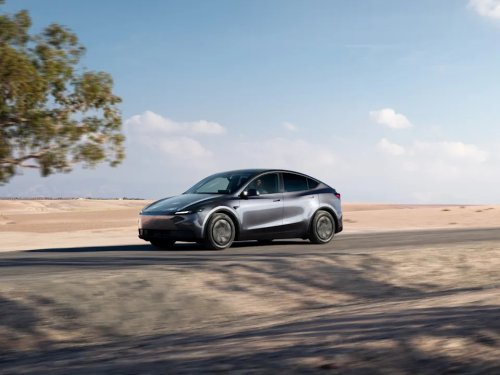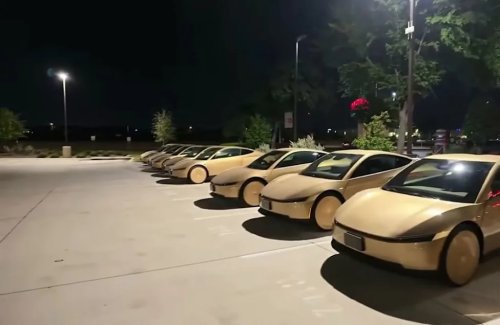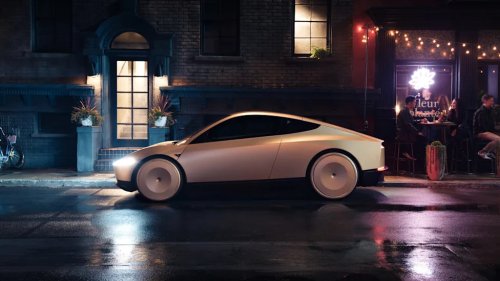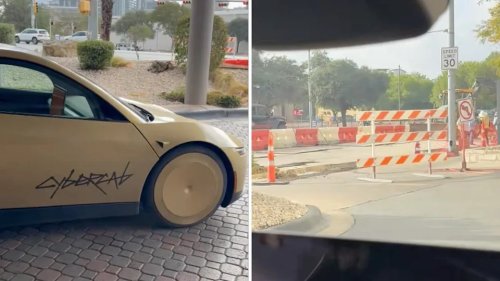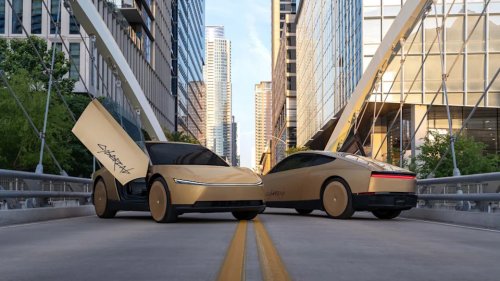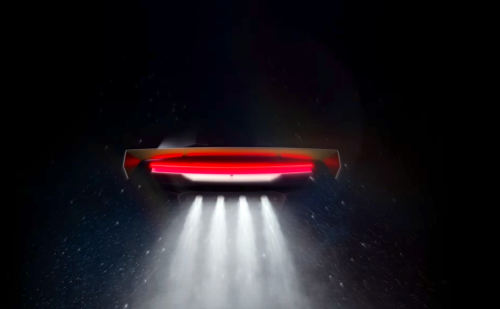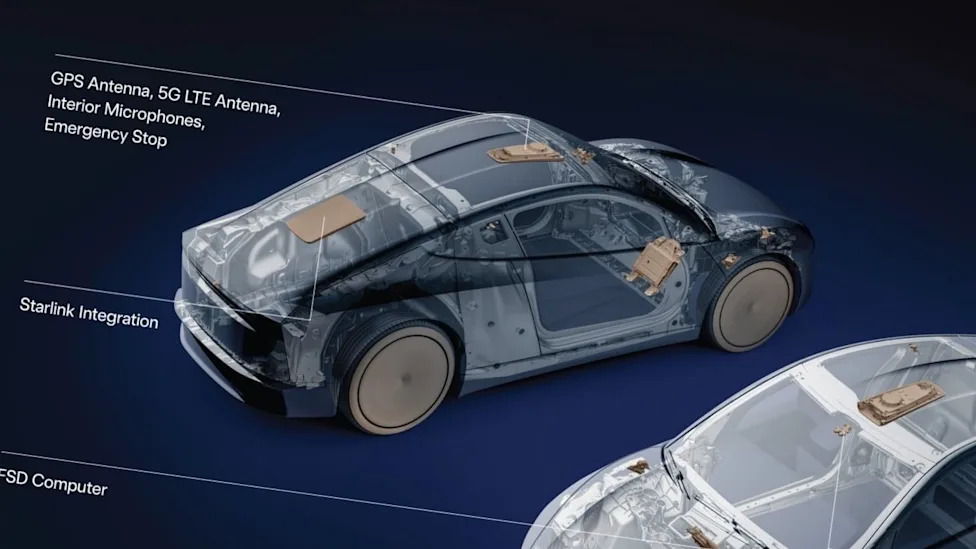
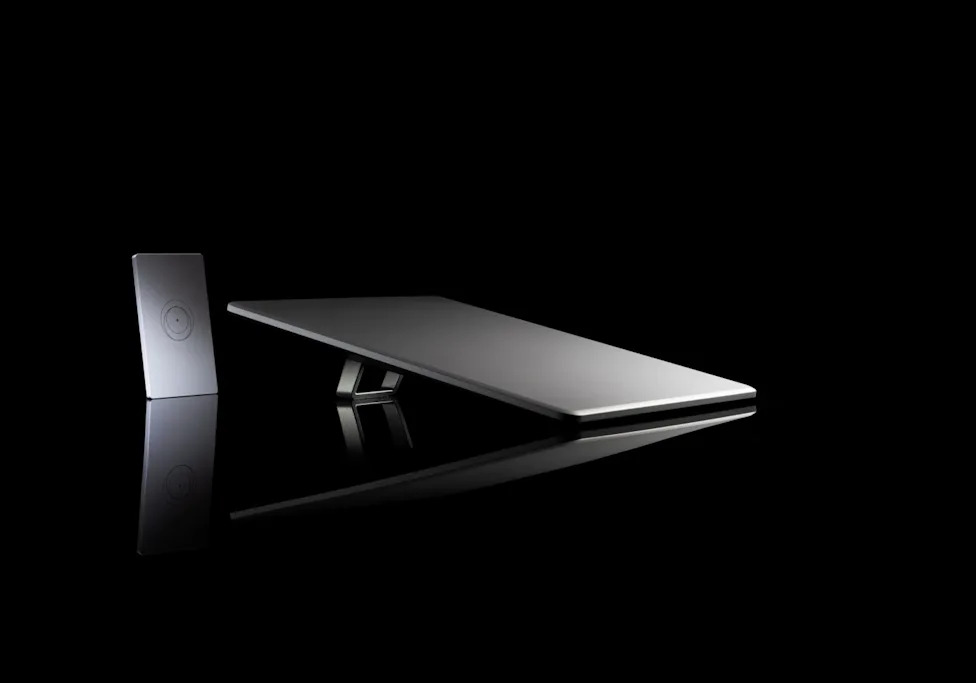



















tesla cybercab - Tesla/StarlinkStarlink is popping up another Elon Musk project. On Monday, Tesla teased that the upcoming Cybercab will feature a built-in Starlink antenna."High-speed internet from space for the future of autonomous vehicles," Starlink wrote in a tweet. Tesla's own tweet says the Cybercabs will use Starlink's newly-released V5 dish on the rear of the vehicle. In addition, the car features a GPS antenna, and 5G LTE, giving it alternative ways to connect and navigate. (Tesla also recently filed a patent about building the radio antennas directly into a car's roof.)AdvertisementAdvertisementThe Starlink integration means the cars will also be able to receive internet access in cellular dead zones, such as remote or rural areas, by connecting to orbiting satellites. The two Musk-led companies confirmed the Starlink implementation after an Apple project manager visited Tesla's show room in San Jose, and posted pictures. The store not only had a Cybercab on the floor, but also a display mentioning the "Starlink integration." Weeks earlier, a Reddit user also photographed two Cybercabs driving in Austin, Texas, each carrying a Starlink dish in the rear. The Starlink integration could bolster the internet inside the Cybercab, including the in-car entertainment. Although not as powerful as the standard Starlink dish, the V5 model can offer speeds up to "375Mbps+." The new hardware is also much smaller and lighter, at 2.4 pounds, down from 6.5 pounds, making it easier to fit on a vehicle. The V5 does have one drawback though; Starlink says the "V5 is not intended for in-motion use," possibly because it lacks a GPS chip. But the Ukrainian repair expert Oleg Kutkov has discovered evidence in Starlink's firmware that the company is developing a special V5 dish called the "rev5_pez_auto_proto1."AdvertisementAdvertisement"The automotive V5 is the same size as the standard V5, but it has 20 fewer antenna elements: 800 instead of 820. The freed-up space is used to accommodate a GNSS (Global Navigation Satellite System) receiver," Kutkov tweeted. "The standard V5 is intended for stationary use and does not include a GNSS module. The automotive version brings back the good old STA8090 GNSS chip."Another difference is the new automotive V5 can tolerate "higher operating temperatures before throttling or shutting down," he added.The Cybercar, a two-passenger electric vehicle, will be vastly different from a traditional car since it won't feature a steering wheel or pedals. Instead, the passenger is supposed to sit inside and let the car's onboard computer do the rest. The upcoming vehicle will be part of Telsa's robotaxi fleet, and the company commenced initial Cybercab production this past Q2.But for now, Tesla appears to be in the small-scale testing stages with the Cybercab when the company's earlier self-driving efforts have faced a controversial safety record.PCMag and Yahoo may earn commission from links in this article.