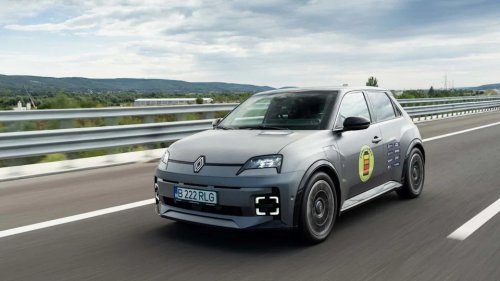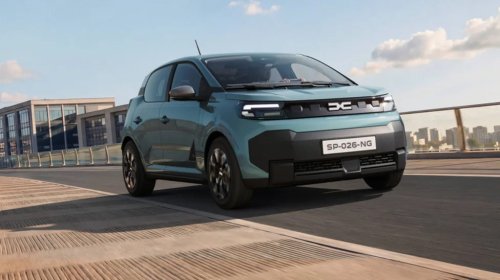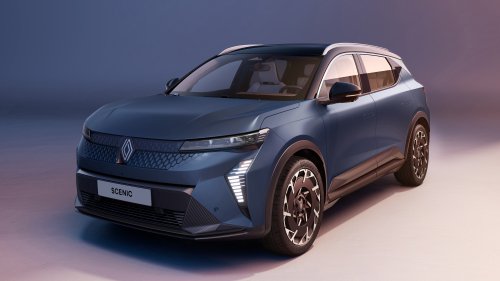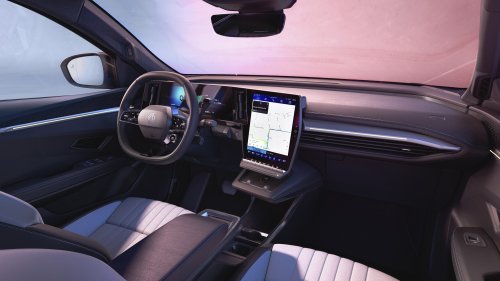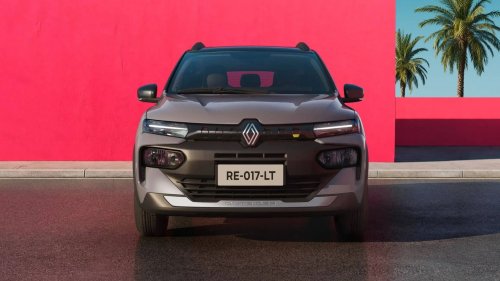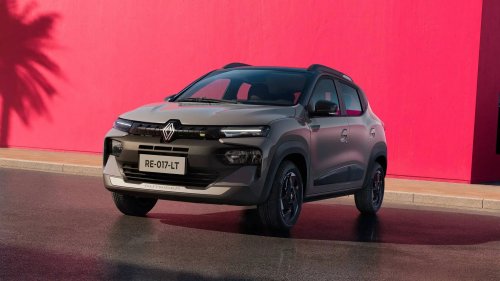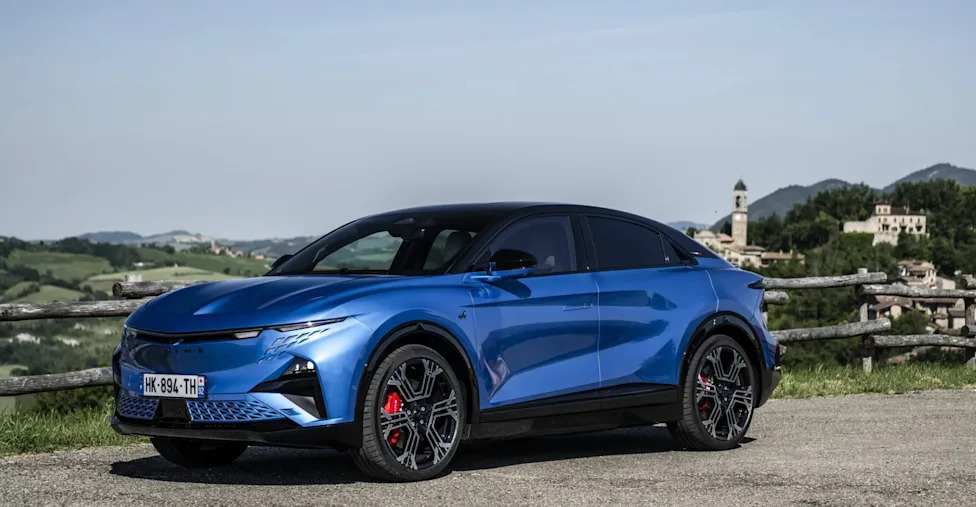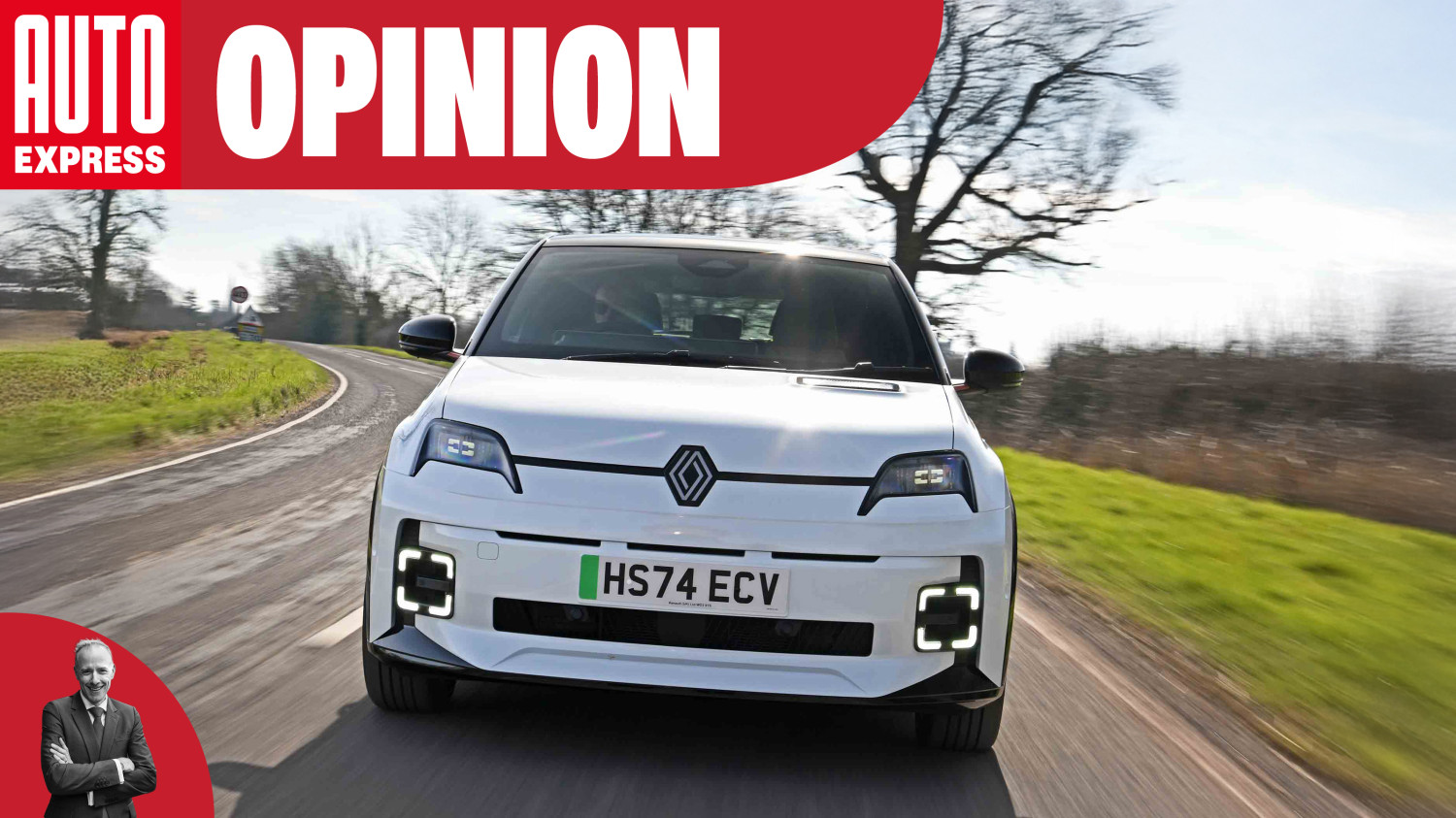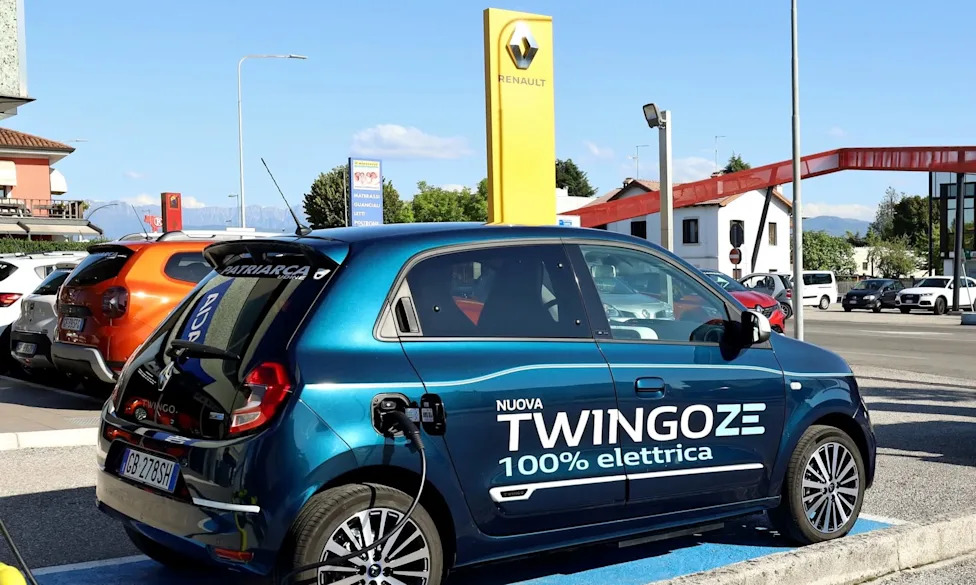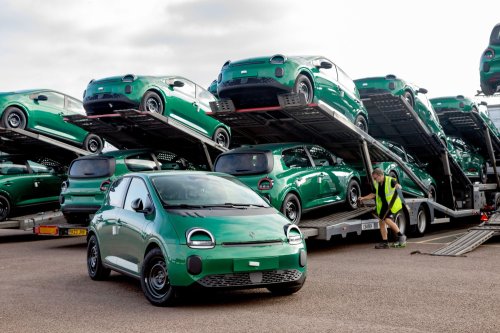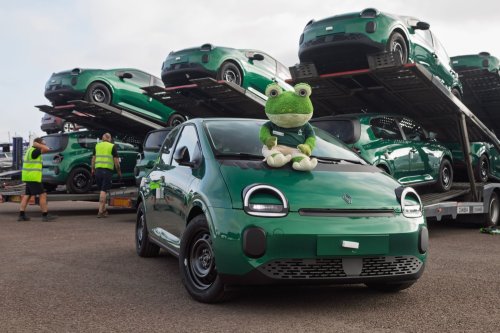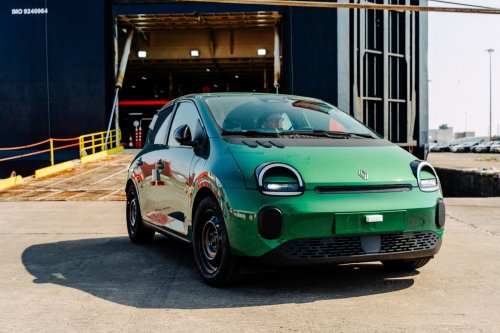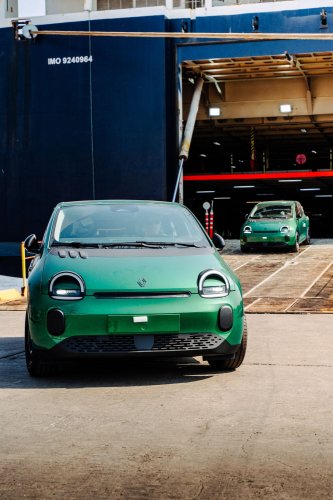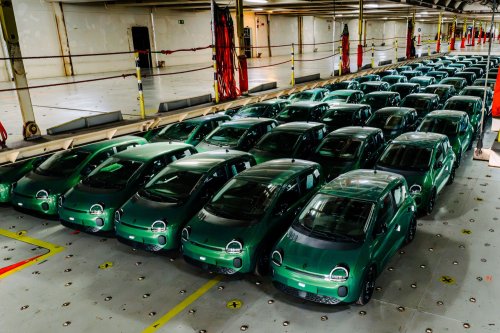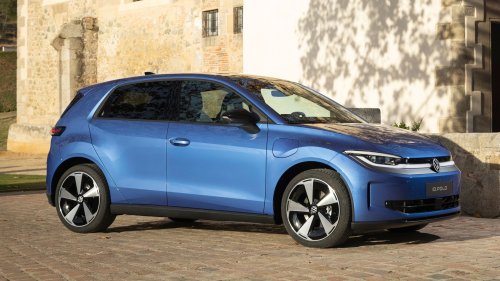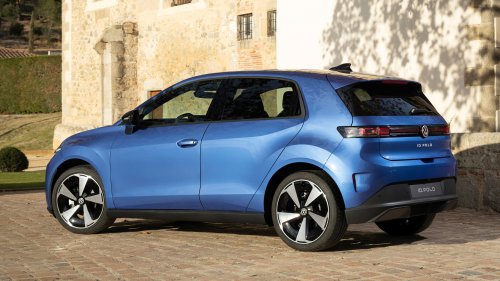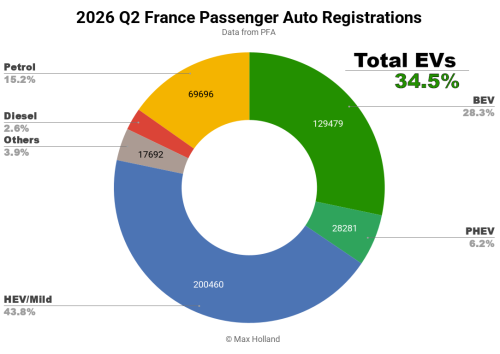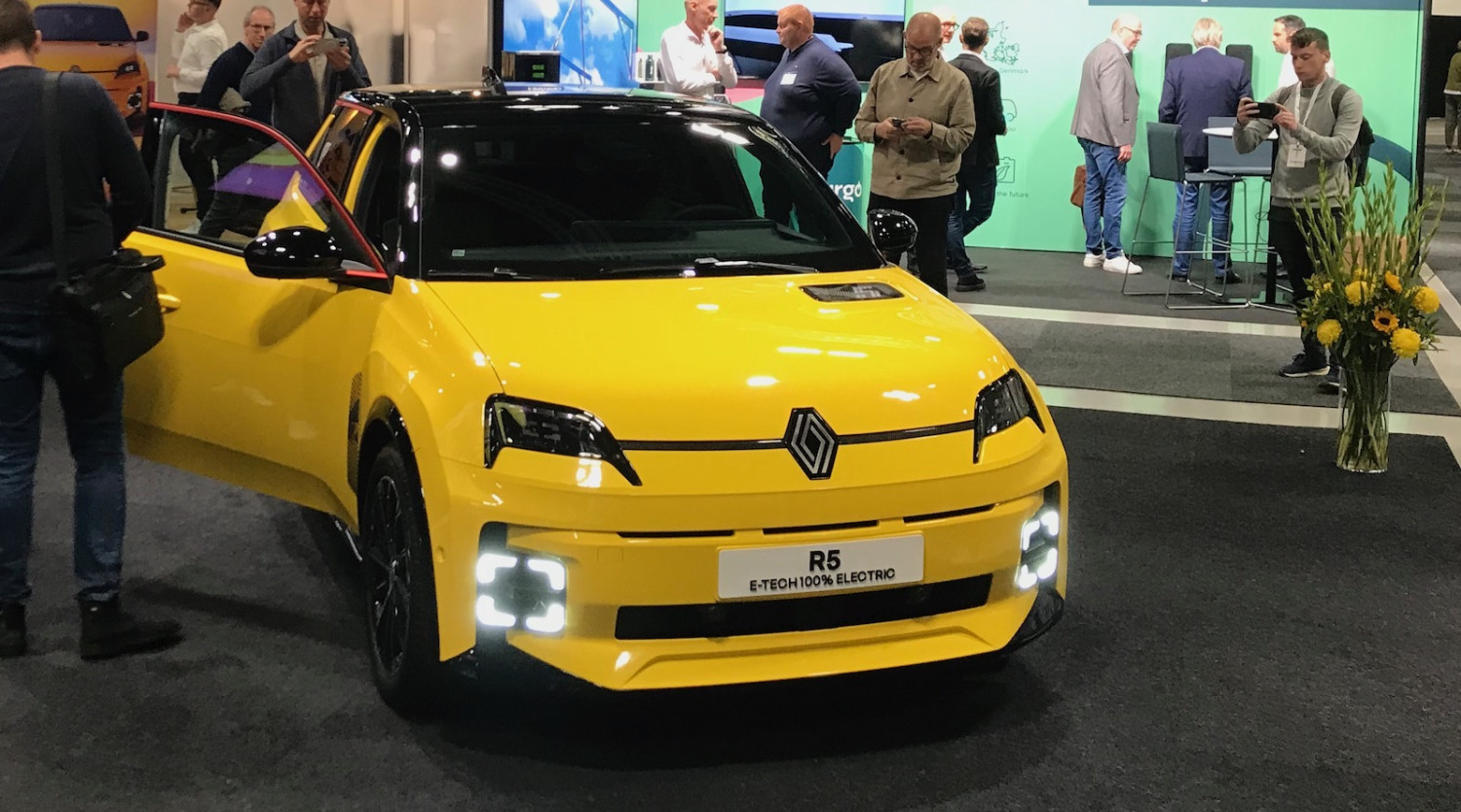



















As a result of the US and Israel war against Iran, Iran blocked the Strait of Hormuz and much of the world’s oil couldn’t get to market. Countries have been relying on oil reserves for weeks, and there have been strong warnings that if the Strait of Hormuz blockage isn’t resolved soon, we’ll have a real oil/gas crisis. Gas prices rose a great deal since the war began, but they could spike much, much further. Even just from the increases we’ve seen, though, many people have been inspired to give up gas and go electric. Confirming that for us, the CEO of Renault recently said that EV demand in France and Germany grew by 50% for the company since the US first bombed Iran. “We’re currently exceeding the capacity (of our suppliers) because of the war in Iran,” Renault CEO Francois Provost told Reuters recently. One has to wonder how much EV sales would have surged if the price of oil and gas wasn’t protected and subsidized by governments. “In the first four months of the year, sales of fully electric cars in Europe jumped 29% to almost 1 million units,” Reuters adds. “Provost said that when the Iran war does end and fuel prices do come down, the intense level of interest in EVs ‘will decrease’ but the shift to electric vehicles will continue to accelerate.” As a result, the French automaker is “considering adding more production shifts in the second half of the year at its EV factories at Douai and Maubeuge in France and Novo Mesto in Slovenia.” “We have already revised our assumptions” regarding EV sales, Provost added. As a final note, we’ve been writing lately about Stellantis and others giving up unused factory space to Chinese EV producers to manufacture electric vehicles in Europe (and avoid high tariffs the EU recently implemented), but Provost emphasized that Renault has rejected numerous such offers and has no intention of selling or leasing its factory space to others.