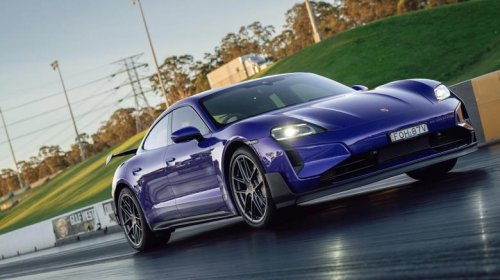
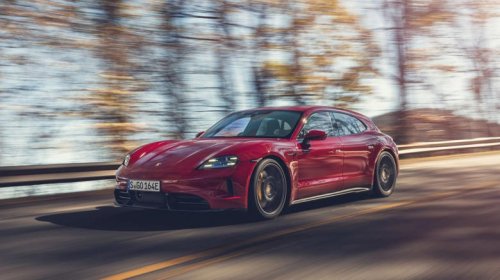
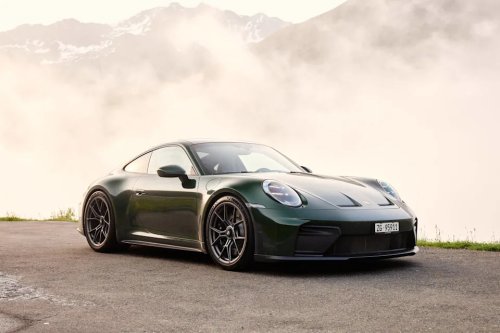
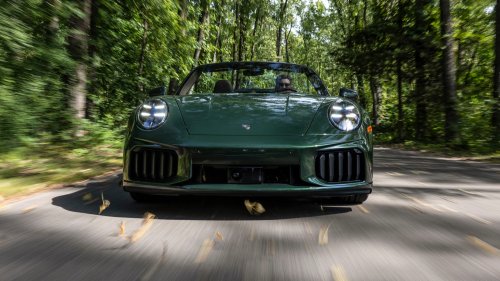
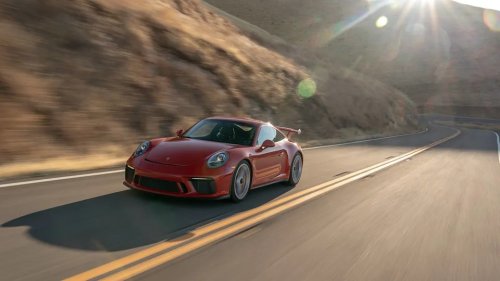
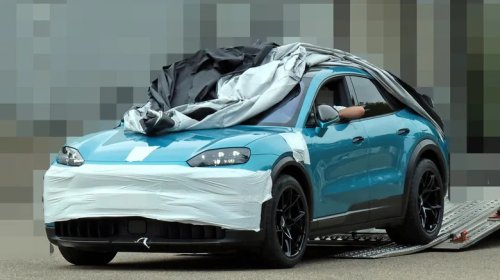
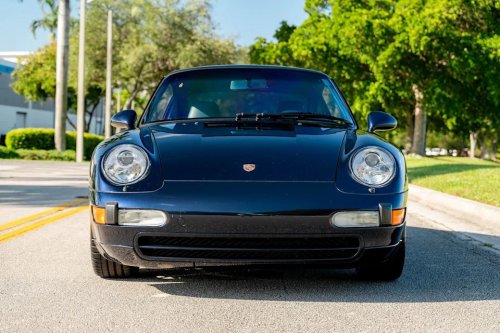
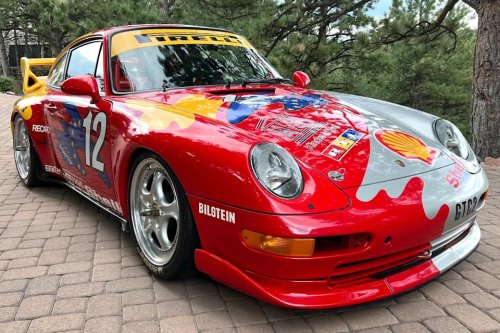
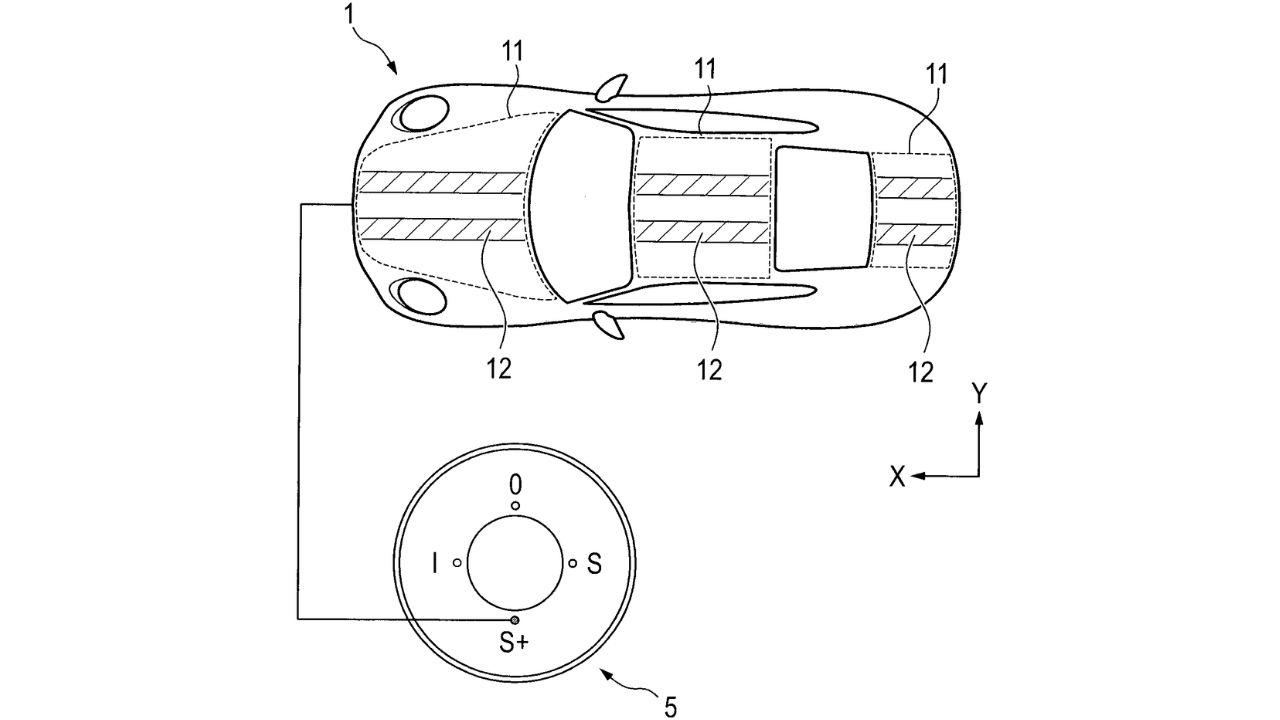
Porsche patent describes racing stripes that appear in Sport modePorsche has filed a patent for bodywork graphics that can appear or disappear at the touch of a drive-mode button, turning racing stripes into a dynamic feature rather than a permanent paint choice. The concept would let a driver cruise in a discreet, unmarked car, then light up bold stripes when Sport mode is engaged. It is a small visual trick with big implications for how carmakers think about personalization, branding, and even aerodynamics. What happened The patent, lodged in Germany and highlighted by several automotive outlets, describes a system that hides decorative elements in plain sight until a driver activates them through vehicle settings. Instead of traditional vinyl or painted stripes, Porsche proposes a multilayer coating on the body panels that can switch between visible and invisible states. At the core of the idea is a special layer applied over part of the car’s exterior that can change how it interacts with light when an electrical current or heat is applied. In its default state, the bodywork looks uniform, with no obvious contrast where the graphic sits. When the driver selects a performance mode, the system would energize the stripe layer so it becomes a different color or brightness compared with the surrounding paint, revealing the design. The patent text, as summarized by one report, outlines several possible technologies to achieve this. One option uses an electrochromic or electrophoretic material, similar to the variable tint found in some high-end sunroofs. Another approach relies on a thermochromic layer that changes appearance when heated by embedded elements. Both concepts share the same goal: a graphic that can be switched on and off without any moving parts. Porsche also describes a layered paint structure that includes a conductive layer, an effect layer that carries the stripe design, and a transparent topcoat. The effect layer could contain pigments or particles that alter their orientation or reflectivity when voltage is applied. In simple terms, the stripe is always there but only becomes visually distinct when the system tells it to. The patent material goes further than just a pair of lines on the hood, describing patterns that could run along the sides, across the roof, or around the rear, and leaving room for logos, numbers, or other motifs. The system is described as being controllable through the car’s electronics, which means it could be tied not only to drive modes but also to user profiles or even geofenced locations. Illustrations included in the filing, as described by another analysis, show a sports car silhouette with stripes that appear when a performance mode is selected. The same diagrams suggest that the effect could also be used in reverse, hiding graphics at higher speeds or in certain conditions if desired. Although the patent does not name a specific model, the concept aligns naturally with cars such as the Porsche 911, 718 Cayman, or Taycan, where visual differentiation between trims and special editions is part of the brand’s appeal. The filing focuses on the technology rather than the nameplate, signaling that Porsche sees it as a platform feature that could spread across multiple vehicles if it reaches production. For now, the idea remains on paper. Carmakers routinely file patents that never progress beyond the legal office. However, the level of detail in this document and the way it integrates with existing electronic architectures suggest Porsche is at least exploring how to bring dynamic exterior graphics into the showroom. Why it matters On the surface, switchable stripes sound like a playful gimmick. Underneath, they tap into several key trends in automotive design and technology: personalization, digital control of physical features, and the blending of software with hardware aesthetics. Personalization has become a central selling point across the industry. Drivers expect to tailor everything from ambient lighting to drive modes, and premium brands increasingly offer bespoke paint colors and interior trims. Porsche already runs extensive customization programs, including Paint to Sample and individual graphics packages. Hidden stripes that appear in Sport mode would extend that philosophy to a new layer, turning exterior graphics into something a driver can change day to day rather than a decision locked in at the factory. The patent also reflects how carmakers are looking for new ways to justify higher prices in an era of shared platforms and electrification. With many EVs delivering similar straight-line performance, visual differentiation and software-driven features become more important. A system that links exterior appearance to drive modes would reinforce the emotional side of pressing the Sport button, so the car would not only sharpen its throttle response and suspension but also visually transform into a more aggressive version of itself. There is a psychological element at play. When a driver selects a performance mode and sees stripes flare into view on the hood, it creates a ritual that connects them to the machine. That kind of feedback loop can deepen brand loyalty and make every drive feel more special, even if the underlying mechanical changes are modest. From a branding perspective, Porsche has always balanced understatement with motorsport heritage. Many owners like the idea of a track-focused look but do not want to live with loud graphics every day. The patent directly addresses that tension. A 911 could arrive at a business meeting in a clean, monochrome finish, then light up its Le Mans-inspired stripes on the way home. The technology also hints at a future where exterior design is increasingly dynamic. Today, most on-the-fly changes are limited to lighting signatures, active aerodynamics, or deployable spoilers. Switchable paint effects would add another layer to that toolkit. Over time, carmakers could move toward bodies that subtly re-skin themselves according to context, from weather conditions to driver mood. There are practical angles too. A system that can hide or reveal high-contrast graphics could be used to improve visibility in low light or bad weather. A car might activate reflective patterns at night or in heavy rain to stand out more clearly, then switch back to a cleaner look in daylight. The patent material does not explicitly promise such safety features, so that remains speculative and therefore unverified based on available sources, but the underlying technology would make them technically possible. Cost and durability remain open questions. Advanced coatings and embedded electronics add complexity to the paint process, and repairs after minor accidents could become more involved. Owners already pay a premium for special finishes such as matte paint or pearlescent colors. Dynamic graphics would likely sit at the top of that ladder, at least initially, until economies of scale bring prices down. Regulation is another consideration. Exterior lighting is tightly controlled, but paint is not, as long as it does not create glare or mimic emergency vehicles. A system that changes color or contrast without emitting light could slip into a gray area, and regulators might eventually weigh in if such features become widespread. For now, Porsche appears to be staying on the safe side by focusing on contrast rather than illumination. The idea has already sparked debate among enthusiasts. Some see it as a clever way to enjoy multiple looks from a single car. Others worry it could be a step toward subscription-based styling, where a brand charges monthly fees to unlock certain graphics. A commentary on one enthusiast site even joked that owners could use disappearing stripes to pretend they own several different Porsches, depending on which pattern is active. That speculation touches on a broader shift in the industry. As more features move into software, carmakers are experimenting with pay-per-use options for performance boosts, driver assistance, or infotainment. Exterior graphics that can be activated electronically fit into the same toolbox. Whether Porsche chooses to go down that path is unverified based on available sources, but the possibility will be on the minds of both customers and competitors. What to watch next The first question is whether this technology will reach production at all. Many patents serve as defensive moves, protecting an idea in case it becomes useful later. The level of detail in the filing, along with the clear use cases around drive modes and personalization, suggests Porsche is at least serious about exploring it. The brand has a track record of turning unusual concepts into reality, from active aerodynamics on the 911 Turbo to the light-up Porsche crest on the Taycan. Observers will be watching upcoming special editions and high-performance variants for hints of dynamic graphics. Limited-run models such as the 911 GT3 RS, 911 Dakar, or track-focused 718 variants often serve as test beds for new technologies. If Porsche wants to trial switchable stripes, a halo model with a dedicated enthusiast audience would be a logical place to start. Concept cars and design studies are another likely proving ground. Automakers often showcase experimental paint finishes and lighting effects at motor shows before they are ready for mass production. A future Porsche concept that highlights a “transforming” exterior would be a clear signal that the patent is moving from paperwork to prototype. Beyond Porsche, rivals will be paying attention. Brands such as BMW, Mercedes-Benz, and Audi have all experimented with color-changing or pattern-shifting exteriors in concept form, often using electrochromic films or e-ink style panels. If Porsche brings a refined, production-ready version of hidden stripes to market, it could accelerate similar projects elsewhere. The idea of a car that visually responds to drive modes or user profiles aligns with the broader push toward software-defined vehicles. There are also potential crossovers with sustainability and repairability. If dynamic coatings become common, paint shops and body repair centers will need new tools and training. That could create a secondary market for retrofits or aftermarket adaptations, although the patent would give Porsche control over how the technology is implemented on its own cars. Insurers may eventually have to adjust repair cost models for vehicles with complex exterior electronics. From a user-experience perspective, the most interesting developments will revolve around how drivers control these graphics. The patent envisions integration with existing vehicle systems, which opens several possibilities: Linking the stripes to Sport or Track modes so the car visually “arms” itself for spirited driving. Allowing owners to choose between several patterns or colors in the infotainment menu. Syncing graphics with ambient lighting themes inside the cabin for a coordinated look. Using user profiles so each driver gets a preferred exterior style when they start the car. All of those ideas remain unverified based on available sources, but they follow naturally from the core concept of a digitally controlled exterior layer. The more tightly integrated the system becomes with the car’s software, the more flexible and appealing it could be for owners. Regulatory and ethical questions will also evolve if such technology spreads. Lawmakers may decide that certain colors or patterns cannot be changed on the fly, especially if they resemble emergency or construction vehicles. Privacy advocates might raise concerns if exterior graphics are tied to user data or location-based triggers. Those debates lie further down the road, but the patent is an early marker of where the conversation might go. More from Fast Lane Only Unboxing the WWII Jeep in a Crate 15 rare Chevys collectors are quietly buying 10 underrated V8s still worth hunting down Police notice this before you even roll window down

















 +40 others