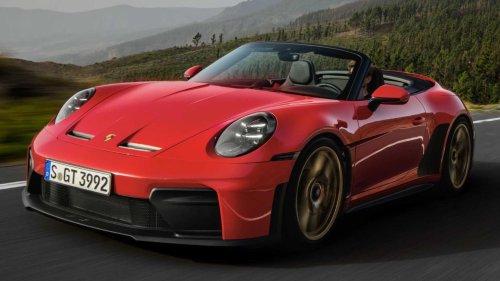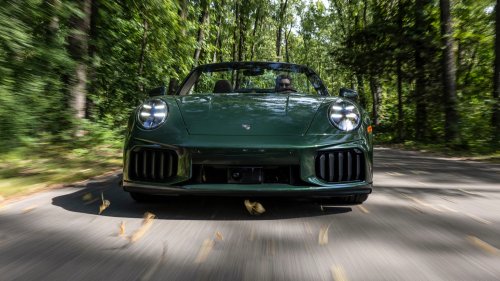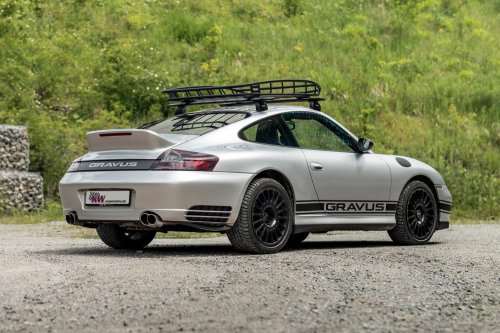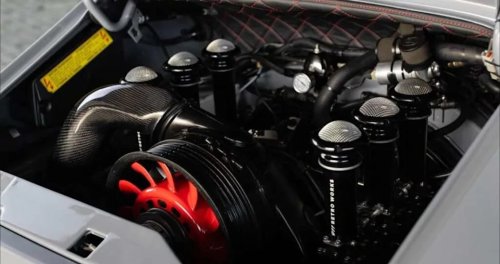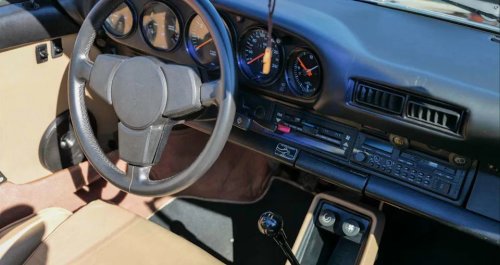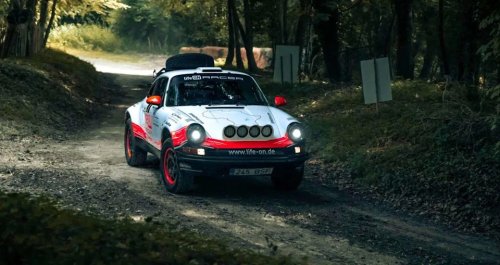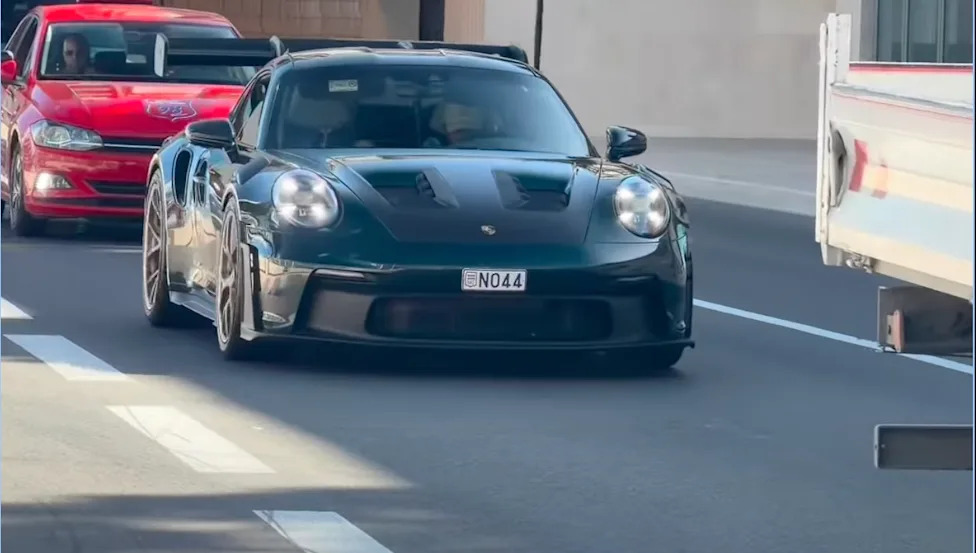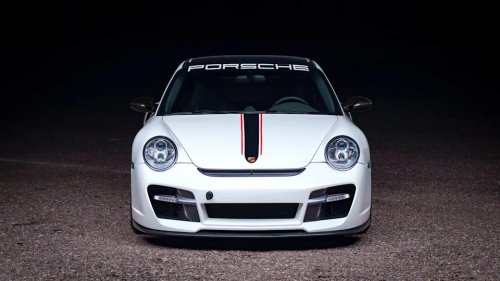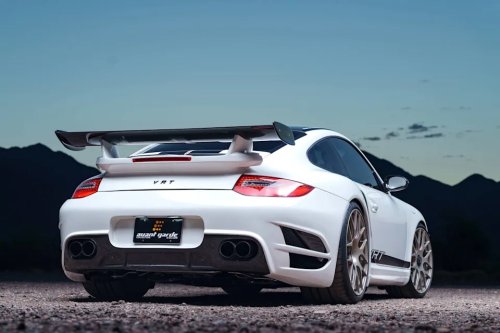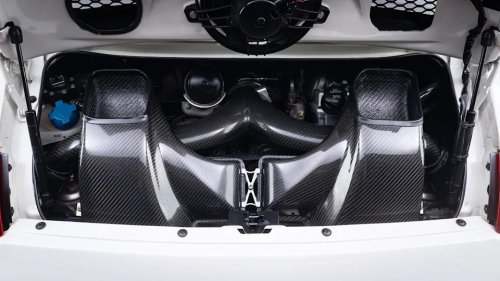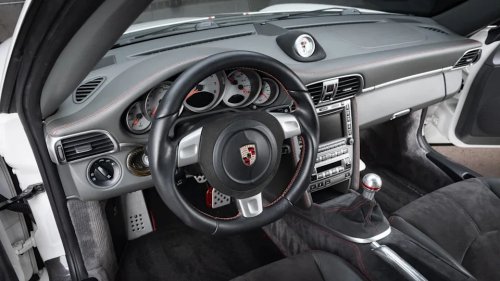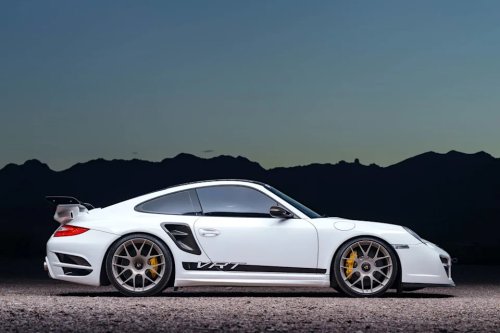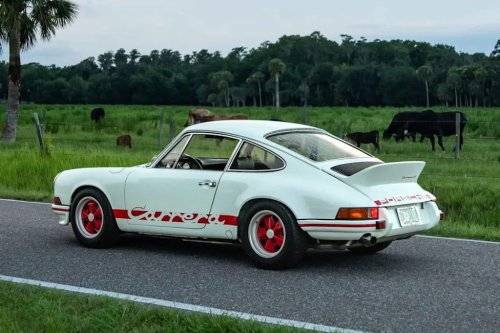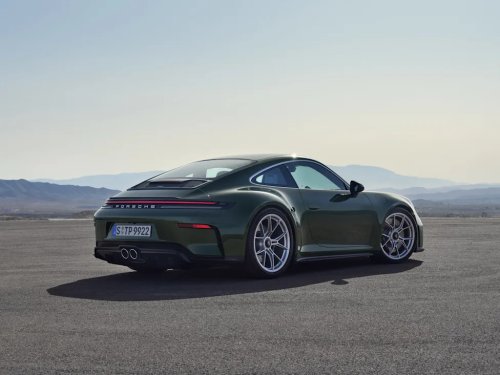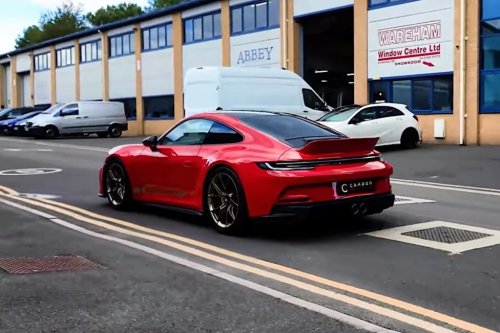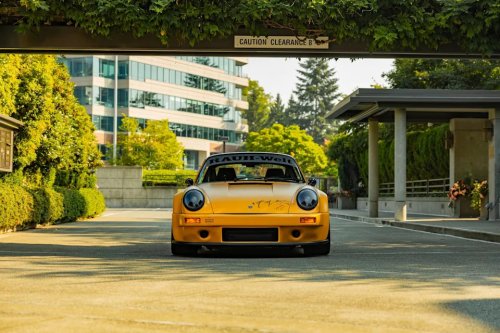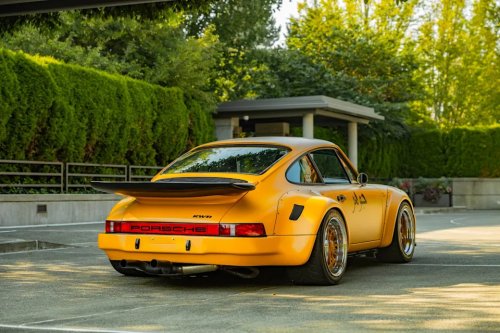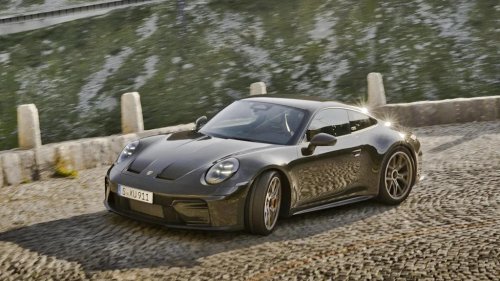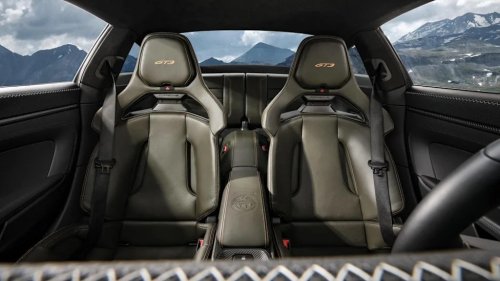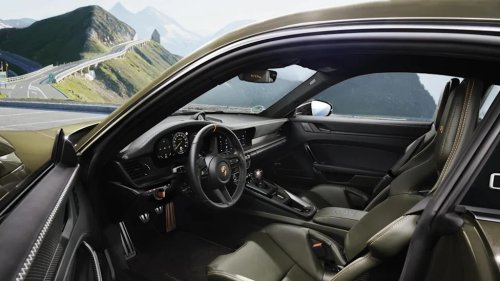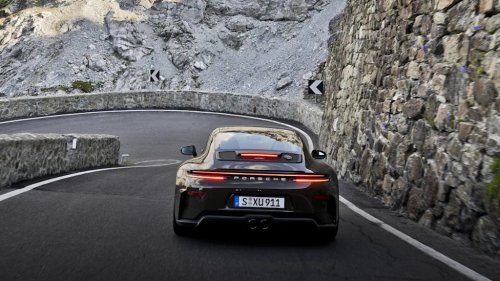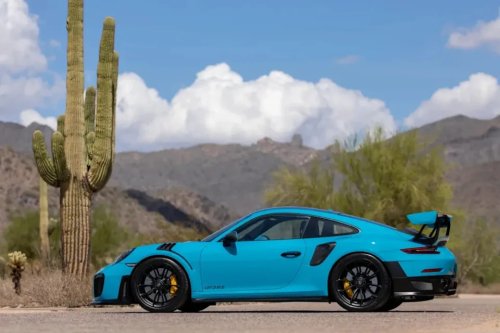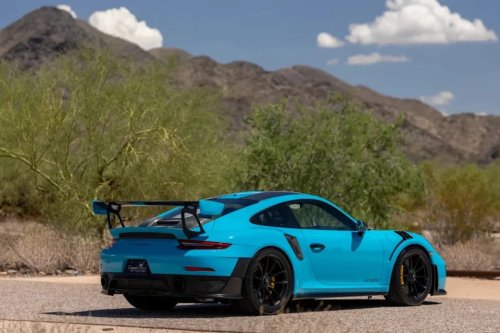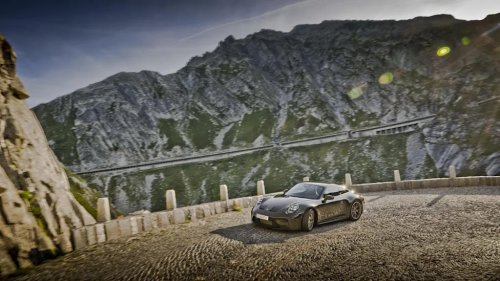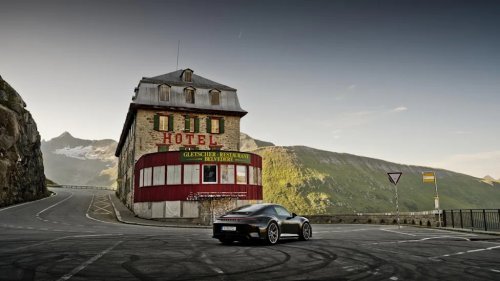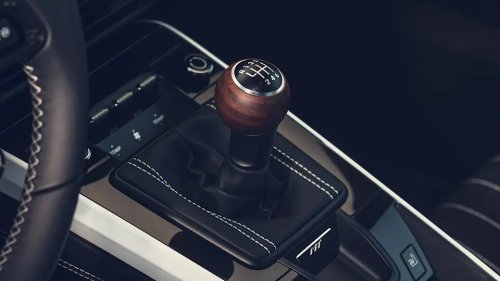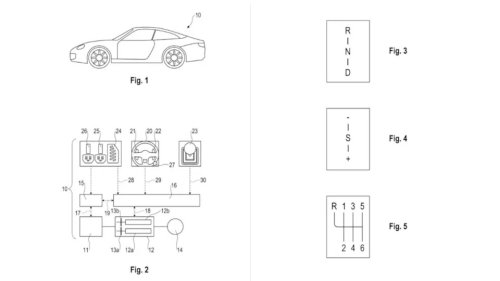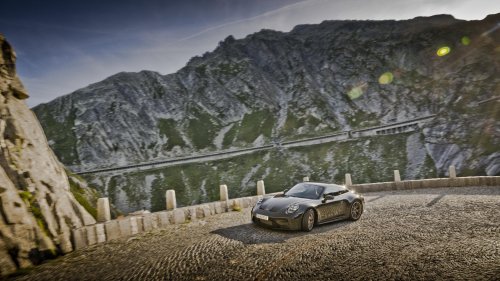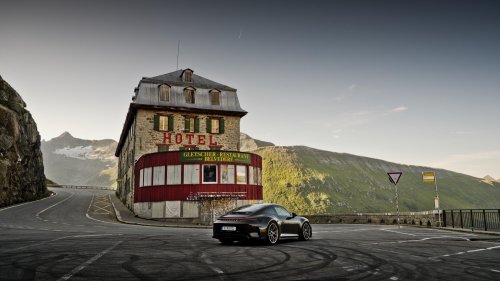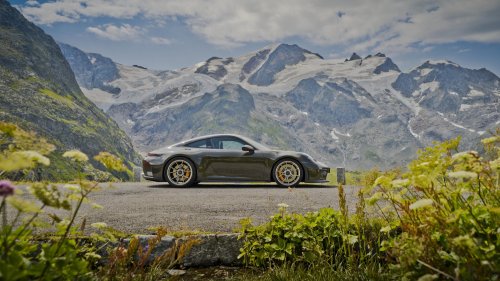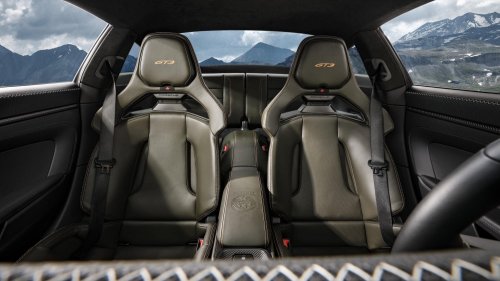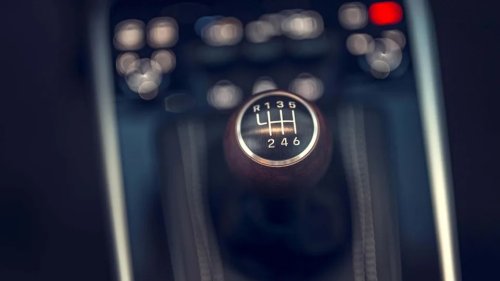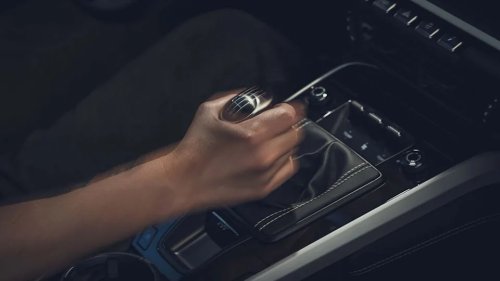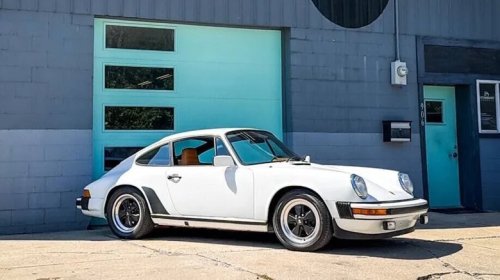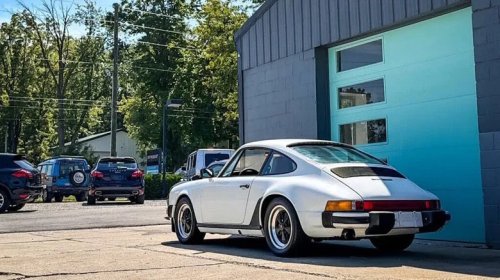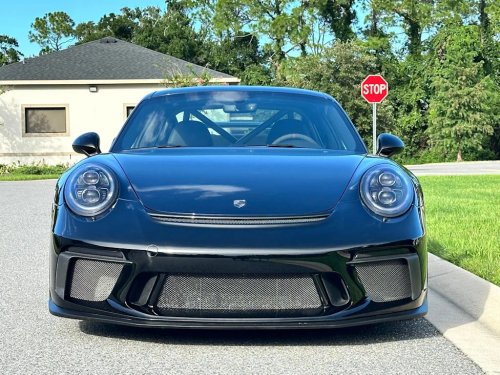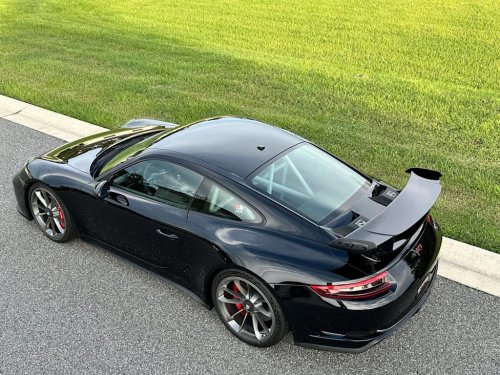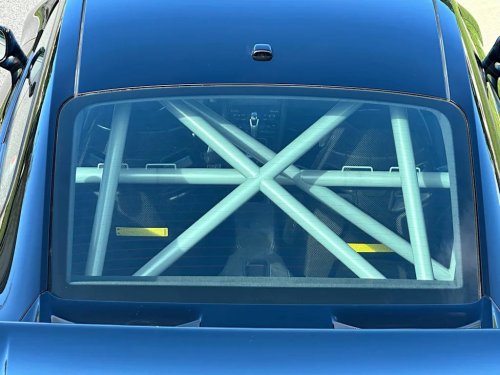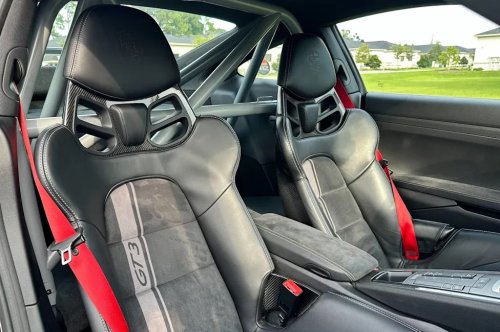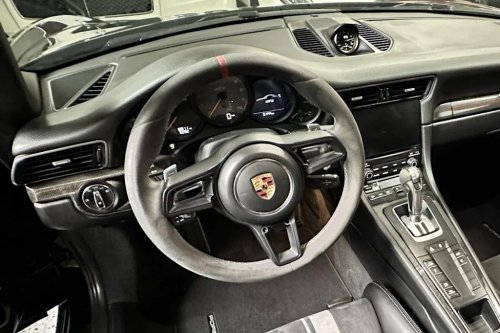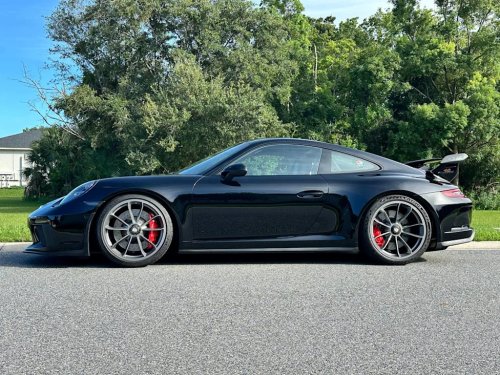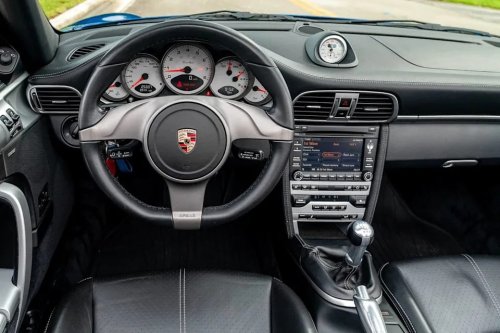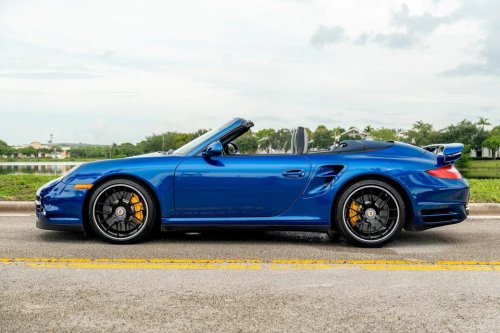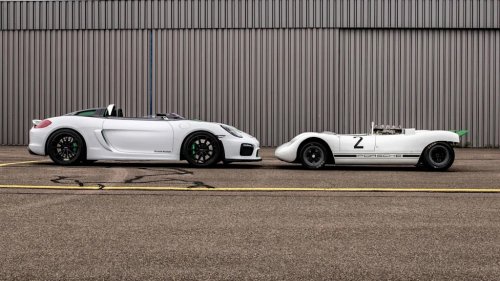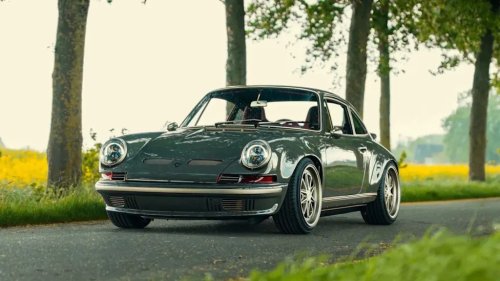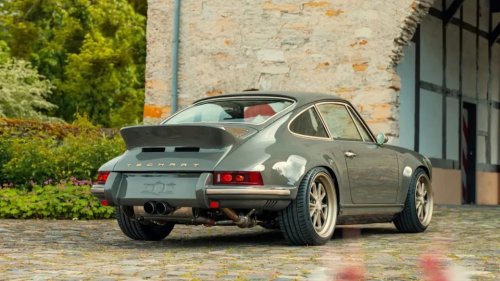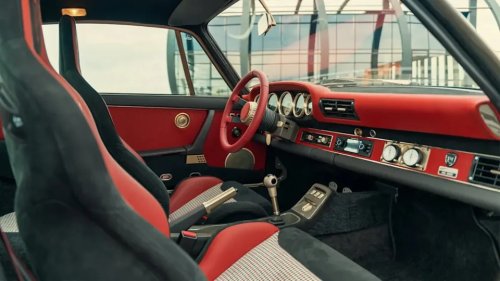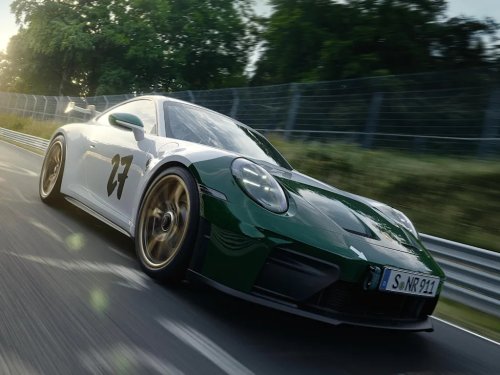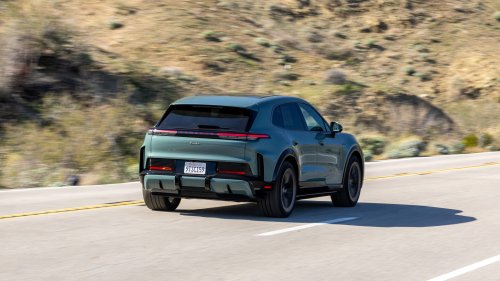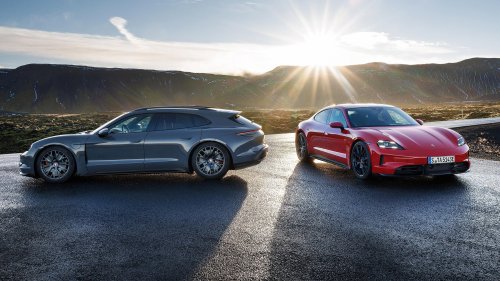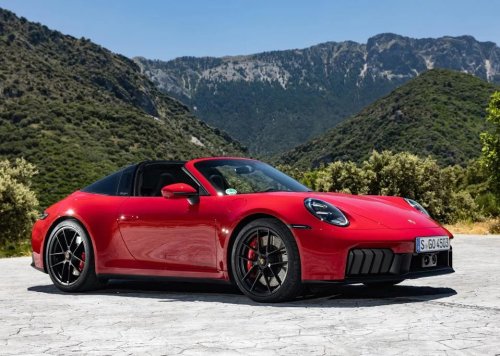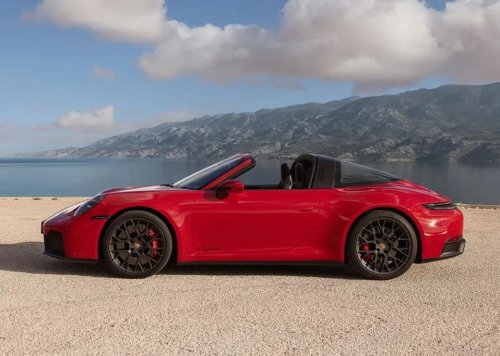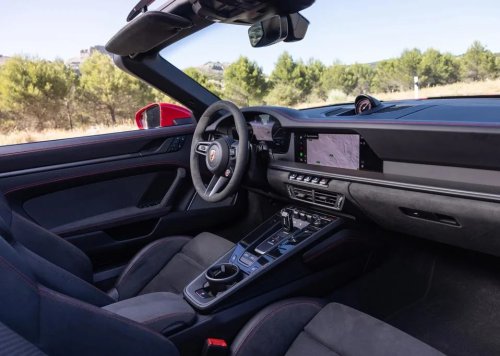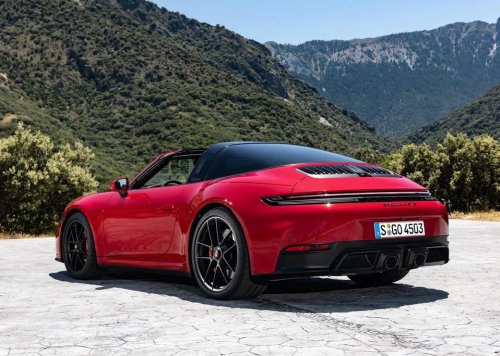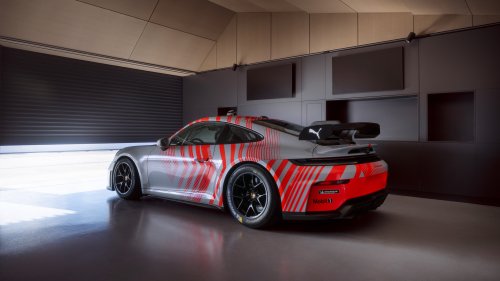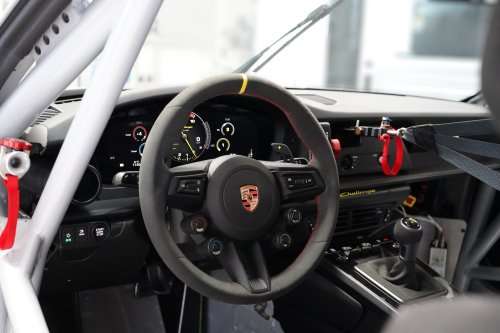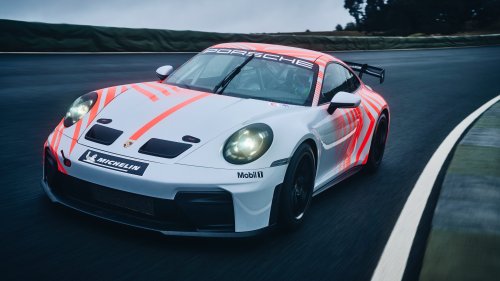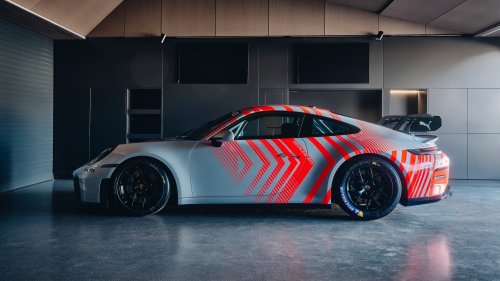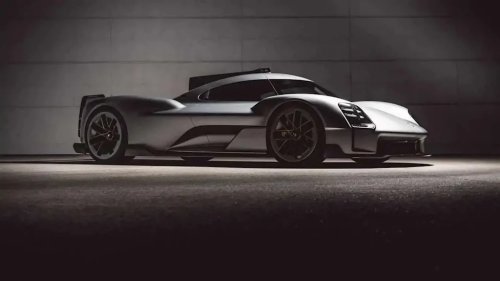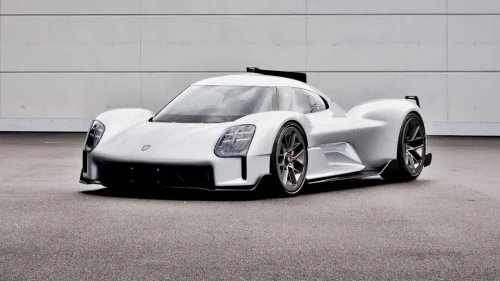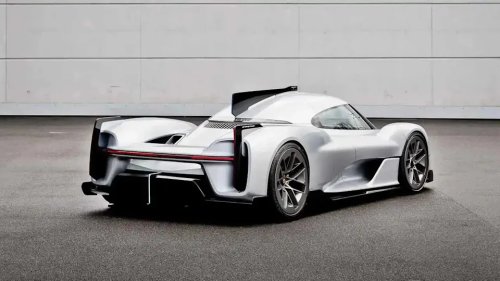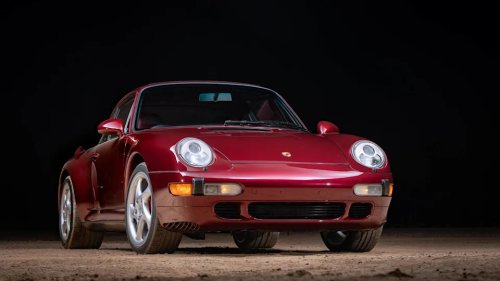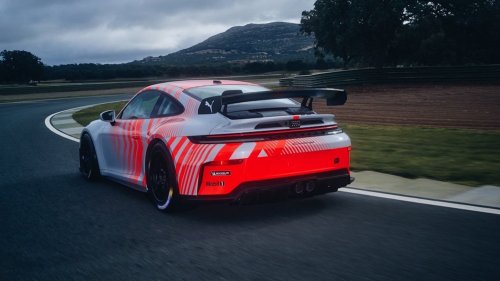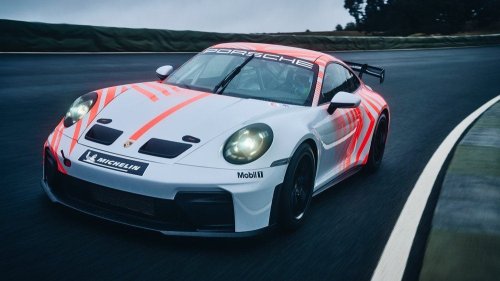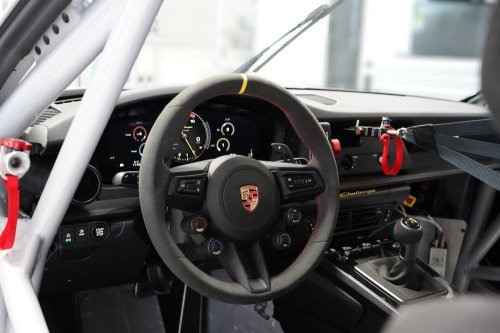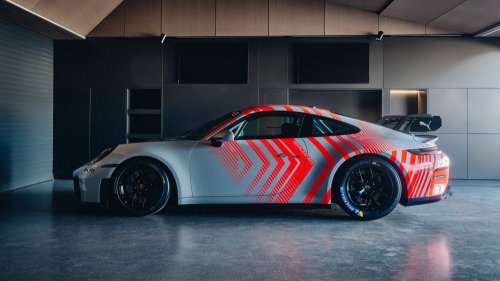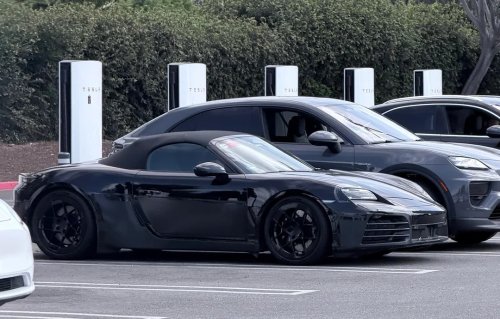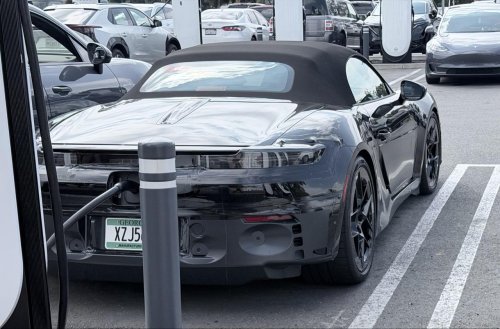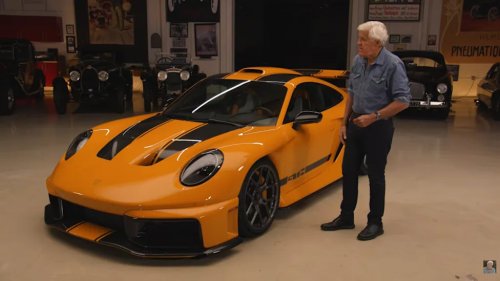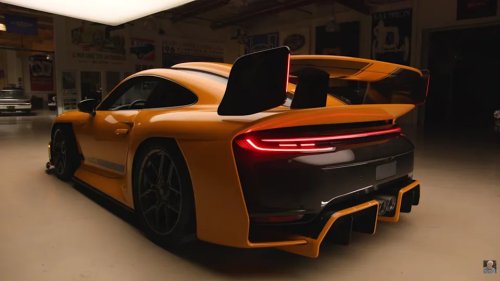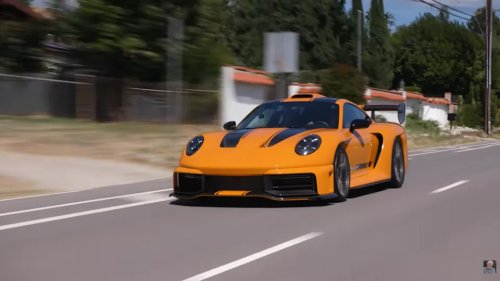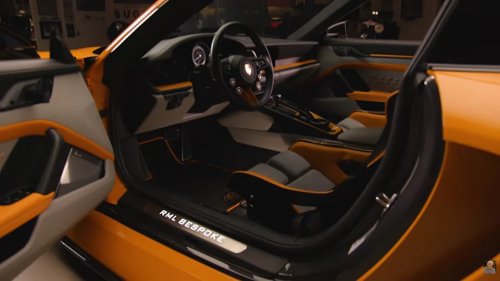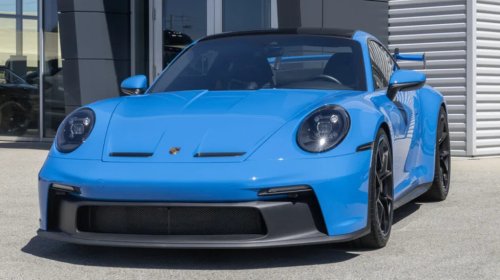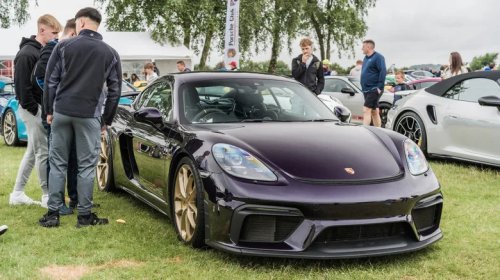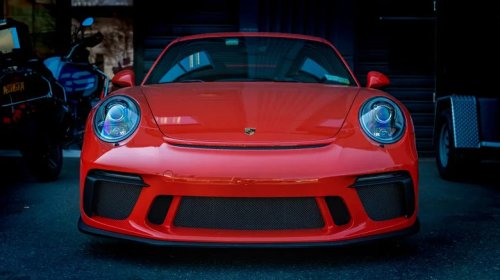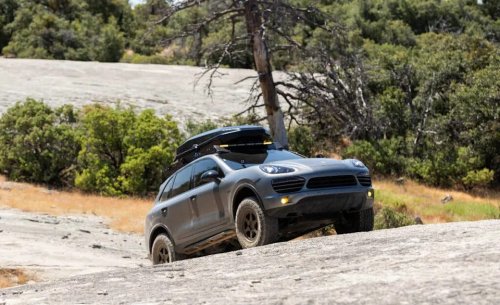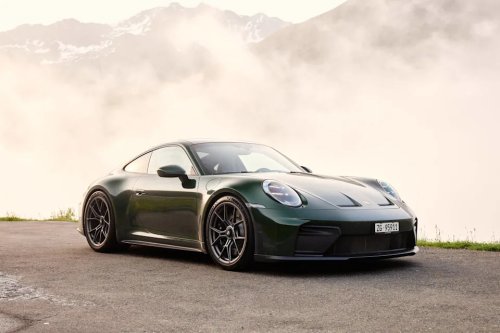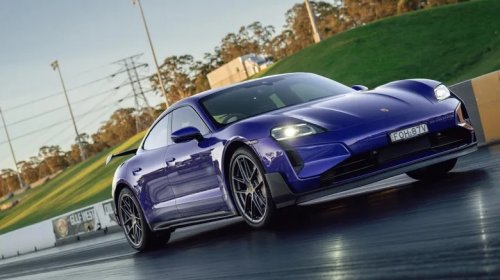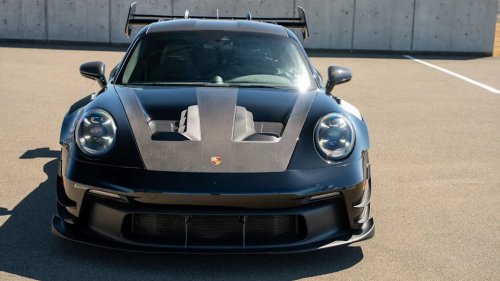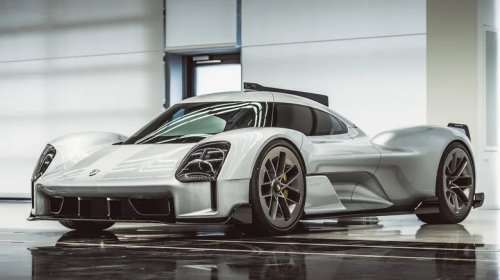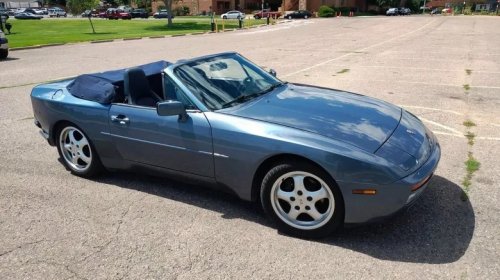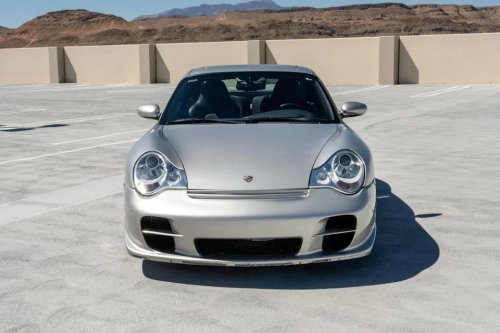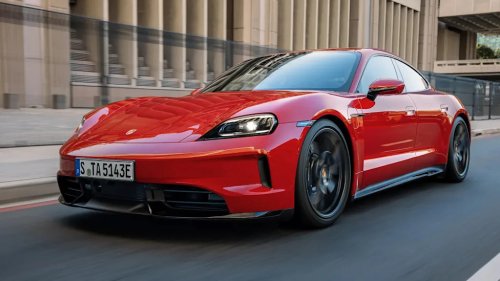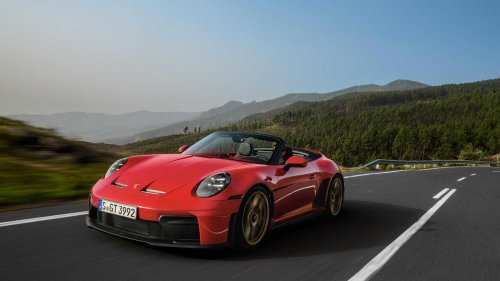
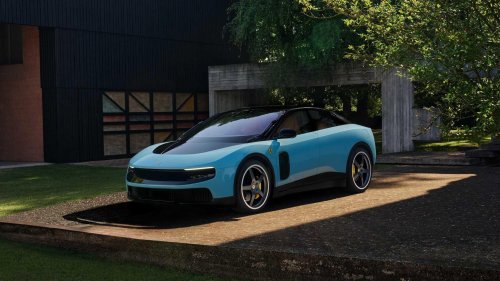
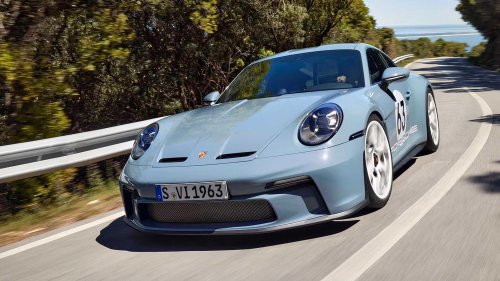
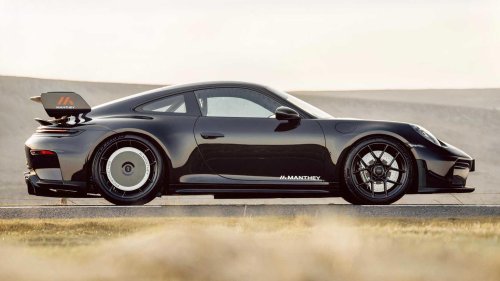



















Porsche CEO Michael Leiters made it official this week: there will never be an electric 911. Speaking at an Auto, Motor und Sport event in Germany on June 11, 2026, Leiters confirmed that the 911 will remain combustion-powered—and, where appropriate, hybrid-assisted—regardless of how the rest of the automotive world evolves. For a car that has spent the better part of a decade at the center of electrification rumors, that's a definitive answer.For the GT3, the GT3 RS, and anyone who has ever heel-toed into a corner with a flat-six screaming behind them, the statement lands as something close to a guarantee. The engine character, the manual transmission option, the naturally aspirated soul of the track-focused 911 variants — all of it survives. This isn't a stay of execution. Porsche is calling it a permanent commitment. What Leiters Actually Said—And Why It Matters Now 2026 Porsche 911 GT3 S-C-31The announcement came through Car & Driver and Road & Track reporting on Leiters' remarks, with Motor1 confirming the same position: Porsche has no plans to produce an electric 911, full stop. The framing was deliberate. While Porsche has been electrifying aggressively elsewhere—the Taycan, the Cayenne Electric Coupe, a growing plug-in hybrid lineup—Leiters drew a clear line around the 911 as the one model that won't follow that path.That distinction matters because Porsche has not been shy about electrification across its range. The 2026 Cayenne Coupe Electric is already on sale. The brand has invested heavily in the Taycan platform. So this wasn't a company retreating from EVs broadly—it was a company specifically protecting the 911's identity while pushing electrons everywhere else. That's a meaningful strategic choice, and it tells you something about how seriously Porsche reads the enthusiast market for its halo car. The GT3 Lineage Is Now on Firm Ground The GT3 has always been the 911 at its most distilled: a naturally aspirated flat-six (4.0 liters, 502 horsepower in current 992.2 form), a rear-wheel-drive chassis tuned for track use, and a choice between a seven-speed PDK or a six-speed manual. The GT3 RS pushes further still, with aerodynamic bodywork and suspension tuning derived directly from Porsche's motorsport programs. A refreshed GT3 RS is already in the pipeline, with a reworked nose and wider diffuser confirmed for the 992.2 facelift.An electric powertrain would have ended all of that. Not because an EV can't be fast — it obviously can — but because the GT3's identity is built around a specific kind of performance: high-revving, tactile, and deeply connected to driver input. The flat-six's character above 7,000 rpm, the way the manual transmission rewards precise footwork, the sound profile at full chat on a track—none of that survives electrification. Leiters' commitment removes that threat entirely. How Porsche's Stance Compares To Ferrari And Lamborghini 2027 Ferrari Luce-15Porsche isn't alone in resisting full electrification for its performance icons, but it is the most explicit. Ferrari has committed to keeping combustion in its lineup through at least the end of the decade while introducing hybrid systems — the SF90 Stradale and the 296 GTB both use electrified powertrains to augment, not replace, their combustion engines. Lamborghini's Revuelto is a hybrid V12. Both brands are hedging: keeping the noise and the cylinders, but adding electric assist to hit emissions targets and performance benchmarks.Porsche's position is different in degree. Hybrids remain on the table for the 911—Leiters' statement covers full electrification, not electrification assistance—but the core combustion architecture stays. For the GT3 specifically, which has never used a hybrid system in road-going form, that leaves the door open for the naturally aspirated flat-six to continue without compromise. That's a more conservative stance than Ferrari or Lamborghini, and for track-focused buyers, it's the right one. What This Means For Collectors And Resale Values PorscheThe collector market for air-cooled and early water-cooled 911s has been running hot for years, driven in part by the fear that combustion 911s would eventually become a finite, closed chapter. That fear just got significantly smaller. A confirmed combustion future for the 911 doesn't deflate the collector market for older cars—scarcity and provenance still drive those values—but it does change the calculus for current-generation GT3 buyers.If the 992.2 GT3 is not the last naturally aspirated 911 GT3, it's still an exceptional driver's car, but it's no longer a potential endpoint. That's actually good news for buyers who want to drive their cars rather than preserve them. It also reinforces the long-term case for the GT3 as a track tool with real resale stability — a car Porsche has explicitly committed to continuing in combustion form.Porsche has spent years navigating questions about the 911's future without giving a straight answer. Leiters' statement this week changes that. The flat-six stays, the manual stays, and the GT3 remains exactly what it was always meant to be. For anyone who has been waiting on that confirmation before pulling the trigger on a 992.2, the waiting is over. TopSpeed's Take MantheyPorsche just gave the 911 the kind of clarity enthusiasts rarely get anymore. The rest of the lineup can chase EVs and hybrids, but the 911’s future still runs through combustion, sound, feel, and the flat-six character that made it matter in the first place.Sources: Car & Driver, Motor1, Road & Track