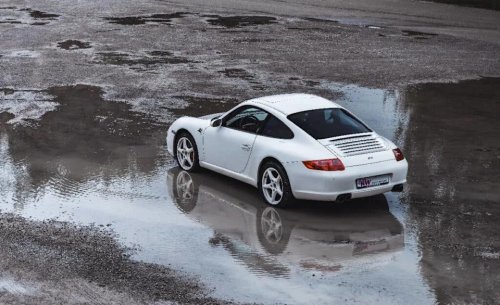
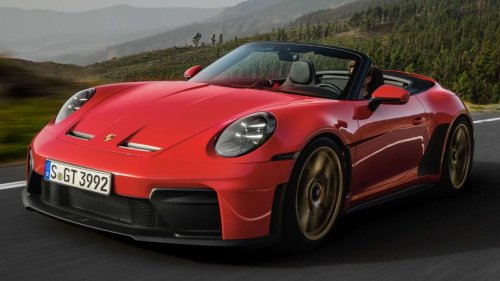
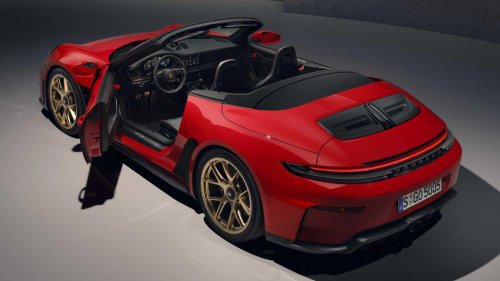
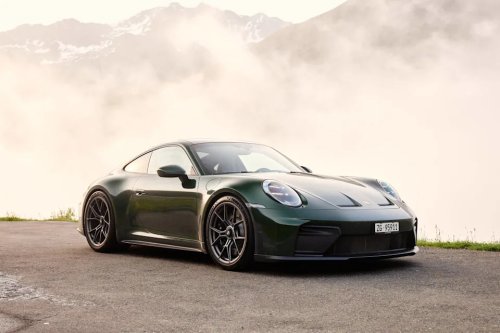
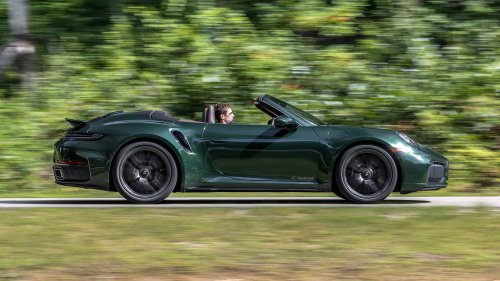
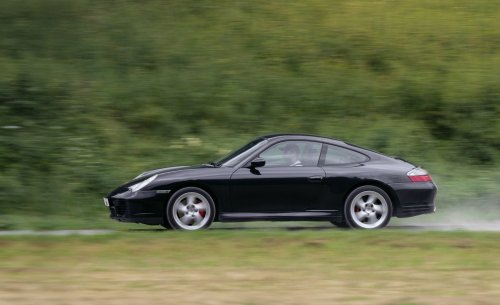
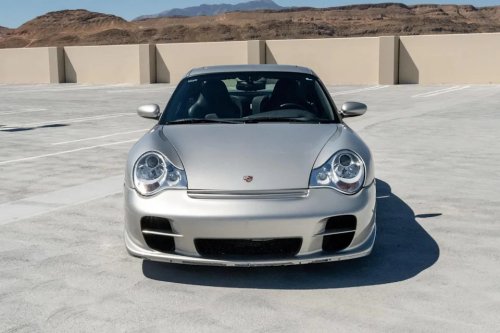
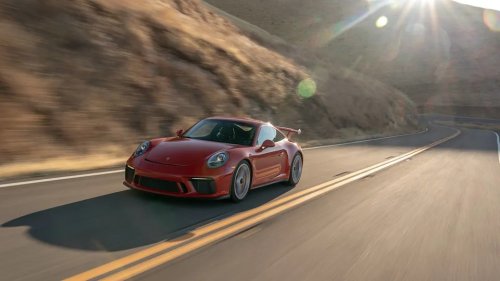
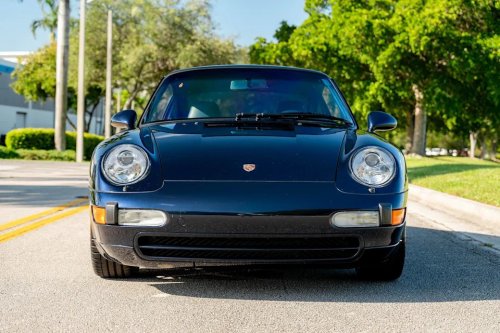
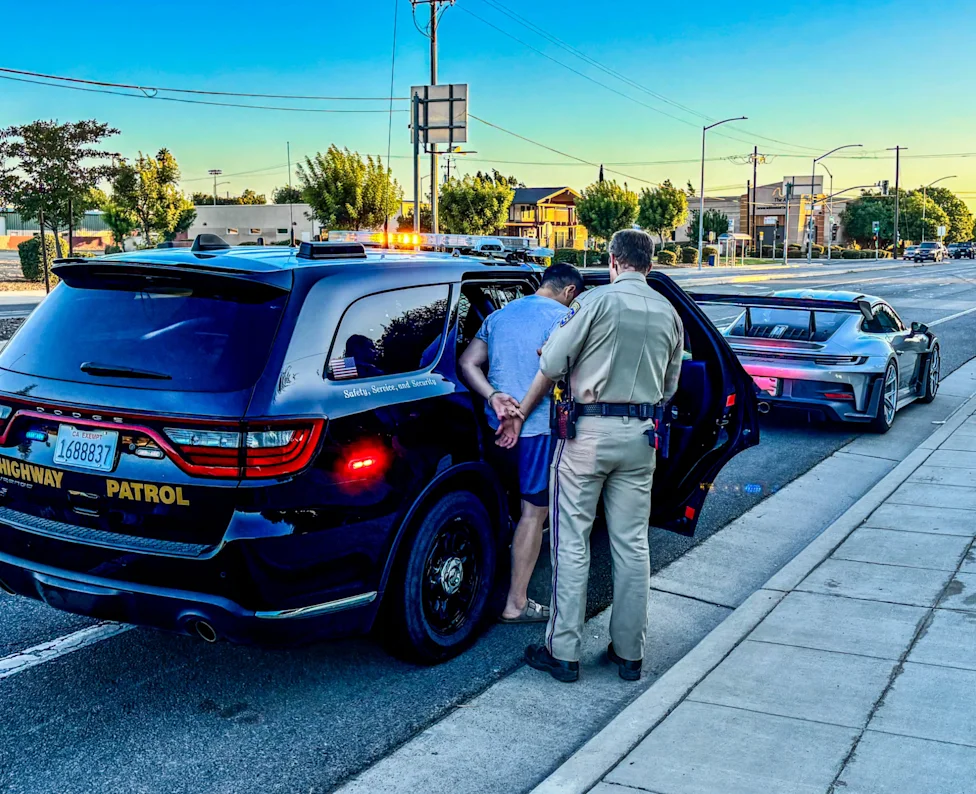
Image Credit: CHP - Fresno.A high-performance sports car and a highway are a tempting combination. Add flip-flops, and apparently you get a very bad afternoon.California Highway Patrol's Fresno division posted photos this week of a Porsche 992 that had been pulled over on Highway 168 after the driver was clocked well above 140 miles per hour. CHP noted the stop fell during an active Maximum Enforcement Period, the kind of concentrated patrol effort that puts extra officers on the road specifically to catch behavior like this. The post was pointed but matter-of-fact: drive that fast, risk lives including your own, and do not be surprised when the day ends with handcuffs and a tow truck. The car, CHP added, was going too.The 992 is the current generation of the Porsche 911, a car that starts around $115,000 for the base Carrera and climbs steeply from there depending on trim. A GT3 RS, one of the more track-focused variants, can push past $240,000 before options. These are not bargain-bin machines, and that context sparked immediate commentary in the replies. One commenter put it plainly: the Porsche is worth roughly twice the annual salary of anyone in the department, meaning the driver can almost certainly afford both the ticket and the tow. That observation landed with the dry humor the situation warranted.AdvertisementAdvertisementThe comment section, as comment sections tend to do, covered the full spectrum. Some pointed out that the 992 platform is engineered to handle speeds well beyond what most roads legally permit. Others noted the footwear visible in the photos, apparently flip-flops, which at triple-digit speeds on a public highway tends to lower the sympathy quotient considerably. A few compared CHP's enthusiasm for stopping sports cars versus other vehicle types. All fair points, all beside the legal one.What the 992 Is Actually Capable OfThe 911 in its current generation is genuinely one of the more accomplished sports cars in production. Base Carrera models reach around 182 mph. The GT3 RS, with its 518-horsepower naturally aspirated flat-six, is factory-rated beyond 184 mph. So yes, the car was built for speed. The engineering to back up those numbers is real.The engineering does not, however, include a suspension tune for potholed California state highways shared with commuters, semis, and the occasional confused sedan doing 55.Maximum Enforcement Period: What It MeansCHP's Maximum Enforcement Period is a designated stretch during which officers are specifically deployed in higher numbers to address traffic violations. These periods typically coincide with holidays or high-traffic events, and they exist precisely because injury and fatality rates on California roads spike during those windows.AdvertisementAdvertisementThe strategy is visible, deliberate, and well-publicized, which makes driving 140 mph during one a particularly optimistic choice.The Tow Is the Part That StingsCalifornia law allows officers to impound vehicles involved in certain speed violations, and triple-digit enforcement stops qualify. The driver faces not just citation costs but tow fees, storage fees, and the process of recovering a car that is, again, worth six figures.Whatever the ticket runs, the impound math adds up fast. The commenter who noted the driver can afford it may be right, but "can afford it" and "wants to deal with it" are meaningfully different things.The Broader PointHigh-performance cars exist because the engineering is worth celebrating. The Porsche 911 has earned its reputation across decades of development, and the 992 generation is by most accounts the best one yet. None of that changes what Highway 168 is: a public road with other people on it. The physics of a 140-mph stop in an emergency do not negotiate with the car's pedigree.AdvertisementAdvertisementCHP's point was simple, and the tow truck made it more permanent.If you want more stories like this, follow Guessing Headlights on Yahoo so you don't miss what's coming next.



















 +6 others