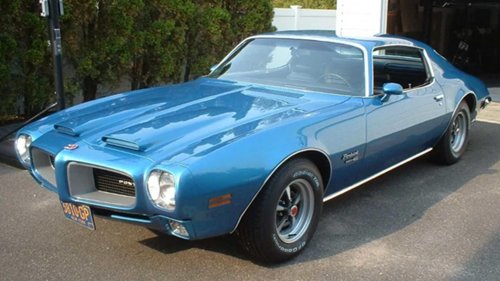
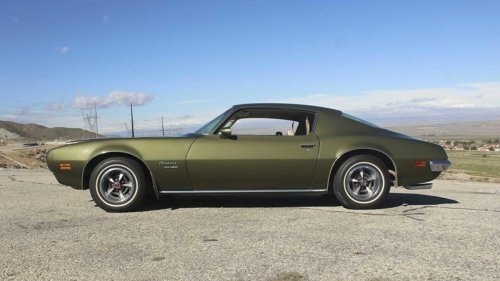
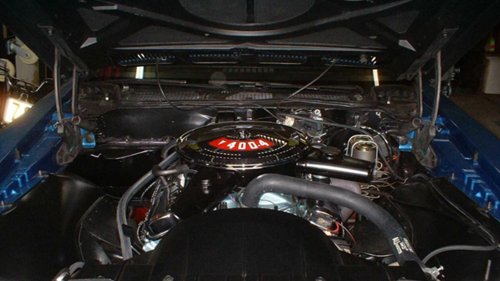
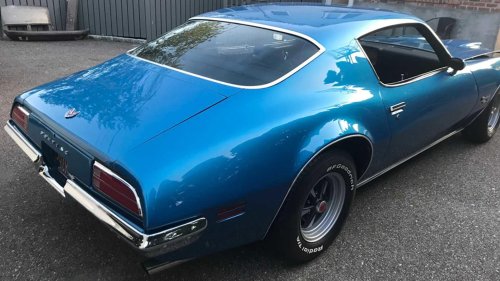
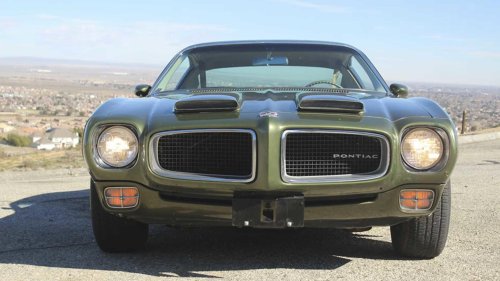
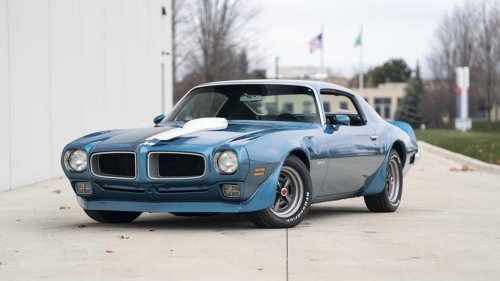
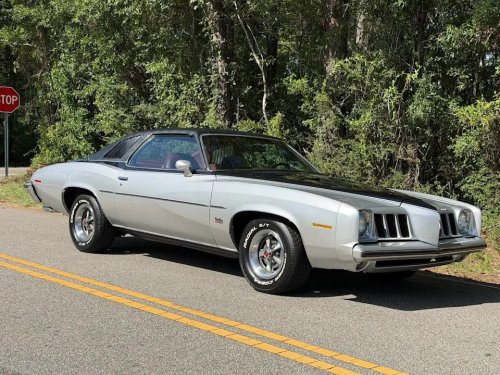
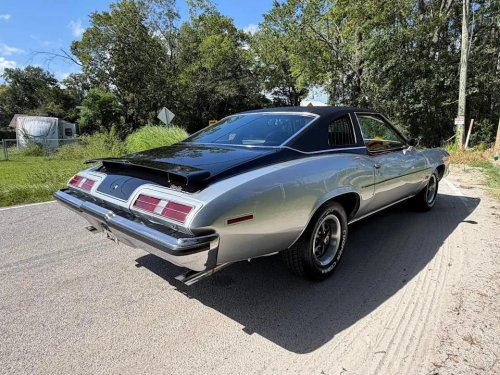
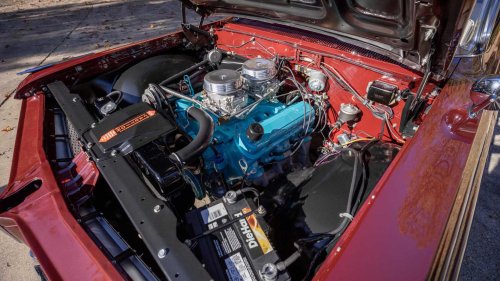
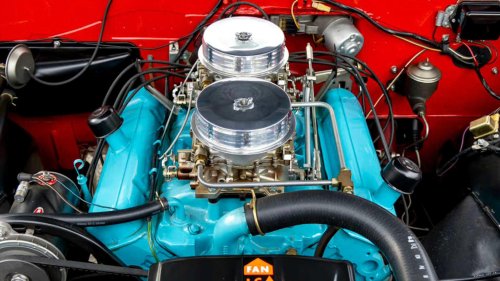
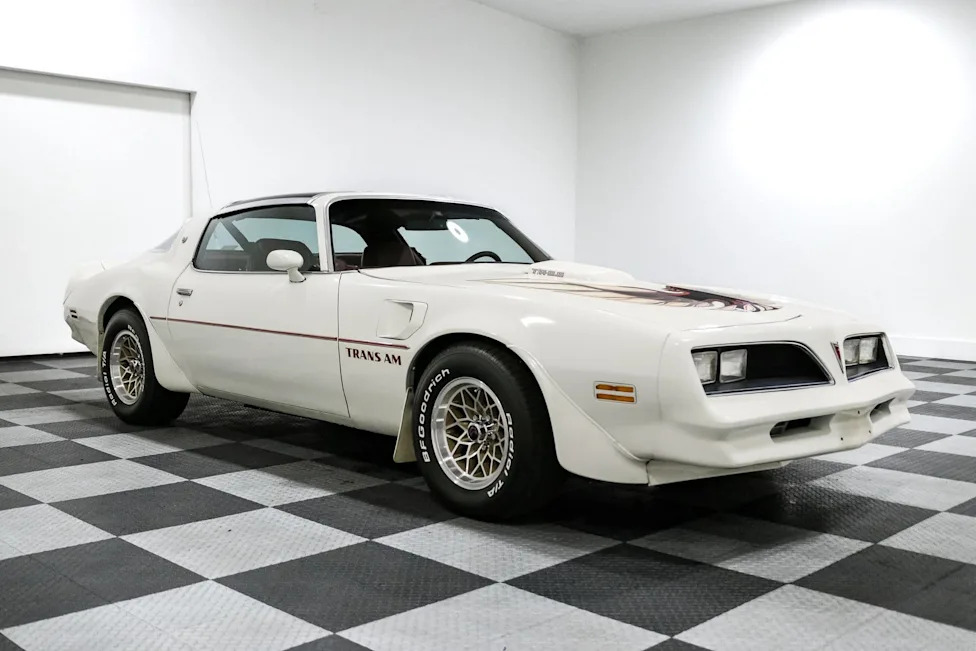
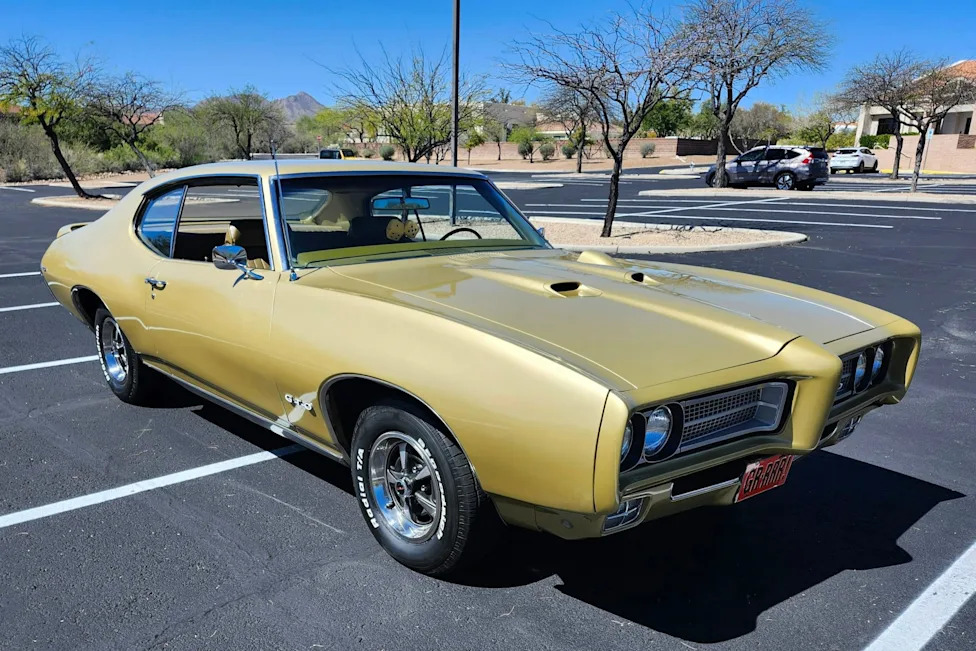
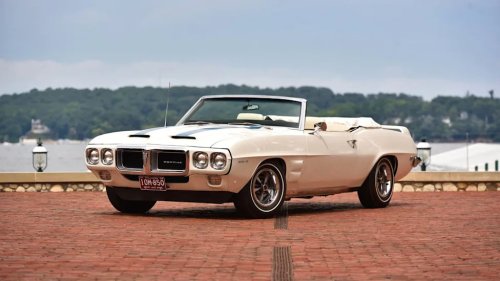
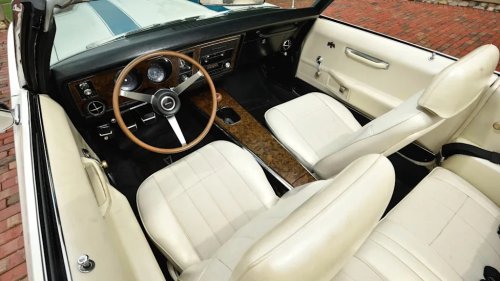
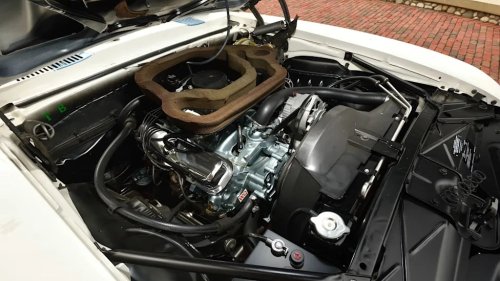
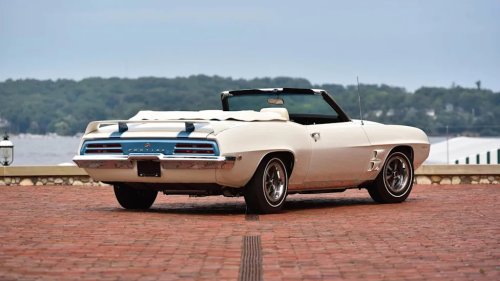
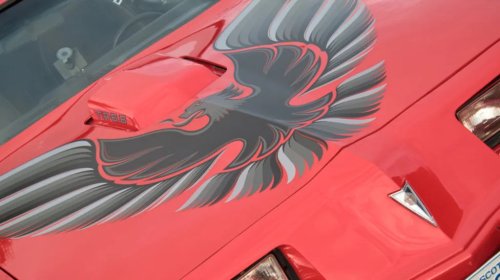
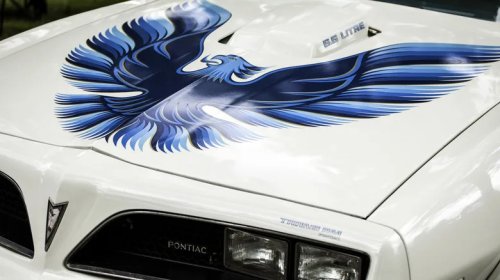
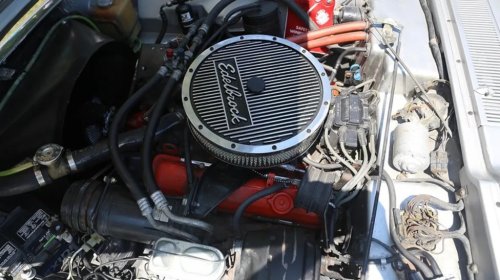
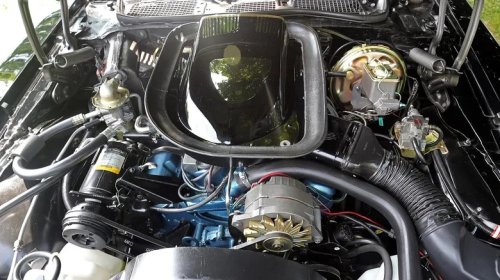
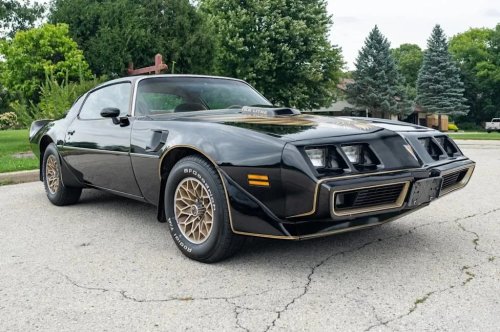
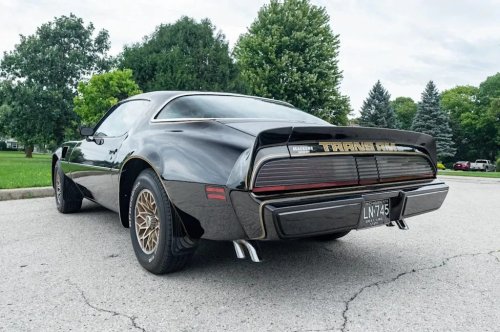
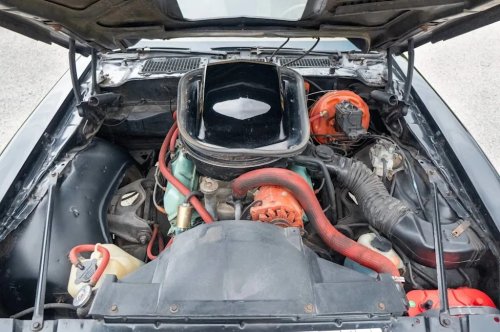
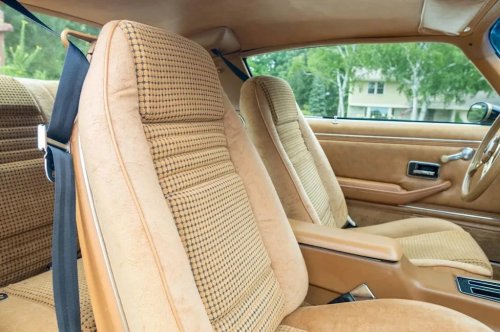
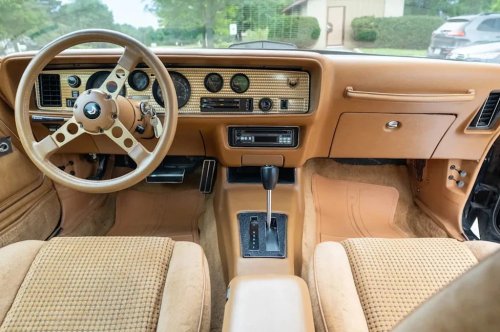
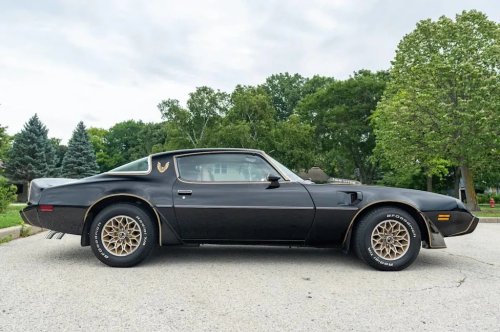
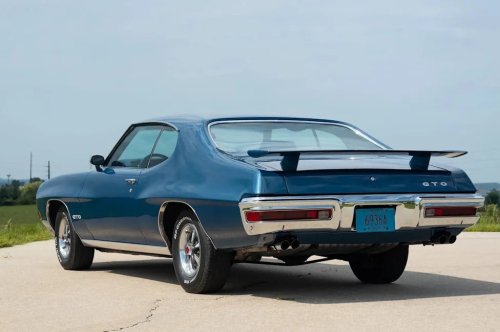
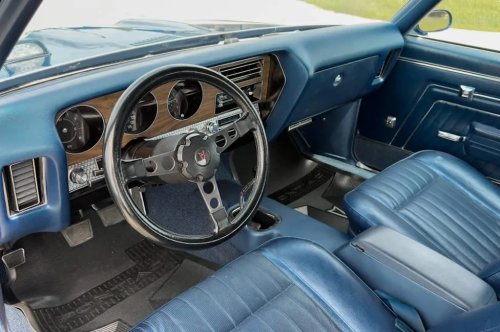
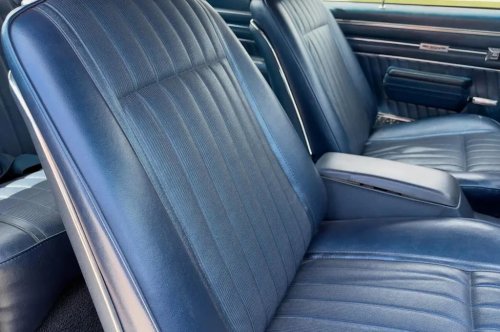
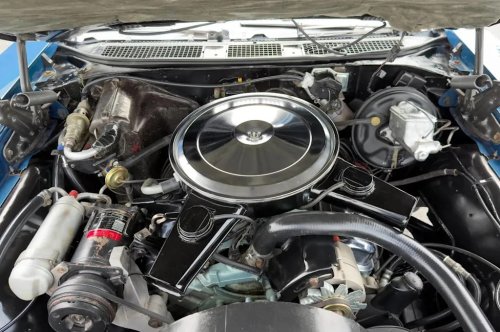
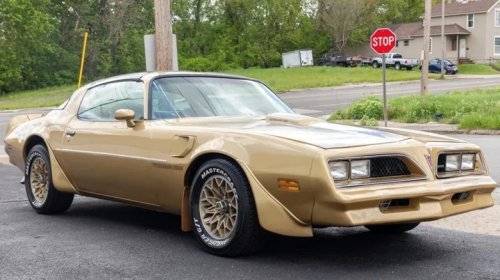
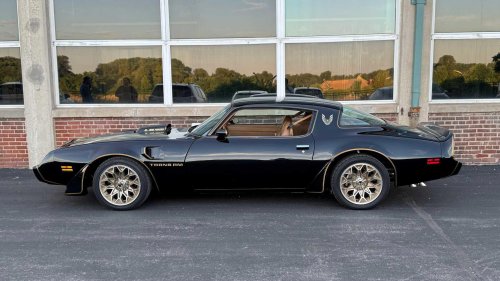
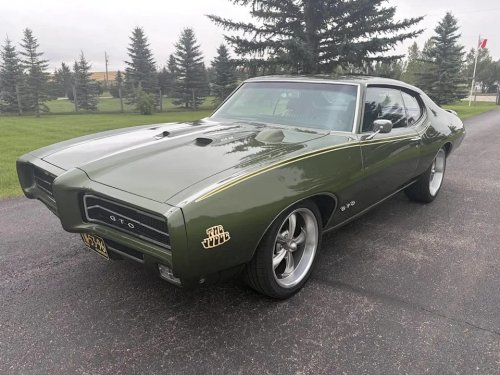
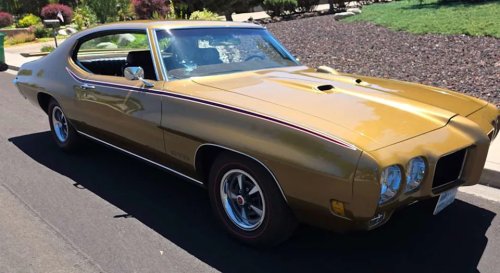
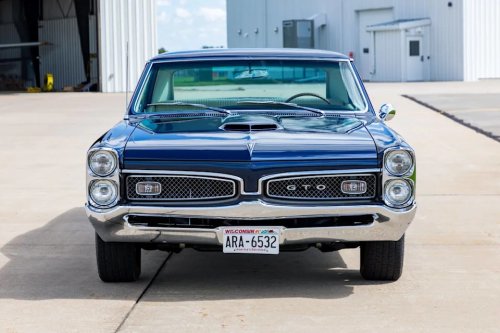
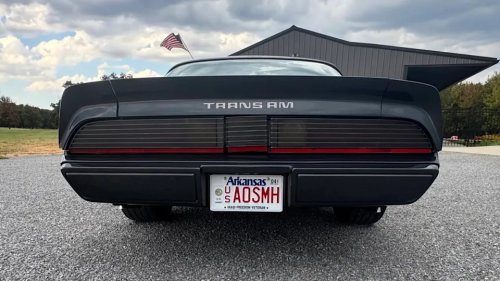
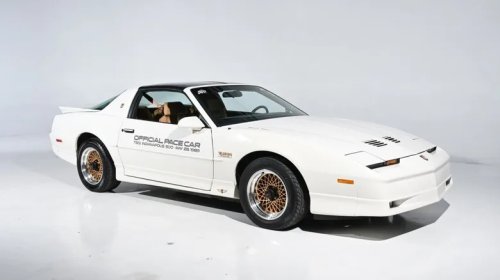
The golden age of American muscle is well-documented, but one of its most compelling chapters belongs to a car that deliberately avoided the spotlight. The 1960s had turned Detroit into a horsepower arms race — sparked by the 1949 Oldsmobile Rocket 88 and truly ignited by the 1964 Pontiac GTO — and by the turn of the decade, the public was throwing money at anything packing a massive V8 and a bucket full of charisma. The louder and more outrageous, the better. Which is exactly what makes the 1970 Pontiac Firebird Formula 400 so fascinating: it offered every bit of that muscle car firepower while looking like it had somewhere quiet to be.As cars grew ever more powerful and visually aggressive, it became genuinely difficult to find a machine that delivered muscle car performance wrapped in understated styling. In 1970, Pontiac made that dream a reality. The Second-Gen Firebird Was The Car Pontiac Had Always Wanted To Make Bring a TrailerHaving essentially kicked off the muscle car golden era with its 1964 GTO, Pontiac felt entitled to stake a claim in the pony car segment too — a space that Ford had established in style with the Mustang. Frustratingly for the brand, parent company General Motors handed the assignment to Chevrolet instead, with that division developing the well-received Camaro as a direct counter to its bitter rival. Pontiac was permitted to build its own pony car, but its request for a bespoke platform was met with a firm no. The first-gen Firebird had to share the Camaro's underpinnings, and the finished product looked strikingly like a rebadged version of Chevy's offering.Fortunately, the John DeLorean-run Pontiac operation got its way for the second-gen Firebird, and was allowed to build the car it had wanted to make the first time around. The machine debuted for the 1970 model year and was available in four distinct flavors. The Formula 400 Was The Gentlemans Pony Car Mecum Auctions The base version was known simply as the Firebird, offered with the least provocative styling and performance hardware, with a 4.0-liter inline-six as the standard engine. The Esprit was more of a luxury-oriented GT car available with a pair of V8s, aimed at drivers who wanted to cruise comfortably but could still have a little fun along the way. Then you came to the big guns: the Formula 400 and the Trans Am.The latter speaks for itself — the range-topping Firebird built to take on the fastest pony cars on the market. It looked the part and performed the part, and was ideal for those who wanted onlookers to know exactly what they were driving. But then you had the Formula 400, which catered to the more understated muscle car enthusiast with its quieter styling cues. You'd be badly wrong to underestimate it, though. The Formula 400 Was Capable Of Achieving The Same Performance As The Trans Am Bring a Trailer Whichever version of the Firebird Formula 400 you opted for, you'd be moving swiftly. The standard spec came with a 6.5-liter V8 producing 330 hp, sent to the rear wheels through a three-speed transmission fitted with a legendary Hurst shifter. Already pretty formidable, you could also option the enhanced 345-hp 6.5-liter Ram Air III unit found under the hood of the Trans Am, for a modest additional outlay. The Formula 400 also came with a heavy-duty suspension setup to reduce body roll, front and rear stabilizer bars to stiffen the chassis, front disc brakes to aid turn-in, and upgraded tires straight from the factory.The Firebird Formula 400 could crack 60 mph in around 6.5 seconds with the standard engine, with that figure approaching six seconds when the Ram Air III was fitted. Its Reigned-In Looks Turned It Into Somewhat Of A Sleeper Bring a Trailer What set the Formula 400 apart from the Trans Am — and from most muscle cars of the era — was its restrained design. While the Trans Am wore loud color schemes that typically involved racing stripes, large front and rear spoilers, and aggressive air inlets on the front fenders, the Formula 400 barely looked any different from the lower-end models. The only real visual departure from the Esprit was a revised hood featuring a pair of wide functional air scoops.There were no wild spoilers or other body modifications, and no look-at-me decals. Being loud and obnoxious are attributes usually hard-wired into the DNA of a muscle car, but the Formula 400 catered to those who wanted all the benefits of a full-fat performer without the attention that came with it. Used Formula 400s Are Surprisingly Cheap In 2026 Mecum Auctions It's not just the styling of the 1970 Firebird Formula 400 that's understated — so is its asking price on the collector market. According to Hagerty's Valuation Tool, good-condition examples with the standard 330-hp V8 can be found for around $26,000, with less well-preserved cars available for under $15,000. Even low-mileage, concours-quality Formula 400s tend to top out around $70,000 — a relatively accessible figure for such a capable classic muscle car.Vehicles with desirable options will cost more. Four-speed manual-equipped cars come in at closer to $32,000, while the Ram Air III adds a meaningful premium. Good-condition examples of these more powerful Formula 400s tend to change hands for around $44,500, with concours-ranked machines worth a cool $90,000. As with the standard cars, expect to add roughly 20% to the price of any Ram Air III example fitted with the four-speed gearbox. The Trans Am Will Attract More Attention, And More Of Your Savings Mecum Auctions While the Formula 400 could match the Trans Am dynamically in almost every respect with the right options, it simply fades into the background when it comes to collector pedigree. The Trans Am is and will always remain the flagship of the Firebird range, and its elevated values reflect that status. The standard Trans Am commands around $6,000 more than a Ram Air III-equipped Formula 400, according to Hagerty, despite sharing the same fundamental hardware. Good examples can be had for around $50,000, while mint-condition cars will set you back north of $100,000.The most valuable 1970 Firebirds are Trans Ams fitted with the rare Ram Air IV V8, of which just 88 were built that year. The Ram Air IV produced 370 hp and could comfortably dip under six seconds to 60 mph. Good examples command around $96,000, while showroom-fresh specimens regularly attract over $160,000 when they surface at auction. The Trans Am undoubtedly fits the more accepted mold of a muscle car thanks to its charismatic styling and movie-star fame, but that arguably makes the sleeper Formula 400 all the more compelling. You'll save a significant sum and still end up with a rabid classic muscle car on your hands. Not a bad deal at all.