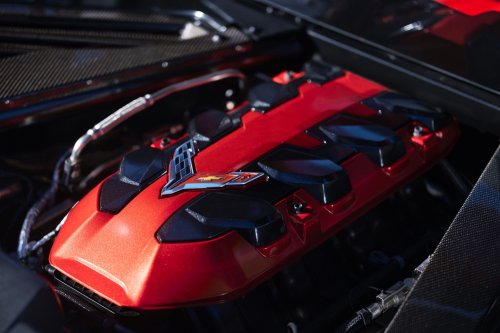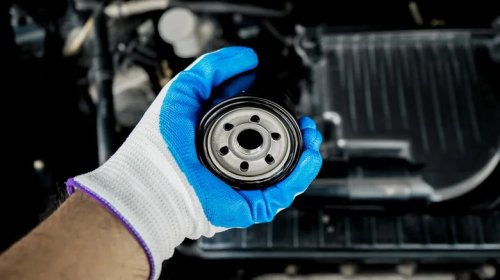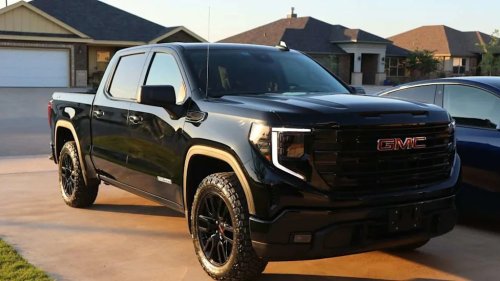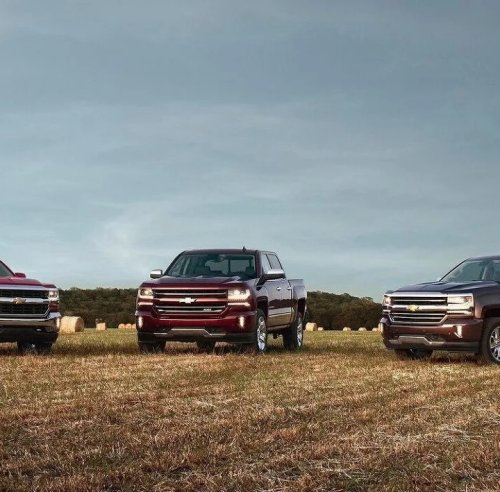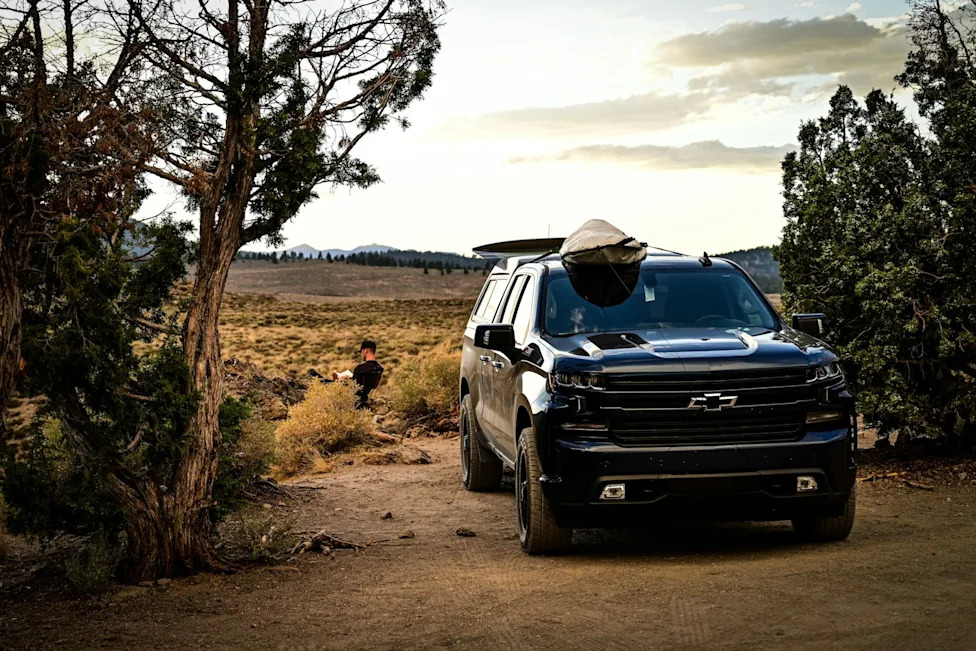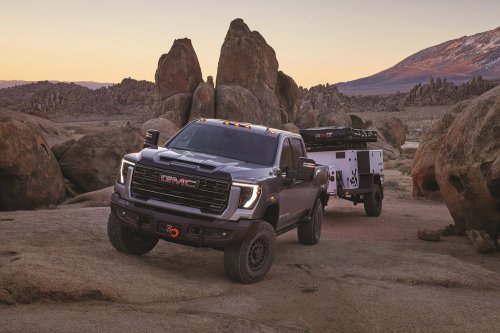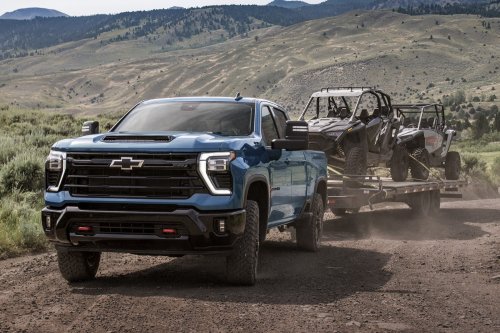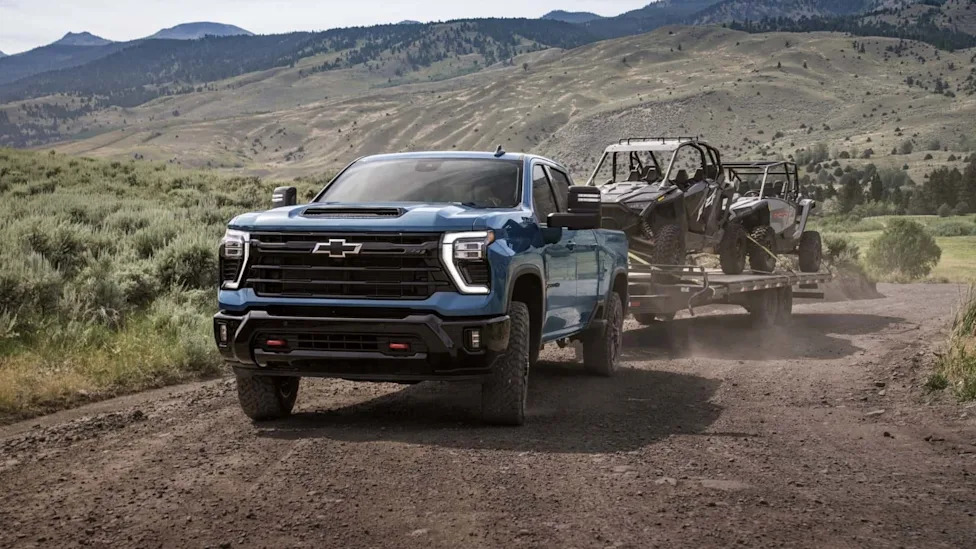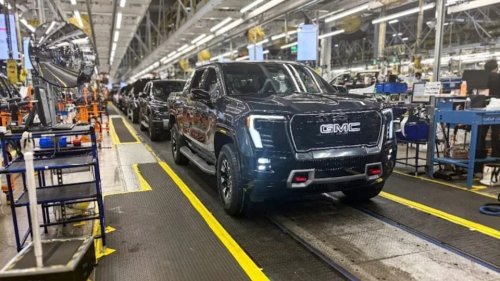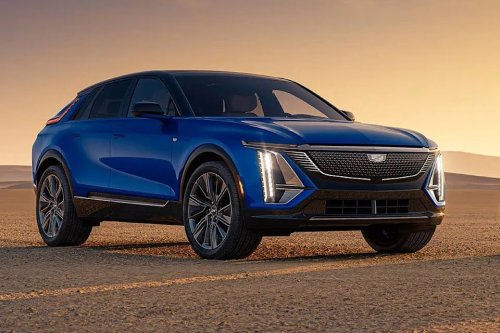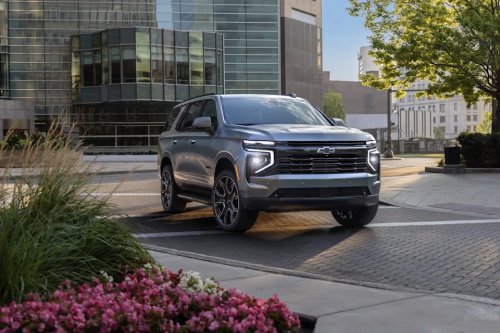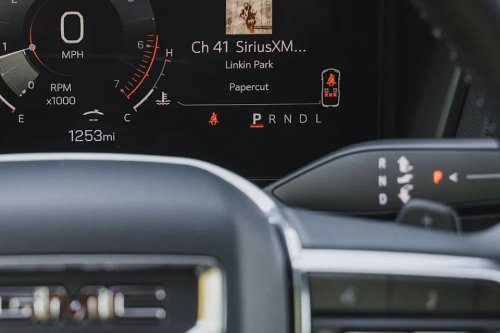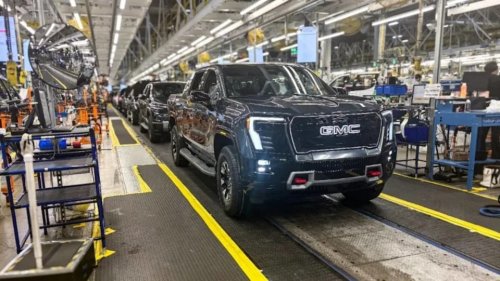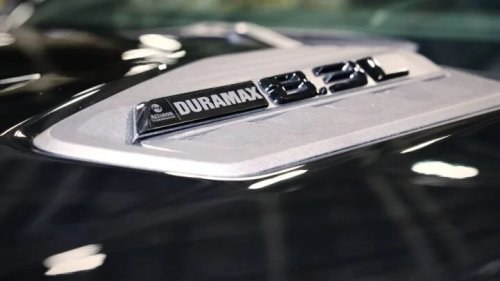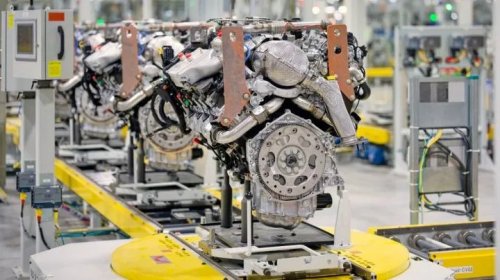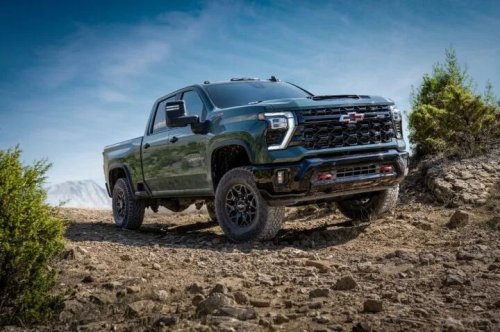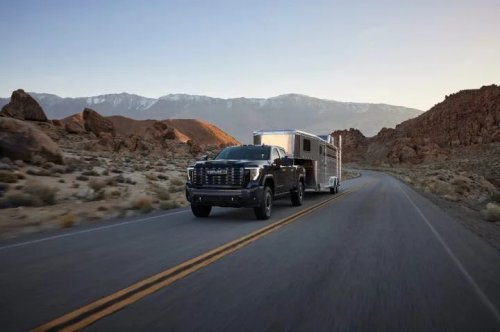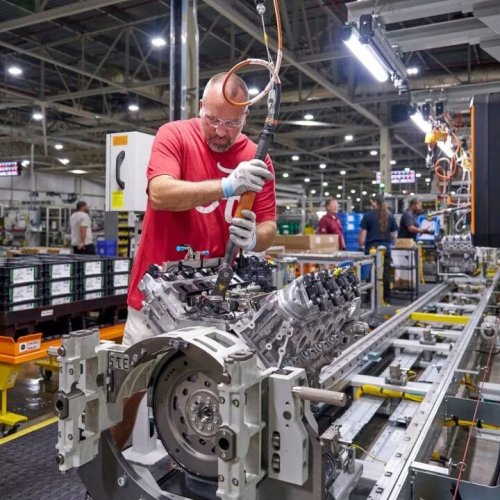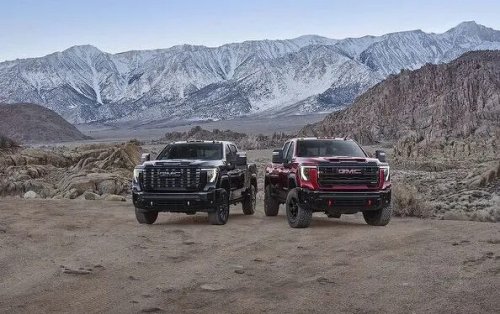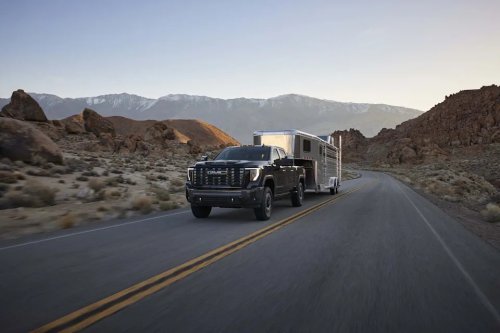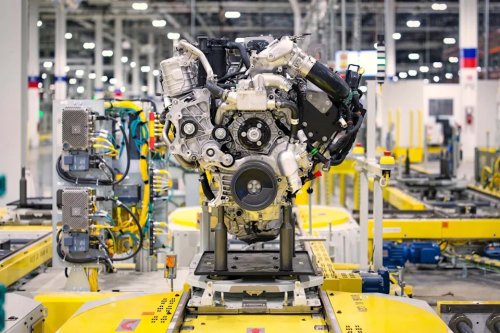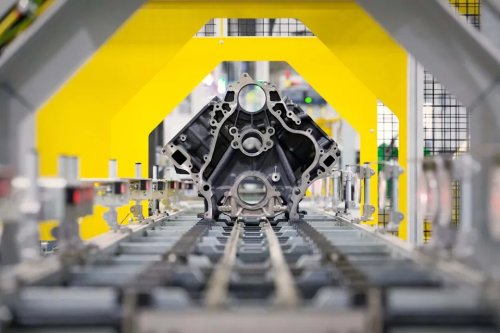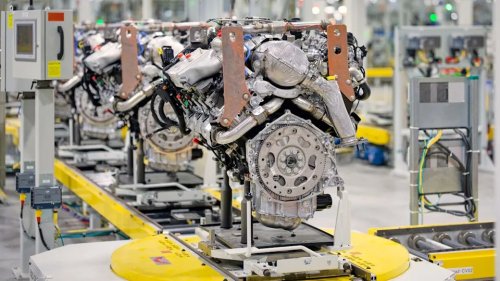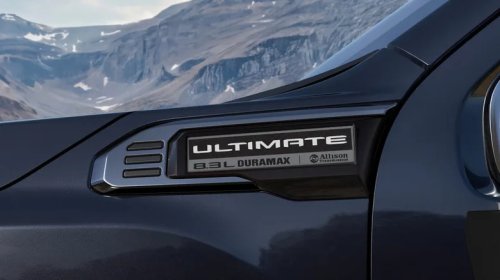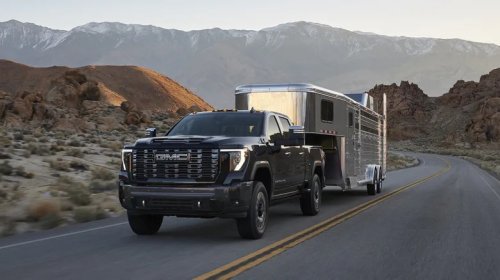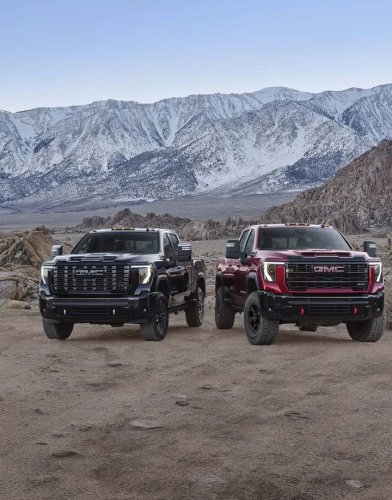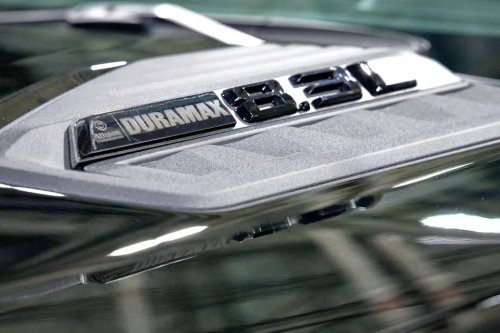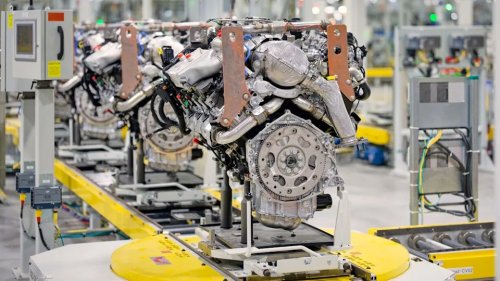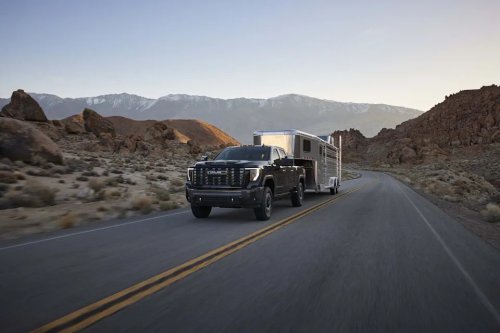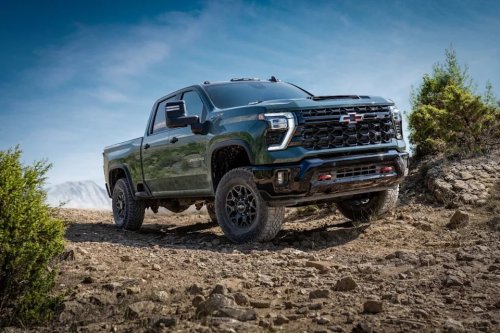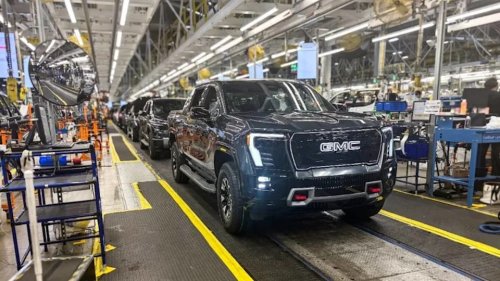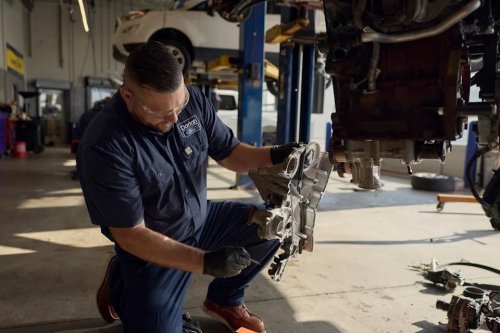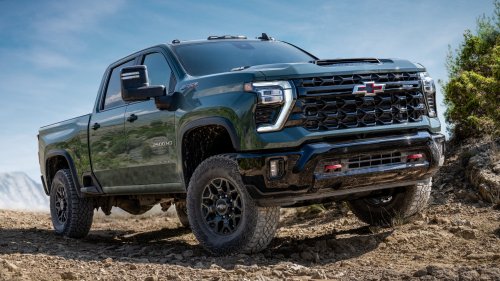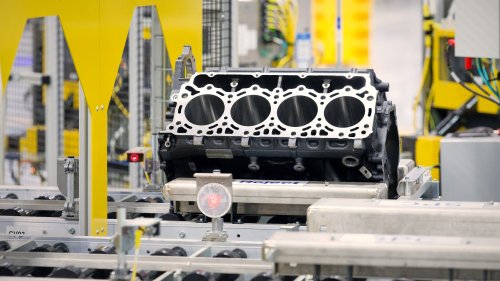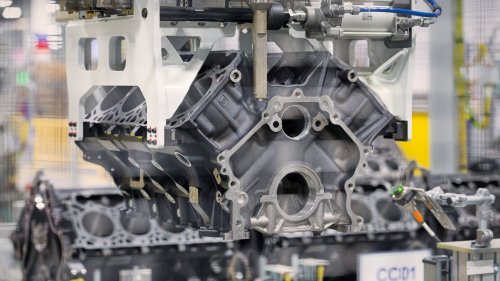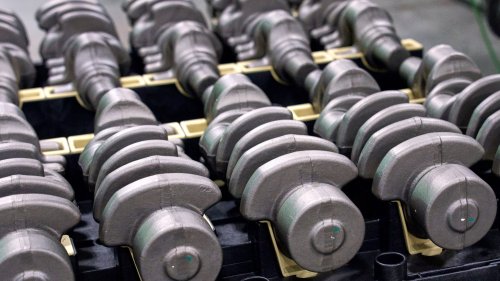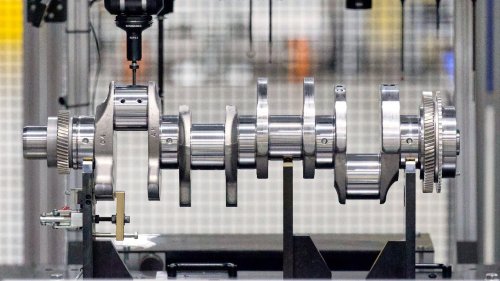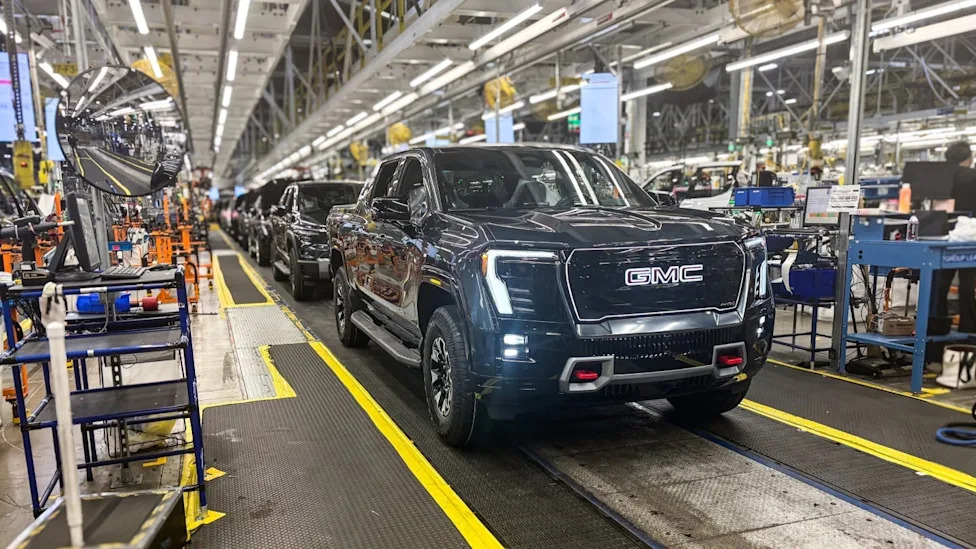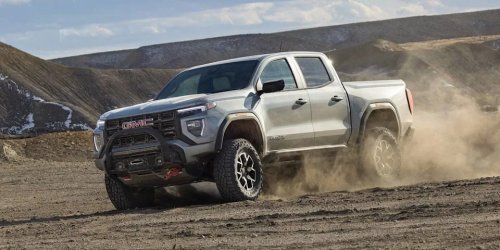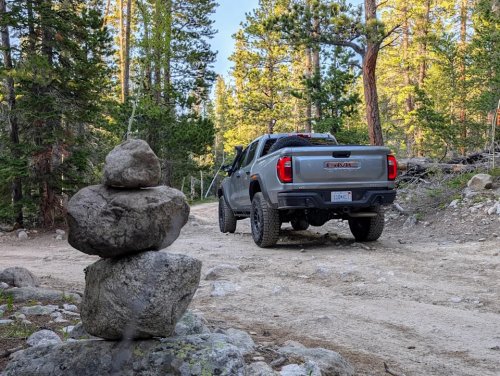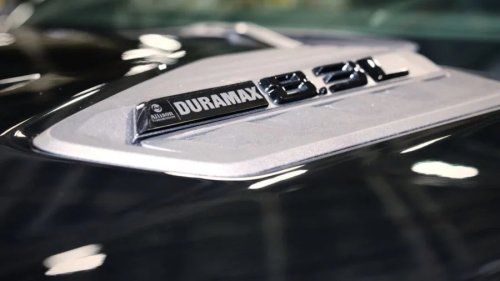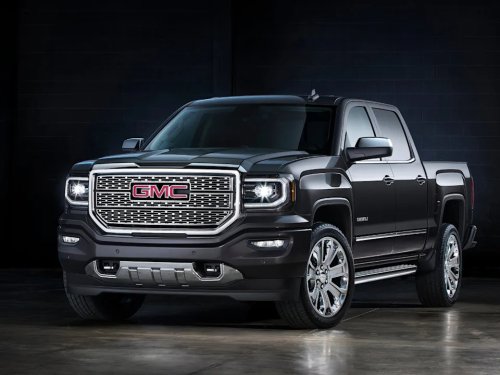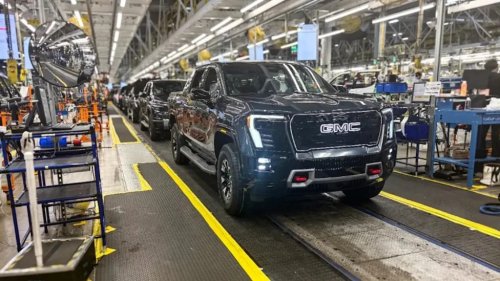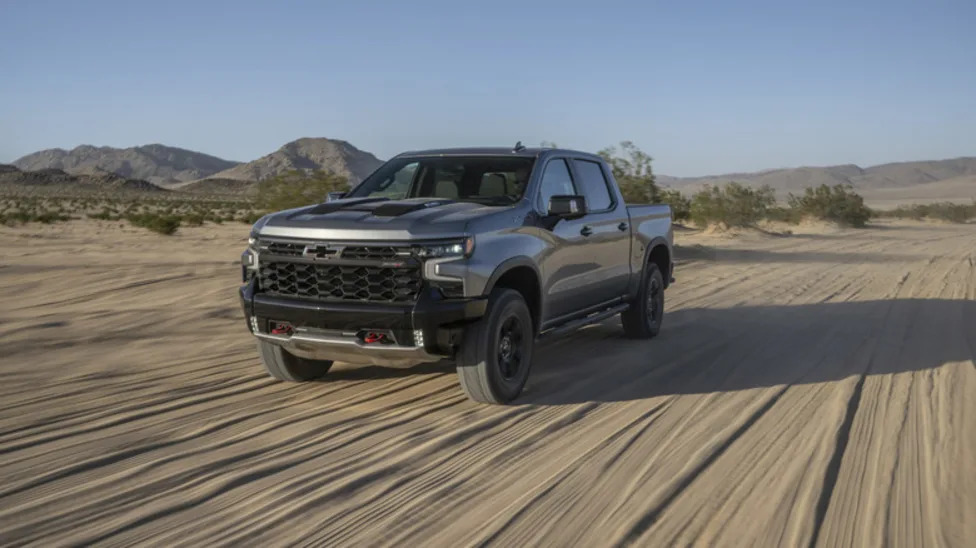
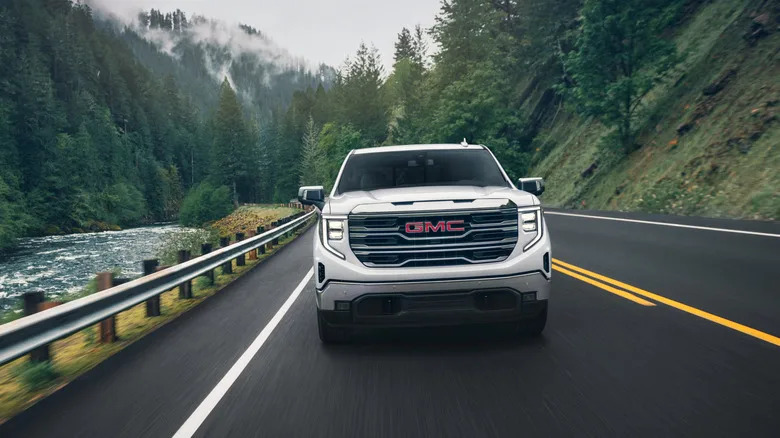



















ChevroletIf a manufacturer recalls your car, you generally expect that their fix will, you know, fix it. That's usually true, but not always, and it isn't even a Ford that's in need of an additional fix this time. GM's 6.2-liter V8 fix may not be as effective as it hoped, prompting a National Highway Traffic Safety Administration investigation into hundreds of engine failures after dealers performed the recall work, reports Pickup Truck +SUV Talk.It all started with GM's recall of nearly 600,000 L87 V8 engines after 28,000 of them had crankshaft, connecting rod, or engine bearing failures. This was GM's big V8 of choice in the Chevy Silverado 1500, Suburban, and Tahoe, the GMC Sierra 1500 and Yukon, and the Cadillac Escalade, some of its most popular models. Under the recall, engines were inspected and repaired or replaced as necessary. Engines that passed inspection were respecified to run 0W-40 oil, rather than 0W-20 as originally equipped, as well as a new oil filter, a new filler cap with the 0W-40 specification written on it, and even an update to the user manual for the same reason. The higher viscosity oil was supposed to eliminate the risk of damage from manufacturing defects in the connecting rods and crankshafts. No L87 ever failed again, and we all lived happily ever after, right? Not quite.AdvertisementAdvertisementRead more: When (And Why) Did Cars Switch From Leaded To Unleaded Fuel?Nearly a million trucks now under investigationGMCTo date, NHTSA has received reports of 499 additional engine failures after the recall work was done. This includes 473 that had been switched to thicker oil, plus 26 replacement engines. Separately, GM received 6,953 reports of post-recall engine failures. That's well over 10% of the recalled engines. It makes you wonder whether the recall, and the use of thicker oil to address a manufacturing defect, really worked. As a result, the NHTSA Office of Defects Investigation has now opened an Engineering Analysis into whether the recall was actually effective or not. It cites even more evidence that it may not have been. Those 26 replacement engine failures are particularly concerning. The recall had specified that the affected engines were built between March 1, 2021, and May 31, 2024. The replacements were built after this, and should not have failed in exactly the same way. There have also been an additional 191 reported failures of engines built after the original recall's 2024 cutoff date. The Engineering Analysis is looking not only at the engines originally recalled, but all the way through 2026, expanding the probe to 997,743 engines. The 2027 models switch to a new 6.6-liter engine, but it's still not a good look to have nearly a million engines under investigation, not only for catastrophic failure, but also a recall that may not have actually fixed the problem. Many GM owners want thicker oil in the new V8s, since that's what was supposed to have prevented these failures in the L87, but we'll have to see if that turns out to be the case or not. While there is no new recall prescribing an additional fix that should actually remedy the problem this time, it's possible that there's one on the way — an Engineering Analysis is typically NHTSA's final step before issuing one.AdvertisementAdvertisementWant more like this? Join the Jalopnik newsletter to get the latest auto news sent straight to your inbox, and follow us or add us as a preferred search source on Google.Read the original article on Jalopnik.