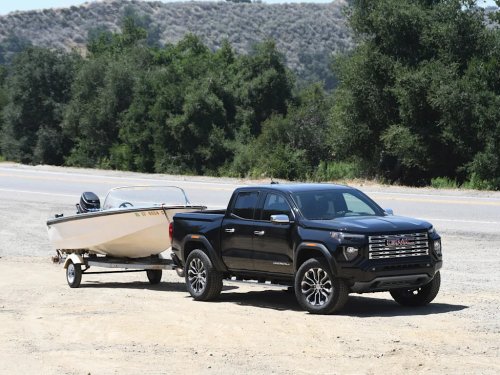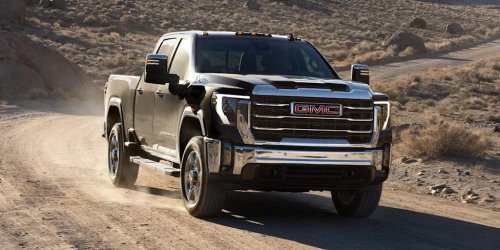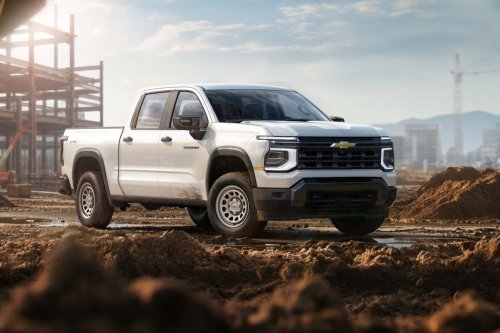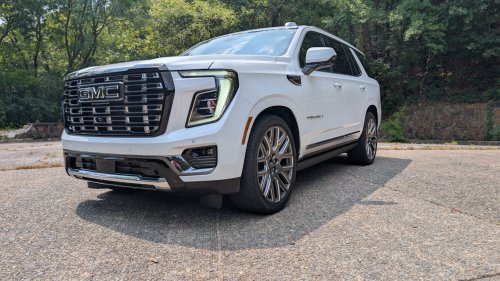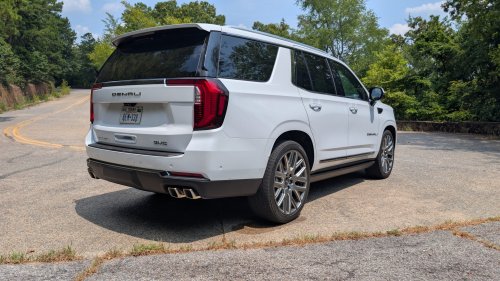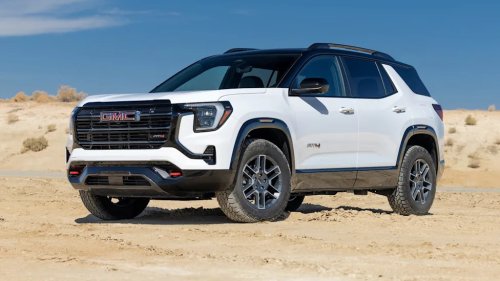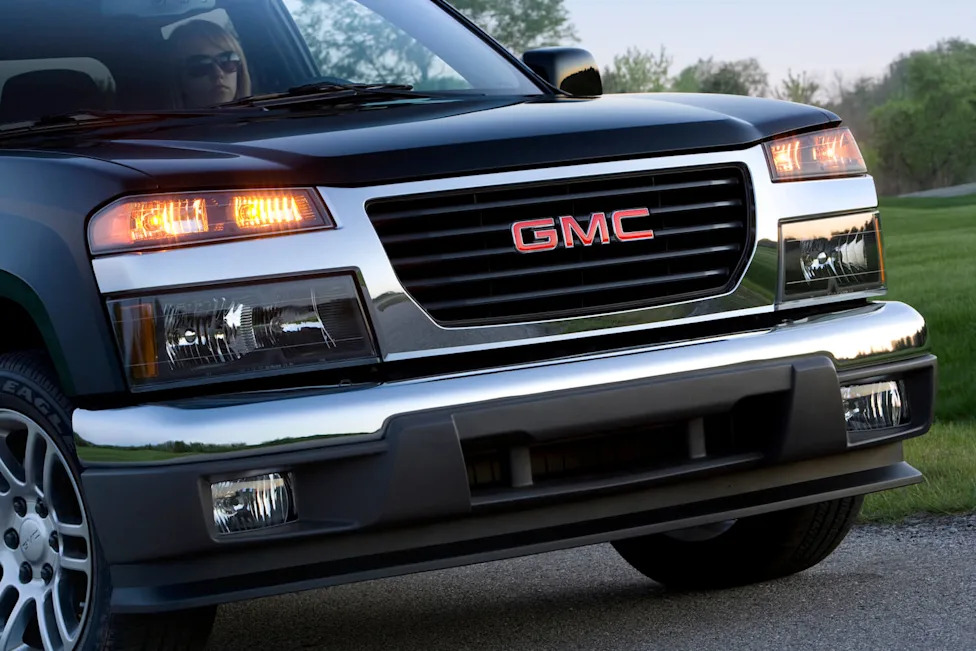



















General Motors has officially declared war on budget-friendly collision repairs. In a sweeping update to its corporate repair guidelines, the automotive giant has outright banned the use of salvaged, recycled, or aftermarket parts for fixing Advanced Driver Assistance Systems (ADAS).According to a recent report by SlashGear, the automaker's wording has escalated from a strong recommendation to an absolute mandate. The new collision repair directive clearly states that GM "strictly prohibits the use of salvage, recycled/used, or non-Genuine aftermarket parts" on all Chevrolet, Buick, GMC, and Cadillac vehicles.The End of the Cheap FixADAS encompasses the highly sensitive network of cameras, radar, and ultrasonic sensors that power modern safety features like automatic emergency braking, lane-keep assist, and hands-free Super Cruise. GM argues that this sweeping ban is purely about driver safety, claiming that minor variations in aftermarket manufacturing or unseen micro-damage on salvaged parts can throw off precise system calibrations.AdvertisementAdvertisementHowever, this strict "genuine new parts only" policy has massive financial implications for everyday drivers. These crucial sensors are typically hidden directly behind the most vulnerable areas of a car—the front bumper, grille, and windshield.Woman drives a midsize GMC Canyon pickup truck.2011 GMC Canyon | General MotorsBy eliminating the option for body shops to source cheaper aftermarket alternatives or certified recycled components, the cost of a minor fender bender is guaranteed to skyrocket. Ultimately, this will likely translate into higher collision repair bills and steeper insurance premiums for anyone driving a modern GM vehicle.The Industry BacklashThe aggressive mandate is already facing fierce pushback from the repair and recycling industries. The Automotive Recyclers Association (ARA) recently called out what they view as a massive corporate contradiction.AdvertisementAdvertisementThe organization pointed out that if an original ADAS component is allowed to remain in service on a crashed car after passing a diagnostic inspection, a fully tested, recycled OEM part from a donor vehicle should logically be considered equally safe.Regardless of the pushback, independent collision centers are now trapped between honoring GM's stringent new liability guidelines and trying to keep out-of-pocket costs down for their customers.