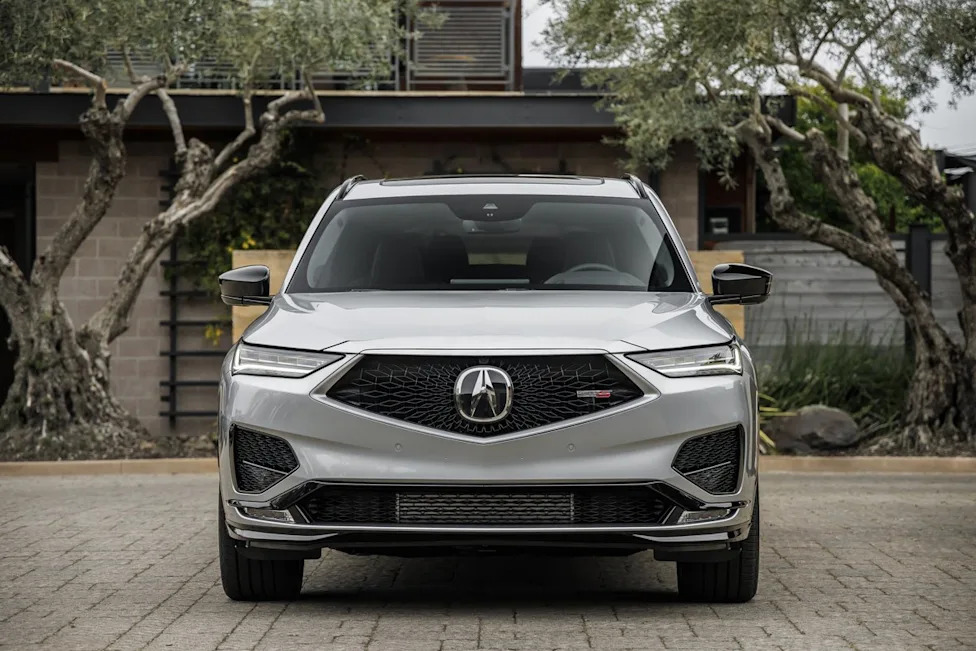
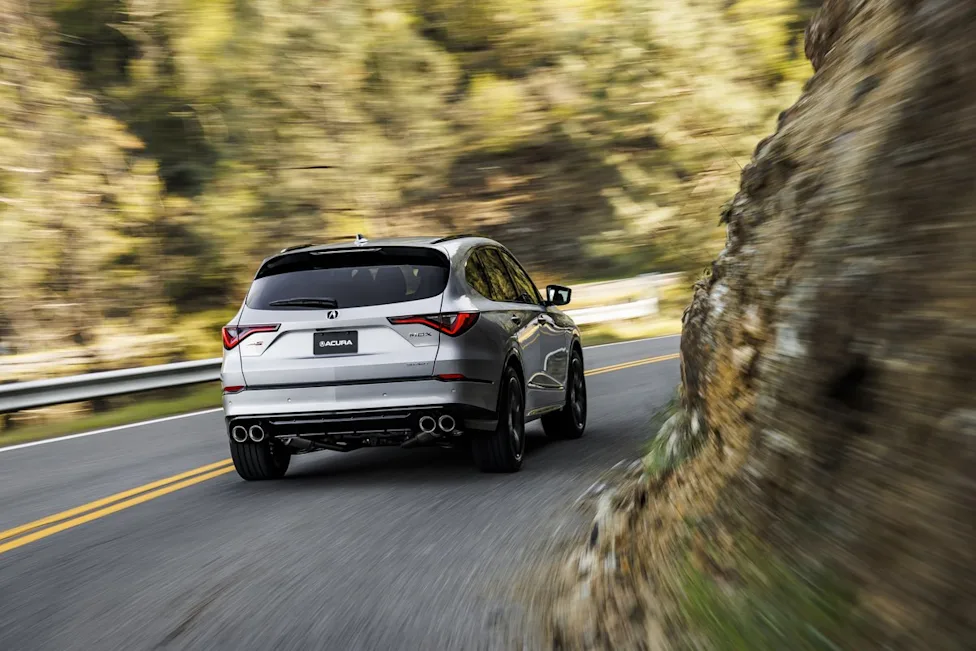
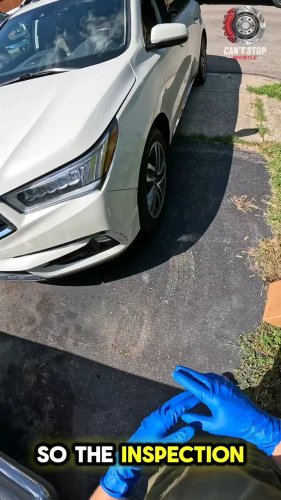
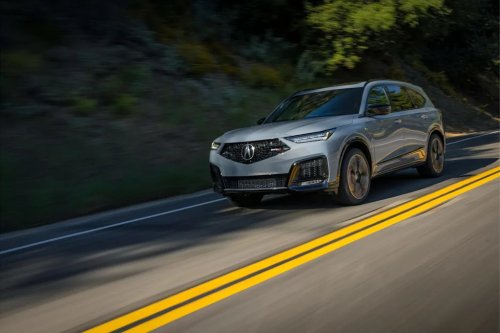
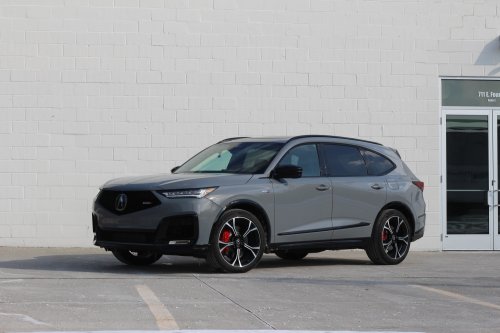
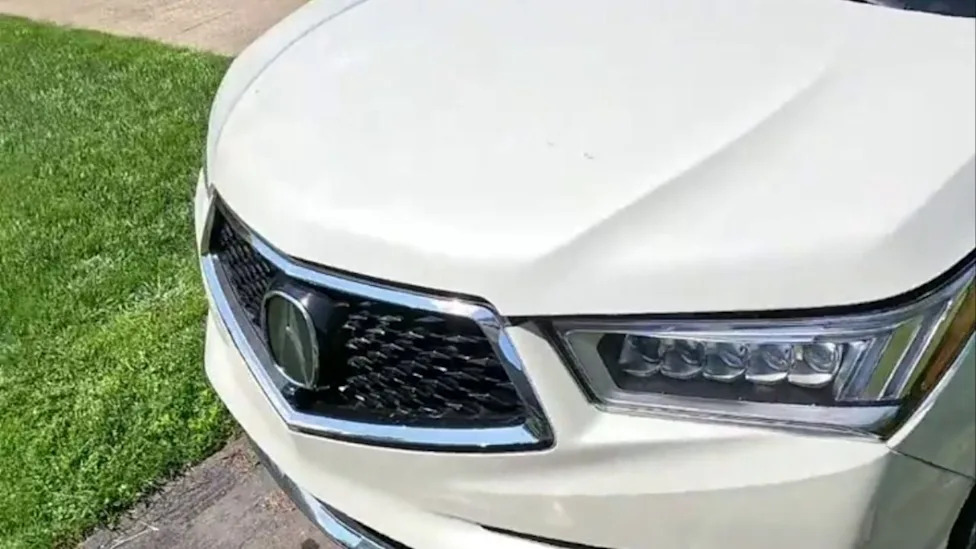
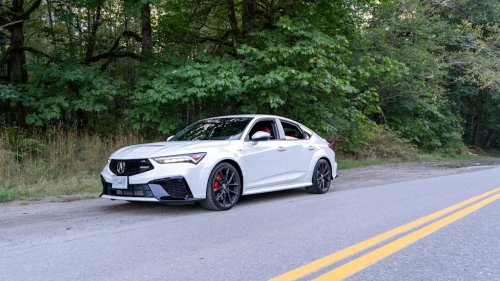
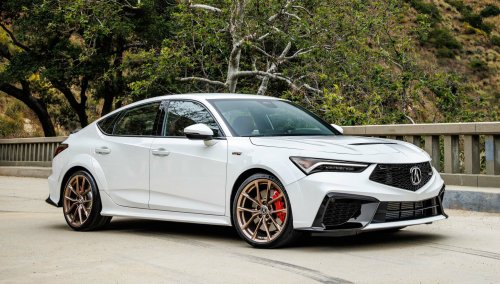
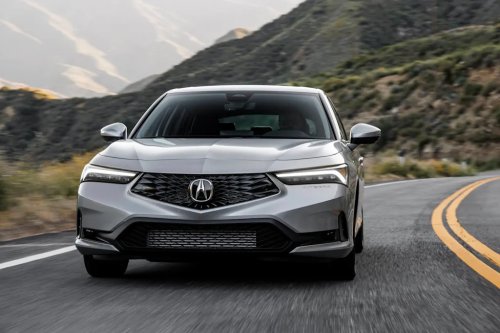
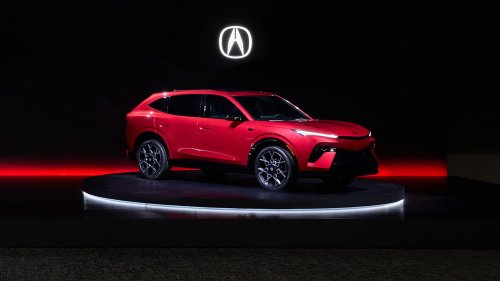
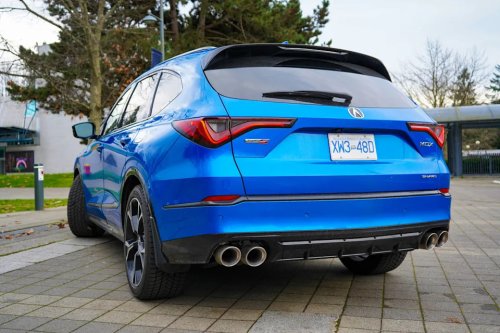
nhtsa rejects allegations over acura s super handling all wheel driveFederal safety regulators have formally denied a petition seeking a defect investigation into Acura's Super Handling All-Wheel Drive (SH-AWD) system, concluding that a mechanical failure in the all-wheel-drive hardware does not pose an unreasonable safety risk.The ruling from the National Highway Traffic Safety Administration's (NHTSA) Office of Defects Investigation (ODI) closes out a defect petition filed in January 2026. The petition focused on 2021–2023 Acura TLX sedans and 2022–2023 Acura MDX crossovers, alleging that stripping or shearing of the splined shafts connecting the front transaxle to the power take-off unit (PTU) cuts torque delivery to the rear wheels. According to the complaint, this mechanical breakdown leaves vehicles operating strictly in front-wheel drive and degrades directional control.nhtsa rejects allegations over acura s super handling all wheel driveWhy Federal Regulators Denied the PetitionAfter reviewing 62 Vehicle Owner Questionnaires (VOQs) and field reports, ODI confirmed that the mechanical failure isolates to the splined interface between the transaxle and the PTU, permanently disabling rear torque transfer. However, investigators determined that the loss of rear-wheel power does not create a safety hazard for several key reasons:AdvertisementAdvertisementPrimary Front-Wheel-Drive Architecture: The subject TLX and MDX models are engineered around a front-wheel-drive platform, meaning full motive power and vehicle mobility are retained even if the rear axle loses drive torque.Performance vs. Safety Role: NHTSA noted that Acura's SH-AWD system acts primarily as a performance-enhancing vectoring feature rather than a primary safety system.Active Electronic Safeguards: The vehicle's standard Vehicle Stability Assist (VSA) system remains operational during a mechanical AWD loss, keeping traction control and dynamic stability intact.No Loss of Vehicle Control: The agency found no evidence of crashes, injuries, or sudden loss of vehicle control resulting from the spline failure, with many owners only discovering the issue during routine service or on low-friction surfaces.While the mechanical failure limits the vehicle's advertised performance, NHTSA determined that front-wheel-drive operation and active stability systems provide sufficient control to keep occupants safe, officially closing the petition.