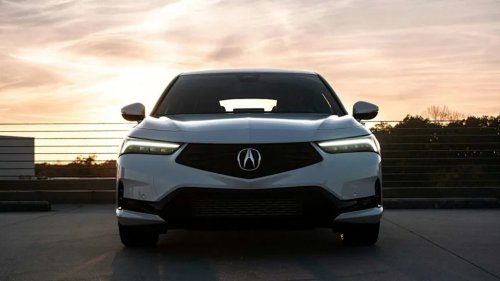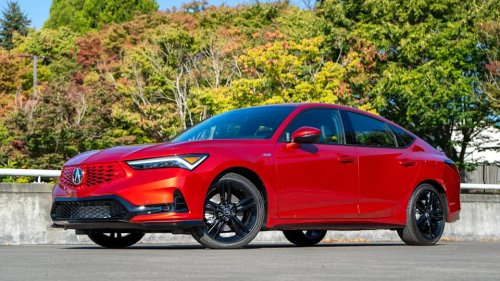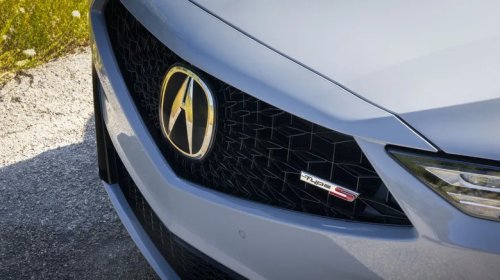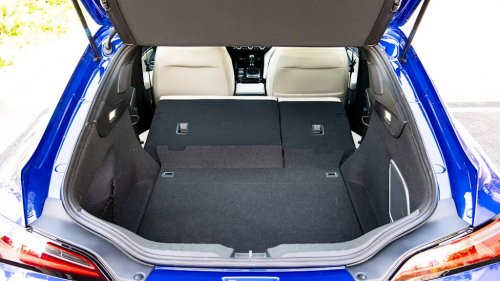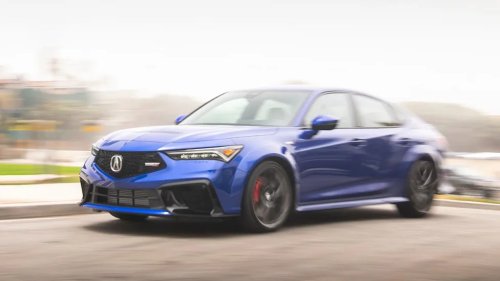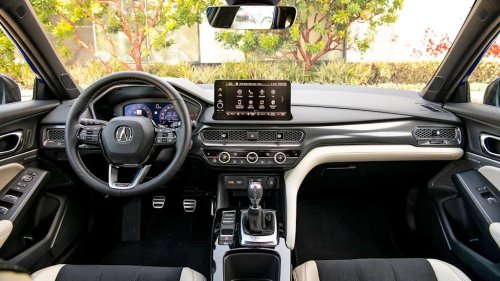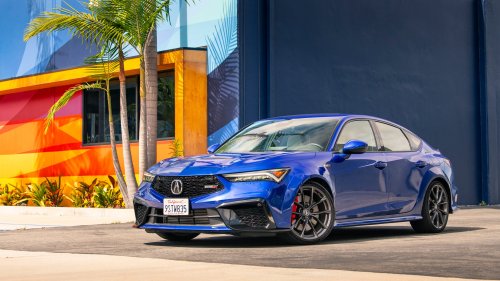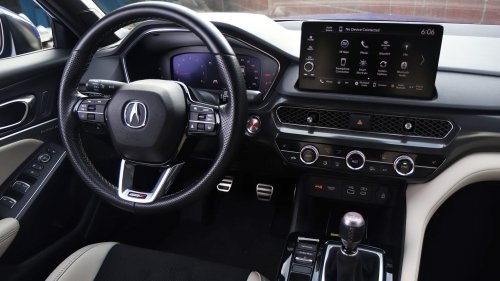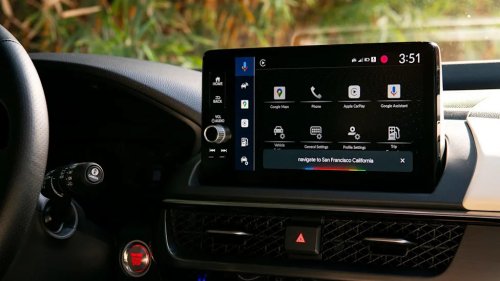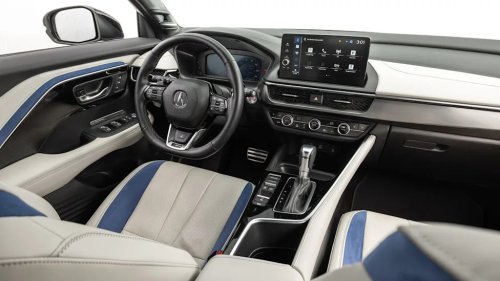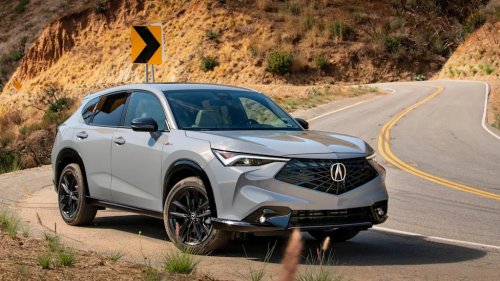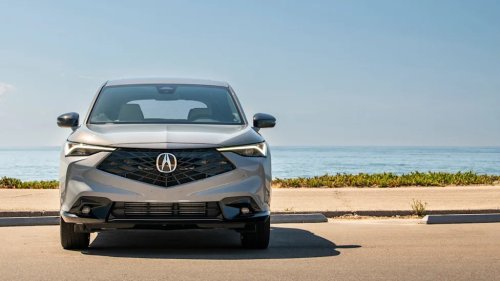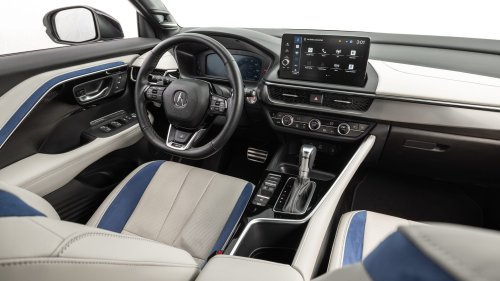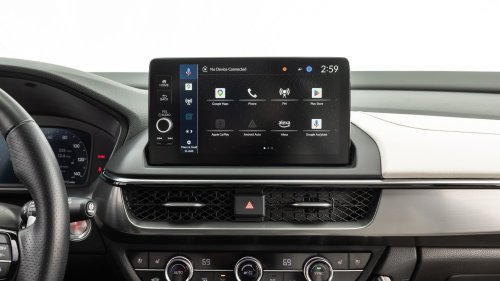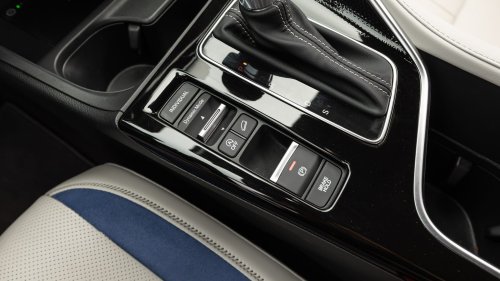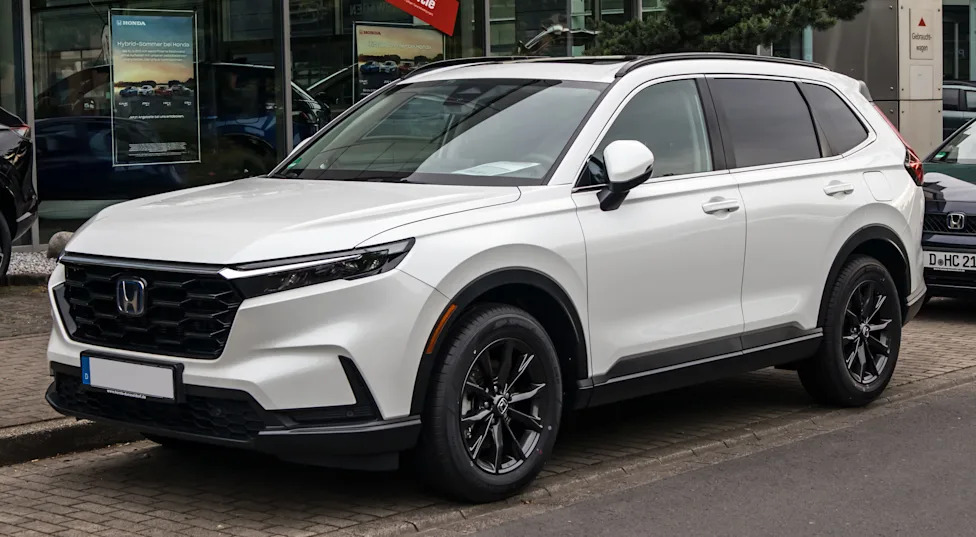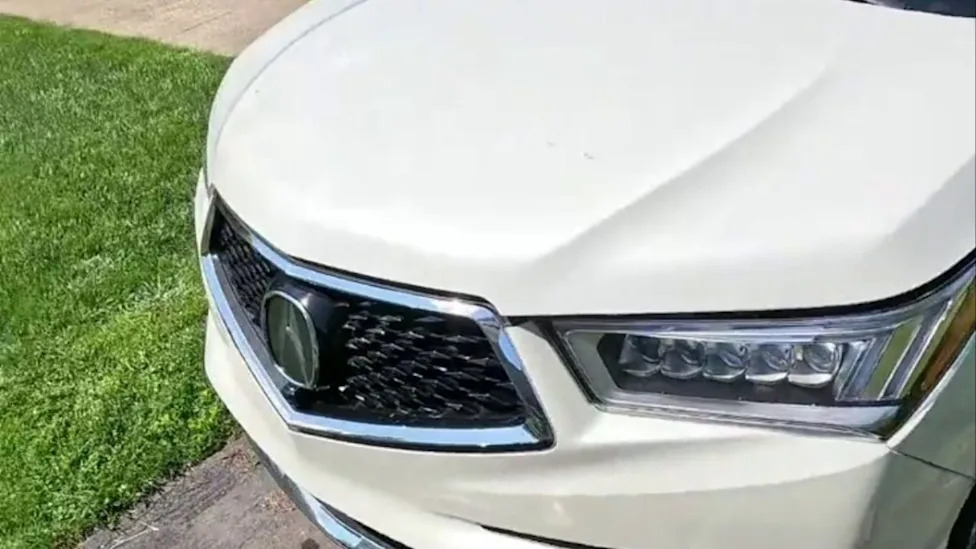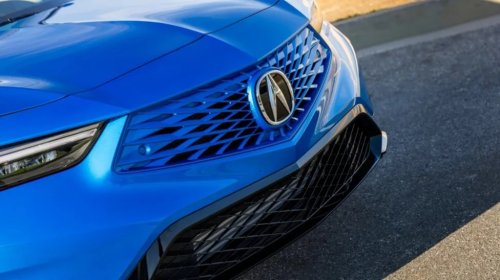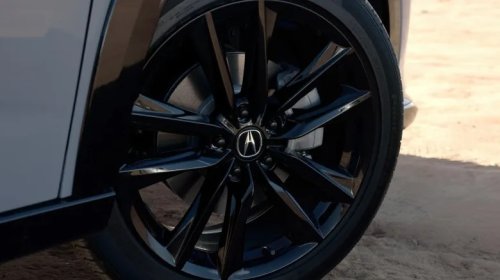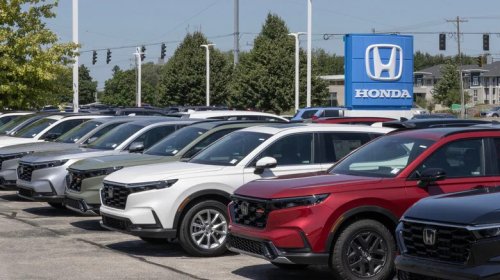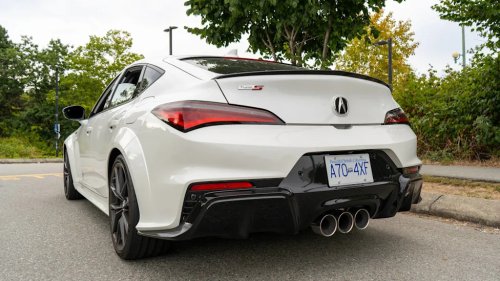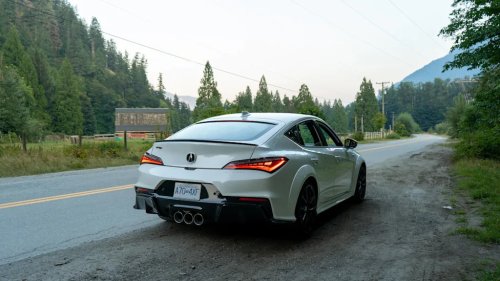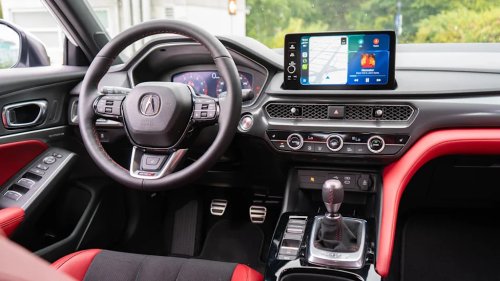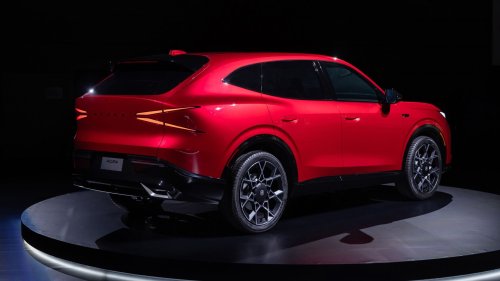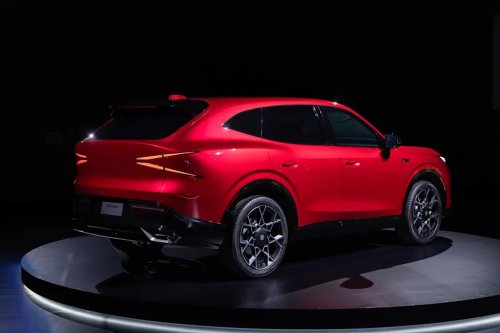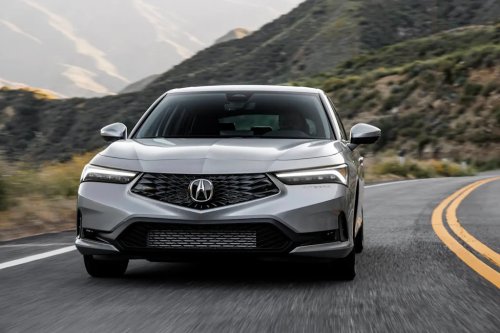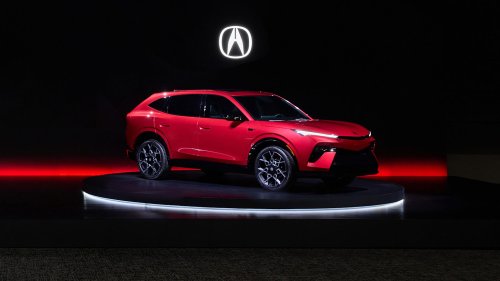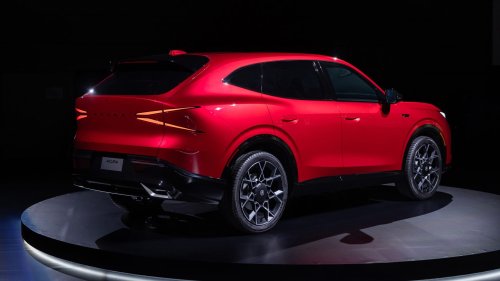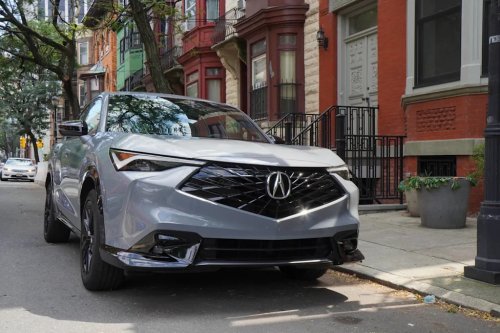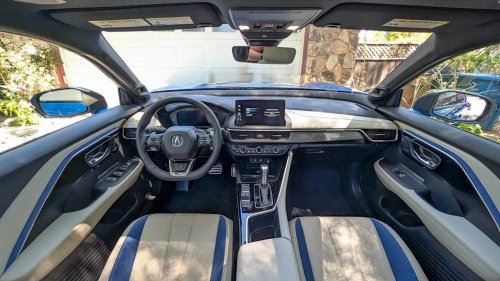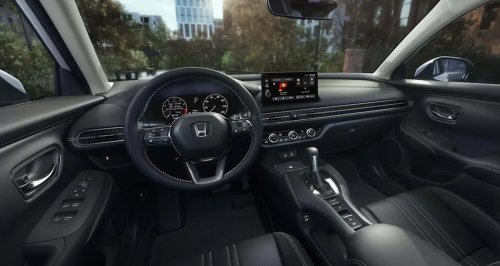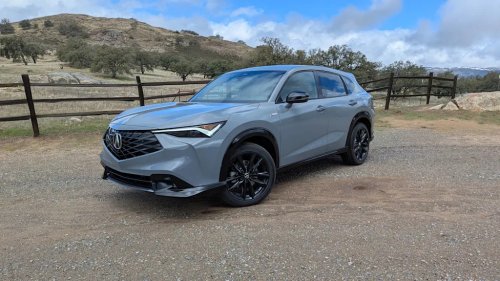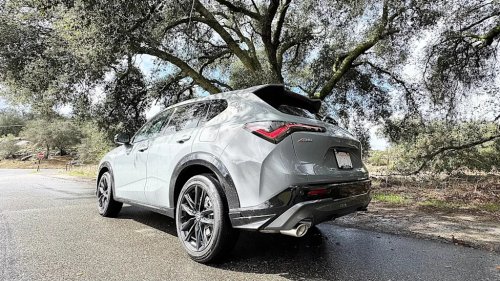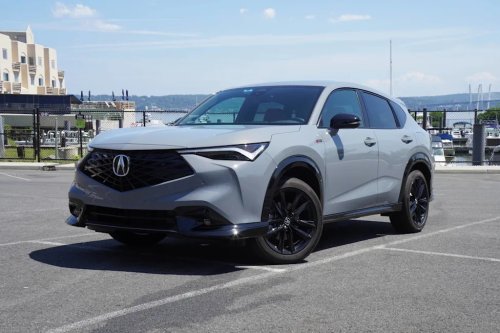
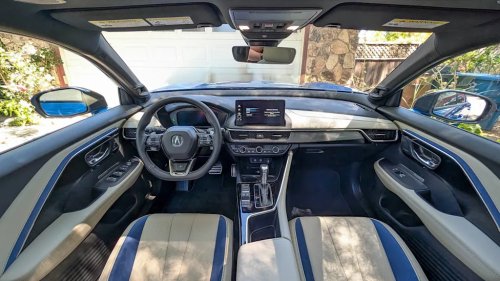
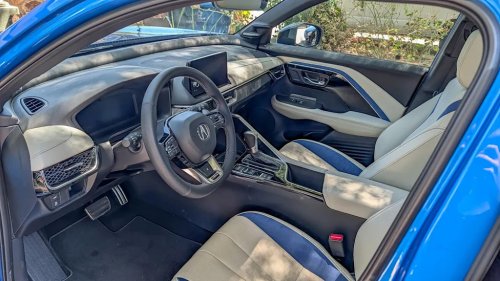
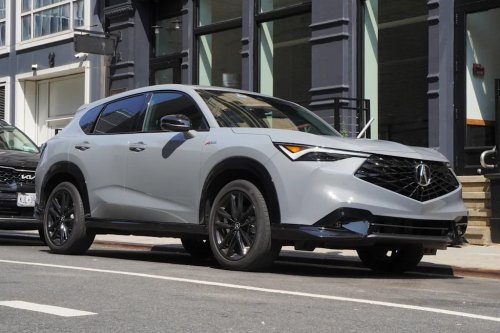
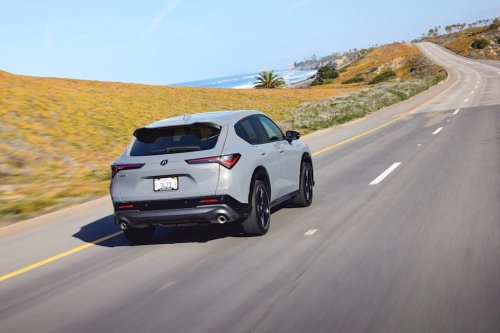



















Autoblog and Yahoo may earn commission from links in this article.When I say "entry-level luxury," I usually get a few raised eyebrows. For many drivers, a luxury badge feels less like a smart purchase and more like an exclusive status symbol. The prevailing assumption is that stepping above basic mainstream transportation requires deep pockets, leaving middle-class buyers locked out of premium comfort. Sure, subcompact contenders like the $43,000 BMW X1, the $45,000 Mercedes-Benz GLB, and the $40,000 Audi Q3 exist—but those are just the starting prices before you add essential packages. Very quickly, "entry-level" turns into a $50,000+ purchase.James OchoaEnter the 2026 Acura ADX. Starting at $35,000 ($37,000 with AWD) and topping out around $44,400 fully loaded, it arrives as the most accessible subcompact luxury crossover on the market. Better yet, it proves that keeping the price tag grounded doesn't require stripping away what makes a luxury car luxurious: a gorgeous interior, quiet ride, and top-tier tech. Aside from the approachable price, here is why the ADX proves real luxury doesn't have to break the bank.AdvertisementAdvertisementRelated: Road Ethos Launches: The New Automotive Lifestyle Site You Should Read1. The interior is on par with the othersSince the ADX is lower in horsepower and mileage is on par with the Germans, we'll skip the engine and go straight to where we spend 99.9% of our time: the interior. The interior of the Acura ADX is so, so much classier than the interior of the Honda HR-V it's based on. The 9-inch multimedia screen isn't nearly as fancy as the screens packed into its rivals, but, in my opinion, the Acura's software is the most user-friendly (probably because it's Honda's, but who's keeping score?). The menus were super easy to find, everything was quick and simple to set up, and I never found myself Googling how to adjust something as simple as the bass level or to adjust the driver assistance systems as I did in the German competitors. Kristen BrownThe fully-digital driver display screen follows the same logic. It's miles behind the BMW, Mercedes-Benz, and Audi in terms of aesthetics and size, but it's so much easier to customize, and the information is easier to access. There's no fussing, no digging into deep menus and settings—it's delightfully simple. The way I look at it, it's similar to the Mac vs. PC debate: if you enjoy the vast customization options and complexity, you go for the PC (the German SUVs). If you want something that you simply turn on and use without any thinking involved, you get the Mac (Acura). The best part about the Acura compared to the others, though, is the interior layout and design. The Audi, BMW, and Mercedes-Benz all have fancy screens, leather, and an open layout, but there isn't much in terms of color options. You get beige, black, or brown. Not much else. The Acura ADX, though, offers a sporty, chic red leather interior, black, or—my personal favorite—orchid. It utilizes a creamy white as the primary color, but everything's accented with a soft blue/purple. It looks especially handsome paired with the flat gray color, but Boost Blue Pearl looks great with it, too. And that brings me to my next argument: exterior color options. The only one that puts up a fight with Acura's Boost Blue Pearl is Audi's District Green color with the Black Optic Package. But just the aesthetic changes bring the Audi to $46,340.Kristen BrownYou also get a full panoramic sunroof, ventilated front seats, and an excellent 15-speaker Bang & Olufsen sound system at the very top of the line, which is still just $42,400. The others require expensive packages that quickly move it away from the "affordable" end of the spectrum.2. Packages are for convenience, not for safetyGerman rivals like BMW, Mercedes-Benz, and Audi routinely make you pay a premium for peace of mind. On models like the X1 or GLB, basic adaptive cruise control or lane-centering steering assist is locked behind optional driver assistance packages that tack thousands onto the window sticker. Acura challenges that by baking the comprehensive AcuraWatch active safety suite into every single ADX as standard equipment. Right out of the box on the base trim, you get:AdvertisementAdvertisementAdaptive Cruise Control with Low-Speed Follow Traffic Jam Assist and Lane Keeping Assist Blind Spot Information System with Rear Cross-Traffic Monitoring Collision Mitigation Braking System and Road Departure Mitigation Traffic Sign Recognition and Driver Attention MonitorAcura saves only parking-lot-specific tech—like a 360-degree Multiview camera, parking sensors, and Low-Speed Braking Control—for its top Advance Package. But for open-road safety and daily commuting, you don't have to spend an extra dime. Could you argue that adaptive cruise control and lane-centering are less about safety and more about convenience? Sure. But at least you don't have to worry about that with the Acura.Related: The Acura ADX A-Spec Is Great, But Should You Buy the Honda HR-V It's Based On Instead? Here's Why I'd Pick the Acura3. Overall, it's cheaper to ownThe Acura ADX isn't just less expensive on the lot. It's substantially cheaper to own over the long haul. This isn't just theory—it comes down to the realities of wrenching. My husband is an ASE Certified Master Technician, and there is a very deliberate reason our daily drivers are Japanese. German luxury badges like Mercedes-Benz, Audi, and BMW have been on our personal "do not buy" list unless they're old, because they are notorious for over-complicated engineering that makes even basic jobs a headache (he once had to lower his cousin's Audi's subframe to change an O2 sensor, for example). They typically demand specialized one-off tools that eat up toolbox real estate, cost a fortune, and only work for that car.James OchoaIf you don't have a technician at home, those engineering quirks will still cost you. Specialty tools and proprietary systems require specialized technician training, pushing labor rates well north of $250 per hour at dedicated European shops or dealerships.AdvertisementAdvertisementThe ADX is a different story. Since it utilizes Honda's high-volume 1.5-liter turbocharged powertrain, sport-tuned CVT, and global small-crossover architecture, parts like brake pads, oil filters, suspension bushings, and cooling components are mass-produced, widely available, and priced like mainstream Honda parts. Any reputable local mechanic can service an ADX without needing proprietary European diagnostic software, keeping your routine maintenance bills reasonable. Furthermore, long-term ownership data from outlets like Consumer Reports and CarEdge consistently rank Honda/Acura near the top for lowest 5-to-10-year maintenance expenses—far below the steep repair curves of the German trio.AcuraInsurance premiums follow the same logic. Repairing sensors, headlights, and body panels after a minor collision costs significantly less on an ADX thanks to shared domestic part pipelines with the Civic and HR-V. Underwriters know replacement German bumpers, laser headlights, and imported modular clips carry hefty price tags, which get quietly passed along to you in your monthly insurance rate. Final thoughtsIf you've spent time in top-tier European metal and then slide into the Acura ADX, you will notice the philosophical difference. There's a reason brands like Mercedes-Benz, Audi, and BMW command high prices—they've mastered an ultra-refined, no-expense-spared recipe, and a reputation to match. But the ADX represents something the automotive market has desperately needed for a while now: an attainable entry point that doesn't feel miles and miles away from the real thing.Rather than stripping out features to hit an artificial price point, Acura built a subcompact crossover packed with punchy standard performance, intuitive tech, and everyday luxury essentials without forcing people to give up what makes luxury so luxurious. The ADX invites us into a club we've routinely been turned away from. It showed me that, sometimes, the smartest move isn't paying so much extra for prestige. It's looking deeper into luxury that leaves money in our pocket in the long term.AdvertisementAdvertisementThis story was originally published by Autoblog on Aug 26, 2026, where it first appeared in the Reviews section. Add Autoblog as a Preferred Source by clicking here.