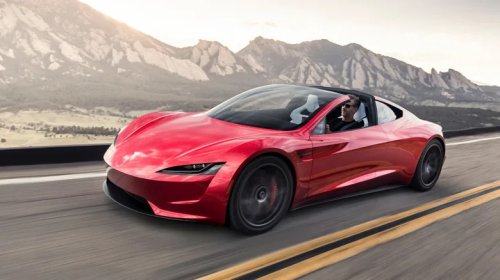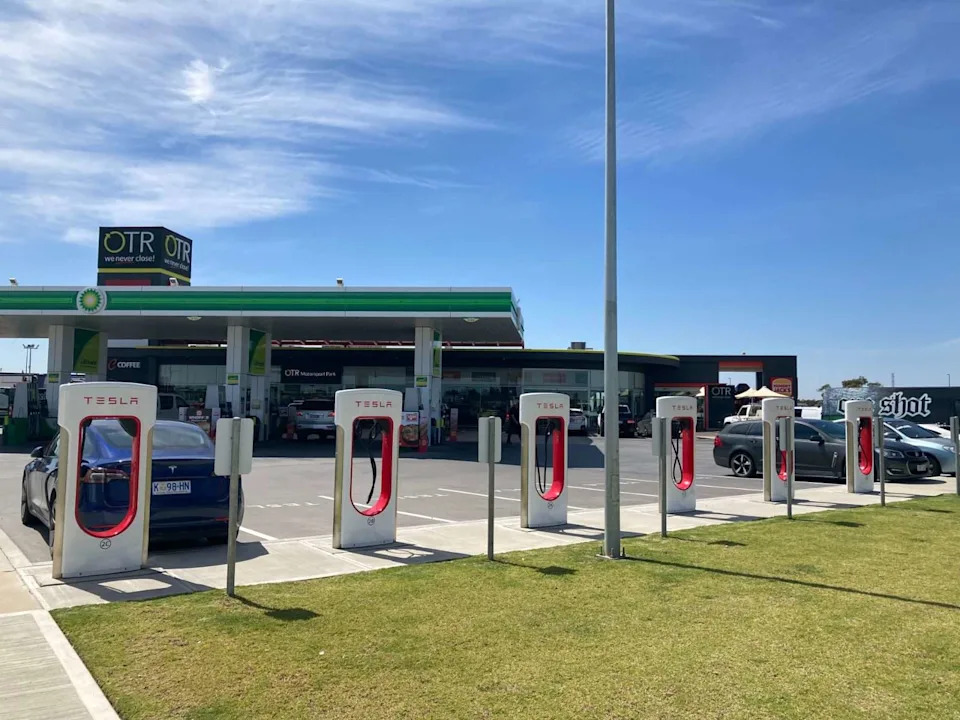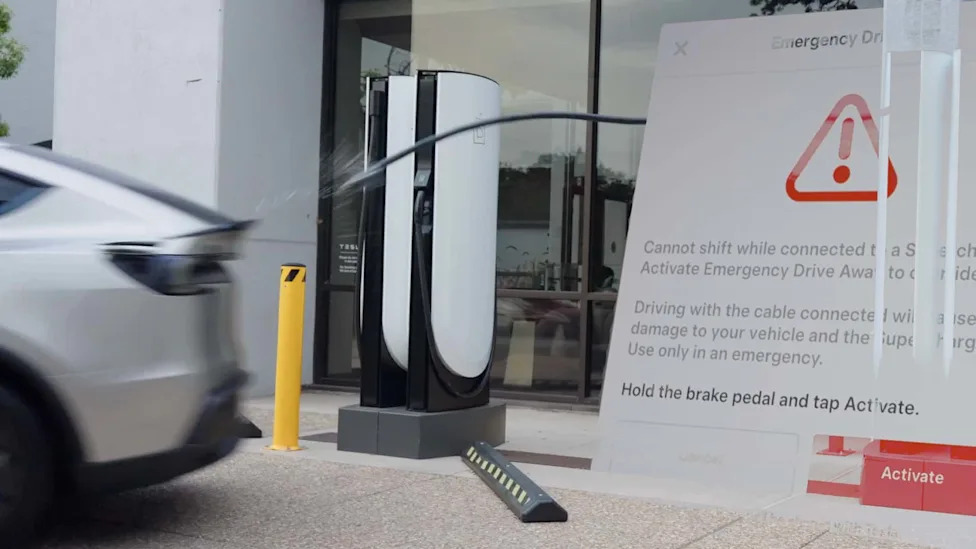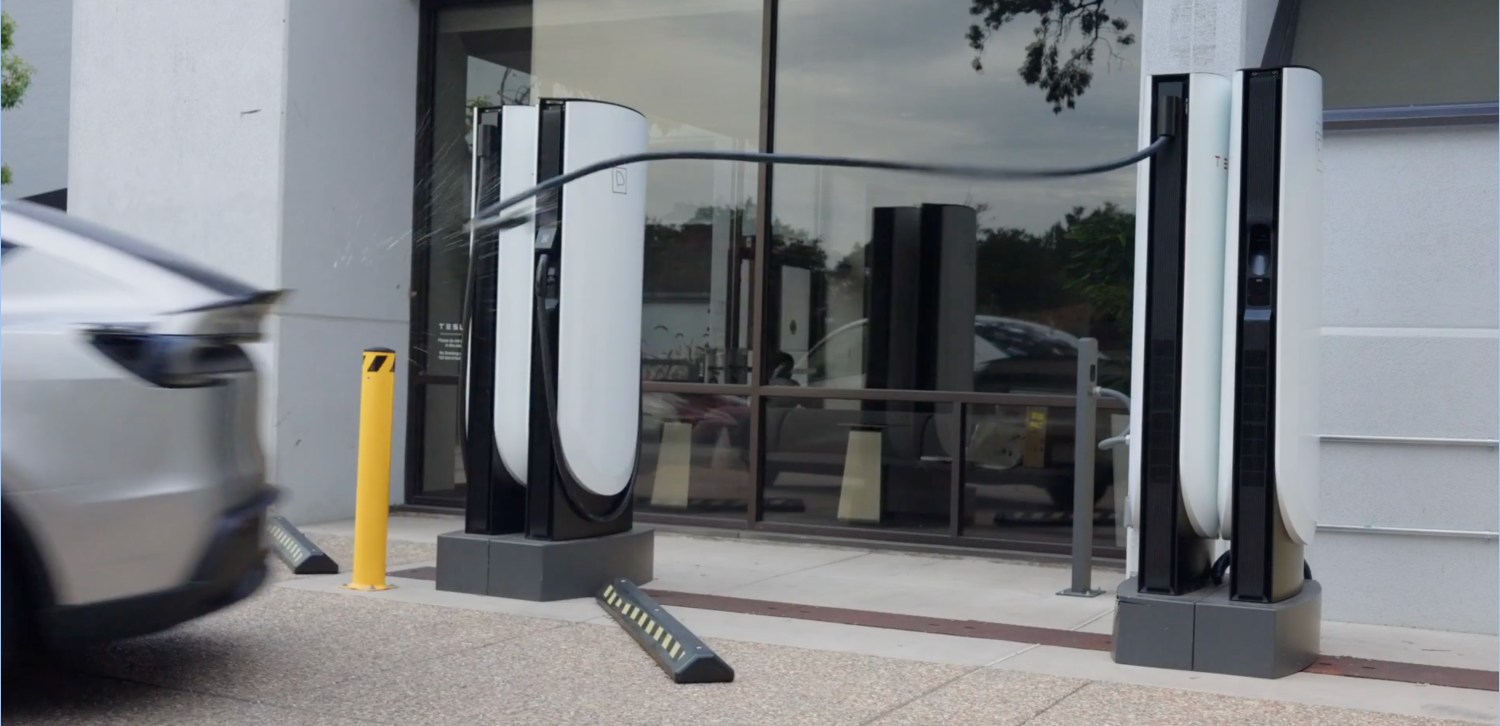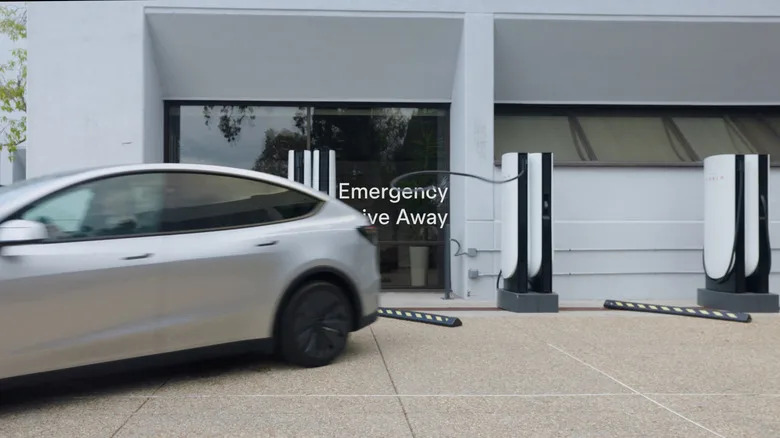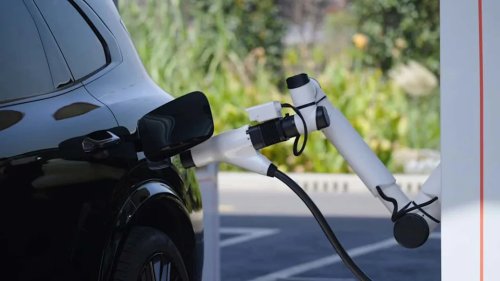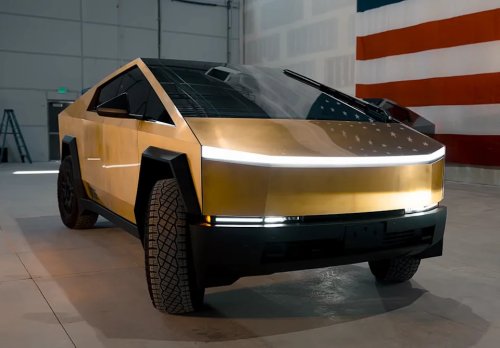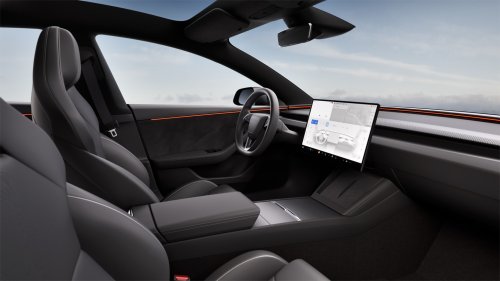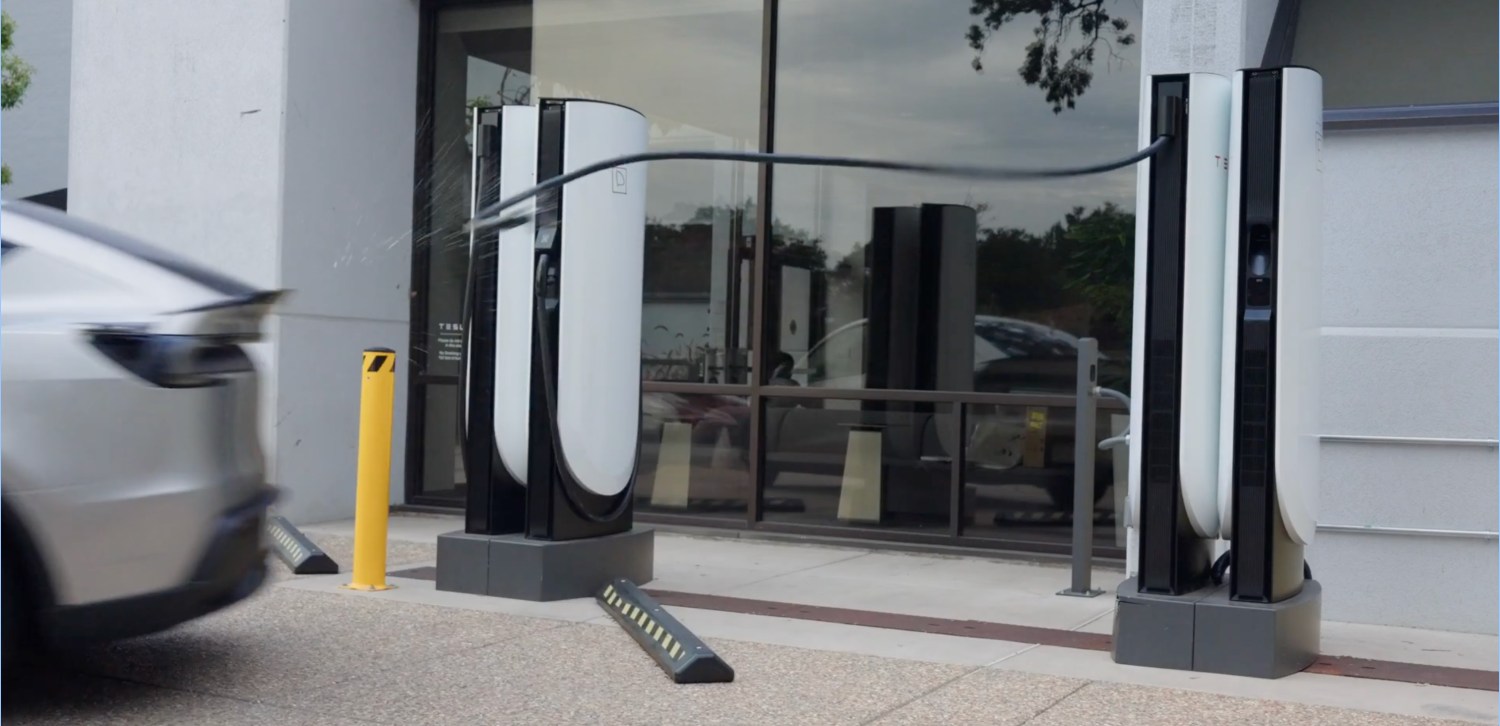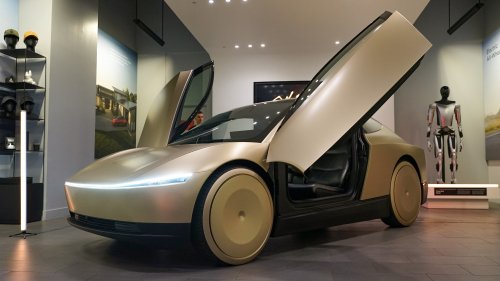
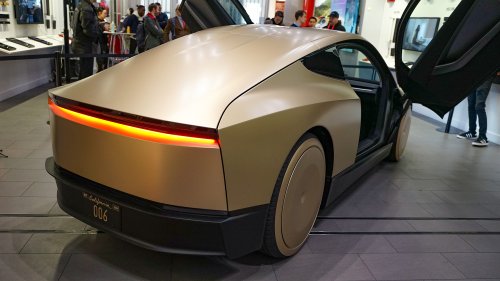
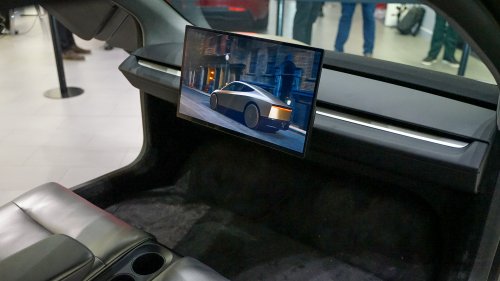
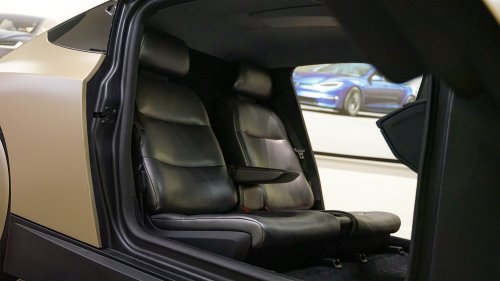



















21Key details about Tesla’s fully-autonomous Cybercab have just been revealed thanks to an application from the Environmental Protection Agency (EPA) in the United States. The EPA regulates things like automotive emissions, fuel economy and environmental compliance as well as range, charging and other specifications for pure-electric vehicles. Like every other Tesla, the Cybercab is an EV and so it’s subjected to the same EPA tests, even though there’s no driver – or even a steering wheel. Tesla’s Vice President Lars Moravy revealed last year that the American firm is looking to power the Cybercab with a battery pack smaller than 50kWh, but in the application the battery’s size is actually listed at 53.3kWh. With that battery the range stands at 418.2 miles, although this is under EPA testing, which is more lenient than the WLTP regime used in the UK. Under WLTP conditions, we expect a range of around 355 miles. 21In terms of power, there’s a single electric motor with 219bhp and unlike any other Tesla, the Cybercab will be front-wheel drive. This is thought to be for packaging reasons, to ensure occupants have the maximum amount of space possible inside what is a Volkswagen Golf-sized car. The Cybercab’s weight is listed at 3,113lbs – equating to just 1,412kg, a very light figure for a car of this size. Acceleration and top speed figures haven’t been revealed. Under the almost coupé-like body, the Cybercab is probably using the platform that would have underpinned the £25k Model 2 that was scrapped in favour of autonomous vehicles. Revealed last year along with the 20-seater Tesla Robovan, the Tesla Cybercab is set to launch in 2027. We’ve already had a poke around the Cybercab in person at London’s Westfield Shopping Centre back in late 2024. Tesla describes the Cybercab as “premium, point-to-point electric transport, accessible to everyone”. Both the Cybercab and Robovan feature full self-driving (FSD) technology, and as a result, there’s no steering wheel or pedals for a driver. Key specs Fuel typeElectricBody styleCoupe, two-seaterPowertrainBattery, electric motorPrice£23,000 (est) While range and battery figures have now been revealed, Tesla and CEO Elon Musk have stayed tight-lipped about the rest of the Cybercab’s technical details. The brand has claimed the Cybercab will achieve a minimum efficiency figure of around 5.5 miles per kWh. For context, most EVs today return between three to four mi/kWh during our own testing. Inductive charging will be a standout technological feature of the Cybercab. Musk said “it was high-time” Tesla introduced this technology to its cars, and the Cybercab won’t come with a socket to charge up. Instead it will drive onto a charging pad and recharge wirelessly. There was no charging port or flap visible on the prototype we got to have a look around, so we don’t expect the Cybercab to come with the ability to make use of Tesla’s Supercharger network, which currently includes more than 1,600 ultra-rapid charging points across the UK. As for the body, Tesla has said the Cybercab will use a casting process with two separate pieces for the front and the rear with door castings to connect them. The idea is to lower production costs as much as possible and reduce complexity with no paint needed for casting metals. 21Tesla is known for its minimalist interiors, but the Cybercab takes things to a whole new level. As we mentioned, there’s no steering wheel or pedals, just a 20.5-inch screen for controlling the car’s functions, two seats, two cup-holders and an armrest. The all-black colour scheme is in stark contrast to the lighter, more airy design of the Verne robotaxi’s interior. At the back is a large boot with a hatchback-like tailgate. Tesla hasn’t provided an exact luggage capacity yet, but says the boot will be big enough for two carry-on suitcases and another two pieces of hand luggage. We’re also told you can fit a bicycle in the boot of the Cybercab. The exterior of the Cybercab is also pretty minimalistic, with smooth, simple surfacing, full-width light bars at the front and rear, plus no back window or side mirrors. The Tesla also has a set of butterfly-style doors, and instead of a traditional alloy wheel design, it boasts blanked-off wheel discs with larger rear rims compared with the fronts. However, it’s not clear how many of these features on the prototype will make it to the production car. Full self-driving cars got a boost earlier this year when the UK government passed a bill called the Automated Vehicles Act. It essentially enables the introduction of fully autonomous vehicles to UK roads within the next couple of years – provided they “achieve a level of safety at least as high as careful and competent human drivers”. Highlighting the Cybercab’s self-driving capability is the lack of a steering wheel inside. That could prove to be tricky for the car here in the UK, because the Automated Vehicles Act requires a person to give inputs to the car on occasion. 21Many billions of pounds have been spent on autonomous vehicles by a wide array of manufacturers, but so far, due to legislation, we’ve yet to see a full self-driving car on UK roads. The technology is here, however. Most autonomous prototypes have been based on existing cars, such as Jaguar and Waymo’s I-Pace-derived creation back in 2018, and Hyundai’s Ioniq 5 test car being equipped with Level 4 technology. The Tesla Cybercab’s most direct competitor is another two-seat robotaxi from Croatian start-up Verne, which was created by Mate Rimac of electric hypercar fame. The car is confirmed to be hitting the streets of Manchester in the UK within the next few years. During the reveal of the car at Tesla’s ‘We, Robot’ event in California in 2024, CEO Elon Musk said “we expect it to be around $30,000”. That would make the Cybercab roughly £23,000 in the UK, although, as we’ve said, there are no firm plans to bring the Cybercab over here. However, that’s not surprising, because Musk himself admitted during the same event that he tends to be “a little optimistic with timeframes,” and so far has only said that the Cybercar is expected to enter production “before 2027”. In those locations where the Cybercab does launch, we’re told the car will be accessible to anyone via the Tesla app, and will be yours for as long as you need it – even a whole day if necessary. Now you can buy a car through our network of top dealers around the UK. Search for the latest deals…